General

Why Good Embryos Don’t Implant: The Shocking Hidden Factors Behind IVF Failure

One of the most frustrating and emotionally difficult experiences in fertility treatment is when a high-quality embryo fails to implant. Patients often hear reassuring words like “the embryo looks perfect,” only to face disappointment when pregnancy does not occur.

This leads to one of the most common questions in IVF:

If the embryo is good, why didn’t it work?

The answer is complex. IVF success depends on much more than embryo appearance. In fact, many implantation failures are caused by hidden factors that are not always visible during standard evaluation.

Understanding these factors is the first step toward improving outcomes.


Embryo Quality vs Genetic Reality

Embryos are typically graded based on their appearance under a microscope. While this provides useful information, it does not guarantee genetic normality.

A “beautiful” embryo can still carry chromosomal abnormalities.

These genetic issues may lead to:

  • Failed implantation

  • Early miscarriage

  • Slow embryo development

This is why advanced techniques such as genetic testing (PGT) are sometimes recommended — especially after repeated IVF failures.


The Uterine Environment Matters More Than You Think

Even a genetically normal embryo needs the right environment to implant.

The uterus must be receptive at the exact moment of embryo transfer — a concept known as the “implantation window.”

If timing is not perfectly aligned, implantation may fail.

Factors affecting uterine receptivity include:

  • Endometrial thickness

  • Blood flow to the uterus

  • Hormonal balance

  • Inflammation

In some cases, additional testing such as endometrial receptivity analysis (ERA) may help identify optimal timing.


Hormonal Imbalance

Hormones play a critical role in preparing the uterus for implantation.

Progesterone, in particular, is essential for stabilizing the uterine lining.

If progesterone levels are:

  • Too low

  • Too high

  • Or started at the wrong time

implantation may not occur, even if the embryo is healthy.

This is why careful monitoring and individualized protocols are essential.


The Immune System and Implantation

The immune system plays a subtle but important role in pregnancy.

In some cases, the body may react in a way that interferes with embryo implantation.

Possible issues include:

  • Increased inflammatory responses

  • Immune rejection-like activity

  • Abnormal uterine immune cells

Although this area is still being researched, immune-related factors are increasingly considered in cases of repeated IVF failure.


Sperm Quality: The Overlooked Factor

Many people assume embryo quality depends mostly on the egg. However, sperm quality also plays a major role — especially at the genetic level.

Even when sperm appears normal under standard testing, DNA fragmentation can affect embryo development.

This can lead to:

  • Poor embryo progression

  • Implantation failure

  • Miscarriage

Advanced sperm testing may be recommended when no clear cause of IVF failure is identified.


Laboratory Conditions and Technology

IVF success is also influenced by the environment in which embryos are cultured.

High-quality embryology labs carefully control:

  • Air quality

  • Temperature stability

  • Culture media

  • Handling procedures

Even small variations can affect embryo development.

This is why choosing a clinic with strong laboratory standards is critical.


Lifestyle and Hidden Biological Factors

Sometimes, implantation failure is influenced by factors outside the clinic.

These may include:

  • Stress

  • Smoking

  • Alcohol consumption

  • Poor nutrition

  • Sleep disturbances

While these alone may not cause failure, they can contribute to suboptimal conditions for implantation.


When IVF Fails Repeatedly

When implantation fails multiple times despite transferring good-quality embryos, the condition may be described as recurrent implantation failure (RIF).

At this stage, a more advanced and personalized approach is needed, which may include:

  • Genetic testing (PGT)

  • Uterine receptivity testing

  • Immune investigations

  • Alternative stimulation protocols

  • Advanced treatment options such as cytoplasmic transfer or tandem cycles

The key is not to repeat the same strategy, but to adapt the approach based on previous outcomes.


The Truth About IVF Success

IVF is not a simple process of placing an embryo into the uterus and expecting pregnancy to occur. It is a delicate interaction between:

  • Embryo genetics

  • Uterine environment

  • Hormonal balance

  • Laboratory precision

  • Timing

Even when everything appears perfect, hidden biological factors can influence the outcome.


Final Thoughts

When a good embryo does not implant, it does not mean the journey is over. It means that there is more to understand.

Modern fertility medicine is moving toward personalized treatment, where each failure provides valuable information to improve the next attempt.

Success in IVF is rarely about luck — it is about identifying the right factors and adjusting the strategy accordingly.

Because sometimes, the difference between failure and success is not the embryo itself… but everything surrounding it.

or any of your fertility problems, please do not hesitate to contact us. At Fertility Solutions we pride ourselves with the excellent tailored personal care we provide to our patients for their specific needs. A team member will contact you as soon as we get your message, and construct a personal treatment plan for your fertility problems in the country of Cyprus. You can also contact our clinics directly through the links below.

Get in Touch with Our Clinics:

Cyprus Crown IVF Contact: https://en.cypruscrownivf.com/contact

Cyprus American IVF Contact: https://www.cyprusamericanivf.com/contact-us/

Dr. Halil Ibrahim Tekin  (Dr. HIT) Youtube: https://www.youtube.com/@dr.halilibrahimtekin1715

Cyprus American IVF Youtube: https://www.youtube.com/@AmerikanTupBebekMerkezi

Clavis Fertility Centre: https://www.clavisfertilitycenter.com
General

The Essential Power of Prenatal Vitamins: Why They Matter Before and During Pregnancy

When preparing for pregnancy — whether naturally or through IVF — many women focus on timing, treatments, and medical tests. However, one of the simplest yet most powerful steps you can take is often overlooked: taking prenatal vitamins.

Prenatal vitamins are specifically formulated supplements designed to support both the mother’s health and the baby’s development before and during pregnancy. While they may seem like a small addition to your routine, they play a critical role in creating the right foundation for a healthy pregnancy.


What Are Prenatal Vitamins?

Prenatal vitamins are supplements that contain essential nutrients required during pregnancy in higher amounts than standard multivitamins.

They are designed to:

  • Support fetal development

  • Reduce the risk of birth defects

  • Maintain maternal health

  • Prepare the body for pregnancy

Many doctors recommend starting prenatal vitamins at least 2–3 months before conception, especially for women undergoing fertility treatments such as IVF.


Why Prenatal Vitamins Are Important Before Pregnancy

One of the most important reasons to take prenatal vitamins early is that key stages of fetal development occur before many women even realize they are pregnant.

For example, the neural tube — which develops into the baby’s brain and spinal cord — forms within the first few weeks of pregnancy.

This is why early nutritional support is essential.

Starting prenatal vitamins before conception ensures that the body has the nutrients needed from the very beginning.


Key Nutrients in Prenatal Vitamins

1. Folic Acid

Folic acid is one of the most critical nutrients in prenatal care.

It helps prevent neural tube defects such as spina bifida.

Recommended intake:

  • At least 400–800 mcg daily


2. Iron

Iron supports the production of red blood cells and helps prevent anemia during pregnancy.

It also ensures that the baby receives enough oxygen through the blood supply.


3. Calcium

Calcium is essential for the development of the baby’s bones and teeth.

If calcium intake is insufficient, the baby may draw calcium from the mother’s bones.


4. Vitamin D

Vitamin D helps the body absorb calcium and supports immune function.

It also plays a role in healthy fetal bone development.


5. Omega-3 Fatty Acids (DHA)

DHA is important for brain and eye development in the fetus.

It is particularly beneficial during the later stages of pregnancy.


Prenatal Vitamins and Fertility

Prenatal vitamins are not only important during pregnancy — they can also support fertility.

For women trying to conceive, especially those undergoing IVF, prenatal vitamins may help:

  • Improve overall egg quality

  • Support hormone balance

  • Prepare the uterine environment

  • Reduce nutritional deficiencies

While vitamins alone cannot solve all fertility issues, they contribute to optimizing the body for conception.


Can You Get These Nutrients From Diet Alone?

A healthy diet is always the foundation of good nutrition. However, it can be difficult to consistently obtain all the necessary nutrients in the required amounts through food alone.

For example:

  • Folic acid levels needed for pregnancy are hard to reach through diet alone

  • Iron requirements increase significantly during pregnancy

  • DHA intake may be limited depending on diet

Prenatal vitamins help fill these gaps and ensure consistent intake.


Are Prenatal Vitamins Safe?

Prenatal vitamins are generally safe when taken as recommended.

However, it is important to:

  • Avoid taking multiple supplements without guidance

  • Follow dosage instructions carefully

  • Consult a doctor before starting

Excess intake of certain vitamins, such as vitamin A, can be harmful in high doses.


When Should You Start Taking Prenatal Vitamins?

Ideally:

  • Before trying to conceive

  • During the entire pregnancy

  • Sometimes even during breastfeeding

For IVF patients, doctors often recommend starting prenatal vitamins as soon as treatment planning begins.


Final Thoughts

Prenatal vitamins may seem like a small step, but they are one of the most important investments in a healthy pregnancy.

They provide essential nutrients at the exact time when your body — and your future baby — needs them most.

Whether you are planning a natural pregnancy or undergoing fertility treatment, ensuring that your body is properly nourished can make a meaningful difference.

Because in many cases, the journey to a healthy pregnancy doesn’t just begin with conception — it begins with preparation.

For any of your fertility problems, please do not hesitate to contact us. At Fertility Solutions we pride ourselves with the excellent tailored personal care we provide to our patients for their specific needs. A team member will contact you as soon as we get your message, and construct a personal treatment plan for your fertility problems in the country of Cyprus. You can also contact our clinics directly through the links below.

Get in Touch with Our Clinics:

Cyprus Crown IVF Contact: https://en.cypruscrownivf.com/contact

Cyprus American IVF Contact: https://www.cyprusamericanivf.com/contact-us/

Dr. Halil Ibrahim Tekin  (Dr. HIT) Youtube: https://www.youtube.com/@dr.halilibrahimtekin1715

Cyprus American IVF Youtube: https://www.youtube.com/@AmerikanTupBebekMerkezi

Clavis Fertility Centre: https://www.clavisfertilitycenter.com
General

The Reality of HSG in the UK: Waiting Times, NHS Rules, and Faster Alternatives Abroad

For many couples struggling to conceive, one of the most important early diagnostic tests is the Hysterosalpingogram (HSG). This simple but powerful investigation checks whether the fallopian tubes are open and whether the uterus has any abnormalities that could affect pregnancy.

However, in the United Kingdom, accessing an HSG test through the NHS is not always straightforward. Patients often face strict criteria, scheduling limitations, and significant waiting times before they can even reach this stage of fertility testing.

Understanding how the NHS system works — and how alternatives differ — can help patients make more informed decisions about their fertility journey.


What Is an HSG Test?

An HSG is a specialized X-ray procedure used to examine the uterus and fallopian tubes. A contrast dye is injected into the uterus, allowing doctors to see whether the tubes are open or blocked.

It is a key investigation because blocked fallopian tubes are one of the most common causes of infertility.

The procedure itself is relatively quick, typically taking around 15–40 minutes, and is done as an outpatient test.


How to Access HSG Through the NHS

In the UK, patients cannot usually book an HSG test directly.

The process typically follows these steps:

1. Visit Your GP

Patients must first consult a GP. The GP will:

  • Take a medical and fertility history

  • Assess how long you have been trying to conceive

  • Order initial tests such as blood work or semen analysis

In many cases, couples are advised to try for up to 12 months (or 6 months if over 35) before referral.


2. Referral to a Specialist

If fertility issues persist, the GP refers the patient to a fertility clinic or gynecology department.

Only at this stage may further investigations like HSG be considered.


3. Waiting for Appointments

This is where delays often occur.

NHS targets aim for treatment within 18 weeks, but in reality, many patients wait significantly longer due to high demand.

In fact:

  • Hundreds of thousands of patients are currently on gynecology waiting lists

  • Many individuals wait months or even longer for fertility-related diagnostics


NHS Rules and Requirements for HSG

The NHS has strict clinical protocols for performing HSG tests.

Timing Restrictions

The test must be done at a very specific time in the menstrual cycle:

  • Usually between day 5 and day 10 of the cycle

  • Sometimes up to day 14 depending on the hospital

This is to ensure:

  • The patient is not pregnant

  • The uterine lining allows clear imaging


Pregnancy Prevention Requirement

Patients must:

  • Avoid unprotected intercourse from the start of the period until after the test

  • Often take a pregnancy test before the procedure


Scheduling Challenges

Because of these strict timing requirements:

  • Patients must call the hospital on the first day of their period

  • If no appointment is available within that window, the cycle is missed

  • The process must then be repeated the following month

In some cases, timing the procedure can take several months before a suitable appointment is secured.


Why Waiting Times Can Be Long

There are several reasons why HSG access in the UK can be delayed:

  • High demand for NHS fertility services

  • Limited availability of radiology slots

  • Strict cycle-based scheduling

  • Priority given to urgent medical conditions

Additionally, fertility investigations are often considered non-urgent, meaning they may be delayed compared to other medical services.


Private Options in the UK

Patients who choose private care in the UK can often access HSG testing within a few weeks, avoiding NHS delays.

However, this comes at an additional cost.


Immediate Access in North Cyprus

In contrast, fertility clinics in North Cyprus offer a very different experience.

At clinics such as:

  • Cyprus Crown IVF

  • Cyprus American IVF

  • Clavis Fertility Centre Nicosia

HSG testing can often be arranged:

  • On the same day or within a very short timeframe

  • Without waiting lists

  • As part of a comprehensive fertility evaluation

This allows patients to move forward quickly with diagnosis and treatment planning.


Why Fast Diagnosis Matters

Time is one of the most critical factors in fertility — especially for women over 35 or those with reduced ovarian reserve.

Delays in testing can mean:

  • Lost time for treatment

  • Reduced success rates

  • Increased emotional stress

  • Prolonged uncertainty

By accessing diagnostic tests such as HSG quickly, patients can receive answers sooner and begin appropriate treatment without unnecessary delays.


Final Thoughts

The NHS provides structured and evidence-based fertility care, but access to tests like HSG can sometimes involve long waiting times and strict scheduling limitations.

For patients eager to move forward with their fertility journey, understanding these limitations is important.

While NHS care remains a valuable option, alternative pathways — including private care or treatment abroad — can offer faster access to essential diagnostic procedures.

Ultimately, the goal is not just to undergo testing, but to gain clarity and move one step closer to achieving a successful pregnancy.

For any of your fertility problems, please do not hesitate to contact us. At Fertility Solutions we pride ourselves with the excellent tailored personal care we provide to our patients for their specific needs. A team member will contact you as soon as we get your message, and construct a personal treatment plan for your fertility problems in the country of Cyprus. You can also contact our clinics directly through the links below.

Get in Touch with Our Clinics:

Cyprus Crown IVF Contact: https://en.cypruscrownivf.com/contact

Cyprus American IVF Contact: https://www.cyprusamericanivf.com/contact-us/

Dr. Halil Ibrahim Tekin  (Dr. HIT) Youtube: https://www.youtube.com/@dr.halilibrahimtekin1715

Cyprus American IVF Youtube: https://www.youtube.com/@AmerikanTupBebekMerkezi

Clavis Fertility Centre: https://www.clavisfertilitycenter.com
General

Epigenetics and Egg Donation: How the Gestational Mother Influences the Baby

One of the most common concerns patients have when considering egg donation is whether the mother who carries the pregnancy has any biological influence on the child. Many people assume that if the egg comes from a donor, the baby will share zero biological connection with the woman who carries the pregnancy.

Modern research in epigenetics shows that this assumption is not entirely accurate. While the baby’s DNA sequencecomes from the egg donor and sperm provider, the gestational mother plays a powerful biological role in how those genes are expressed during pregnancy.


What Is Epigenetics?

Epigenetics refers to biological mechanisms that control how genes are turned on or off without changing the DNA sequence itself. Epigenetics

In other words:

  • Genetics = the DNA blueprint

  • Epigenetics = how the blueprint is used

Epigenetic regulation works through several mechanisms, including:

  • DNA methylation

  • Histone modification

  • microRNA signaling

These mechanisms control how cells interpret genetic instructions.

During pregnancy, many of these epigenetic signals come directly from the maternal environment inside the uterus.


The Role of the Gestational Mother

When an embryo is transferred into the uterus during IVF with donor eggs, the developing embryo begins interacting immediately with the mother’s body.

The uterine environment provides:

  • Hormones

  • Nutrients

  • Immune signals

  • Oxygen supply

  • Metabolic signals

These factors influence how the embryo’s genes are activated during development.

Researchers often describe this as maternal–fetal epigenetic communication, where the mother’s biological environment helps guide fetal growth.

A review on maternal–fetal epigenetic interactions explains that signals from the mother’s environment regulate gene expression in the developing fetus and placenta.


The Placenta: A Major Epigenetic Interface

One of the most important organs involved in epigenetic regulation during pregnancy is the placenta.

The placenta acts as a biological communication bridge between the mother and the developing fetus.

Research has shown that epigenetic processes in the placenta transmit maternal signals that influence fetal development, including growth patterns and brain development.

These signals include:

  • Nutrient availability

  • Maternal hormones

  • Oxygen levels

  • Environmental exposures

Through these pathways, the gestational mother contributes to how the baby develops in the womb.


Evidence From Egg Donation and ART Studies

Several studies examining pregnancies from IVF and egg donation have demonstrated that epigenetic processes can influence gene expression in the developing fetus.

For example:

Study: Nuzzo et al., 2025

A study examining assisted reproductive technology pregnancies found that epigenetic mechanisms such as DNA methylation influence gene expression involved in placental blood vessel formation.

These epigenetic changes can affect:

  • Placental development

  • Fetal growth

  • Pregnancy outcomes

Because these processes occur within the mother’s uterus, the gestational mother contributes biologically to how the embryo develops.


How the Mother’s Lifestyle Influences Gene Expression

Epigenetic research also shows that a mother’s lifestyle during pregnancy can influence fetal gene activity.

Factors that may affect epigenetic signals include:

  • Diet and nutrient intake

  • Stress levels

  • Exposure to toxins

  • Smoking or alcohol

  • Physical health

Studies indicate that maternal nutrition and environmental exposures can alter DNA methylation patterns in the fetus, potentially influencing long-term health.

This is one reason why prenatal care focuses heavily on maternal health and lifestyle.


Can Epigenetics Affect the Baby’s Traits?

Epigenetic influence does not change the child’s inherited DNA, but it can influence how genes function.

Some research suggests that maternal epigenetic signals may affect:

  • metabolism

  • immune system development

  • neurological development

  • disease susceptibility later in life

There is also evidence suggesting that babies born through egg donation can share similar gene expression patterns with their gestational mothers, highlighting the biological influence of the pregnancy environment.


Genetics vs Epigenetics: What Actually Comes From Each Parent?

Source Contribution
Egg donor 50% of DNA
Sperm provider 50% of DNA
Gestational mother Epigenetic gene regulation + prenatal environment

This means that while the gestational mother does not contribute the DNA sequence itself, she still plays a major biological role in shaping the baby’s development.


What Science Still Does Not Fully Know

Although epigenetic research has advanced significantly, scientists acknowledge that the field is still evolving.

Researchers are still studying:

  • How strong epigenetic influences are

  • Which traits are most affected

  • How long these effects persist into adulthood

Experts note that the study of epigenetics in donor-conceived children is still developing, and more long-term research is needed.


The Takeaway from Epigenetics

Egg donation changes the genetic origin of the egg, but it does not remove the biological role of the mother carrying the pregnancy.

Through epigenetic processes, the gestational mother:

  • influences how genes are expressed

  • shapes the prenatal environment

  • contributes to fetal development

In modern reproductive science, motherhood is therefore understood as both genetic and biological.

The DNA blueprint may come from the egg donor and sperm provider, but the mother’s body actively participates in shaping how that blueprint becomes a human life.

For any of your fertility problems, please do not hesitate to contact us. At Fertility Solutions we pride ourselves with the excellent tailored personal care we provide to our patients for their specific needs. A team member will contact you as soon as we get your message, and construct a personal treatment plan for your fertility problems in the country of Cyprus. You can also contact our clinics directly through the links below.

Get in Touch with Our Clinics:

Cyprus Crown IVF Contact: https://en.cypruscrownivf.com/contact

Cyprus American IVF Contact: https://www.cyprusamericanivf.com/contact-us/

Dr. Halil Ibrahim Tekin  (Dr. HIT) Youtube: https://www.youtube.com/@dr.halilibrahimtekin1715

Cyprus American IVF Youtube: https://www.youtube.com/@AmerikanTupBebekMerkezi

Clavis Fertility Centre: https://www.clavisfertilitycenter.com
General

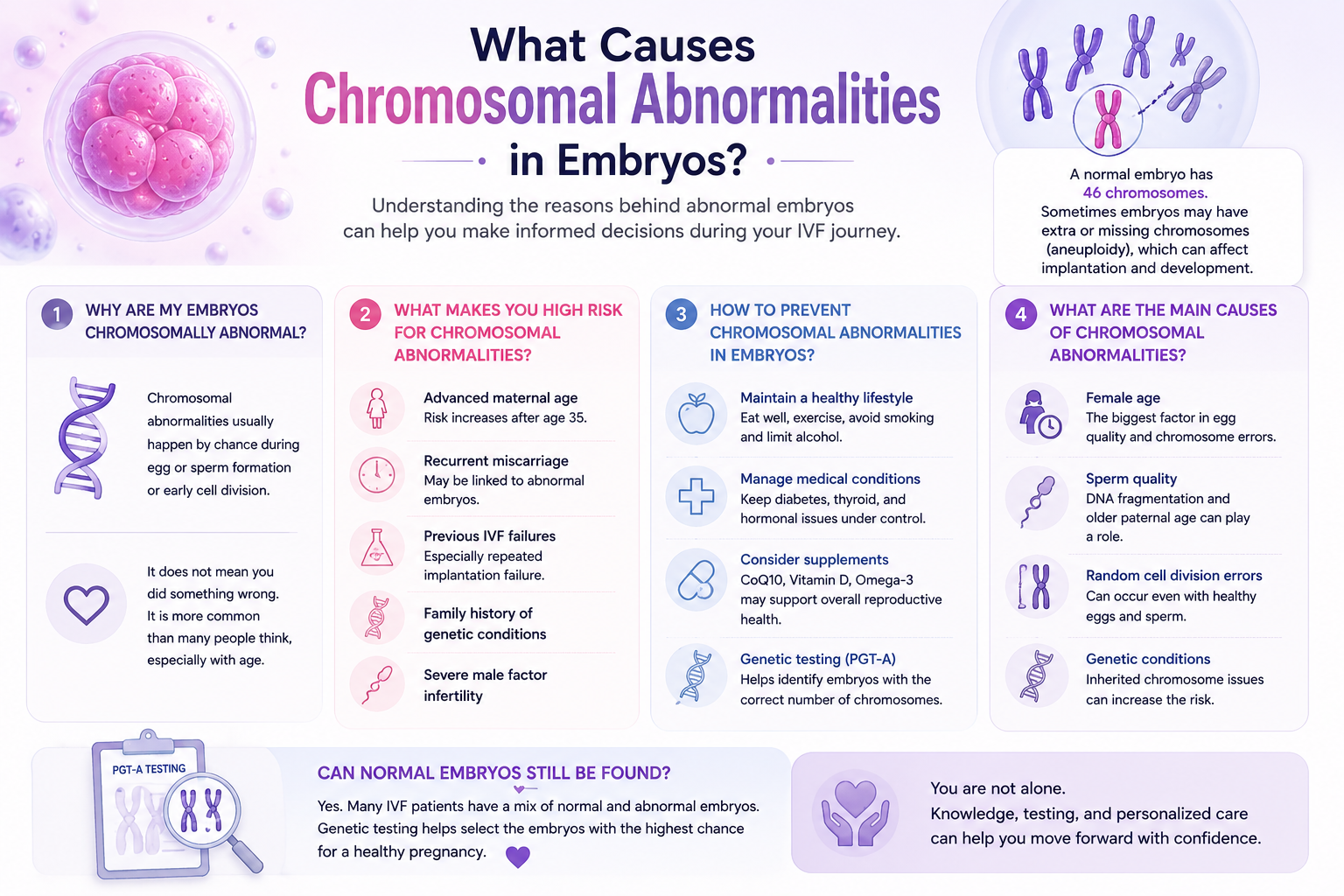
The Eye-Opening Truth About Egg Donation: Understanding Genetics, Hope, and Realistic IVF Options

One of the most emotionally complex situations in fertility treatment occurs when patients with very low ovarian reserve continue trying IVF with their own eggs despite repeated unsuccessful cycles. The desire to conceive using one’s own genetic material is completely understandable. For many women, it represents a deeply personal connection to motherhood.

However, when ovarian reserve becomes severely diminished, continuing multiple IVF attempts using a patient’s own eggs may lead to repeated disappointment, emotional stress, and financial burden. In these situations, fertility specialists often recommend egg donation IVF treatment as a highly successful alternative.

Understanding what egg donation truly means — and how genetics actually works during pregnancy — can help patients make more informed and confident decisions.


When Ovarian Reserve Is Too Low

Ovarian reserve refers to the number of remaining eggs in the ovaries. It is often measured using the AMH (Anti-Müllerian Hormone) test and ultrasound follicle counts.

When AMH levels are extremely low, several challenges arise during IVF:

  • Very few eggs are retrieved during stimulation

  • Eggs may have poor developmental potential

  • Fertilization rates may be lower

  • Embryos may carry chromosomal abnormalities

  • Repeated IVF cycles may fail

In many cases, patients may undergo several IVF cycles only to produce one or two eggs — sometimes none at all.

While pregnancy with one’s own eggs is still technically possible in rare cases, the probability of success becomes significantly reduced.

This is why fertility specialists often introduce the option of donor eggs.


Why Egg Donation Is Often Recommended

Egg donation involves using eggs from a healthy donor, typically a younger woman with strong ovarian reserve and high-quality eggs. These eggs are fertilized with sperm from the intended father (or donor sperm), and the resulting embryo is transferred into the uterus of the intended mother.

Because egg quality plays a major role in embryo development, donor eggs can dramatically improve success rates.

In fact, donor egg IVF is often associated with some of the highest pregnancy success rates in reproductive medicine.

Despite this, many patients initially hesitate because they worry about the genetic connection to the child.


A Common Misconception About Genetics

One of the most common concerns patients express is the belief that if donor eggs are used, the mother carrying the pregnancy will have no biological influence on the child.

This idea is not entirely accurate.

While the egg donor contributes the primary DNA of the embryo, the mother who carries the pregnancy still plays a significant biological role through a process called epigenetics.


What Is Epigenetics?

Epigenetics refers to the way environmental factors influence how genes are expressed.

During pregnancy, the mother’s body provides the environment in which the embryo grows and develops. This environment can influence which genes are activated or suppressed.

The mother contributes through:

  • The uterine environment

  • Nutritional factors

  • Hormonal signals

  • Immune interactions

  • Placental development

These biological signals affect how the baby’s genetic blueprint is expressed.

In simple terms, the baby receives the genetic instructions from the egg and sperm, but the mother carrying the pregnancy helps shape how those instructions are used.

Research increasingly shows that the womb environment has an important impact on development.


The Emotional Journey Toward Egg Donation

Accepting egg donation is rarely an easy decision. It often involves a period of emotional adjustment.

Patients may initially experience feelings such as:

  • Grief over losing the possibility of genetic motherhood

  • Fear about connection to the child

  • Concern about family perception

  • Uncertainty about future identity questions

These feelings are completely normal. Fertility specialists and counselors often encourage patients to take time to process the information before making a decision.

Many women who eventually choose egg donation report that once pregnancy begins, their emotional connection to the baby becomes deeply natural.


When Persistence May Delay the Path to Parenthood

While determination is admirable, repeatedly pursuing IVF with extremely low ovarian reserve can sometimes delay a successful outcome.

Each failed cycle can add emotional and financial strain without significantly improving the chances of pregnancy.

At a certain point, exploring alternative options such as egg donation may offer a more effective path toward achieving the ultimate goal: building a family.

The purpose of fertility treatment is not simply to produce embryos, but to help patients achieve a healthy pregnancy and a healthy baby.


Final Thoughts

Every fertility journey is unique, and there is no single correct path for everyone. For some patients, continuing to try with their own eggs may feel important for personal reasons. For others, egg donation may become the most realistic and hopeful option.

Understanding the science behind genetics and pregnancy can help reduce misconceptions about donor egg IVF.

Although the donor provides the egg, the mother who carries the pregnancy plays a powerful biological role in shaping the baby’s development through the environment of the womb.

In the end, the journey to parenthood is defined not only by genetics, but by the love, care, and connection that begins long before birth.

For any of your fertility problems, please do not hesitate to contact us. At Fertility Solutions we pride ourselves with the excellent tailored personal care we provide to our patients for their specific needs. A team member will contact you as soon as we get your message, and construct a personal treatment plan for your fertility problems in the country of Cyprus. You can also contact our clinics directly through the links below.

Get in Touch with Our Clinics:

Cyprus Crown IVF Contact: https://en.cypruscrownivf.com/contact

Cyprus American IVF Contact: https://www.cyprusamericanivf.com/contact-us/

Dr. Halil Ibrahim Tekin  (Dr. HIT) Youtube: https://www.youtube.com/@dr.halilibrahimtekin1715

Cyprus American IVF Youtube: https://www.youtube.com/@AmerikanTupBebekMerkezi

Clavis Fertility Centre: https://www.clavisfertilitycenter.com
General

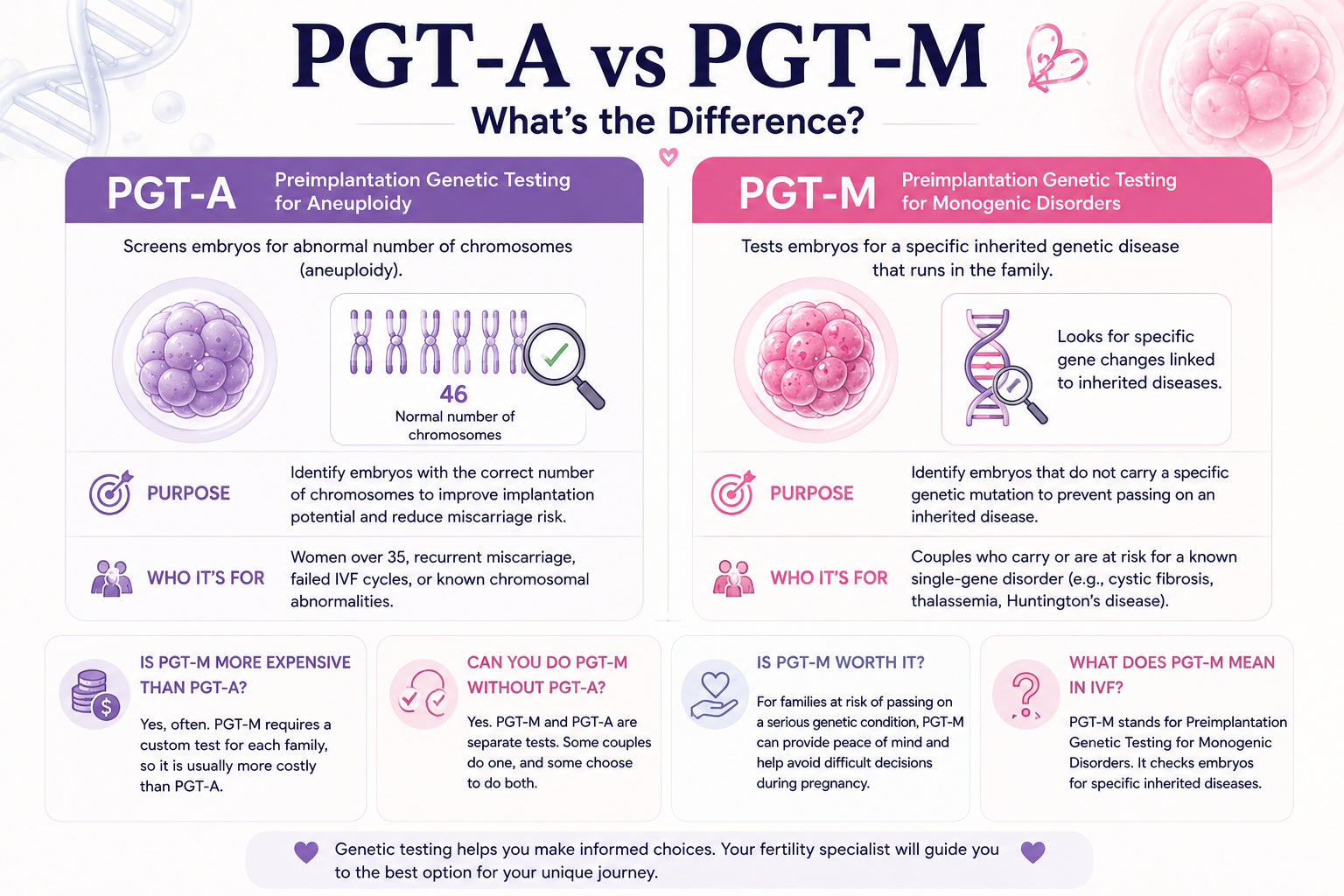
The Essential Guide to Fasting During Ramadan and Pregnancy: What Every Expecting Mother Should Know

Ramadan is a deeply meaningful time for millions of Muslims around the world. It is a month of spiritual reflection, prayer, and fasting from sunrise to sunset. However, for women who are pregnant, an important question often arises: Can fasting during Ramadan and pregnancy safely go hand in hand?

The answer is not always simple. While some pregnant women may be able to fast safely under certain conditions, medical professionals generally recommend careful evaluation before making this decision. Every pregnancy is unique, and fasting may affect women and babies differently depending on several factors such as health status, stage of pregnancy, and overall nutrition.

Understanding the potential effects of fasting during pregnancy can help expectant mothers make informed choices during Ramadan.


Religious Considerations During Pregnancy

In Islam, the health of the mother and the baby is considered extremely important. Islamic teachings provide flexibility for those who may face health challenges during fasting.

Pregnant women are among those who may be exempt from fasting if it could cause harm or difficulty. Instead, many scholars advise making up the missed fasts later or providing charitable compensation (fidya), depending on individual circumstances.

This religious flexibility allows women to prioritize their health and the health of their unborn child.


How Fasting Affects the Body During Pregnancy

During pregnancy, a woman’s body undergoes major physiological changes. Energy demands increase as the body supports the growth and development of the baby.

When fasting for long hours without food or water, several changes may occur:

  • Blood sugar levels may drop

  • Dehydration risk may increase

  • Fatigue may become more pronounced

  • Nutrient intake may become limited

While healthy adults often adapt well to fasting, pregnancy places additional nutritional demands on the body that can make fasting more challenging.


The Stage of Pregnancy Matters

The effects of fasting can vary depending on the trimester.

First Trimester

During early pregnancy, women often experience nausea, vomiting, and fatigue. Fasting during this period may worsen symptoms and make it difficult to maintain adequate nutrition.

Second Trimester

Some women feel physically stronger during the second trimester, which may make fasting more manageable for certain individuals. However, hydration and balanced meals remain essential.

Third Trimester

In later pregnancy, energy needs increase significantly as the baby grows rapidly. Dehydration and reduced calorie intake may affect maternal energy levels and fetal development.

Because each stage presents different physiological demands, doctors often recommend individualized medical advice.


Potential Risks to Be Aware Of

Although many pregnancies progress normally during Ramadan, certain risks should be considered when fasting.

Possible concerns include:

  • Dehydration, particularly in warm climates or long fasting hours

  • Low blood sugar levels, which may cause dizziness or weakness

  • Reduced fetal growth if nutrition becomes insufficient

  • Increased fatigue or difficulty maintaining daily activities

Women with high-risk pregnancies, gestational diabetes, anemia, or previous pregnancy complications are generally advised not to fast.


Signs That Fasting May Not Be Safe

If a pregnant woman chooses to fast, it is important to monitor how the body responds.

Fasting should be stopped immediately if the following symptoms occur:

  • Severe dizziness or fainting

  • Persistent headaches

  • Reduced fetal movement

  • Strong dehydration symptoms

  • Unusual abdominal pain

These signs may indicate that the body needs nourishment and hydration.


Tips for Pregnant Women Who Choose to Fast

For women who decide to fast after consulting with their doctor, several precautions may help support a healthier experience.

Prioritize Hydration

Drink plenty of fluids between iftar (breaking the fast) and suhoor (pre-dawn meal) to prevent dehydration.

Eat Nutrient-Dense Foods

Balanced meals should include:

  • Lean proteins

  • Whole grains

  • Healthy fats

  • Fruits and vegetables

Avoid Sugary Foods

Foods high in sugar can cause rapid blood sugar spikes followed by energy crashes.

Rest When Possible

Pregnancy already requires extra energy, so adequate rest during the day is important.


Consulting a Doctor Is Crucial

Before fasting during Ramadan, pregnant women should speak with their healthcare provider. A doctor can assess important factors such as:

  • Maternal weight and nutrition

  • Blood pressure

  • Blood sugar levels

  • Pregnancy progress

  • Any underlying medical conditions

This professional guidance helps determine whether fasting is safe for the individual pregnancy.


Final Thoughts

Ramadan is a spiritually powerful time, but pregnancy introduces additional physical considerations. While some women may be able to fast safely under medical supervision, others may find that fasting places unnecessary strain on their bodies.

Islam allows flexibility in situations where health may be affected, emphasizing compassion and well-being.

Ultimately, the most important priority during pregnancy is the health of both mother and baby. By consulting healthcare professionals and listening carefully to their bodies, expectant mothers can make the best decision for their personal situation during this special month.

For any of your fertility problems, please do not hesitate to contact us. At Fertility Solutions we pride ourselves with the excellent tailored personal care we provide to our patients for their specific needs. A team member will contact you as soon as we get your message, and construct a personal treatment plan for your fertility problems in the country of Cyprus. You can also contact our clinics directly through the links below.

Get in Touch with Our Clinics:

Cyprus Crown IVF Contact: https://en.cypruscrownivf.com/contact

Cyprus American IVF Contact: https://www.cyprusamericanivf.com/contact-us/

Dr. Halil Ibrahim Tekin  (Dr. HIT) Youtube: https://www.youtube.com/@dr.halilibrahimtekin1715

Cyprus American IVF Youtube: https://www.youtube.com/@AmerikanTupBebekMerkezi

Clavis Fertility Centre: https://www.clavisfertilitycenter.com
General

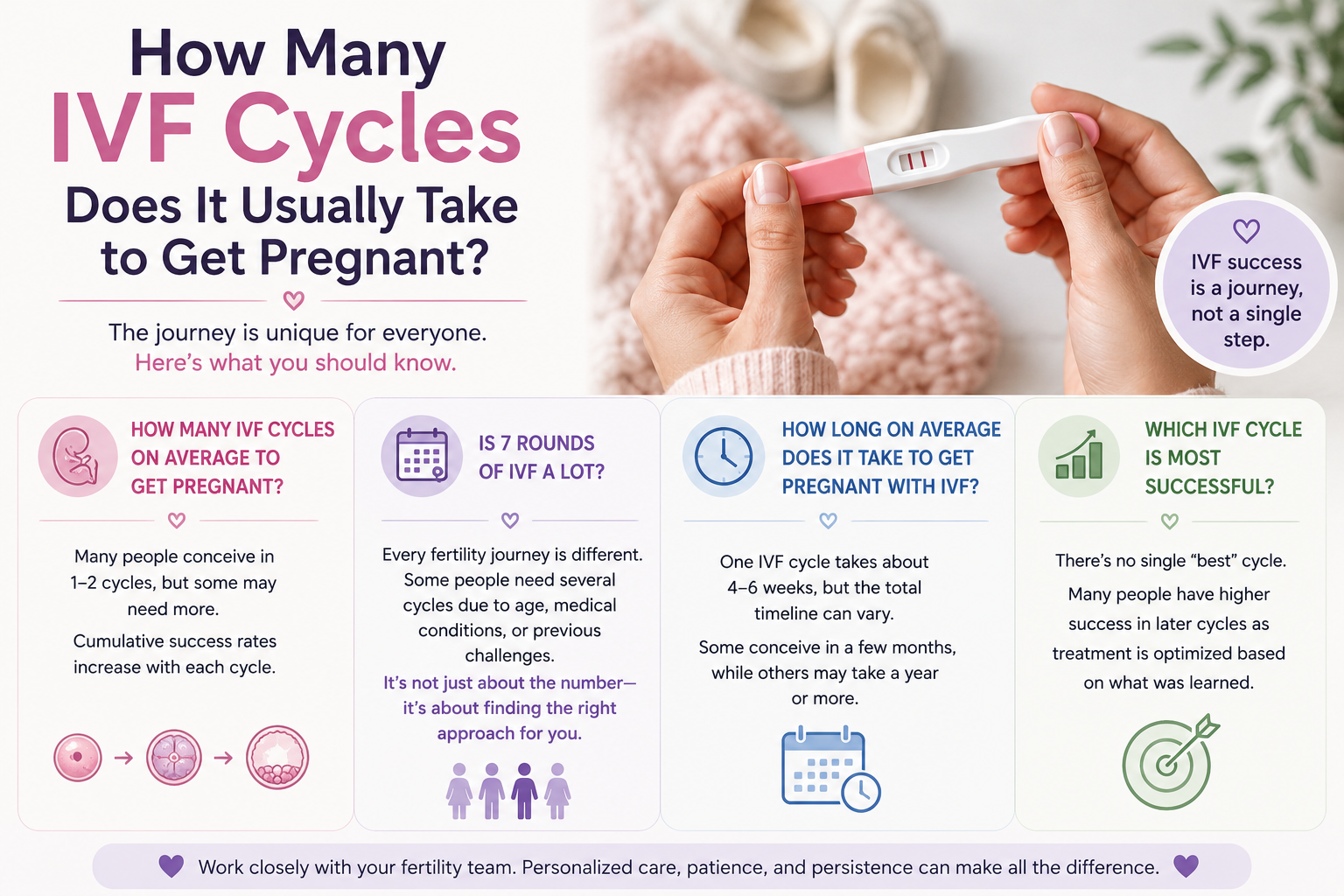
Air Travel to Cyprus During Global Tensions: What Patients Need to Know About Safety and Air Travel

A lot of people may have the misconception that air travel seized operating to Cyprus. In recent weeks, global headlines have been dominated by escalating tensions between the United States and Iran. The situation has understandably created anxiety for travelers around the world, especially for patients planning medical travel for treatments such as IVF.

For many international patients planning to visit Cyprus, one of the first questions that arises is simple but important: Is it safe to travel to Cyprus right now?

Despite the uncertainty caused by global events, Cyprus remains a stable destination in the Mediterranean. While regional tensions have led to increased security awareness and some travel advisories, the island itself continues to operate normally, and civilian life remains calm.

Most importantly for travelers and medical patients, there is no active bombing of civilian areas in Cyprus as of today, and both tourism and medical travel continue to function.


Understanding the Regional Situation

The conflict involving the United States and Iran has primarily affected areas of the Middle East. Because Cyprus is geographically close to this region, news about the conflict has naturally raised concerns about potential spillover effects.

Recently, a drone struck a British military base at RAF Akrotiri on the island, but the target was a military installation rather than civilian areas, and no casualties were reported.

Authorities in Cyprus have emphasized that the island itself is not directly involved in the conflict, and everyday life continues normally across both North and South Cyprus.

European leaders and defense partners have also reinforced security around the island as a precautionary measure.


Air Travel to Cyprus Is Still Operating

One of the biggest concerns for international patients is whether flights are still operating.

Fortunately, air travel to Cyprus remains open and functional.

Airlines continue to operate flights into the island’s two main gateways:

Larnaca International Airport (South Cyprus)
Ercan Airport (North Cyprus)

Travelers from Europe, North America, and other regions can still reach Cyprus through common transit hubs such as:

  • Istanbul

  • Athens

  • Vienna

  • Frankfurt

  • London

While some Middle Eastern air routes may occasionally change due to airspace precautions, most flights from Europe and Türkiye continue to operate normally.

Patients traveling through Istanbul to Ercan Airport or through European cities to Larnaca Airport are still able to reach the island without major disruptions.


Travel Advisories and What They Mean

Several governments have issued precautionary travel advisories related to regional tensions.

For example, the United States has raised its travel advisory level for Cyprus to encourage travelers to stay informed and exercise caution.

However, these advisories do not mean that travel is banned or unsafe. In fact, travel warnings often serve as guidance to remain aware of changing geopolitical conditions rather than indicating immediate danger.

Similarly, the United Kingdom has stated that Cyprus remains generally safe to visit, though travelers should stay updated on regional developments.

As of now, tourism and international travel to Cyprus are still continuing.


Daily Life in Cyprus

For visitors arriving on the island, the reality on the ground remains very different from the dramatic headlines often seen in international media.

Restaurants, hotels, beaches, and city centers remain open. Public transportation, airports, and tourist areas continue to operate normally.

Residents and visitors are going about their daily lives, and the island continues to welcome international travelers.

In fact, millions of tourists visit Cyprus every year due to its reputation as one of the Mediterranean’s safest and most relaxed destinations.


What Patients Traveling for Treatment Should Expect

Patients traveling for fertility treatment or medical care should know that healthcare services on the island remain fully operational.

Medical appointments, procedures, and consultations continue to take place as scheduled.

For many international patients, Cyprus remains attractive because it offers:

  • Modern medical facilities

  • Experienced fertility specialists

  • Short travel times from Europe and the Middle East

  • A calm Mediterranean environment for recovery

Many patients also combine treatment with a short stay on the island to relax before returning home.


Practical Travel Tips

The air travel remains to be the most efficient way of reaching Cyprus. For travelers planning a trip to Cyprus in the coming weeks, a few simple precautions can help ensure a smooth journey.

Stay informed about air travel updates.
Air routes may occasionally adjust depending on regional airspace conditions.

Allow flexible travel time.
Booking flights with reasonable connection times can help avoid stress.

Follow official government advice.
Travel advisories provide useful guidance for staying informed during global events.

Keep emergency contact information available.
This is a good practice for any international travel.


Cyprus Remains Calm and Safe for Visitors

While the world is currently experiencing a period of geopolitical tension, it is important to distinguish between areas directly affected by conflict and countries that remain stable.

Cyprus continues to be a peaceful Mediterranean destination with functioning airports, open tourism infrastructure, and a strong focus on safety.

As of today, there are no attacks on civilian areas and no active bombing affecting daily life in Cyprus. Air travel remains the safest option for travelling to the island.

For patients planning fertility treatment or other medical visits, the island remains accessible, welcoming, and calm.

For any of your fertility problems, please do not hesitate to contact us. At Fertility Solutions we pride ourselves with the excellent tailored personal care we provide to our patients for their specific needs. A team member will contact you as soon as we get your message, and construct a personal treatment plan for your fertility problems in the country of Cyprus. You can also contact our clinics directly through the links below.

Get in Touch with Our Clinics:

Cyprus Crown IVF Contact: https://en.cypruscrownivf.com/contact

Cyprus American IVF Contact: https://www.cyprusamericanivf.com/contact-us/

Dr. Halil Ibrahim Tekin  (Dr. HIT) Youtube: https://www.youtube.com/@dr.halilibrahimtekin1715

Cyprus American IVF Youtube: https://www.youtube.com/@AmerikanTupBebekMerkezi

Clavis Fertility Centre: https://www.clavisfertilitycenter.com
General

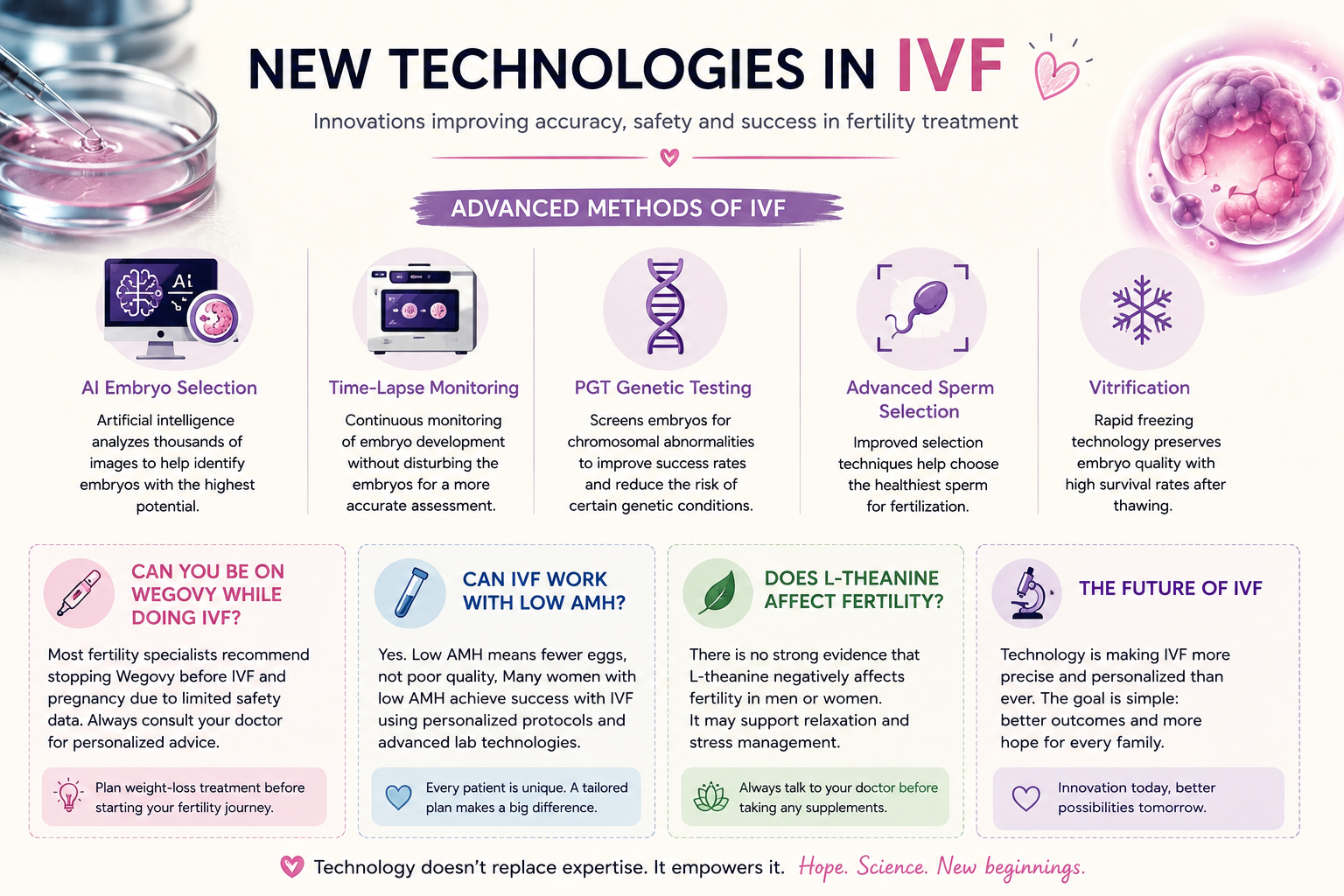
The Powerful Role of PGT/PGD in IVF After 40: Protecting Embryo Health and Pregnancy Success

As couples increasingly choose to start families later in life, fertility medicine has adapted with advanced technologies designed to improve pregnancy outcomes. While in vitro fertilization (IVF) has made parenthood possible for many individuals over the age of 40, age-related genetic changes in eggs and sperm can still present challenges.

One of the most important tools available to address these challenges is preimplantation genetic testing, commonly referred to as PGT (previously called PGD). This technology allows fertility specialists to examine embryos for chromosomal abnormalities before they are transferred to the uterus.

For couples where both partners are over 40, genetic screening can play a crucial role in improving the chances of a healthy pregnancy.


Why Age Matters in Fertility

Age is one of the most significant factors influencing fertility and pregnancy outcomes.

In women, egg quality naturally declines over time. Although women are born with all the eggs they will ever have, the genetic integrity of those eggs gradually changes as the years pass.

After the age of 40, the likelihood of chromosomal abnormalities in eggs increases significantly. This can lead to:

  • Failed embryo implantation

  • Early miscarriage

  • Genetic conditions in the fetus

  • Repeated IVF cycle failures

While IVF can assist fertilization, it cannot automatically correct genetic errors within the egg.


Male Age Also Plays a Role

Although the effects of maternal age are widely discussed, paternal age also contributes to embryo health.

Men over the age of 40 may experience increased rates of DNA fragmentation in sperm, which can influence embryo development and pregnancy outcomes. Studies have shown that higher paternal age may increase the risk of certain genetic mutations and developmental disorders.

When both partners are over 40, the combined genetic risk factors may make embryo screening particularly valuable.


What Is PGT / PGD Testing?

Preimplantation genetic testing is a laboratory technique used during IVF to analyze embryos before transfer.

After fertilization, embryos are cultured in the laboratory for several days until they reach the blastocyst stage. At this stage, embryologists carefully remove a small number of cells from the embryo’s outer layer.

These cells are then analyzed using advanced genetic testing technologies to examine the embryo’s chromosomes.

The most commonly performed test is PGT-A, which screens embryos for chromosomal abnormalities known as aneuploidies.

A healthy embryo should contain 46 chromosomes arranged in 23 pairs. When embryos have extra or missing chromosomes, they may fail to implant or lead to miscarriage.


How PGT Improves IVF Success After 40

For patients over 40, PGT offers several important advantages.

1. Identifying Chromosomally Normal Embryos

PGT allows embryologists to identify embryos that have the correct number of chromosomes. These embryos have a higher probability of implantation and developing into a healthy pregnancy.

Without genetic testing, embryo selection relies mostly on appearance under a microscope, which cannot detect chromosomal abnormalities.


2. Reducing Miscarriage Risk

One of the most common causes of miscarriage is chromosomal abnormalities in the embryo. Because these abnormalities become more frequent with age, miscarriage rates increase significantly after 40.

By transferring embryos that are chromosomally normal, PGT can help reduce the risk of pregnancy loss.


3. Avoiding Repeated IVF Failures

Repeated IVF failures can occur when embryos consistently carry genetic abnormalities. PGT helps identify the embryos with the greatest reproductive potential, reducing the likelihood of unsuccessful transfers.

For many couples, this means fewer IVF cycles and a shorter path toward pregnancy.


4. Improving Pregnancy Planning

PGT also provides valuable information for fertility specialists when planning treatment. Knowing which embryos are genetically normal allows doctors to prioritize those embryos for transfer, improving efficiency and reducing uncertainty during the IVF journey.


Is PGT Recommended for Everyone?

Although PGT can be beneficial for many patients, it is particularly recommended in specific situations:

  • Women over the age of 38–40

  • Couples with repeated IVF failures

  • Recurrent miscarriages

  • Known genetic disorders in the family

  • Structural chromosomal abnormalities in parents

For couples over 40, PGT is often considered a useful strategy to maximize the chances of success with each embryo transfer.


The Future of Personalized IVF Treatment

Modern fertility medicine is moving toward personalized reproductive care, where treatments are tailored to each patient’s unique biology.

Genetic testing technologies like PGT allow doctors to better understand embryo viability and make more informed decisions during IVF treatment.

Rather than relying solely on chance, couples now have access to scientific tools that help identify embryos with the highest potential for a healthy pregnancy.


Final Thoughts

While age can present additional challenges in fertility treatment, advances in reproductive technology continue to expand the possibilities for parenthood.

For couples where both partners are over 40, PGT genetic testing offers a powerful way to improve IVF outcomes by identifying chromosomally healthy embryos and reducing the risk of miscarriage.

By combining IVF with advanced genetic screening, fertility specialists can help patients move forward with greater confidence, clarity, and hope on their path toward building a family.

For any of your fertility problems, please do not hesitate to contact us. At Fertility Solutions we pride ourselves with the excellent tailored personal care we provide to our patients for their specific needs. A team member will contact you as soon as we get your message, and construct a personal treatment plan for your fertility problems in the country of Cyprus. You can also contact our clinics directly through the links below.

Get in Touch with Our Clinics:

Cyprus Crown IVF Contact: https://en.cypruscrownivf.com/contact

Cyprus American IVF Contact: https://www.cyprusamericanivf.com/contact-us/

Dr. Halil Ibrahim Tekin  (Dr. HIT) Youtube: https://www.youtube.com/@dr.halilibrahimtekin1715

Cyprus American IVF Youtube: https://www.youtube.com/@AmerikanTupBebekMerkezi

Clavis Fertility Centre: https://www.clavisfertilitycenter.com
General

The Gold Standard in Fertility Care: How Our Clinics Follow International IVF Guidelines

In this article, we will mention why we take ASRM, and ESHRE fertility care guidelines for our clinics to create a better environment for our patients.

When patients travel abroad for fertility treatment, one of the most important questions they ask is whether the clinic follows internationally recognized medical standards. In reproductive medicine, adherence to established clinical guidelines ensures patient safety, ethical treatment practices, and optimal outcomes.

At Cyprus Crown IVF, Cyprus American IVF, and Clavis Fertility Centre Nicosia, medical protocols are guided by the internationally respected recommendations of the American Society for Reproductive Medicine and the European Society of Human Reproduction and Embryology. These organizations are considered global authorities in fertility care, providing evidence-based guidelines that help clinics maintain the highest standards in assisted reproductive technologies.

By aligning our treatment practices with these internationally recognized recommendations, our clinics ensure that patients receive care that reflects the latest scientific advancements and ethical principles in reproductive medicine.


What Are ASRM and ESHRE Guidelines?

The ASRM and ESHRE are leading professional organizations that develop clinical guidelines based on extensive research, medical data, and global expertise in reproductive health.

These guidelines cover nearly every aspect of fertility treatment, including:

  • Patient evaluation and diagnostic testing

  • Laboratory standards for embryo culture

  • Safe ovarian stimulation protocols

  • Ethical considerations in assisted reproduction

  • Genetic testing recommendations

  • Embryo transfer practices

  • Cryopreservation techniques

Because reproductive medicine evolves rapidly, these organizations regularly update their guidelines to reflect new scientific discoveries and technological improvements.

For patients, this means that clinics following these standards are committed to providing evidence-based medicine rather than experimental or outdated practices.


Patient Safety Comes First

One of the most important aspects of ASRM and ESHRE guidance is patient safety.

At our partner clinics, protocols are designed to minimize potential risks associated with IVF treatment. This includes careful monitoring of ovarian stimulation to reduce the likelihood of ovarian hyperstimulation syndrome (OHSS), individualized medication protocols based on each patient’s hormonal profile, and comprehensive pre-treatment screening.

Every IVF journey begins with detailed diagnostic evaluation, which may include hormone testing, ultrasound examinations, and reproductive health assessments. These steps ensure that treatment plans are tailored to the individual needs of each patient rather than applying a one-size-fits-all approach.

Following internationally recognized safety standards allows physicians to balance treatment effectiveness with patient well-being.


Advanced Laboratory Standards

Embryology laboratories are at the heart of IVF success. ASRM and ESHRE guidelines emphasize strict laboratory protocols to protect embryo development and maintain optimal culture conditions.

At Cyprus Crown IVF, Cyprus American IVF, and Clavis Fertility Centre Nicosia, laboratory procedures are carefully structured to maintain the highest standards of embryo care.

Key practices include:

  • Controlled air quality and filtration systems

  • Stable temperature and humidity levels

  • Carefully monitored embryo culture media

  • Strict laboratory access protocols

These measures help create an environment that supports healthy embryo development while minimizing contamination or environmental stress.


Ethical and Transparent Fertility Care

Another important component of international IVF guidelines is ethical responsibility. Both ASRM and ESHRE emphasize transparency, informed consent, and responsible treatment recommendations.

This means patients should receive clear explanations about:

  • Available treatment options

  • Success probabilities

  • Possible risks

  • Alternative approaches when appropriate

At our clinics, patients are guided through every step of the process by experienced fertility specialists and international patient coordinators. The goal is to ensure that individuals and couples fully understand their treatment journey and feel confident in the decisions they make.


Evidence-Based Treatment Approaches

Reproductive medicine is constantly evolving as new technologies and treatment methods emerge. However, not every innovation is immediately proven effective.

ASRM and ESHRE guidelines help distinguish between treatments that are scientifically validated and those that still require further research.

Our clinics integrate modern reproductive technologies such as advanced embryo monitoring, genetic testing, and personalized stimulation protocols only when supported by scientific evidence. This approach ensures that patients benefit from innovation without compromising safety or ethical standards.


Why International Standards Matter for Patients

Patients traveling internationally for fertility treatment often seek both expertise and reassurance. Knowing that a clinic follows globally respected guidelines provides confidence that medical decisions are grounded in science rather than convenience.

Adherence to ASRM and ESHRE standards demonstrates a commitment to:

  • Patient-centered care

  • Scientific integrity

  • Ethical responsibility

  • Continuous improvement in medical practice

These principles help ensure that patients receive treatment that aligns with the same professional expectations found in leading fertility centers around the world.


Final Thoughts

Choosing a fertility clinic is one of the most important decisions in the IVF journey. Beyond technology and facilities, the guiding principles behind medical care are what truly define quality treatment.

At Cyprus Crown IVF, Cyprus American IVF, and Clavis Fertility Centre Nicosia, following ASRM and ESHRE guidelines reflects a commitment to providing responsible, ethical, and scientifically grounded fertility care.

By aligning our clinical practices with internationally recognized standards, we aim to offer patients not only advanced reproductive treatments but also the confidence that their care is guided by the highest level of medical expertise.

For any of your fertility problems, please do not hesitate to contact us. At Fertility Solutions we pride ourselves with the excellent tailored personal care we provide to our patients for their specific needs. A team member will contact you as soon as we get your message, and construct a personal treatment plan for your fertility problems in the country of Cyprus. You can also contact our clinics directly through the links below.

Get in Touch with Our Clinics:

Cyprus Crown IVF Contact: https://en.cypruscrownivf.com/contact

Cyprus American IVF Contact: https://www.cyprusamericanivf.com/contact-us/

Dr. Halil Ibrahim Tekin  (Dr. HIT) Youtube: https://www.youtube.com/@dr.halilibrahimtekin1715

Cyprus American IVF Youtube: https://www.youtube.com/@AmerikanTupBebekMerkezi

Clavis Fertility Centre: https://www.clavisfertilitycenter.com
General

The Crucial First 48 Hours After Embryo Transfer: Your Complete Guide to Maximizing Implantation Success

The embryo transfer is often described as the most emotional moment of the IVF journey. After weeks of medication, monitoring, and anticipation, the embryo is finally placed inside the uterus — and a new phase begins: waiting.

The first 48 hours after embryo transfer are particularly important, not because patients must remain completely inactive, but because this period marks the beginning of the implantation process. Understanding what happens inside your body and how to care for yourself during this time can help reduce anxiety and support optimal conditions for implantation.


What Happens Inside the Body After Embryo Transfer?

Once transferred, the embryo does not implant immediately.

Instead, several microscopic steps occur:

  1. The embryo floats freely inside the uterus.

  2. It begins communicating chemically with the uterine lining.

  3. The embryo attaches to the endometrium.

  4. Implantation gradually begins over several days.

For blastocyst transfers (Day 5 embryos), implantation may start within 24–48 hours. For earlier-stage embryos, the process may take slightly longer.

Importantly, normal daily movement does not cause the embryo to “fall out.” The uterus is a closed muscular organ designed to protect implantation.


Should You Rest Completely?

One of the biggest myths in IVF is strict bed rest.

Modern research shows:

✅ Light activity is safe
❌ Prolonged bed rest is unnecessary and may even reduce circulation

Most fertility specialists recommend:

  • Resting the day of transfer

  • Returning to gentle daily activities the following day

  • Avoiding physical strain rather than avoiding movement entirely

Think calm, normal living, not immobility.


Recommended Guidelines for the First 48 Hours

1. Prioritize Gentle Movement

Short walks around your home or hotel are beneficial. Movement improves blood circulation to the uterus.

Avoid:

  • Running

  • Heavy lifting

  • Intense workouts

  • High-impact exercise


2. Continue Medications Exactly as Prescribed

Progesterone support is critical after transfer because it prepares the uterine lining for implantation.

Never stop medications early — even if symptoms change.

Common medications include:

  • Progesterone injections or suppositories

  • Estrogen support

  • Blood thinners (if prescribed)

Consistency is essential during these early hours.


3. Maintain a Warm, Relaxed Environment

While there is no strict scientific rule about temperature, many clinics advise avoiding extreme heat because elevated core body temperature may affect early implantation.

Avoid:

  • Hot baths

  • Saunas

  • Steam rooms

  • Heated yoga

Warm showers are perfectly safe.


4. Eat Light, Balanced Meals

Nutrition during this phase should focus on stability rather than special diets.

Recommended foods:

  • Lean proteins

  • Vegetables

  • Healthy fats

  • Whole grains

Stay well hydrated and avoid excessive caffeine (limit to one small coffee daily unless advised otherwise).

Alcohol and smoking should be avoided entirely.


5. Manage Stress — But Don’t Fear Normal Emotions

Patients often worry that stress alone can cause implantation failure. Everyday emotional fluctuations do not prevent pregnancy.

Helpful strategies include:

  • Watching relaxing shows

  • Listening to music

  • Meditation or breathing exercises

  • Gentle social interaction

The goal is emotional comfort, not forced positivity.


Symptoms During the First 48 Hours: What Is Normal?

Many patients search for early signs of implantation, but symptoms during this period are usually caused by medications rather than pregnancy itself.

You may experience:

  • Mild cramping

  • Bloating

  • Breast tenderness

  • Fatigue

  • Increased vaginal discharge

These are normal progesterone effects and do not confirm success or failure.

True implantation symptoms often appear later — if at all.


What You Should Avoid

During the first two days after transfer, avoid activities that increase abdominal pressure or inflammation:

  • Heavy exercise

  • Sexual intercourse (usually paused for several days)

  • Smoking or alcohol

  • New medications without doctor approval

Air travel is generally safe, but always follow your clinic’s individual guidance.


The Emotional Reality of the Waiting Period

The days following embryo transfer can feel longer than any other part of IVF. Many patients analyze every sensation or symptom.

It is important to remember:

  • Implantation is largely a biological process beyond conscious control.

  • Following medical guidance is enough.

  • Over-monitoring symptoms increases stress without improving outcomes.

Your role during these 48 hours is simply to create a calm, supportive environment for your body.


Final Thoughts

The first 48 hours after embryo transfer represent the quiet beginning of a potential pregnancy — a time when important biological communication is taking place between embryo and uterus.

Rather than strict restrictions, modern IVF care emphasizes balance: gentle activity, medication adherence, emotional comfort, and avoiding extremes.

Once the embryo is transferred, much of the process shifts from medical intervention to natural biology. Trust your preparation, follow your clinic’s instructions, and allow your body the space it needs during this delicate phase.

Because sometimes the most powerful step after IVF is not doing more — but allowing nature to begin its work.

For any of your fertility problems, please do not hesitate to contact us. At Fertility Solutions we pride ourselves with the excellent tailored personal care we provide to our patients for their specific needs. A team member will contact you as soon as we get your message, and construct a personal treatment plan for your fertility problems in the country of Cyprus. You can also contact our clinics directly through the links below.

Get in Touch with Our Clinics:

Cyprus Crown IVF Contact: https://en.cypruscrownivf.com/contact

Cyprus American IVF Contact: https://www.cyprusamericanivf.com/contact-us/

Dr. Halil Ibrahim Tekin  (Dr. HIT) Youtube: https://www.youtube.com/@dr.halilibrahimtekin1715

Cyprus American IVF Youtube: https://www.youtube.com/@AmerikanTupBebekMerkezi

Clavis Fertility Centre: https://www.clavisfertilitycenter.com


Notice: ob_end_flush(): Failed to send buffer of zlib output compression (0) in /home/fertilitysol/public_html/wp-includes/functions.php on line 5481