General

How to Know If It’s Time for Egg Donation: A Doctor’s Honest Guide to Moving Forward

One of the most difficult decisions in fertility treatment is knowing when to move from IVF with your own eggs to egg donation.

For many patients, this is not just a medical decision — it’s deeply emotional.

The desire to have a child with your own genetic material is completely natural. But in some cases, continuing the same approach may delay the outcome you are ultimately hoping for: a healthy pregnancy.

So how do you know when it may be time to consider egg donation?


Understanding the Goal of IVF

Before discussing egg donation, it’s important to clarify something:

👉 The goal of IVF is not just to create embryos
👉 The goal is to achieve a healthy pregnancy and baby

If repeated attempts are not leading to this outcome, the strategy may need to change.


Sign 1: Very Low Ovarian Reserve

One of the most important indicators is ovarian reserve, often measured by AMH levels.

If AMH is:

  • Very low (especially below 1.0)
  • Or egg retrieval consistently results in very few eggs

The chances of success with own eggs become significantly reduced.

While pregnancy is still possible, it may require multiple cycles with uncertain outcomes.


Sign 2: Repeated IVF Failures

If you have undergone several IVF cycles without success, it’s important to ask:

👉 Are we repeating the same approach expecting a different result?

Repeated failure may indicate:

  • Poor egg quality
  • Embryos not developing properly
  • Genetic abnormalities

At this stage, egg donation may offer a much higher success rate.


Sign 3: Poor Embryo Development

Sometimes eggs are retrieved, but embryos:

  • Do not reach the blastocyst stage
  • Stop developing early
  • Are consistently low quality

This often points to underlying egg quality issues.


Sign 4: Age-Related Factors

Age plays a critical role in fertility.

As women age:

  • Egg quality declines
  • Chromosomal abnormalities increase

For patients over 40, IVF success with own eggs becomes more challenging.

Egg donation, using younger donor eggs, can significantly improve success rates.


Sign 5: Multiple Miscarriages

Recurrent pregnancy loss can sometimes be linked to egg quality and chromosomal abnormalities.

If miscarriages occur repeatedly despite IVF, egg donation may be considered as a more reliable option.


The Emotional Side of the Decision

Choosing egg donation is not easy.

Patients may feel:

  • Loss of genetic connection
  • Fear of the unknown
  • Concern about bonding with the child

These feelings are completely valid.

However, many patients report that once pregnancy begins, the emotional connection becomes natural and strong.


Understanding the Biological Connection

A common misconception is that the mother carrying the pregnancy has no biological influence on the baby.

This is not entirely true.

Through epigenetics, the gestational mother:

  • Provides the environment for development
  • Influences gene expression
  • Plays an active biological role during pregnancy

This means the connection is not only emotional — it is also biological.


Success Rates with Egg Donation

Egg donation is one of the most successful treatments in reproductive medicine.

Why?

Because it uses:

  • Younger, healthy eggs
  • Better genetic potential
  • Higher-quality embryos

This often leads to:

  • Higher implantation rates
  • Lower miscarriage rates
  • Increased chance of a successful pregnancy

When Continuing May Delay Success

One of the hardest realities to accept is that continuing IVF with very low chances may:

  • Delay the path to pregnancy
  • Increase emotional stress
  • Add financial burden

In some cases, moving to egg donation earlier can shorten the journey significantly.


A Personalized Decision

There is no single “right time” for egg donation.

Every patient’s situation is unique.

The best approach is to:

  • Review your full IVF history
  • Understand your medical indicators
  • Have an honest discussion with your doctor

A good fertility specialist will guide you — not push you.


Final Thoughts

Egg donation is not about giving up.

It is about changing direction toward a higher chance of success.

The goal is not just to try — it is to succeed.

And sometimes, the strongest decision is not continuing the same path, but choosing the one that brings you closer to your goal.

Because at the end of the journey, what matters most is not how you got there — but the family you build.

For any of your fertility problems, please do not hesitate to contact us. At Fertility Solutions we pride ourselves with the excellent tailored personal care we provide to our patients for their specific needs. A team member will contact you as soon as we get your message, and construct a personal treatment plan for your fertility problems in the country of Cyprus. You can also contact our clinics directly through the links below.

Get in Touch with Our Clinics:

Cyprus Crown IVF Contact: https://en.cypruscrownivf.com/contact

Cyprus American IVF Contact: https://www.cyprusamericanivf.com/contact-us/

Dr. Halil Ibrahim Tekin  (Dr. HIT) Youtube: https://www.youtube.com/@dr.halilibrahimtekin1715

Cyprus American IVF Youtube: https://www.youtube.com/@AmerikanTupBebekMerkezi

Clavis Fertility Centre: https://www.clavisfertilitycenter.com
General

The Truth About IVF Medications: The Essential Side Effects Patients Should Know

IVF treatment has helped millions of couples achieve pregnancy, but one part of the process that often raises concern is the use of medications.

Patients frequently ask:

“Are IVF medications safe?”
“What side effects should I expect?”

The truth is that IVF medications are generally safe and carefully controlled—but like any medical treatment, they can come with side effects.

Understanding what is normal—and what is not—can help patients feel more prepared and less anxious during treatment.


Why Are IVF Medications Needed?

In a natural cycle, the body usually produces one egg per month.

IVF medications are used to:

  • Stimulate the ovaries to produce multiple eggs
  • Control ovulation timing
  • Prepare the uterine lining for embryo transfer

These medications are typically hormonal and include:

  • Follicle-stimulating hormone (FSH)
  • Luteinizing hormone (LH)
  • GnRH agonists or antagonists
  • Progesterone

Each plays a specific role in the IVF process.


Common Side Effects of IVF Medications

Most side effects are mild and temporary, and they vary from person to person.

1. Bloating and Abdominal Discomfort

As the ovaries respond to stimulation, they grow larger than usual.

This can lead to:

  • A feeling of fullness
  • Mild pelvic discomfort
  • Temporary bloating

This is one of the most common and expected effects.


2. Mood Changes

Hormonal fluctuations can affect emotions.

Patients may experience:

  • Mood swings
  • Irritability
  • Increased sensitivity

These changes are usually temporary and resolve after treatment.


3. Headaches and Fatigue

Some patients report:

  • Mild headaches
  • Feeling more tired than usual

These symptoms are typically short-lived.


4. Injection Site Reactions

Since many IVF medications are given by injection, patients may notice:

  • Redness
  • Mild swelling
  • Bruising

Rotating injection sites can help reduce discomfort.


5. Breast Tenderness

Hormonal changes can cause:

  • Breast sensitivity
  • Mild discomfort

This is similar to symptoms experienced during a natural menstrual cycle.


Less Common but Important Side Effects

While most side effects are mild, there are some conditions patients should be aware of.


Ovarian Hyperstimulation Syndrome (OHSS)

OHSS is a potential complication where the ovaries respond too strongly to stimulation.

Symptoms may include:

  • Severe bloating
  • Rapid weight gain
  • Nausea
  • Shortness of breath (in rare cases)

Modern IVF protocols are designed to minimize this risk, and doctors closely monitor patients throughout treatment.


Are IVF Medications Safe?

IVF medications have been used for decades and are considered safe when prescribed and monitored by experienced specialists.

Clinics carefully adjust:

  • Dosage
  • Medication type
  • Timing

based on each patient’s individual response.

This personalized approach helps reduce risks and improve outcomes.


Do IVF Medications Affect Long-Term Health?

Many patients worry about long-term effects.

Current research shows:

  • No strong evidence linking IVF medications to long-term health problems
  • No proven increase in cancer risk when used appropriately

However, as with any medical treatment, ongoing research continues.


How to Manage Side Effects

There are simple ways to make the process more comfortable:

  • Stay hydrated
  • Wear loose, comfortable clothing
  • Get enough rest
  • Maintain a balanced diet
  • Follow your doctor’s instructions carefully

Most importantly, communicate openly with your medical team.


The Emotional Side of IVF Medications

Beyond physical symptoms, IVF medications can also affect emotional well-being.

It’s important to remember:

  • Mood changes are normal
  • You are not alone
  • Support from your partner or clinic team can make a difference

Being informed helps reduce fear and uncertainty.


Final Thoughts

IVF medications are an essential part of fertility treatment, helping the body produce and support the conditions needed for pregnancy.

While side effects can occur, most are mild, temporary, and manageable.

The key is understanding what to expect and working closely with an experienced medical team.

Because in IVF, preparation is not just physical—it’s about feeling informed, supported, and confident throughout your journey.


For any of your fertility problems, please do not hesitate to contact us. At Fertility Solutions we pride ourselves with the excellent tailored personal care we provide to our patients for their specific needs. A team member will contact you as soon as we get your message, and construct a personal treatment plan for your fertility problems in the country of Cyprus. You can also contact our clinics directly through the links below.

Get in Touch with Our Clinics:

Cyprus Crown IVF Contact: https://en.cypruscrownivf.com/contact

Cyprus American IVF Contact: https://www.cyprusamericanivf.com/contact-us/

Dr. Halil Ibrahim Tekin  (Dr. HIT) Youtube: https://www.youtube.com/@dr.halilibrahimtekin1715

Cyprus American IVF Youtube: https://www.youtube.com/@AmerikanTupBebekMerkezi

Clavis Fertility Centre: https://www.clavisfertilitycenter.com
General

Sperm Freezing Explained: When, Why, and How It Can Protect Your Fertility

Fertility preservation is no longer just a concern for women. Today, more men are exploring ways to protect their reproductive future—and one of the most effective options available is sperm freezing.

Also known as sperm cryopreservation, this process allows men to store sperm for future use, whether for IVF, IUI, or other fertility treatments.

But when should you consider freezing sperm, and how does the process actually work?


What Is Sperm Freezing?

Sperm freezing is the process of collecting, freezing, and storing sperm at very low temperatures for future use.

The sperm is preserved in liquid nitrogen at around -196°C, which effectively pauses all biological activity. When needed, the sample can be thawed and used in fertility treatments.

This technique has been used successfully for decades and is considered safe and reliable.


Who Should Consider Sperm Freezing?

Sperm freezing is recommended in several situations:

1. Medical Treatments

Men undergoing treatments such as chemotherapy or radiation may experience reduced fertility.

Freezing sperm beforehand helps preserve the ability to have biological children later.


2. Low or Declining Sperm Quality

If tests show reduced sperm count, motility, or quality, freezing sperm early may be a smart decision.


3. Planned IVF or Fertility Treatment

Some men freeze sperm as part of IVF planning, especially if:

  • They will not be available on the day of egg collection
  • There is concern about sperm quality
  • Backup samples are needed

4. Lifestyle or Age-Related Planning

Although men produce sperm throughout life, sperm quality can decline with age.

Freezing sperm at a younger age may preserve better genetic quality.


5. Occupational or Travel Reasons

Men who travel frequently or work in environments that may affect fertility (heat, chemicals, toxins) may consider sperm freezing as a precaution.


How Does the Process Work?

Sperm freezing is a straightforward procedure.

Step 1: Collection

The sperm sample is typically collected through ejaculation in a private room at the clinic.

In some cases, surgical sperm retrieval may be used if needed.


Step 2: Analysis

The sample is evaluated for:

  • Sperm count
  • Motility
  • Morphology

This helps determine how many usable samples can be stored.


Step 3: Freezing

The sperm is mixed with a protective solution and gradually frozen using specialized techniques.


Step 4: Storage

Samples are stored in liquid nitrogen tanks, where they can remain preserved for many years.


How Long Can Sperm Be Frozen?

One of the most common questions is:

“How long does frozen sperm last?”

The answer is reassuring:

👉 Sperm can be frozen for many years—often decades—without losing its ability to fertilize an egg.

Successful pregnancies have been achieved using sperm frozen for over 20 years.


Does Freezing Affect Sperm Quality?

Freezing and thawing can reduce the number of motile sperm, but many sperm cells survive the process.

With modern techniques such as ICSI (intracytoplasmic sperm injection), even a small number of healthy sperm can be sufficient for fertilization.

This means sperm freezing remains a highly effective option for fertility preservation.


What Are the Success Rates?

Success depends on several factors, including:

  • Sperm quality before freezing
  • Number of samples stored
  • Female partner’s fertility
  • Type of fertility treatment used

When combined with IVF or ICSI, frozen sperm can achieve strong success rates comparable to fresh samples.


Important Things to Consider

Before freezing sperm, it’s important to:

  • Discuss your fertility goals with a specialist
  • Understand storage costs and duration
  • Consider storing multiple samples if possible

Planning ahead gives you more flexibility in the future.


Final Thoughts

Sperm freezing is a simple yet powerful way to protect male fertility.

Whether due to medical reasons, lifestyle choices, or IVF planning, it offers peace of mind and future options.

Because fertility is not just about today—it’s about preserving possibilities for tomorrow.

And with sperm freezing, men now have a reliable way to take control of their reproductive future.

For any of your fertility problems, please do not hesitate to contact us. At Fertility Solutions we pride ourselves with the excellent tailored personal care we provide to our patients for their specific needs. A team member will contact you as soon as we get your message, and construct a personal treatment plan for your fertility problems in the country of Cyprus. You can also contact our clinics directly through the links below.

Get in Touch with Our Clinics:

Cyprus Crown IVF Contact: https://en.cypruscrownivf.com/contact

Cyprus American IVF Contact: https://www.cyprusamericanivf.com/contact-us/

Dr. Halil Ibrahim Tekin  (Dr. HIT) Youtube: https://www.youtube.com/@dr.halilibrahimtekin1715

Cyprus American IVF Youtube: https://www.youtube.com/@AmerikanTupBebekMerkezi

Clavis Fertility Centre: https://www.clavisfertilitycenter.com
General

Traveling for IVF: The Ultimate Guide on What to Pack and How to Prepare

Traveling abroad for IVF treatment has become increasingly common, especially for patients seeking faster access, advanced treatments, and more affordable options.

While the medical side of IVF is carefully planned, many patients overlook the importance of proper travel preparation.

Being organized can reduce stress, help you feel more in control, and allow you to focus on what truly matters — your treatment.


Step 1: Understand Your Treatment Timeline

Before packing anything, it’s important to understand your IVF schedule.

Your clinic will typically provide:

  • Medication start dates
  • Travel dates
  • Egg collection or embryo transfer timing

Some patients begin stimulation medication in their home country and travel later, while others complete the entire process abroad.

Knowing your timeline helps you pack correctly and avoid unnecessary stress.


Step 2: Essential Medical Documents

Always travel with your medical information organized and accessible.

Bring:

  • Passport and ID
  • Previous test results (AMH, blood tests, ultrasounds)
  • Doctor reports
  • Medication prescriptions
  • IVF treatment plan

It’s also helpful to keep digital copies on your phone or email.


Step 3: IVF Medications and Supplies

If you are traveling during stimulation, your medication is one of the most important things to pack.

Include:

  • Hormone injections
  • Needles and syringes
  • Alcohol swabs
  • Medication instructions

Tips:

  • Carry medications in your hand luggage
  • Bring a doctor’s letter for airport security
  • Check if any medications require cooling

Planning ahead avoids complications during travel.


Step 4: Comfortable Clothing

IVF treatment can involve bloating, sensitivity, and frequent clinic visits.

Pack:

  • Loose, comfortable clothes
  • Soft underwear
  • Comfortable walking shoes

After egg collection, you may feel some discomfort, so comfort should be a priority.


Step 5: Health and Wellness Essentials

Your body will be going through hormonal changes, so supporting your well-being is important.

Bring:

  • Prenatal vitamins
  • Supplements recommended by your doctor
  • Reusable water bottle
  • Healthy snacks

Hydration and nutrition play a key role during treatment.


Step 6: Travel Comfort Items

Travel itself can be tiring, especially if flights are long.

Consider packing:

  • Neck pillow
  • Light blanket or scarf
  • Compression socks
  • Entertainment (books, tablet, headphones)

Reducing travel stress helps you arrive more relaxed.


Step 7: Emotional Preparation

Traveling for IVF is not just physical — it’s emotional.

You may experience:

  • Anxiety
  • Excitement
  • Uncertainty

Prepare yourself by:

  • Keeping expectations realistic
  • Staying informed about your treatment
  • Maintaining open communication with your clinic

Bringing a supportive partner or companion can also make a big difference.


Step 8: Plan Your Stay

Choose accommodation that is:

  • Close to the clinic
  • Comfortable and quiet
  • Flexible with check-in and check-out

Many IVF clinics assist with:

  • Hotel bookings
  • Airport transfers
  • Local transportation

Having logistics handled in advance reduces unnecessary stress.


Step 9: Know What Happens After Treatment

Depending on your plan, you may:

  • Return home shortly after embryo transfer
  • Stay a few extra days for monitoring

Ask your clinic:

  • When it is safe to fly
  • What medications to continue
  • When to take your pregnancy test

Being clear on post-treatment steps helps you plan your return journey.


Step 10: Stay Flexible

IVF does not always follow an exact schedule.

Sometimes:

  • Medication doses change
  • Procedures are adjusted
  • Dates shift slightly

Being flexible allows you to adapt without added stress.


Final Thoughts

Traveling for IVF can feel overwhelming at first, but with the right preparation, it can be a smooth and positive experience.

The key is to stay organized, informed, and supported throughout the process.

Remember:

You are not just traveling — you are taking an important step toward building your future family.

And with proper planning, you can focus less on logistics and more on your journey ahead.

For any of your fertility problems, please do not hesitate to contact us. At Fertility Solutions we pride ourselves with the excellent tailored personal care we provide to our patients for their specific needs. A team member will contact you as soon as we get your message, and construct a personal treatment plan for your fertility problems in the country of Cyprus. You can also contact our clinics directly through the links below.

Get in Touch with Our Clinics:

Cyprus Crown IVF Contact: https://en.cypruscrownivf.com/contact

Cyprus American IVF Contact: https://www.cyprusamericanivf.com/contact-us/

Dr. Halil Ibrahim Tekin  (Dr. HIT) Youtube: https://www.youtube.com/@dr.halilibrahimtekin1715

Cyprus American IVF Youtube: https://www.youtube.com/@AmerikanTupBebekMerkezi

Clavis Fertility Centre: https://www.clavisfertilitycenter.com
General

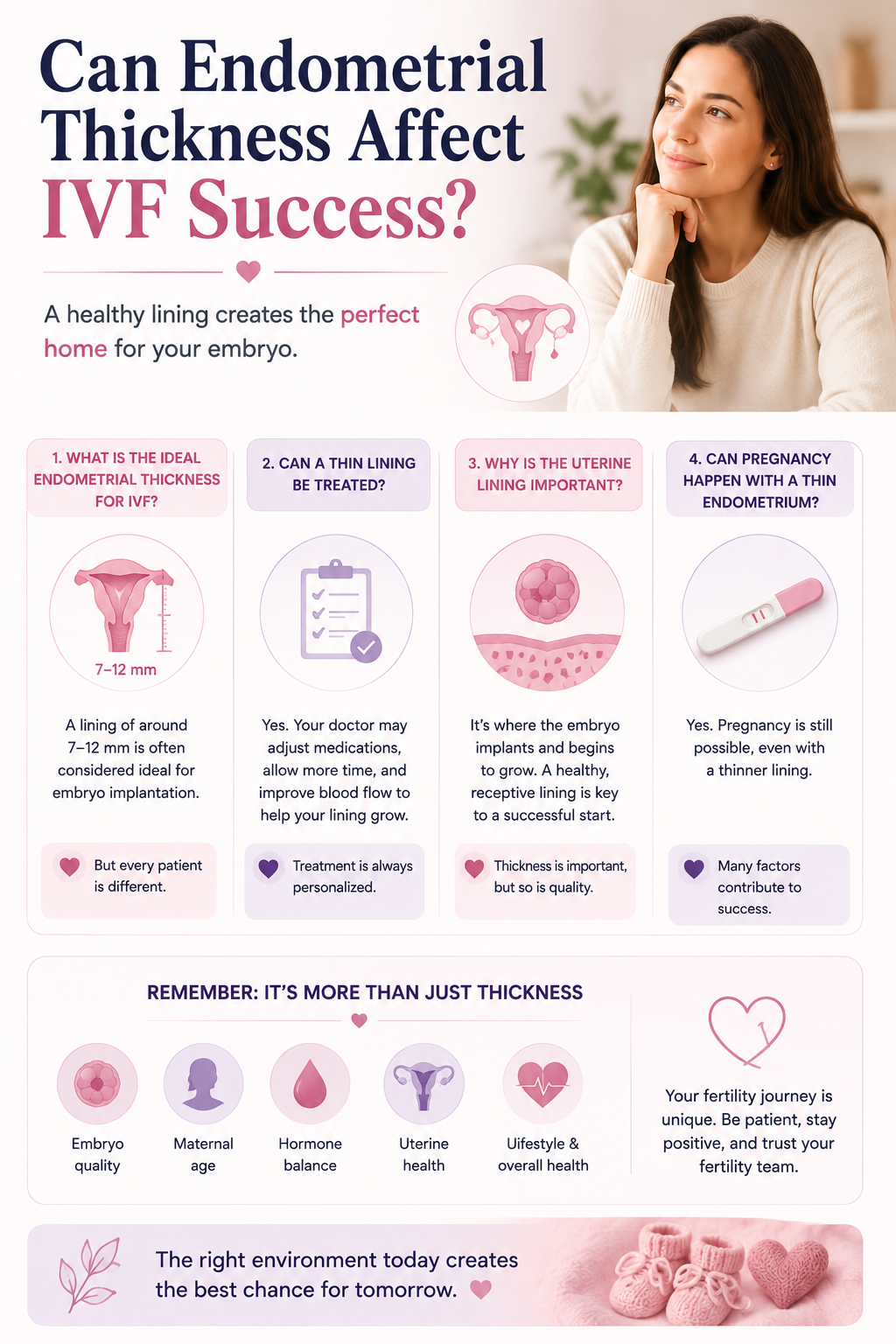
What Is Sperm DNA Fragmentation? The Hidden Male Factor That Can Affect IVF Success

When couples face fertility challenges, the focus is often placed on the female partner. However, male factors contribute to infertility in a significant number of cases—and one of the most overlooked issues is sperm DNA fragmentation.

Many men are told their sperm is “normal” based on standard tests. Yet, despite normal results, fertilization may fail, embryos may not develop properly, or pregnancies may end in miscarriage.

This is where sperm DNA fragmentation becomes important.


What Is Sperm DNA Fragmentation?

Sperm DNA fragmentation refers to damage or breaks in the genetic material carried by sperm.

Even if sperm looks normal under a microscope and has good movement (motility), its DNA may still be damaged.

This means:

  • The sperm can reach the egg
  • Fertilization may occur
  • But embryo development may be compromised

In simple terms:

👉 The outside looks normal
👉 But the genetic content inside may be damaged


Why Standard Sperm Tests May Miss It

Traditional semen analysis evaluates:

  • Sperm count
  • Motility (movement)
  • Morphology (shape)

However, these tests do not assess DNA integrity.

This is why some couples experience:

  • Repeated IVF failure
  • Poor embryo quality
  • Unexplained infertility

even when semen analysis appears normal.


Why Sperm DNA Fragmentation Matters

DNA is the blueprint for embryo development.

When sperm DNA is fragmented, it can affect:

1. Fertilization Rates

Damaged DNA may reduce the chances of successful fertilization.


2. Embryo Development

Embryos created from fragmented DNA may:

  • Stop developing early
  • Fail to reach the blastocyst stage

3. Implantation Success

Even if embryos are transferred, implantation may fail.


4. Miscarriage Risk

Higher levels of DNA fragmentation have been associated with increased miscarriage rates.


What Causes Sperm DNA Fragmentation?

Several factors can contribute to DNA damage in sperm.

Lifestyle Factors

  • Smoking
  • Alcohol consumption
  • Poor diet
  • Stress

Environmental Factors

  • Exposure to toxins
  • Pollution
  • Heat (saunas, hot baths, laptops on lap)

Medical Conditions

  • Varicocele (enlarged veins in the testicles)
  • Infections
  • Chronic illness

Age

While male fertility declines more slowly than female fertility, increasing age can also affect DNA integrity.


How Is It Tested?

Sperm DNA fragmentation is measured using specialized tests, such as:

  • DNA fragmentation index (DFI) tests
  • SCSA (Sperm Chromatin Structure Assay)
  • TUNEL assay

Results are usually categorized as:

  • Low fragmentation → better fertility potential
  • Moderate fragmentation → possible impact
  • High fragmentation → may significantly affect outcomes

Can It Be Improved?

In some cases, sperm DNA fragmentation can be improved.

Lifestyle Changes

  • Stop smoking
  • Reduce alcohol
  • Improve diet
  • Manage stress
  • Maintain healthy weight

Supplements

Antioxidants are often recommended, such as:

  • CoQ10
  • Vitamin C
  • Vitamin E
  • Zinc

These help reduce oxidative stress, which is a major cause of DNA damage.


Medical Treatment

  • Treating varicocele
  • Addressing infections
  • Hormonal support (if needed)

What If Fragmentation Is High?

When sperm DNA fragmentation is significantly elevated, doctors may recommend alternative approaches:

1. ICSI (Intracytoplasmic Sperm Injection)

A single sperm is injected directly into the egg, bypassing some natural barriers.


2. Advanced Sperm Selection

Techniques to select healthier sperm may improve outcomes.


3. Testicular Sperm Retrieval

In some cases, sperm taken directly from the testicle may have lower DNA fragmentation than ejaculated sperm.


Why This Topic Is Often Overlooked

Sperm DNA fragmentation is still not part of routine fertility testing in many clinics.

As a result, couples may go through multiple IVF cycles without identifying the underlying issue.

Understanding this factor can be a turning point in treatment strategy.


Final Thoughts

Sperm DNA fragmentation is a hidden but important factor in fertility.

Even when standard sperm tests appear normal, DNA damage can affect:

  • fertilization
  • embryo development
  • implantation
  • pregnancy outcomes

The good news is that in many cases, this issue can be addressed through lifestyle changes, medical treatment, or advanced IVF techniques.

Because in fertility, success is not just about numbers or appearance—it’s about the quality of the genetic material that creates new life.

For any of your fertility problems, please do not hesitate to contact us. At Fertility Solutions we pride ourselves with the excellent tailored personal care we provide to our patients for their specific needs. A team member will contact you as soon as we get your message, and construct a personal treatment plan for your fertility problems in the country of Cyprus. You can also contact our clinics directly through the links below.

Get in Touch with Our Clinics:

Cyprus Crown IVF Contact: https://en.cypruscrownivf.com/contact

Cyprus American IVF Contact: https://www.cyprusamericanivf.com/contact-us/

Dr. Halil Ibrahim Tekin  (Dr. HIT) Youtube: https://www.youtube.com/@dr.halilibrahimtekin1715

Cyprus American IVF Youtube: https://www.youtube.com/@AmerikanTupBebekMerkezi

Clavis Fertility Centre: https://www.clavisfertilitycenter.com
General

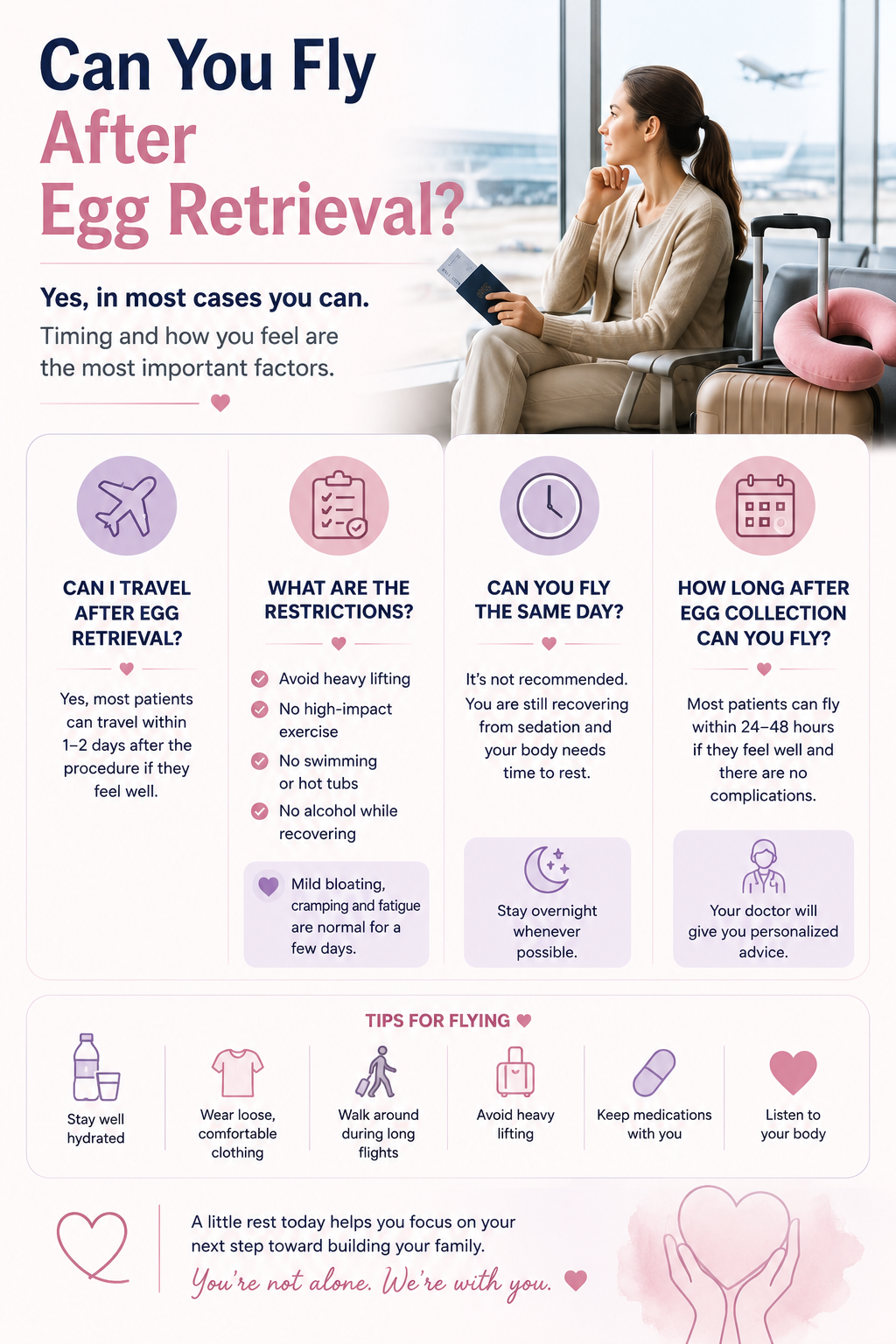
How Many Eggs Do You Really Need for IVF Success? The Honest Answer Patients Should Know

One of the most common questions patients ask before starting IVF is:

“How many eggs do I need for a successful IVF cycle?”

It’s a great question—but the answer is not as simple as a single number.

Many people assume that the more eggs retrieved, the higher the chance of success. While there is some truth to this, IVF success depends on much more than just quantity.

Understanding the balance between egg number and egg quality is key.


Why Egg Number Matters

During IVF, the goal of ovarian stimulation is to produce multiple eggs instead of the single egg released in a natural cycle.

Why?

Because not every egg will lead to a pregnancy.

From the total number of eggs retrieved:

  • Not all eggs are mature
  • Not all mature eggs fertilize
  • Not all fertilized eggs become embryos
  • Not all embryos reach the blastocyst stage
  • Not all embryos are genetically normal

This natural drop-off means that starting with more eggs increases the chances of ending up with at least one strong embryo for transfer.


The Typical IVF “Attrition Funnel”

To understand this better, here is a simplified example:

Out of 10 eggs retrieved:

  • 7–8 may be mature
  • 5–6 may fertilize
  • 2–4 may develop into blastocysts
  • 1–2 may be genetically normal

This is why doctors aim to retrieve multiple eggs—because each stage reduces the number.


So, What Is a “Good” Number of Eggs?

There is no perfect number, but general expectations are:

  • 8–15 eggs → considered a strong and balanced response
  • 15–20 eggs → high response, but quality must still be considered
  • Less than 5 eggs → lower chances per cycle, but still possible

It’s important to understand that more eggs does not always mean better outcomes.


Quality vs Quantity: What Matters More?

While egg number is important, egg quality is the most critical factor.

A smaller number of high-quality eggs may lead to better outcomes than a larger number of poor-quality eggs.

Egg quality is influenced mainly by:

  • Age
  • Genetics
  • Hormonal environment

This is why younger patients may achieve success with fewer eggs, while older patients may require more cycles to achieve the same result.


Age and Egg Expectations

Age plays a major role in determining how many eggs are needed.

Under 35

  • Higher egg quality
  • Fewer eggs needed for success

35–40

  • Declining egg quality
  • More eggs may be needed to find a healthy embryo

Over 40

  • Increased chromosomal abnormalities
  • Multiple cycles may be needed

This is why IVF treatment is often personalized based on age.


Can Too Many Eggs Be a Problem?

Interestingly, retrieving too many eggs can also have downsides.

Very high egg numbers may increase the risk of ovarian hyperstimulation syndrome (OHSS) and sometimes affect egg quality.

The goal is not “as many eggs as possible,” but rather a controlled and optimal response.


What If You Retrieve Only a Few Eggs?

Many patients worry when they produce only a small number of eggs.

While it can reduce the chances per cycle, it does not mean IVF will fail.

In these cases, doctors may:

  • Adjust medication protocols
  • Focus on maximizing egg quality
  • Consider multiple cycles
  • Explore alternative strategies if needed

Even a single good-quality egg can result in pregnancy.


The Role of Personalized Treatment

Modern IVF is not about chasing a number—it’s about tailoring treatment to the individual.

Doctors consider:

  • Ovarian reserve (AMH levels)
  • Age
  • Previous cycle response
  • Overall health

The goal is to create the best possible outcome for each patient, not to meet a fixed egg target.


Final Thoughts

So, how many eggs do you really need for IVF success?

The honest answer is:

👉 Enough to give you a strong chance—but not more than your body can safely handle.

IVF success is not determined by egg number alone. It’s a combination of:

  • Egg quality
  • Embryo development
  • Genetic health
  • Uterine environment
  • Timing and medical strategy

Rather than focusing only on the number, patients should focus on overall treatment quality and personalized care.

Because in IVF, success is not about having the most eggs—it’s about having the right ones.

For any of your fertility problems, please do not hesitate to contact us. At Fertility Solutions we pride ourselves with the excellent tailored personal care we provide to our patients for their specific needs. A team member will contact you as soon as we get your message, and construct a personal treatment plan for your fertility problems in the country of Cyprus. You can also contact our clinics directly through the links below.

Get in Touch with Our Clinics:

Cyprus Crown IVF Contact: https://en.cypruscrownivf.com/contact

Cyprus American IVF Contact: https://www.cyprusamericanivf.com/contact-us/

Dr. Halil Ibrahim Tekin  (Dr. HIT) Youtube: https://www.youtube.com/@dr.halilibrahimtekin1715

Cyprus American IVF Youtube: https://www.youtube.com/@AmerikanTupBebekMerkezi

Clavis Fertility Centre: https://www.clavisfertilitycenter.com
General

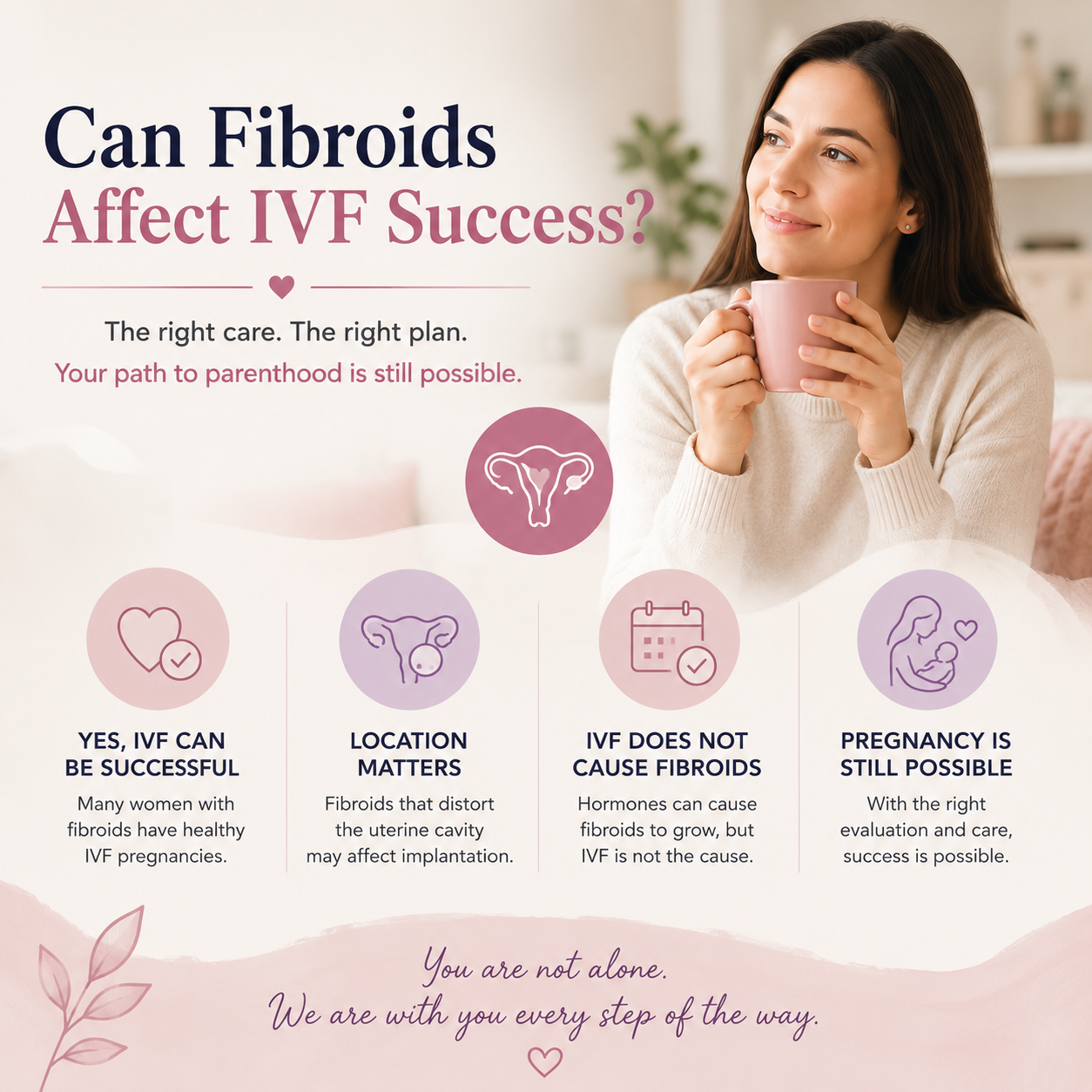
Endometriosis and Fertility: When IVF Becomes a Necessary Step

Endometriosis is one of the most common conditions affecting women of reproductive age — yet it remains widely misunderstood, especially when it comes to fertility.

Many women diagnosed with endometriosis ask the same question:

“Can I still get pregnant?”

The answer is yes — but in some cases, IVF becomes a necessary and effective path to pregnancy.

Understanding how endometriosis affects fertility helps patients make informed decisions about when to continue trying naturally and when to consider assisted reproductive treatments.


What Is Endometriosis?

The condition occurs when tissue similar to the lining of the uterus grows outside the uterus.

This tissue can be found on:

  • Ovaries

  • Fallopian tubes

  • Pelvic lining

  • Other nearby organs

Unlike normal uterine lining, this tissue has no way to exit the body, which can lead to:

  • Inflammation

  • Scar tissue (adhesions)

  • Pain

  • Disruption of reproductive function


How Endometriosis Affects Fertility

This condition can impact fertility in several ways, depending on its severity.

1. Damage to Fallopian Tubes

Scar tissue can block or distort the fallopian tubes, preventing the egg and sperm from meeting naturally.


2. Ovarian Impact (Endometriomas)

This condition can form cysts on the ovaries, known as endometriomas.

These may:

  • Affect egg quality

  • Reduce ovarian reserve

  • Make egg retrieval more challenging during IVF


3. Inflammation in the Pelvis

Chronic inflammation can create an environment that is not ideal for fertilization or implantation.

This may affect:

  • Egg quality

  • Sperm function

  • Embryo development


4. Implantation Challenges

Even if fertilization occurs, endometriosis may affect the uterine environment, making implantation more difficult.


Can You Get Pregnant Naturally?

Yes — many women with mild endometriosis can conceive naturally.

However, chances may be reduced depending on:

  • Age

  • Severity of the condition

  • Duration of infertility

Doctors often recommend trying naturally for a certain period before moving to assisted treatments.


When IVF Becomes Necessary

IVF is often recommended in the following situations:

  • Moderate to severe endometriosis

  • Blocked fallopian tubes

  • Reduced ovarian reserve

  • Repeated unsuccessful attempts to conceive naturally

  • Failed IUI treatments

IVF bypasses several of the barriers caused by endometriosis.


How IVF Helps Overcome Endometriosis

IVF improves the chances of pregnancy by addressing key issues:

1. Bypassing the Fallopian Tubes

Since fertilization happens in the lab, blocked or damaged tubes are no longer a limitation.


2. Controlled Ovarian Stimulation

Doctors stimulate the ovaries to produce multiple eggs, increasing the chances of finding viable embryos.


3. Embryo Selection

Embryologists can select the best embryos for transfer, improving success rates.


4. Controlled Timing

IVF allows precise control over embryo transfer timing, optimizing implantation conditions.


Does Endometriosis Affect IVF Success?

This condition can influence IVF outcomes, particularly in severe cases.

However, many women with this condition achieve successful pregnancies through IVF.

Success depends on:

  • Age

  • Egg quality

  • Severity of the condition

  • Treatment strategy

In some cases, additional approaches may be recommended, such as:

  • Surgical removal of endometriosis lesions

  • Adjusted stimulation protocols

  • Frozen embryo transfers for better uterine preparation


The Importance of Early Action

One of the most important factors in managing endometriosis and fertility is timing.

Because the condition can progress over time, delaying treatment may reduce fertility potential.

Women with known endometriosis should consider early fertility evaluation, especially if pregnancy is a goal.


Emotional Impact of Endometriosis

Endometriosis is not only a physical condition — it can also be emotionally challenging.

Many women experience:

  • Chronic pain

  • Frustration with delayed diagnosis

  • Anxiety about fertility

Having a clear plan and understanding available options can help reduce uncertainty.


Final Thoughts

Endometriosis and fertility are closely connected, but a diagnosis does not mean the end of your journey to parenthood.

While some women conceive naturally, others may require assistance — and in many cases, IVF becomes the most effective solution.

The key is recognizing when to move forward with the right treatment rather than losing valuable time.

Because with the right approach, even complex fertility challenges like endometriosis can still lead to successful and healthy pregnancies.

For any of your fertility problems, please do not hesitate to contact us. At Fertility Solutions we pride ourselves with the excellent tailored personal care we provide to our patients for their specific needs. A team member will contact you as soon as we get your message, and construct a personal treatment plan for your fertility problems in the country of Cyprus. You can also contact our clinics directly through the links below.

Get in Touch with Our Clinics:

Cyprus Crown IVF Contact: https://en.cypruscrownivf.com/contact

Cyprus American IVF Contact: https://www.cyprusamericanivf.com/contact-us/

Dr. Halil Ibrahim Tekin  (Dr. HIT) Youtube: https://www.youtube.com/@dr.halilibrahimtekin1715

Cyprus American IVF Youtube: https://www.youtube.com/@AmerikanTupBebekMerkezi

Clavis Fertility Centre: https://www.clavisfertilitycenter.com
General

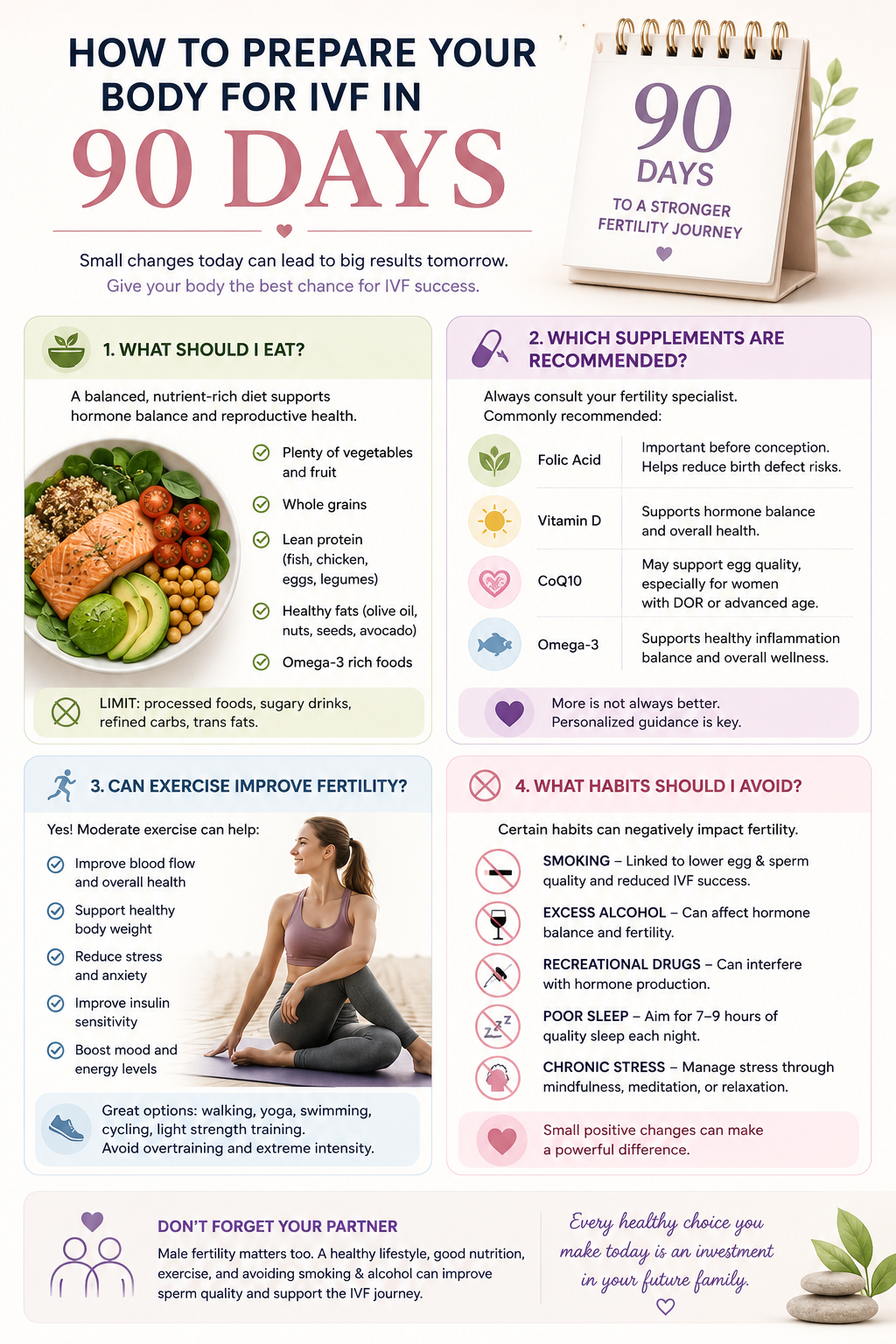
Can You Improve Egg Quality Naturally? The Honest Truth Every Woman Should Know

One of the most common questions women ask when trying to conceive — whether naturally or through IVF — is:

“Can I improve my egg quality naturally?”

It’s an important question, but the answer requires honesty and clarity. While there are ways to support reproductive health, egg quality is influenced by factors that cannot be completely changed.

Understanding what you can and cannot control is key to making informed decisions.


What Is Egg Quality?

Egg quality refers to the ability of an egg to:

  • Be fertilized successfully

  • Develop into a healthy embryo

  • Lead to a successful pregnancy

High-quality eggs contain the correct number of chromosomes and have strong developmental potential.

Poor egg quality, on the other hand, may lead to:

  • Failed fertilization

  • Poor embryo development

  • Miscarriage

  • Failed IVF cycles


The Biggest Factor: Age

The most important factor affecting egg quality is age.

Women are born with all the eggs they will ever have. Over time:

  • The number of eggs decreases

  • The quality of eggs declines

  • Chromosomal abnormalities increase

This is a natural biological process that cannot be reversed.

No supplement, diet, or lifestyle change can stop or reverse aging.

However, this does not mean there is nothing you can do.


What You Can Influence

While you cannot change the genetic makeup of your eggs, you can improve the environment in which they develop.

Think of it this way:

You cannot change the blueprint —
but you can improve the conditions around it.


Lifestyle Factors That May Support Egg Quality

1. Nutrition

A balanced diet plays an important role in reproductive health.

Focus on:

  • Fresh vegetables and fruits

  • Healthy fats (olive oil, nuts, avocado)

  • Lean proteins

  • Whole grains

Antioxidants are particularly important because they help reduce oxidative stress, which can damage cells, including eggs.


2. Sleep

Poor sleep can disrupt hormonal balance.

Aim for:

  • 7–8 hours of quality sleep

  • Consistent sleep schedule

Hormonal regulation is essential for egg development.


3. Stress Management

Chronic stress can affect hormone levels and overall fertility.

While stress alone does not cause infertility, managing it can support overall reproductive health.

Helpful approaches include:

  • Walking

  • Meditation

  • Light exercise

  • Reducing high-pressure environments where possible


4. Avoiding Harmful Substances

Certain lifestyle habits can negatively impact egg quality:

  • Smoking

  • Excessive alcohol consumption

  • Drug use

These can increase oxidative stress and damage reproductive cells.


Supplements: Do They Help?

Some supplements are commonly recommended to support egg health, including:

  • Coenzyme Q10 (CoQ10) – supports energy production in cells

  • Vitamin D – supports hormonal balance

  • Omega-3 fatty acids – support overall cell health

  • Prenatal vitamins – provide essential nutrients

While these may support cellular function, it is important to understand:

👉 Supplements do not “fix” egg quality
👉 They may help optimize the environment

Always consult a healthcare professional before starting any supplements.


What You Should Be Careful About

There is a lot of misleading information online promising dramatic improvements in egg quality.

Be cautious of:

  • “Miracle” fertility diets

  • Expensive supplement combinations

  • Claims of reversing ovarian aging

These are not supported by strong scientific evidence.


IVF and Egg Quality

For women undergoing IVF, egg quality plays a major role in success.

However, modern fertility treatments can help by:

  • Selecting the best embryos

  • Using genetic testing (PGT)

  • Adjusting stimulation protocols

If egg quality is significantly compromised, alternative options such as egg donation may be discussed.


Final Thoughts

So, can you improve egg quality naturally?

The honest answer is:

👉 You cannot change your egg genetics
👉 But you can support your reproductive health

Lifestyle, nutrition, and overall well-being can help create the best possible conditions for your eggs — even if they cannot guarantee outcomes.

The goal is not perfection, but optimization.

Because in fertility, sometimes small improvements in your environment can make a meaningful difference in your journey.

For any of your fertility problems, please do not hesitate to contact us. At Fertility Solutions we pride ourselves with the excellent tailored personal care we provide to our patients for their specific needs. A team member will contact you as soon as we get your message, and construct a personal treatment plan for your fertility problems in the country of Cyprus. You can also contact our clinics directly through the links below.

Get in Touch with Our Clinics:

Cyprus Crown IVF Contact: https://en.cypruscrownivf.com/contact

Cyprus American IVF Contact: https://www.cyprusamericanivf.com/contact-us/

Dr. Halil Ibrahim Tekin  (Dr. HIT) Youtube: https://www.youtube.com/@dr.halilibrahimtekin1715

Cyprus American IVF Youtube: https://www.youtube.com/@AmerikanTupBebekMerkezi

Clavis Fertility Centre: https://www.clavisfertilitycenter.com
General

Is IVF in Cyprus Safe? The Essential Truth International Patients Need to Know

For many patients considering fertility treatment abroad, one of the first and most important questions is:

Is IVF in Cyprus safe?

With increasing numbers of patients traveling internationally for fertility care, Cyprus has become one of the most popular destinations in Europe. However, choosing treatment abroad naturally comes with concerns about medical standards, safety, and reliability.

The good news is that Cyprus — particularly North Cyprus — has established itself as a trusted and safe destination for IVF treatment, offering modern medical care, experienced specialists, and internationally aligned practices.


Why Patients Choose Cyprus for IVF

Cyprus has gained global attention in fertility treatment for several reasons:

  • High success rates

  • Advanced reproductive technologies

  • Affordable treatment compared to the UK, USA, and Canada

  • No long waiting lists

  • Access to treatments that may be restricted elsewhere

Beyond these advantages, safety remains the key factor influencing patient decisions.


Medical Standards and International Guidelines

Reputable fertility clinics in Cyprus follow internationally recognized medical guidelines, including those from:

  • American Society for Reproductive Medicine

  • European Society of Human Reproduction and Embryology

These organizations provide evidence-based recommendations on:

  • Patient safety

  • Laboratory procedures

  • Ethical treatment practices

  • Embryo handling and transfer

  • Use of genetic testing

Clinics that align with these standards operate at a level comparable to leading fertility centers worldwide.


Advanced Technology and Laboratory Quality

The success and safety of IVF treatment rely heavily on the quality of the embryology laboratory.

Top clinics in Cyprus invest in:

  • State-of-the-art laboratory environments

  • Strict air quality and filtration systems

  • Temperature-controlled embryo culture conditions

  • Advanced technologies such as genetic testing (PGT/NGS)

  • AI-assisted embryo selection (in some centers)

These controlled environments are essential for protecting embryo development and maximizing success rates.


Experienced Fertility Specialists

Another key factor contributing to safety is the experience of medical professionals.

Cyprus is home to fertility specialists with decades of experience in reproductive medicine, many of whom have trained or worked internationally.

This experience allows clinics to:

  • Personalize treatment plans

  • Handle complex fertility cases

  • Adjust protocols based on patient response

  • Maintain high standards of care

For international patients, this level of expertise provides reassurance and confidence throughout the treatment process.


Legal Framework and Treatment Flexibility

One of the reasons Cyprus is popular for IVF is its more flexible legal framework compared to some European countries.

Patients may have access to:

  • Egg donation

  • Sperm donation

  • Embryo donation

  • Gender selection (where permitted)

  • Advanced fertility treatments without strict age limits

While this flexibility is beneficial, it is important that treatments are still performed ethically and responsibly — which reputable clinics ensure by following international guidelines.


Safety for International Patients

Traveling abroad for medical treatment can feel overwhelming, but Cyprus is known for being a safe and welcoming destination.

Key advantages include:

  • Well-developed healthcare infrastructure

  • English-speaking medical staff and coordinators

  • Easy access via international flights

  • Support services for accommodation and transportation

Many clinics offer full patient coordination, helping with:

  • Airport transfers

  • Hotel arrangements

  • Scheduling appointments

  • Communication before and after treatment

This level of organization significantly reduces stress for international patients.


What Patients Should Look For

While Cyprus offers many high-quality clinics, patients should still do their research.

Important factors to consider include:

  • Clinic experience and track record

  • Laboratory standards

  • Transparency in communication

  • Patient reviews and testimonials

  • Availability of personalized treatment plans

Choosing the right clinic is just as important as choosing the right destination.


Addressing Common Concerns

Some patients worry that traveling abroad may compromise safety or quality.

In reality, many fertility clinics in Cyprus operate at standards equal to or sometimes exceeding those in Western countries, particularly due to:

  • Lower patient volume pressure

  • More personalized care

  • Faster access to treatment

  • Continuous investment in technology

For many patients, the combination of safety, expertise, and accessibility makes Cyprus a strong option.


Final Thoughts

So, is IVF in Cyprus safe?

The answer is yes — when you choose a reputable clinic that follows international medical standards.

Cyprus offers a unique balance of advanced fertility care, experienced specialists, and a patient-centered approach, all within a safe and accessible environment.

For international patients seeking both quality and efficiency in their fertility journey, Cyprus continues to stand out as one of the leading destinations in reproductive medicine.

Because when it comes to IVF, safety is not just about location — it’s about expertise, standards, and the care you receive every step of the way.

For any of your fertility problems, please do not hesitate to contact us. At Fertility Solutions we pride ourselves with the excellent tailored personal care we provide to our patients for their specific needs. A team member will contact you as soon as we get your message, and construct a personal treatment plan for your fertility problems in the country of Cyprus. You can also contact our clinics directly through the links below.

Get in Touch with Our Clinics:

Cyprus Crown IVF Contact: https://en.cypruscrownivf.com/contact

Cyprus American IVF Contact: https://www.cyprusamericanivf.com/contact-us/

Dr. Halil Ibrahim Tekin  (Dr. HIT) Youtube: https://www.youtube.com/@dr.halilibrahimtekin1715

Cyprus American IVF Youtube: https://www.youtube.com/@AmerikanTupBebekMerkezi

Clavis Fertility Centre: https://www.clavisfertilitycenter.com
General

The Truth About IVF Success Stories: Why Some Journeys Take Longer Than Others

When people hear about IVF, they often focus on success stories — the happy endings, the positive pregnancy tests, and the long-awaited babies. While these stories are real and inspiring, they often leave out an important part of the journey:

Many IVF success stories do not happen on the first attempt.

For some patients, the road to pregnancy is quick. For others, it takes multiple cycles, adjustments, and time. Understanding why IVF journeys can vary so much helps set realistic expectations and reduces unnecessary emotional pressure.


IVF Is Not a One-Time Treatment

One of the biggest misconceptions about IVF is that it is a guaranteed solution.

In reality, IVF is a process, not a single event.

Each cycle provides valuable information about how the body responds to treatment. This includes:

  • How the ovaries respond to stimulation

  • How many eggs are retrieved

  • How embryos develop

  • Whether implantation occurs

Sometimes, the first cycle is more of a diagnostic cycle, helping doctors refine future treatment strategies.


Age and Egg Quality Play a Major Role

One of the most important factors influencing IVF success is age, particularly egg quality.

As women get older:

  • Egg quantity decreases

  • Chromosomal abnormalities increase

  • Embryo viability declines

This means that some patients may need multiple cycles to obtain a genetically healthy embryo.

It’s not about doing something wrong — it’s about biology.


Not Every Embryo Has the Same Potential

Even in the same IVF cycle, embryos are not equal.

Some may:

  • Develop into strong blastocysts

  • Implant successfully

  • Lead to healthy pregnancies

Others may not.

This is why IVF success often depends on finding the right embryo, not just creating embryos.

In some cases, it takes more than one cycle to achieve that.


The Uterus and Timing Matter

Implantation is one of the most delicate steps in IVF.

Even with a healthy embryo, success depends on:

  • Proper timing of embryo transfer

  • Uterine receptivity

  • Hormonal balance

If these factors are slightly off, implantation may fail.

In later cycles, doctors may adjust:

  • Transfer timing

  • Medication protocols

  • Preparation of the uterine lining

Small changes can make a significant difference.


Hidden Factors May Require Investigation

When IVF does not succeed after one or two attempts, deeper investigation may be needed.

These may include:

  • Genetic testing of embryos

  • Uterine evaluation

  • Immune-related factors

  • Sperm DNA quality

Each unsuccessful cycle helps narrow down possible causes and guide a more personalized approach.


Emotional Pressure Can Be Misleading

Many patients compare themselves to others who became pregnant quickly through IVF.

This comparison can create unnecessary stress.

The truth is:

  • Every fertility journey is different

  • Success timelines vary widely

  • One patient’s experience does not define another’s

Social media and online stories often highlight the final result — not the full journey behind it.


Success Often Comes After Adjustment

In many cases, IVF success happens after refining the approach.

This may include:

  • Changing stimulation protocols

  • Improving embryo selection

  • Using genetic testing

  • Exploring alternative treatments

Rather than repeating the same method, modern fertility care focuses on adapting the strategy based on previous outcomes.


The Importance of Persistence and Strategy

While persistence is important, it must be combined with the right medical strategy.

Repeating identical cycles without adjustment may not improve outcomes. However, adjusting the treatment plan based on new information can significantly increase the chances of success.

Many successful IVF stories are the result of:

  • Multiple attempts

  • Careful evaluation

  • Personalized treatment


Final Thoughts

IVF success stories are real — but they are often more complex than they appear.

Behind many positive outcomes are cycles of learning, adjustment, and perseverance. For some patients, success comes quickly. For others, it takes time and a tailored approach.

Understanding this reality helps shift the perspective from “Why didn’t it work?” to “What can we learn and improve next?”

Because in IVF, success is not always about the first attempt.

Sometimes, it’s about finding the right path — even if it takes a little longer to get there.

For any of your fertility problems, please do not hesitate to contact us. At Fertility Solutions we pride ourselves with the excellent tailored personal care we provide to our patients for their specific needs. A team member will contact you as soon as we get your message, and construct a personal treatment plan for your fertility problems in the country of Cyprus. You can also contact our clinics directly through the links below.

Get in Touch with Our Clinics:

Cyprus Crown IVF Contact: https://en.cypruscrownivf.com/contact

Cyprus American IVF Contact: https://www.cyprusamericanivf.com/contact-us/

Dr. Halil Ibrahim Tekin  (Dr. HIT) Youtube: https://www.youtube.com/@dr.halilibrahimtekin1715

Cyprus American IVF Youtube: https://www.youtube.com/@AmerikanTupBebekMerkezi

Clavis Fertility Centre: https://www.clavisfertilitycenter.com


Notice: ob_end_flush(): Failed to send buffer of zlib output compression (0) in /home/fertilitysol/public_html/wp-includes/functions.php on line 5481