General

Hidden Genetic Factors in IVF: The Powerful Role DNA Plays in Fertility Success

When couples begin IVF treatment, many assume success depends mainly on age, hormone levels, or laboratory technology. While these elements are important, one of the most influential — and often overlooked — aspects of fertility is genetics.

Genetic factors affecting IVF outcomes can determine whether embryos develop normally, implant successfully, and result in a healthy pregnancy. Advances in reproductive medicine now allow fertility specialists to better understand these genetic influences and adapt treatment strategies accordingly.

Understanding the genetic side of fertility helps patients move from uncertainty toward more personalized and effective care.


Why Genetics Matter in IVF

Every embryo carries genetic material from both parents. For a pregnancy to develop successfully, this DNA must be correctly organized into 46 chromosomes.

Even when fertilization occurs normally, embryos may fail to grow if chromosomal errors are present. In fact, genetics is considered one of the leading causes of:

  • Failed implantation

  • Repeated IVF failure

  • Early miscarriage

  • Poor embryo development

Studies suggest that a significant percentage of embryos created during IVF may carry chromosomal abnormalities, particularly as maternal age increases.


Chromosomal Abnormalities and Embryo Development

Chromosomes contain the instructions necessary for normal growth and development. When embryos have missing or extra chromosomes — a condition known as aneuploidy — implantation often fails or pregnancy ends naturally in early stages.

Common chromosomal issues include:

  • Trisomy (extra chromosome)

  • Monosomy (missing chromosome)

  • Structural rearrangements

These abnormalities usually occur during egg or sperm formation rather than during IVF itself.

This explains why even high-quality laboratories and perfect embryo transfers may still result in unsuccessful cycles.


Maternal Age and Genetic Quality

One of the strongest genetic influences in IVF is maternal age.

As women age:

  • Egg quantity declines

  • DNA repair mechanisms weaken

  • Chromosomal separation errors increase

By age 40, a large proportion of embryos may be genetically abnormal despite appearing healthy under a microscope.

This is why embryo appearance alone cannot always predict success — genetics provides deeper insight than visual grading.


Genetic Factors from the Male Side

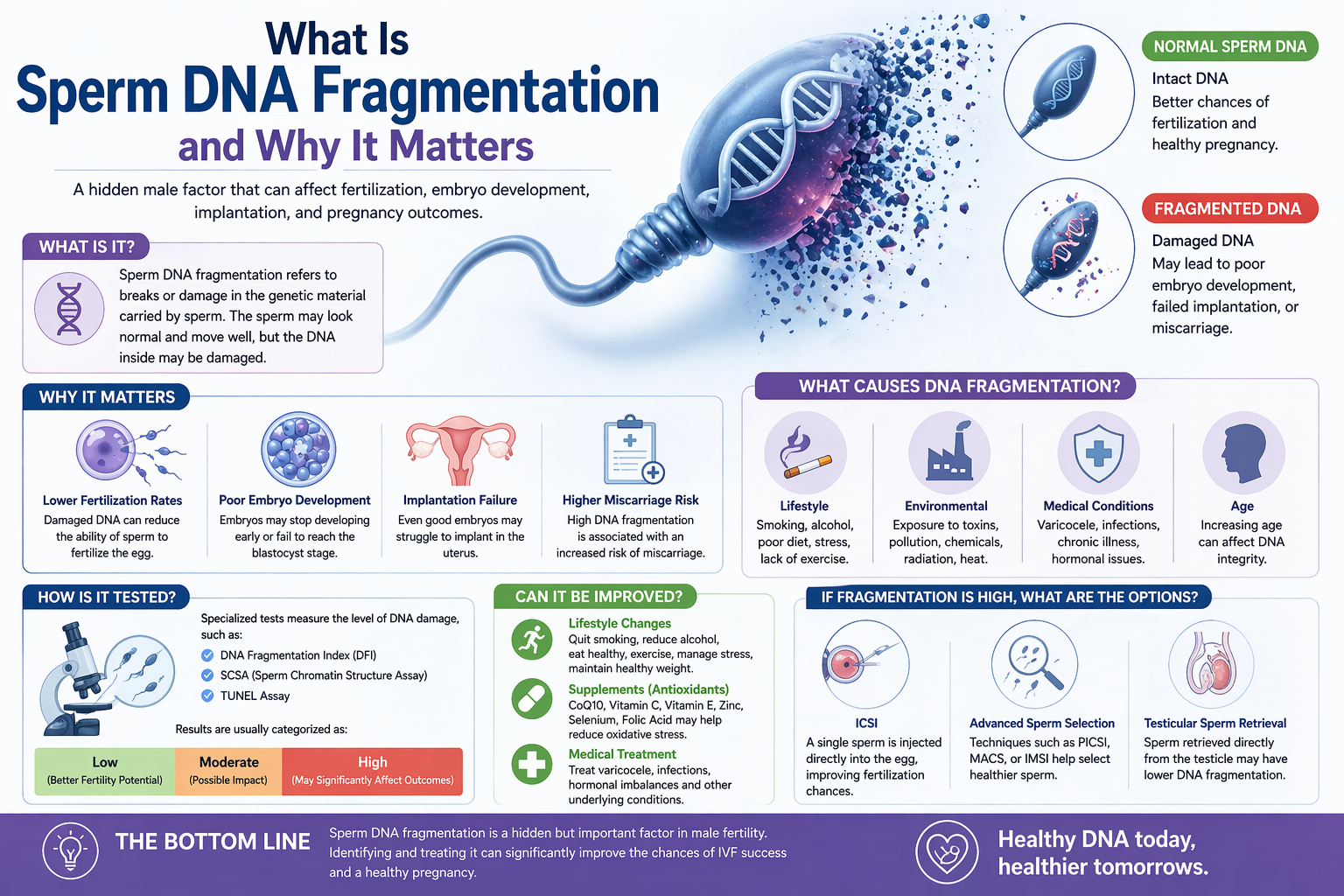
Fertility genetics are not limited to egg quality. Sperm DNA integrity also plays a critical role.

Issues such as DNA fragmentation can affect:

  • Fertilization rates

  • Embryo development speed

  • Blastocyst formation

  • Miscarriage risk

Even men with normal semen analysis results may have underlying genetic sperm damage that influences IVF outcomes.

Advanced sperm testing may be recommended after repeated failed attempts.


Preimplantation Genetic Testing (PGT): A Major Advancement

One of the most important breakthroughs addressing genetic factors affecting IVF is Preimplantation Genetic Testing (PGT).

PGT allows embryologists to analyze embryos before transfer.

Types of Genetic Testing:

PGT-A (Aneuploidy Testing)

  • Screens embryos for correct chromosome numbers

  • Helps select embryos with higher implantation potential

PGT-M (Monogenic Testing)

  • Used when parents carry known genetic diseases

  • Prevents transmission of inherited conditions

PGT-SR

  • Detects structural chromosome rearrangements

By transferring genetically normal embryos, clinics can often reduce miscarriage risk and improve success rates per transfer.


Recurrent IVF Failure and Genetics

When IVF fails multiple times despite good embryo quality and normal uterine evaluations, hidden genetic factors are often investigated.

Possible causes include:

  • Parental chromosomal translocations

  • Embryo mosaicism

  • Mitochondrial dysfunction within eggs

  • Genetic compatibility factors affecting implantation

Genetic counseling becomes especially important in these situations to guide next steps.


Personalized IVF Through Genetic Understanding

Modern fertility treatment is shifting toward precision reproductive medicine.

Instead of repeating identical IVF protocols, specialists now use genetic information to:

  • Select the healthiest embryos

  • Adjust stimulation strategies

  • Recommend advanced laboratory techniques

  • Reduce unnecessary emotional and financial strain

Genetics allows treatment to become proactive rather than reactive.


Can Genetic Problems Be Prevented?

Not all genetic abnormalities can be avoided, but many risks can be managed through proper evaluation.

Recommended steps include:

  • Carrier screening for both partners

  • Genetic counseling when family history exists

  • PGT testing when indicated

  • Advanced embryo selection technologies

These approaches help patients make informed decisions while improving the chances of a healthy pregnancy.


Final Thoughts

IVF success is not determined by hormones or procedures alone — it is deeply connected to the invisible blueprint carried within each embryo.

Genetic factors affecting IVF outcomes explain why some cycles succeed quickly while others require deeper investigation and personalized solutions. Fortunately, advances in genetic testing now allow fertility specialists to better understand these challenges and guide patients toward safer, more effective treatment pathways.

As reproductive medicine continues to evolve, genetics is becoming one of the most powerful tools for turning hope into reality.

Because sometimes the key to IVF success is not doing more treatment — but understanding biology at its most fundamental level: DNA itself.

For any of your fertility problems, please do not hesitate to contact us. At Fertility Solutions we pride ourselves with the excellent tailored personal care we provide to our patients for their specific needs. A team member will contact you as soon as we get your message, and construct a personal treatment plan for your fertility problems in the country of Cyprus. You can also contact our clinics directly through the links below.

Get in Touch with Our Clinics:

Cyprus Crown IVF Contact: https://en.cypruscrownivf.com/contact

Cyprus American IVF Contact: https://www.cyprusamericanivf.com/contact-us/

Dr. Halil Ibrahim Tekin  (Dr. HIT) Youtube: https://www.youtube.com/@dr.halilibrahimtekin1715

Cyprus American IVF Youtube: https://www.youtube.com/@AmerikanTupBebekMerkezi

Clavis Fertility Centre: https://www.clavisfertilitycenter.com
General

The Ultimate Guide to Traveling to Cyprus Part 2: The Smartest Routes from Around the World

Cyprus has become an increasingly popular destination for international travelers, whether visiting for tourism, business, or medical treatments such as fertility care. Located at the crossroads of Europe, the Middle East, and Africa, the island is surprisingly accessible from nearly every continent — once you understand the best routes.

If you are planning your journey, this guide explains the easiest and most reliable ways to travel to Cyprus from Europe, North Africa, the United States, Canada, the United Kingdom, and South America.


Understanding Cyprus Airports

Before booking flights, it is important to understand that the island has two main entry routes used by international travelers:

1. Ercan Airport (ECN) – Nicosia / North Cyprus

  • Closest airport to Nicosia and Kyrenia regions

  • Requires a short connection via Türkiye (Turkey)

  • Often the most convenient option for reaching North Cyprus directly

2. Larnaca International Airport (LCA) – South Cyprus

  • Major international airport with direct European flights

  • Accessible via many EU cities

  • Travelers cross to the north by car or transfer (approximately 45–90 minutes depending on destination)

Both routes are commonly used, and choosing between them depends mainly on your departure country.


Traveling from Europe

Europe offers the easiest access to Cyprus.

Best Routes:

✅ Direct flights to Larnaca Airport from major cities such as:

  • London

  • Paris

  • Frankfurt

  • Vienna

  • Rome

  • Amsterdam

OR

✅ Fly to Istanbul, then connect to Ercan Airport.

Many European travelers prefer Istanbul connections because they provide smooth transfers and frequent daily flights.

Typical travel time:

  • 3–5 hours total flight time depending on origin.


Traveling from the United Kingdom

The UK is one of the most connected regions to the island.

Two popular options:

Option 1 — Direct Route

  • London, Manchester, or Birmingham → Larnaca (direct flight)

Option 2 — Fast Connection

  • UK → Istanbul → Ercan Airport

Patients traveling to North Cyprus often choose the Istanbul route because arrival is closer to final accommodations and clinics.

Flight duration:

  • Approximately 4.5–5 hours direct to Larnaca.


Traveling from the United States

There are currently no direct flights from the U.S. to Cyprus, but travel remains straightforward.

Recommended Route:

USA → Istanbul → Ercan Airport

Major departure hubs include:

  • New York (JFK)

  • Washington DC

  • Chicago

  • Miami

  • Los Angeles

Istanbul acts as a global aviation hub, offering comfortable layovers and coordinated connections.

Alternative option:
USA → European city → Larnaca

Total travel time:

  • Usually 12–16 hours depending on layover.


Traveling from Canada

Canadian travelers follow similar routes as U.S. passengers.

Common paths:

  • Toronto or Montreal → Istanbul → Ercan

  • Toronto → London/Frankfurt → Larnaca

Many travelers prefer a single-stop itinerary via Istanbul to simplify luggage transfers and reduce travel stress.


Traveling from North Africa

Cyprus is geographically close to North Africa, making travel relatively quick.

Typical routes include:

  • Cairo → Istanbul → Ercan

  • Casablanca → Istanbul → Ercan

  • Tunis → European hub → Larnaca

Travel time is often under 6–8 hours total depending on connections.


Traveling from South America

Although farther away, Cyprus remains accessible with two-stop journeys.

Most efficient routes:

  • São Paulo / Buenos Aires → European hub → Larnaca

  • South America → Istanbul → Ercan

European transit cities commonly used:

  • Madrid

  • Paris

  • Frankfurt

Total travel time:

  • Approximately 16–22 hours.


Why Istanbul Is the Easiest Connection

Istanbul has become the preferred global gateway to Cyprus because:

✔ Extensive international flight network
✔ Short connection time to Ercan (about 1 hour flight)
✔ Frequent daily departures
✔ Smooth transit procedures
✔ Excellent airport infrastructure

For many international visitors, this route offers the least complicated travel experience.


Arrival and Transfers

After landing:

From Ercan Airport

  • 30–60 minute drive to Nicosia or Kyrenia

  • Private transfers and taxis widely available

From Larnaca Airport

  • Cross-border transfer to North Cyprus

  • Passport control required

  • Transfers typically arranged in advance

Many clinics or travel coordinators assist patients with transportation planning to ensure a stress-free arrival.


Travel Tips for a Smooth Journey

  • Book flights with minimum 2-hour layovers for international connections.

  • Check passport validity (usually 6 months recommended).

  • Keep printed copies of hotel or clinic confirmations.

  • Travel insurance is strongly advised.

  • Inform your coordinator of arrival time for transfer arrangements.


Final Thoughts

Despite being an island, the country is remarkably easy to reach from almost anywhere in the world. Whether traveling from Europe, North America, Africa, or South America, well-connected routes make the journey simple and predictable.

For most international travelers, the two smartest options are:

✈️ Via Istanbul to Ercan Airport — fastest access to North Cyprus
✈️ Via a European city to Larnaca Airport — widest flight availability

With careful planning, your trip to Cyprus can be smooth, comfortable, and even enjoyable — allowing you to focus on the purpose of your visit while experiencing one of the Mediterranean’s most welcoming destinations.

For any of your fertility problems, please do not hesitate to contact us. At Fertility Solutions we pride ourselves with the excellent tailored personal care we provide to our patients for their specific needs. You can also contact our clinics directly through the links below.

Get in Touch with Our Clinics:

Cyprus Crown IVF Contact: https://en.cypruscrownivf.com/contact

Cyprus American IVF Contact: https://www.cyprusamericanivf.com/contact-us/

Dr. Halil Ibrahim Tekin  (Dr. HIT) Youtube: https://www.youtube.com/@dr.halilibrahimtekin1715

Cyprus American IVF Youtube: https://www.youtube.com/@AmerikanTupBebekMerkezi

Clavis Fertility Centre: https://www.clavisfertilitycenter.com
General

When IVF Fails: Advanced Solutions That Can Restore Hope After Repeated Attempts

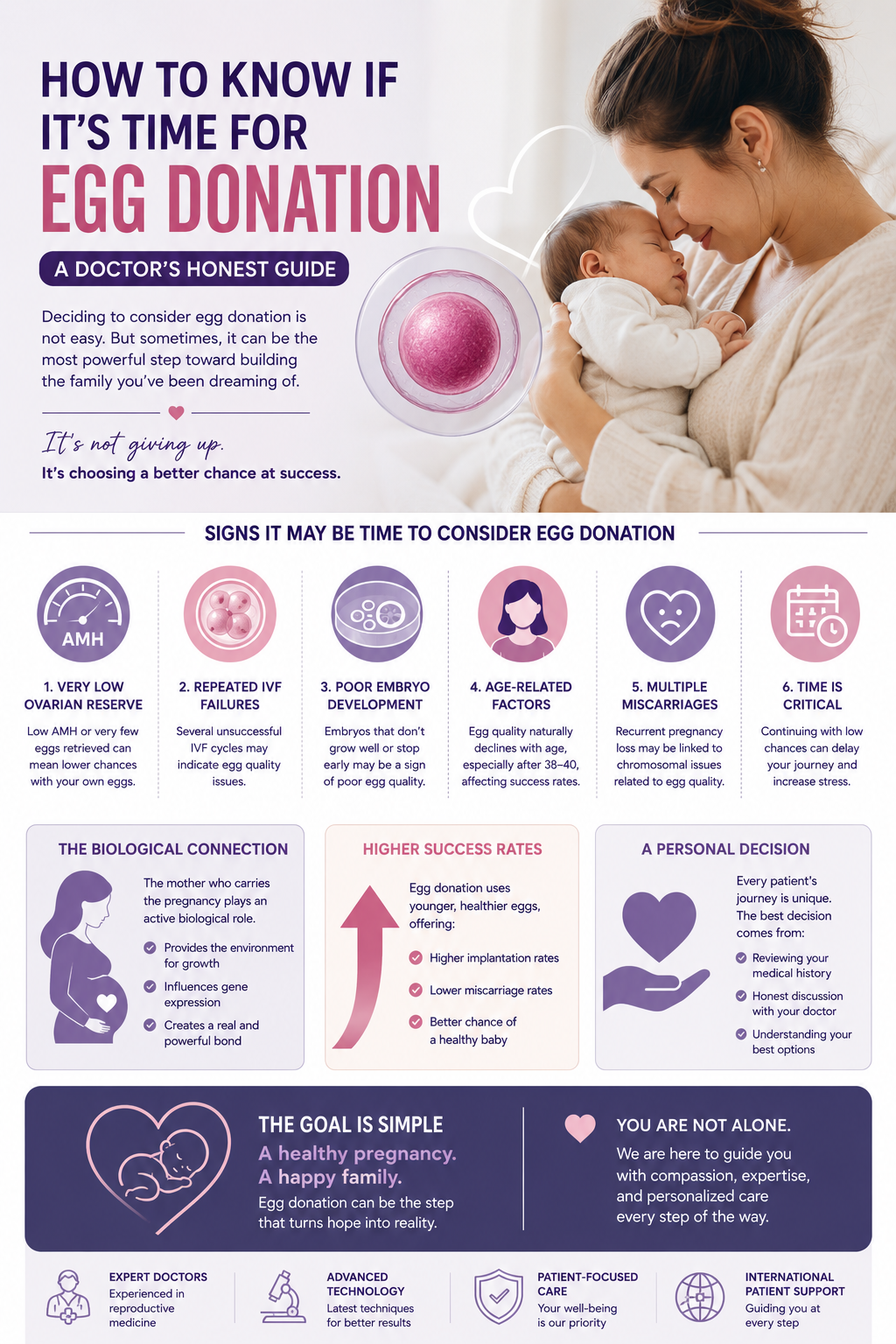
Experiencing a failed IVF cycle can be emotionally exhausting and deeply discouraging. Many patients enter treatment with hope and optimism, only to face disappointment when embryos fail to develop, implantation does not occur, or pregnancy ends early. While IVF has transformed reproductive medicine, success is not guaranteed — especially for patients with diminished ovarian reserve or low AMH levels.

The important truth is that failed IVF attempts do not always mean the end of the journey. In many cases, they provide critical information that allows fertility specialists to adjust strategies and explore advanced secondary treatments such as cytoplasmic transfer or tandem IVF cycles.

Understanding why IVF fails is the first step toward improving outcomes.


Why Do IVF Attempts Fail?

IVF success depends on multiple biological factors working together:

  • Egg quality

  • Embryo genetics

  • Sperm quality

  • Laboratory conditions

  • Uterine receptivity

  • Hormonal balance

However, one of the most influential factors is ovarian reserve, commonly measured by the Anti-Müllerian Hormone (AMH) test.


The Impact of Low AMH on IVF Outcomes

AMH reflects the remaining egg supply in the ovaries. While it does not directly measure egg quality, very low AMH levels often correlate with reduced reproductive potential.

Typical AMH Interpretation:

AMH Level Interpretation
Above 2.0 Good reserve
1.0 – 2.0 Average reserve
Below 1.0 Low ovarian reserve
Below 0.5 Very low reserve

When AMH falls below 1.0, several challenges may arise:

  • Fewer eggs retrieved during stimulation

  • Poor response to medication

  • Higher proportion of genetically abnormal embryos

  • Increased cycle cancellation rates

  • Lower implantation probability

Patients may undergo multiple IVF cycles yet produce only a small number of embryos, making success statistically more difficult using their own eggs alone.

Importantly, low AMH does not mean pregnancy is impossible — but it often requires alternative or supportive strategies.


Learning From Failed Cycles

Each unsuccessful cycle provides valuable diagnostic insight:

  • How ovaries respond to stimulation

  • Embryo development patterns

  • Fertilization outcomes

  • Implantation behavior

Rather than repeating identical protocols, modern fertility medicine focuses on treatment adaptation.

This is where secondary approaches may be considered.


Cytoplasmic Transfer: Supporting Egg Energy

Cytoplasmic transfer is an advanced laboratory technique designed to improve egg function in selected patients.

How It Works

Healthy cytoplasm — the internal environment of a donor egg — contains mitochondria and essential cellular factors responsible for energy production and early embryo development.

In cytoplasmic transfer:

  • A small amount of donor cytoplasm is injected into the patient’s egg during fertilization.

  • This may enhance cellular energy and developmental potential.

Why It May Help After A Failed Cycle

Some failed cycles occur because eggs lack sufficient mitochondrial activity, particularly in patients with:

  • Low AMH

  • Advanced maternal age

  • Poor embryo development history

  • Repeated fertilization failure

By improving the internal environment of the egg, cytoplasmic transfer aims to support embryo growth without replacing the patient’s genetic material.

It is typically considered a secondary treatment option, not a first-line therapy.


Tandem IVF Cycles: Combining Strengths

Another emerging approach for patients with repeated failures is the tandem IVF cycle.

What Is a Tandem Cycle?

In a tandem cycle:

  • Eggs are retrieved from the patient.

  • Donor eggs may be fertilized simultaneously as a backup or complementary option.

  • Both embryo groups develop in parallel.

This strategy allows patients to:

  • Attempt pregnancy with their own eggs

  • Maintain higher overall success probability within the same treatment timeframe

For patients emotionally committed to using their own genetics but facing repeated failures, tandem cycles can reduce the stress of multiple separate treatments.


Why Secondary Treatments Should Be Personalized

Not every patient requires advanced interventions. Decisions depend on:

  • Age

  • AMH level

  • Number of previous IVF failures

  • Embryo quality history

  • Genetic testing results

A comprehensive evaluation helps determine whether protocol adjustment alone is sufficient or whether supportive technologies should be explored.

The goal is always to balance realism with hope — avoiding unnecessary repetition of unsuccessful approaches.


Emotional Recovery After Failed IVF

Repeated IVF failures affect more than biology. Patients often experience grief, self-doubt, and decision fatigue.

It is important to remember:

  • IVF failure is rarely caused by something a patient did wrong.

  • Biology can be unpredictable even under optimal conditions.

  • Advances in reproductive medicine continue to expand options every year.

Many successful pregnancies occur only after treatment strategies evolve.


Final Thoughts

Failed IVF attempts are not simply setbacks — they are diagnostic milestones guiding the next step forward.

For patients with low AMH, particularly below 1.0, traditional procedure using own eggs may become increasingly challenging. However, innovative approaches such as cytoplasmic transfer and tandem cycles offer additional pathways worth discussing with experienced fertility specialists.

The future of fertility treatment lies in personalization. When therapy adapts to the patient rather than forcing the patient into a fixed protocol, new possibilities often emerge.

Because sometimes success in IVF is not about trying harder — but about trying differently.

For any of your fertility problems, please do not hesitate to contact us. At Fertility Solutions we pride ourselves with the excellent tailored personal care we provide to our patients for their specific needs. A team member will contact you as soon as we get your message, and construct a personal treatment plan for your fertility problems in the country of Cyprus. You can also contact our clinics directly through the links below.

Get in Touch with Our Clinics:

Cyprus Crown IVF Contact: https://en.cypruscrownivf.com/contact

Cyprus American IVF Contact: https://www.cyprusamericanivf.com/contact-us/

Dr. Halil Ibrahim Tekin  (Dr. HIT) Youtube: https://www.youtube.com/@dr.halilibrahimtekin1715

Cyprus American IVF Youtube: https://www.youtube.com/@AmerikanTupBebekMerkezi

Clavis Fertility Centre: https://www.clavisfertilitycenter.com

General

The Critical IVF Tests You Must Complete Before Asking About Price

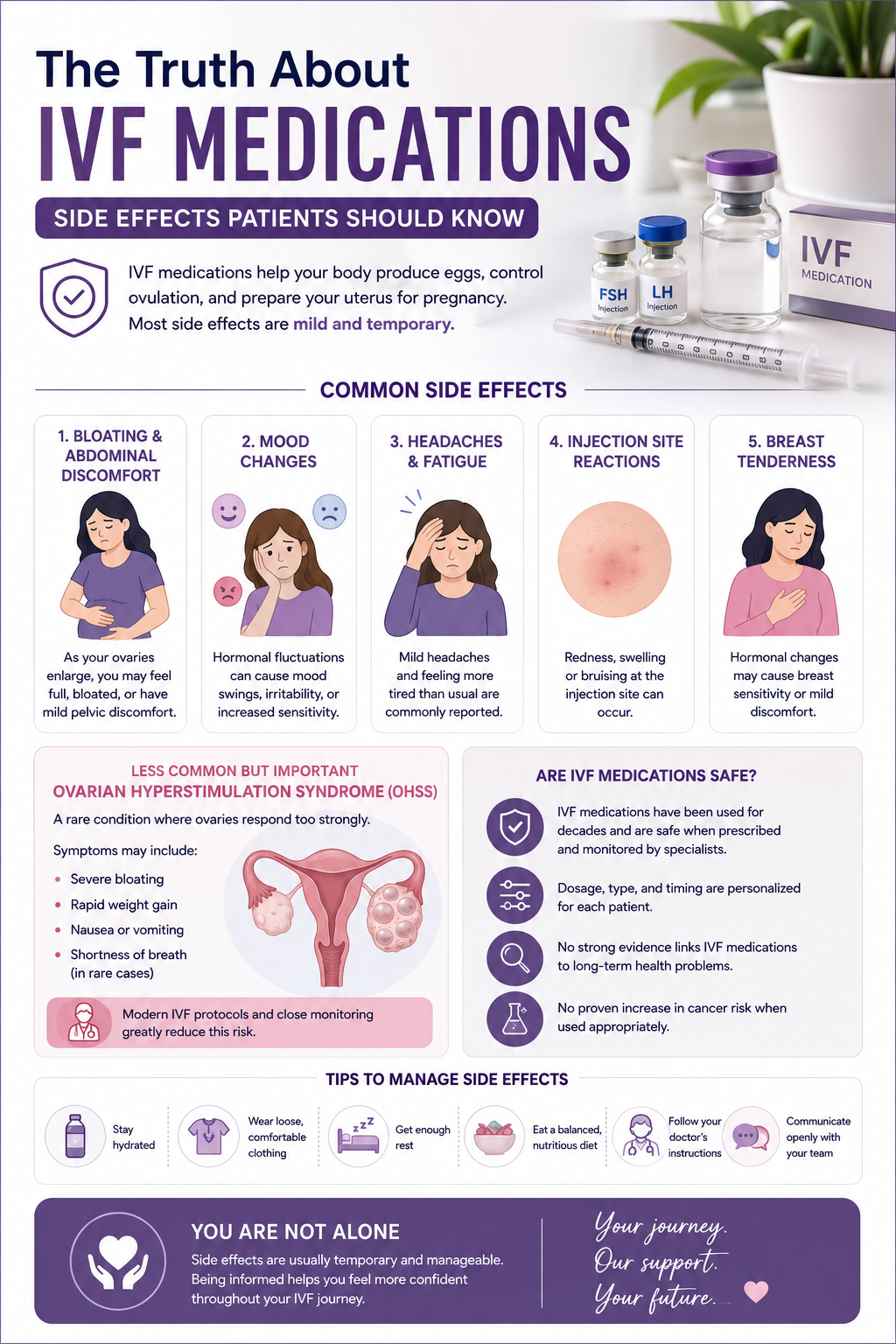
One of the very first questions many fertility patients ask is: “How much does IVF cost?” While completely understandable, this question is often premature. IVF is not a one-size-fits-all treatment — it is a highly individualized medical process that depends entirely on your reproductive health profile.

Before any reputable clinic can provide accurate pricing, several essential diagnostic tests must be completed. These evaluations allow fertility specialists to design a customized treatment strategy, anticipate challenges, and optimize your chances of success.

Simply put — without proper testing, any price you receive is only a rough estimate.


Why Testing Comes Before Pricing

Every fertility journey is biologically unique. Two patients of the same age can have dramatically different ovarian reserves, hormone levels, or uterine conditions.

Providing a price without reviewing medical data can lead to:

  • Unexpected medication costs

  • Cycle cancellations

  • Additional procedures

  • Emotional stress

  • Financial surprises

Leading fertility clinics prioritize medical safety over quick quotations because responsible treatment planning requires evidence, not assumptions.

Think of it like building a home — no architect can give you a precise cost before evaluating the land.


The Most Important IVF Tests When Using Your Own Eggs

1. AMH (Anti-Müllerian Hormone) — The Foundation Test

The AMH test is widely considered the cornerstone of fertility evaluation.

It measures ovarian reserve — essentially estimating how many eggs remain in the ovaries.

Higher AMH does not guarantee pregnancy, but it provides critical insight into how the ovaries are likely to respond to stimulation medications.

Clinics rely heavily on this number to determine:

  • Medication dosage

  • Stimulation protocol

  • Expected egg yield

  • Whether multiple cycles may be recommended

  • Timeline urgency

Most importantly, AMH is what allows physicians to build a truly personalized IVF plan.

Without it, pricing is speculative at best.


2. Antral Follicle Count (AFC)

Performed via transvaginal ultrasound, AFC counts the small follicles visible at the start of the menstrual cycle.

When interpreted alongside AMH, it gives one of the clearest pictures of reproductive potential.

For example:

  • Strong AMH + high AFC → often predicts a better ovarian response

  • Low AMH + low AFC → may require adjusted protocols

This combination is essential for forecasting treatment complexity — and therefore cost.


3. Day 3 Hormone Panel

Typically performed on the third day of menstruation, this blood test evaluates hormones such as:

  • FSH (Follicle-Stimulating Hormone)

  • Estradiol

  • LH

Elevated FSH levels may signal that the ovaries need stronger stimulation, which can influence medication planning.

Again — treatment intensity directly affects overall pricing.


4. Thyroid and Prolactin Testing

Hormonal balance is critical for implantation and early pregnancy.

Even mild thyroid dysfunction can interfere with fertility outcomes, while elevated prolactin levels may disrupt ovulation.

The reassuring part?
These conditions are often easily treatable once identified.

Skipping these tests risks preventable cycle failure.


5. Uterine Evaluation

Before embryo transfer is ever considered, physicians must confirm that the uterus can support implantation.

This may involve:

  • Pelvic ultrasound

  • Saline sonogram

  • Hysteroscopy (if needed)

Detecting polyps, fibroids, or structural irregularities early prevents heartbreaking setbacks later.


6. Infectious Disease Screening

Standard in global fertility care, these tests protect both patients and laboratory environments.

They also ensure embryos are handled according to strict medical safety protocols.


Why Patients Should Resist Shopping for IVF Based on Price Alone

Choosing a fertility clinic purely because it offers the lowest advertised price can be misleading.

Lower initial quotes often exclude:

  • Medication

  • Genetic testing

  • Advanced lab techniques

  • Embryo freezing

  • Additional monitoring

A clinic that insists on reviewing your AMH and diagnostic profile before discussing cost is usually demonstrating medical responsibility — not avoidance.

Transparent pricing begins with accurate diagnosis.


Personalized Medicine Is the Future of IVF

Modern fertility care has shifted away from standardized protocols toward individualized treatment strategies.

Your AMH result acts as a roadmap, guiding physicians toward the safest and most effective approach for your body.

Some patients may benefit from mild stimulation, while others require more advanced protocols. Neither is “better” — only more appropriate for a specific biological situation.

When clinics tailor treatment from the start, patients often experience:

✅ Fewer surprises
✅ Better cycle efficiency
✅ Reduced emotional strain
✅ Greater confidence in their care


Final Thoughts

It is natural to want clarity about financial commitment when considering IVF. However, the smartest first step is not asking, “What is the price?” — it is asking, “What tests do I need?”

Once your AMH and supporting diagnostics are complete, your fertility team can craft a treatment plan designed specifically for you — medically, emotionally, and financially.

Because in reproductive medicine, precision is not a luxury.

It is the foundation of success.

For any of your fertility problems, please do not hesitate to contact us. At Fertility Solutions we pride ourselves with the excellent tailored personal care we provide to our patients for their specific needs. A team member will contact you as soon as we get your message, and construct a personal treatment plan for your fertility problems in the country of Cyprus. You can also contact our clinics directly through the links below.

Get in Touch with Our Clinics:

Cyprus Crown IVF Contact: https://en.cypruscrownivf.com/contact

Cyprus American IVF Contact: https://www.cyprusamericanivf.com/contact-us/

Dr. Halil Ibrahim Tekin  (Dr. HIT) Youtube: https://www.youtube.com/@dr.halilibrahimtekin1715

Cyprus American IVF Youtube: https://www.youtube.com/@AmerikanTupBebekMerkezi

Clavis Fertility Centre: https://www.clavisfertilitycenter.com
General

The Optimal BMI for IVF: Unlocking Your Best Chance for a Healthy Pregnancy

When preparing for in vitro fertilization (IVF), most patients focus on choosing the right clinic, understanding treatment protocols, and managing the emotional aspects of the journey. However, one critical factor that is sometimes overlooked is Body Mass Index (BMI) — a measurable indicator that can significantly influence IVF success, pregnancy health, and even the safety of the procedure itself.

Understanding the healthiest BMI for IVF is not about achieving perfection; it is about optimizing your body to support conception and sustain a healthy pregnancy.


What is BMI and Why Does It Matter?

BMI is a simple calculation based on height and weight that helps categorize whether a person falls within an underweight, normal, overweight, or obese range.

https://images.openai.com/static-rsc-3/h2xtE9VQzr9w1DHpMokHIy2UKoVDCkreyjf4QOsuAYlLshQ-c5NwAjUdzWJQichPt3BHKBPbswtPRRlG3XCewRxwLhyflypgxGHSXInNc2w?purpose=fullsize&v=1
https://images.openai.com/static-rsc-3/6OxPdu-IW-mCpivp4TiTVigucRiFwwcn5AgYnVgQ_2lFh8oRMYaouXSgX5MRiNKr-EU2lwF49ZTjO6PEz4Kmn6yLtw2dmMSDNUGqR07aiWw?purpose=fullsize&v=1
https://images.openai.com/static-rsc-3/SZmb_LUjYuDB4cm8PcJPXJHjKCwad-z6PzfzdCM5sreQHhgLWVb1Mfh5FfmoA6SKCEfF_bwKrSu8jVDUrR9eKulaVOGocLA5H5HJm5Waz3Y?purpose=fullsize&v=1
4

Standard BMI Categories:

Category BMI Range
Underweight Below 18.5
Healthy 18.5 – 24.9
Overweight 25 – 29.9
Obese 30+

For fertility specialists, BMI is more than just a number — it is closely linked to hormone balance, egg quality, sperm health, and implantation potential.


The Healthiest BMI for IVF

Most reproductive specialists agree that the ideal BMI for IVF falls between 20 and 24.

While patients with slightly higher or lower BMIs can absolutely achieve pregnancy, research consistently shows that this range is associated with:

✅ Higher egg quality
✅ Better ovarian response to stimulation
✅ Improved embryo development
✅ Greater implantation rates
✅ Lower miscarriage risk
✅ Safer pregnancies

Think of this range as the body’s “metabolic comfort zone,” where hormones function most predictably.


How a High BMI Can Affect IVF

Excess body fat influences estrogen production and insulin regulation, which can disrupt ovulation and medication response.

Women with higher BMIs may experience:

  • Need for larger medication doses

  • Fewer retrieved eggs

  • Reduced embryo quality

  • Increased miscarriage risk

  • Higher chances of pregnancy complications such as gestational diabetes or preeclampsia

Additionally, IVF procedures themselves can become technically more complex, sometimes requiring adjusted treatment strategies.

Importantly — many clinics successfully treat patients with higher BMIs every day. The goal is risk reduction, not exclusion.


The Hidden Risks of Being Underweight

While much attention is placed on obesity, being underweight can be equally disruptive to fertility.

Low BMI may lead to:

  • Irregular or absent ovulation

  • Reduced estrogen levels

  • Thinner uterine lining

  • Hormonal instability

Your body interprets insufficient fat stores as a signal that it may not be the right time for pregnancy.

Even gaining just 2–4 kilograms can dramatically improve reproductive hormone function in some patients.


Should You Delay IVF to Adjust Your BMI?

This is one of the most common questions fertility specialists hear.

The answer depends largely on age and ovarian reserve.

For example:

  • A 28-year-old may benefit from taking several months to optimize weight.

  • A 40-year-old with diminished ovarian reserve may be advised not to delay treatment unnecessarily.

A personalized medical consultation is essential to balance timing with preparation.


How to Reach a Fertility-Friendly BMI Safely

Avoid extreme diets or rapid weight loss plans before IVF. These can actually harm egg quality.

Instead, focus on sustainable metabolic health:

Prioritize protein-rich nutrition to stabilize blood sugar.
Adopt a Mediterranean-style diet rich in vegetables, healthy fats, and lean proteins.
Incorporate moderate exercise such as walking, swimming, or strength training.
Improve sleep quality, which directly affects reproductive hormones.
Reduce chronic stress, a frequently underestimated fertility disruptor.

Even a 5–10% weight adjustment can significantly improve IVF outcomes.

Progress matters more than perfection.


Remember — BMI Is Only One Piece of the Fertility Puzzle

Although BMI is important, it does not define your fertility potential.

Top clinics evaluate many factors together, including:

  • Egg reserve

  • Embryo genetics

  • Sperm quality

  • Uterine health

  • Advanced laboratory technologies

  • Physician expertise

Many patients outside the “ideal” BMI range go on to have completely healthy pregnancies with the right medical guidance.


Final Thoughts

The healthiest BMI for IVF is ultimately about preparing your body for the remarkable process of creating life.

Rather than viewing weight as a barrier, consider it a powerful opportunity — one that allows you to actively improve your chances of success before treatment even begins.

With modern reproductive technologies, personalized care, and proactive preparation, patients today have more control than ever over their fertility journey.

If you are considering IVF, speaking with an experienced fertility team can help you understand where you stand today — and what small adjustments could make a meaningful difference tomorrow.

Because sometimes, the path to parenthood begins with creating the healthiest foundation possible.

For any of your fertility problems, please do not hesitate to contact us. At Fertility Solutions we pride ourselves with the excellent tailored personal care we provide to our patients for their specific needs. A team member will contact you as soon as we get your message, and construct a personal treatment plan for your fertility problems in the country of Cyprus. You can also contact our clinics directly through the links below.

Get in Touch with Our Clinics:

Cyprus Crown IVF Contact: https://en.cypruscrownivf.com/contact

Cyprus American IVF Contact: https://www.cyprusamericanivf.com/contact-us/

Dr. Halil Ibrahim Tekin  (Dr. HIT) Youtube: https://www.youtube.com/@dr.halilibrahimtekin1715

Cyprus American IVF Youtube: https://www.youtube.com/@AmerikanTupBebekMerkezi

Clavis Fertility Centre: https://www.clavisfertilitycenter.com

General

The Ultimate Guide to Choosing Fertility Solutions: Your Trusted Gateway to World-Class IVF Care

Choosing the right fertility provider is one of the most important decisions in your journey toward parenthood. With so many options available worldwide, patients often seek a trusted partner who can simplify the process, provide transparency, and connect them with leading specialists.

Fertility Solutions has become a preferred choice for international patients by partnering with some of the most advanced fertility clinics in Cyprus and beyond. By combining expert medical care, cutting-edge technology, multilingual support, and a patient-first philosophy, Fertility Solutions ensures that every individual or couple feels supported from the very first consultation.

But what truly sets Fertility Solutions apart is its collaboration with four exceptional fertility centers, each offering unique strengths while maintaining the highest global standards.


Why Patients Choose Fertility Solutions

Fertility treatment is not just a medical process — it is an emotional journey that requires trust, clarity, and personalized care. Fertility Solutions acts as your dedicated guide, helping you navigate everything from clinic selection to travel planning and treatment coordination.

Patients benefit from:

  • Access to internationally recognized fertility specialists

  • Transparent treatment pathways

  • Multilingual patient coordinators

  • Advanced genetic technologies

  • Personalized treatment plans

  • Support before, during, and after treatment

Most importantly, Fertility Solutions believes that no two fertility journeys are alike. Every recommendation is tailored to your medical history, goals, and comfort level.


Cyprus Crown IVF — Led by Dr. Halil Ibrahim Tekin

Often considered a top choice for complex fertility cases, Cyprus Crown IVF operates under the leadership of Dr. Halil Ibrahim Tekin (Dr. HIT) — a highly experienced fertility specialist known for his precision and patient-centered approach.

One of the clinic’s greatest strengths is its truly international structure. Patients are supported by coordinators who speak:

  • Albanian

  • Russian

  • Ukrainian

  • Spanish

  • Turkish

  • English

  • French

  • German

  • Moroccan Arabic

This diverse team helps patients feel understood and comfortable, regardless of where they are traveling from.

Cyprus Crown IVF is equipped with some of the most advanced reproductive technologies available today, including:

  • NGS (Next Generation Sequencing)

  • AI-supported embryo selection

  • FISH genetic testing

  • PGD/PGT screening

The clinic offers a full spectrum of fertility treatments — from IVF and egg donation to embryo donation and genetic testing — making it an excellent option for patients seeking both expertise and innovation.


Cyprus American IVF — Led by Assoc. Prof. Dr. Uğurkan Erkayıran

Under the leadership of Assoc. Prof. Dr. Uğurkan Erkayıran, Cyprus American IVF has quickly gained recognition for delivering high-quality fertility care with a strong emphasis on accessibility.

For many patients, this clinic represents an attractive balance between advanced treatment and cost-effectiveness, offering slightly more affordable pricing without compromising medical standards.

Like its counterparts, Cyprus American IVF utilizes leading technologies such as:

  • AI embryo monitoring

  • NGS

  • FISH

  • PGD

All fertility treatments are available, allowing physicians to design highly individualized protocols.

The clinic is supported by experienced international patient coordinators who ensure smooth communication and structured treatment planning — particularly valuable for patients traveling abroad for care.


Clavis IVF — A Female-Led Approach in Nicosia

Located in the capital city of Nicosia, Clavis IVF stands out for its female leadership and supportive clinical environment.

For some patients — particularly women undergoing emotionally sensitive fertility treatments — a female-led medical team can provide an added sense of comfort and understanding.

Clavis IVF is staffed by female international coordinators who prioritize empathy, privacy, and attentive care throughout the treatment process.

The clinic is fully equipped with modern reproductive technologies, including:

  • AI embryo assessment

  • NGS

  • FISH

  • PGD

Alongside comprehensive fertility treatments, Clavis IVF focuses on creating a calm and reassuring atmosphere where patients feel empowered and informed.


Dr. HIT Batumi — A Trusted Destination for Surrogacy

For patients requiring surrogacy, Fertility Solutions also collaborates with Dr. HIT Batumi, located in Georgia.

Georgia is known for its relatively relaxed surrogacy laws, making it a viable option for intended parents seeking clear legal frameworks and structured programs.

Dr. HIT oversees operations alongside a dedicated team, ensuring that medical quality, ethical standards, and patient safety remain top priorities throughout the surrogacy journey.


The Cyprus Advantage: Healing Beyond the Clinic

Beyond medical excellence, Cyprus itself plays a meaningful role in the fertility journey.

The island’s warm Mediterranean climate encourages relaxation — an often overlooked but important factor in reproductive health. Patients frequently appreciate:

  • Fresh, organic cuisine

  • Clean air

  • Sunshine year-round

  • Beautiful beaches

  • Calm, safe swimming waters

  • A low-stress environment

This combination of physical comfort and emotional ease helps many patients feel more balanced during treatment.


A Partner You Can Trust

Choosing Fertility Solutions means gaining more than access to excellent clinics — it means having a knowledgeable partner dedicated to helping you make confident, informed decisions.

Whether you are exploring IVF, egg donation, embryo donation, genetic testing, or surrogacy, Fertility Solutions connects you with trusted experts while supporting you at every stage.

Your path to parenthood deserves experience, compassion, and world-class care — and with Fertility Solutions, that journey begins with confidence.

For any of your fertility problems, please do not hesitate to contact us. At Fertility Solutions we pride ourselves with the excellent tailored personal care we provide to our patients for their specific needs. A team member will contact you as soon as we get your message, and construct a personal treatment plan for your fertility problems in the country of Cyprus. You can also contact our clinics directly through the links below.

Get in Touch with Our Clinics:

Cyprus Crown IVF Contact: https://en.cypruscrownivf.com/contact

Cyprus American IVF Contact: https://www.cyprusamericanivf.com/contact-us/

Dr. Halil Ibrahim Tekin  (Dr. HIT) Youtube: https://www.youtube.com/@dr.halilibrahimtekin1715

Cyprus American IVF Youtube: https://www.youtube.com/@AmerikanTupBebekMerkezi

Clavis Fertility Centre: https://www.clavisfertilitycenter.com
General

The Ultimate Guide to Embryo Donation: A Step-by-Step Path to Parenthood

For many individuals and couples struggling with infertility, traditional IVF using their own eggs or sperm may not always be possible. In such cases, embryo donation offers a powerful and life-changing alternative — providing hope when other options have been exhausted.

Embryo donation is one of the most emotionally meaningful fertility treatments, allowing patients to experience pregnancy and childbirth even when both egg and sperm are unavailable or unsuitable. In this guide, we explain embryo donation step by step, and clearly outline the differences between embryo donation, egg donation, and sperm donation.


What Is Embryo Donation?

Embryo donation involves the transfer of an already-created embryo into the uterus of the intended mother or gestational carrier.

These embryos are created using:

  • a donated egg

  • a donated sperm

The resulting embryo is then frozen and later transferred to the recipient’s uterus.

Unlike egg or sperm donation alone, embryo donation means the patient is not genetically related to the baby — but will carry the pregnancy, give birth, and experience the full emotional and physical journey of motherhood.


Step-by-Step Guide to Embryo Donation

Step 1: Medical Consultation and Evaluation

The journey begins with a detailed medical consultation. Doctors evaluate:

  • Uterine health

  • Hormone levels

  • Medical history

  • Previous IVF attempts

  • Overall readiness for pregnancy

This step ensures that the uterus is healthy and capable of supporting implantation.


Step 2: Choosing the Embryo Donor

Embryo donors are carefully selected through strict medical and ethical guidelines. Donors typically undergo:

  • Genetic screening

  • Infectious disease testing

  • Psychological evaluation

  • Family medical history review

In many clinics, sperm is sourced from internationally certified sperm banks (often from Denmark or Europe), while egg donors are selected based on age, fertility history, and health.


Step 3: Matching and Legal Documentation

Once a suitable embryo is selected, consent forms and legal agreements are completed. These documents protect:

  • the recipient parents

  • the donors

  • the clinic

Embryo donation is anonymous in most cases, depending on local regulations.


Step 4: Uterine Preparation

The recipient does not need ovarian stimulation or egg collection.

Instead, the uterus is prepared using:

  • estrogen (to build the uterine lining)

  • progesterone (to support implantation)

This process usually takes 10–14 days and is painless.


Step 5: Embryo Transfer

The embryo transfer is a simple, gentle procedure:

  • no anesthesia

  • no surgery

  • completed in minutes

The embryo is carefully placed into the uterus using ultrasound guidance.


Step 6: Pregnancy Test and Follow-Up

About 10–12 days after transfer, a blood pregnancy test (beta-hCG) is performed.

If positive, hormonal support continues, and early pregnancy ultrasounds are scheduled.


Differences Between Embryo Donation, Egg Donation, and Sperm Donation

Understanding the differences is essential when choosing the right fertility path.


Embryo Donation

  • Egg and sperm are both donated

  • No genetic connection to either parent

  • Recipient carries pregnancy and gives birth

  • No egg retrieval needed

  • Often faster and more affordable

Best for:
Women with poor egg quality combined with severe male infertility, genetic risks, or repeated IVF failure.


Egg Donation

  • Donor provides eggs

  • Intended father provides sperm

  • Genetic link to the father only

  • Requires fertilization in the lab

Best for:
Women with low ovarian reserve, early menopause, or advanced maternal age.


Sperm Donation

  • Intended mother uses her own eggs

  • Donor sperm is used for fertilization

  • Genetic link to the mother

Best for:
Severe male infertility, azoospermia, or genetic conditions in the male partner.


Why Many Patients Choose Embryo Donation

Embryo donation offers several advantages:

  • Higher success rates due to young, healthy donors

  • No stimulation or egg retrieval process

  • Lower emotional and physical burden

  • Shorter treatment timeline

  • Opportunity to experience pregnancy and childbirth

For many women, carrying the pregnancy creates a deep emotional bond — regardless of genetics.


Emotional Considerations

Choosing embryo donation is a deeply personal decision. While some patients initially worry about genetics, many discover that:

  • pregnancy creates powerful maternal attachment

  • love and bonding develop naturally

  • parenting is defined by care, not DNA

Proper counseling and support play a vital role throughout this journey.


Final Thoughts

Embryo donation is not a “last resort” — it is a beautiful alternative path to parenthood.

It offers hope to couples who thought their dream of becoming parents was no longer possible. With the right medical guidance, emotional support, and a trusted fertility team, embryo donation can lead to healthy pregnancies and lifelong happiness.

If you are considering fertility treatment and want to explore whether embryo donation, egg donation, or sperm donation is right for you, a personalized consultation is always the first step toward clarity.

For any of your fertility problems, please do not hesitate to contact us. At Fertility Solutions we pride ourselves with the excellent tailored personal care we provide to our patients for their specific needs. A team member will contact you as soon as we get your message, and construct a personal treatment plan for your fertility problems in the country of Cyprus. You can also contact our clinics directly through the links below.

Get in Touch with Our Clinics:

Cyprus Crown IVF Contact: https://en.cypruscrownivf.com/contact

Cyprus American IVF Contact: https://www.cyprusamericanivf.com/contact-us/

Dr. Halil Ibrahim Tekin  (Dr. HIT) Youtube: https://www.youtube.com/@dr.halilibrahimtekin1715

Cyprus American IVF Youtube: https://www.youtube.com/@AmerikanTupBebekMerkezi

Clavis Fertility Centre: https://www.clavisfertilitycenter.com
General

A New Era Begins: Assoc. Prof. Dr. Uğurkan Erkayıran Leads Cyprus American IVF Forward

Meet Assoc. Prof. Dr. Uğurkan Erkayıran:

A New Era Begins at Cyprus American IVF Clinic

Cyprus American IVF Clinic is proud to announce an exciting new chapter with the appointment of Assoc. Prof. Dr. Uğurkan Erkayıran as the new Head Doctor. With years of academic excellence, extensive clinical experience, and a strong background in reproductive medicine and women’s health, Dr. Erkayıran brings a powerful combination of science, compassion, and innovation to one of North Cyprus’s leading fertility centers.

His arrival marks a renewed commitment by Cyprus American IVF Clinic to provide world-class fertility care to patients from around the globe — combining advanced medical technology with individualized, ethical, and patient-centered treatment.

A Strong Academic Foundation

Dr. Uğurkan Erkayıran graduated from Cumhuriyet University Faculty of Medicine, completing his medical degree in 2008. He later specialized in Obstetrics and Gynecology at Ankara Training and Research Hospital, one of Turkey’s most respected medical institutions, completing his specialization in 2013

Uğurkan ERKAYIRAN cv

.

From early in his career, Dr. Erkayıran demonstrated a strong interest in both clinical excellence and scientific research, particularly in reproductive medicine, pregnancy complications, and fertility-related conditions.

His academic path continued with his appointment as a faculty member at Kahramanmaraş Sütçü İmam University, where he served as Assistant Professor in the Department of Obstetrics and Gynecology starting in 2017

Uğurkan ERKAYIRAN cv

. During this period, he supervised medical theses and contributed actively to the education of young physicians.

Extensive Scientific and Clinical Expertise

Assoc. Prof. Dr. Erkayıran is widely recognized for his impressive scientific portfolio. He has authored and co-authored dozens of peer-reviewed international publications, focusing on topics such as:

  • Endometriosis

  • Polycystic Ovary Syndrome (PCOS)

  • Preeclampsia

  • Cesarean scar pregnancy

  • Uterine surgical techniques

  • Ovarian tissue protection

  • Pregnancy complications and maternal-fetal medicine

His research has been published in respected international journals including Ginekologia Polska, The Journal of Reproductive Medicine, Journal of Maternal-Fetal & Neonatal Medicine, and Turkish Journal of Medical Sciences

In addition, Dr. Erkayıran has contributed chapters to international medical books, including publications on COVID-19 and pregnancy and strategies for preventing Ovarian Hyperstimulation Syndrome (OHSS) — a topic of critical importance in modern IVF treatments

This academic depth allows him to approach IVF not only as a clinical procedure, but as a constantly evolving science.

A Doctor Who Understands IVF From Every Angle

What truly distinguishes Dr. Uğurkan Erkayıran is his ability to combine hands-on clinical experience with evidence-based medicine.

Throughout his career, he has treated thousands of patients dealing with:

  • Infertility

  • Recurrent pregnancy loss

  • Hormonal disorders

  • Endometriosis

  • Uterine abnormalities

  • High-risk pregnancies

His experience with complex fertility cases enables him to design personalized IVF treatment plans, especially for patients who have previously experienced failed cycles or unexplained infertility.

At Cyprus American IVF Clinic, Dr. Erkayıran works closely with embryologists, fertility specialists, and international patient coordinators to ensure that every couple receives clear communication, transparent guidance, and emotional support throughout their journey.

A Vision for Cyprus American IVF Clinic

As the new Head Doctor, Dr. Erkayıran’s vision is clear:
to make Cyprus American IVF Clinic a global destination for advanced, ethical, and successful fertility treatment.

His goals include:

  • Strengthening individualized IVF protocols

  • Integrating the latest scientific evidence into daily clinical practice

  • Enhancing embryo selection strategies

  • Prioritizing patient safety and transparency

  • Supporting international patients with structured treatment planning

With North Cyprus already known for its flexible fertility laws, high success rates, and affordable treatments, Dr. Erkayıran aims to elevate the clinic even further by aligning medical excellence with compassionate care.

A Message to International Patients

For couples traveling from Europe, the Middle East, Canada, and beyond, choosing the right doctor is one of the most important decisions in their fertility journey.

Assoc. Prof. Dr. Uğurkan Erkayıran believes that fertility treatment should never feel rushed or confusing. His philosophy centers on:

  • Listening carefully to each patient’s story

  • Reviewing prior IVF attempts in detail

  • Creating realistic expectations

  • Treating every case as unique

Under his leadership, Cyprus American IVF Clinic continues to welcome patients seeking hope, clarity, and trustworthy medical guidance — all in a warm and supportive Mediterranean environment.

Looking Forward

The appointment of Assoc. Prof. Dr. Uğurkan Erkayıran as Head Doctor represents an important milestone for Cyprus American IVF Clinic.

With his strong academic background, extensive research experience, and compassionate approach to patient care, he stands ready to guide couples toward one of life’s most meaningful dreams — building a family.

For patients considering fertility treatment abroad, Cyprus American IVF Clinic, under Dr. Erkayıran’s leadership, continues to move forward with confidence, innovation, and heart.

For any of your fertility problems, please do not hesitate to contact us. At Fertility Solutions we pride ourselves with the excellent tailored personal care we provide to our patients for their specific needs. A team member will contact you as soon as we get your message, and construct a personal treatment plan for your fertility problems in the country of Cyprus. You can also contact our clinics directly through the links below.

Get in Touch with Our Clinics:

Cyprus Crown IVF Contact: https://en.cypruscrownivf.com/contact

Cyprus American IVF Contact: https://www.cyprusamericanivf.com/contact-us/

Dr. Halil Ibrahim Tekin  (Dr. HIT) Youtube: https://www.youtube.com/@dr.halilibrahimtekin1715

Cyprus American IVF Youtube: https://www.youtube.com/@AmerikanTupBebekMerkezi

Clavis Fertility Centre: https://www.clavisfertilitycenter.com
General

The “Fertility Gap” in the U.S. and Canada: Why Birth Rates Are Falling—and What Families Can Do Next

Across North America, a quiet demographic shift is accelerating: fewer babies are being born each year. In the United States, the general fertility rate declined again in 2024 (to 53.8 births per 1,000 women ages 15–44), and the total fertility rate remained far below replacement level. CDC+1 In Canada, the total fertility rate fell to 1.25 children per woman in 2024, a record low. Statistics Canada

This isn’t just a statistic—it’s the fertility gap: the growing distance between the number of children people want to have and the number they’re actually able to have.

What’s driving the fertility gap?

The fertility gap is not caused by one thing. It’s a chain reaction of modern life:

  • Later family-building: People are starting families in their 30s more than ever, and biology doesn’t always cooperate.

  • High cost of living: Housing, childcare, and education are expensive, making family plans feel risky.

  • Career and stability pressures: Many couples delay trying until “everything is ready,” only to find time isn’t unlimited.

  • Access barriers to fertility care: Even when someone is ready emotionally and financially, the system can be slow, confusing, or simply unaffordable.

The fertility gap is especially painful because it’s often invisible—until it becomes personal.

How the fertility gap affects the economy and society

When the fertility gap grows, countries age faster. That means fewer working-age people supporting more retirees, which can strain pensions, healthcare budgets, and public finances. The OECD has repeatedly warned that ageing populations—driven by lower birth rates and longer life expectancy—raise long-term fiscal pressure and can create labour shortages. OECD+1

At the global level, the same pattern is unfolding: fertility rates are trending downward in many regions, reshaping population structures for the rest of this century. World Population Prospects+1 The world population may still grow in the near term, but growth is increasingly concentrated in fewer places, while many countries face “baby-bust” dynamics and rapid ageing. IMF

In other words: the fertility gap is becoming one of the defining challenges of the modern era—economically, socially, and politically.

Why fertility treatment is so costly in the U.S. and Canada

In the U.S., the cost of IVF is commonly cited in the $12,000–$25,000 per cycle range—and many people need more than one cycle. AP News+1 Costs can rise further with medications, genetic testing, lab add-ons, and freezing.

In Canada, public funding exists in some provinces, but coverage can be limited, and eligibility, waitlists, and what’s included vary. For example, Ontario funds fertility services through its program—but not everything (often including medications and certain extras). Ontario That means many families still face major out-of-pocket expenses, even when “funded IVF” is available.

So the fertility gap grows wider: the need rises, but affordability and access don’t keep pace.

What can be done to close the fertility gap?

Some solutions are national and long-term—childcare support, housing affordability, stable parental leave, and better insurance coverage for fertility care. OECD+1 But there’s also a practical, immediate solution for many families:

Expand access through cross-border care—safely, ethically, and with expert coordination.

Why North Cyprus is becoming a viable option for families

For many intended parents in the U.S. and Canada, the fertility gap isn’t about desire—it’s about access, timing, and cost. That’s where North Cyprus can be a powerful alternative, especially when families want:

  • More cost-effective treatment pathways than many North American private clinics

  • Flexible, patient-focused planning (especially for international patients)

  • A calmer, travel-friendly environment that supports the emotional side of treatment

  • End-to-end coordination so the process feels manageable

Why choose Cyprus Crown IVF, Cyprus American IVF, and Clavis IVF—through FertilitySolutions

If you’re trying to close the fertility gap in your own life, you need more than a clinic—you need a team that can guide the entire journey.

When you contact FertilitySolutions, you’re met by experienced coordinators who can help organize the full treatment experience: clinic scheduling, travel planning support, accommodation options, and local transportation—so you don’t have to piece everything together alone.

And you gain access to trusted partners in North Cyprus, including:

  • Cyprus Crown IVF

  • Cyprus American IVF

  • Clavis IVF

Each clinic offers a structured, professional pathway toward parenthood—especially for international families who want clarity, speed, and support.

The fertility gap is real—but it’s not the end of the story

Declining birth rates are shaping the future of the U.S., Canada, and the world. World Population Prospects+1 But for individual families, the fertility gap doesn’t have to define the outcome.

If you’re ready to act—rather than wait—the most important step is simple:

Reach out to FertilitySolutions.
Let our experts help you explore your options in North Cyprus, and build a plan that fits your timeline, your medical needs, and your dream of becoming parents.

For any of your fertility problems, please do not hesitate to contact us. At Fertility Solutions we pride ourselves with the excellent tailored personal care we provide to our patients for their specific needs. A team member will contact you as soon as we get your message, and construct a personal treatment plan for your fertility problems in the country of Cyprus. You can also contact our clinics directly through the links below.

Get in Touch with Our Clinics:

Cyprus Crown IVF Contact: https://en.cypruscrownivf.com/contact

Cyprus American IVF Contact: https://www.cyprusamericanivf.com/contact-us/

Dr. Halil Ibrahim Tekin  (Dr. HIT) Youtube: https://www.youtube.com/@dr.halilibrahimtekin1715

Cyprus American IVF Youtube: https://www.youtube.com/@AmerikanTupBebekMerkezi

Clavis Fertility Centre: https://www.clavisfertilitycenter.com

General

Building Hope Without Borders: Fertility Solutions’ Bold Vision for 2026

Fertility Solutions was born from a simple but powerful belief: creating a family should never be a privilege reserved for the wealthy. What began as a shared concern between two siblings has grown into an international mission to make fertility care more accessible, transparent, and human.

How It All Started

In 2022, siblings Ata Tekin and Nil Tekin were living in Vancouver, Canada, when they began researching IVF and fertility treatments more deeply. What they discovered was striking: the cost of creating a family in North America had reached levels that were simply out of reach for many hopeful parents.

At the same time, North America faces an aging population, with declining birth rates becoming a growing social and economic concern. Reproduction is not only a personal dream—it is a societal necessity. Ata and Nil asked a simple question:
Why should people have to pay extraordinary amounts of money just to have children?

That question became the foundation of Fertility Solutions.


Discovering North Cyprus: The Turning Point

After extensive research across Europe, Fertility Solutions identified North Cyprus as one of the most optimal destinations for fertility treatment—offering high medical standards, competitive pricing, and relaxed legal frameworks, all within a peaceful Mediterranean environment.

The first clinic added to the Fertility Solutions roster was Cyprus Crown IVF Centre, led by Dr. Halil Ibrahim Tekin, widely known as Dr. HIT.

Dr. HIT opened the first IVF clinic in Nicosia in 1999, making him one of the most experienced fertility doctors in the region. His decades of expertise, exceptional success rates, and meticulous embryology standards made Cyprus Crown IVF a natural cornerstone for Fertility Solutions.


Healing Beyond Medicine: Why Cyprus Matters

Cyprus offers more than advanced medical care—it offers emotional healing.

Scientific studies consistently show that lower stress levels can positively influence fertility outcomes. The Mediterranean climate, access to fresh natural foods, proximity to the sea, and slower pace of life all help reduce cortisol levels and anxiety. Sun exposure supports vitamin D production, which has been linked in several studies to improved reproductive health.

For many patients, Cyprus transforms IVF from a clinical struggle into a calmer, more hopeful journey.


Expanding Expertise and Technology

As Fertility Solutions grew, it added Cyprus American IVF to its network. Together, these clinics offer advanced genetic technologies such as NGS (Next Generation Sequencing) and FISH.

NGS, in particular, has become one of the most reliable tools in modern IVF. It allows embryologists to examine all chromosomes in an embryo with high precision, helping identify chromosomal abnormalities and improving implantation rates—especially for patients with recurrent IVF failure or miscarriage history.


Reaching Europe Through Language and Trust

After successfully supporting many patients from North America, Fertility Solutions set its sights on Europe. This transition was seamless thanks to highly skilled multilingual patient coordinators at partner clinics, enabling communication in multiple languages and cultures.

Trust, clarity, and empathy became the brand’s strongest assets.


Welcoming Clavis IVF: Empowering Women in Fertility Care

In 2025, Fertility Solutions carefully evaluated and partnered with Clavis IVF, led by Dr. Selen Eçemiş.

Dr. Eçemiş is widely respected for her advanced medical knowledge, international training, and excellent command of English. Clavis IVF has quickly gained attention for its female-led team, something especially important for families who prefer a female doctor during examinations.

With a 5.0-star Google rating, a predominantly female staff, and a strong emphasis on patient comfort, Clavis IVF represents not only medical excellence—but also female empowerment in reproductive healthcare.


Looking Ahead: Fertility Solutions’ Goals for 2026

As Fertility Solutions moves into 2026, its core mission remains unchanged:
to help families achieve their dream of parenthood—without financial barriers.

Key goals include:

  • Supporting a greater number of international patients

  • Raising global awareness of affordable, high-quality fertility care

  • Expanding multilingual patient support

  • Partnering with clinics that meet the highest ethical and medical standards

One of the most exciting milestones ahead is the near completion of Dr. HIT Fertility Center—set to become the largest fertility clinic in Europe, and possibly the world.

This next-generation facility will be:

  • Environmentally friendly, powered by solar energy

  • Designed to meet the highest cleanliness and quality standards

  • Equipped to host specialists from around the world

  • Positioned to compete for top international healthcare awards


A Heartfelt Thank You

Fertility Solutions would like to sincerely thank every patient who trusted us in 2025. Your journeys, courage, and dreams are the reason we continue to grow.

As we move into 2026, we remain committed to one promise:
No dream of parenthood should be limited by geography or cost.

And this is only the beginning.

For any of your fertility problems, please do not hesitate to contact us. At Fertility Solutions we pride ourselves with the excellent tailored personal care we provide to our patients for their specific needs. A team member will contact you as soon as we get your message, and construct a personal treatment plan for your fertility problems in the country of Cyprus. You can also contact our clinics directly through the links below.

Get in Touch with Our Clinics:

Cyprus Crown IVF Contact: https://en.cypruscrownivf.com/contact

Cyprus American IVF Contact: https://www.cyprusamericanivf.com/contact-us/

Dr. Halil Ibrahim Tekin  (Dr. HIT) Youtube: https://www.youtube.com/@dr.halilibrahimtekin1715

Cyprus American IVF Youtube: https://www.youtube.com/@AmerikanTupBebekMerkezi

Clavis Fertility Centre: https://www.clavisfertilitycenter.com


Notice: ob_end_flush(): Failed to send buffer of zlib output compression (0) in /home/fertilitysol/public_html/wp-includes/functions.php on line 5481