General

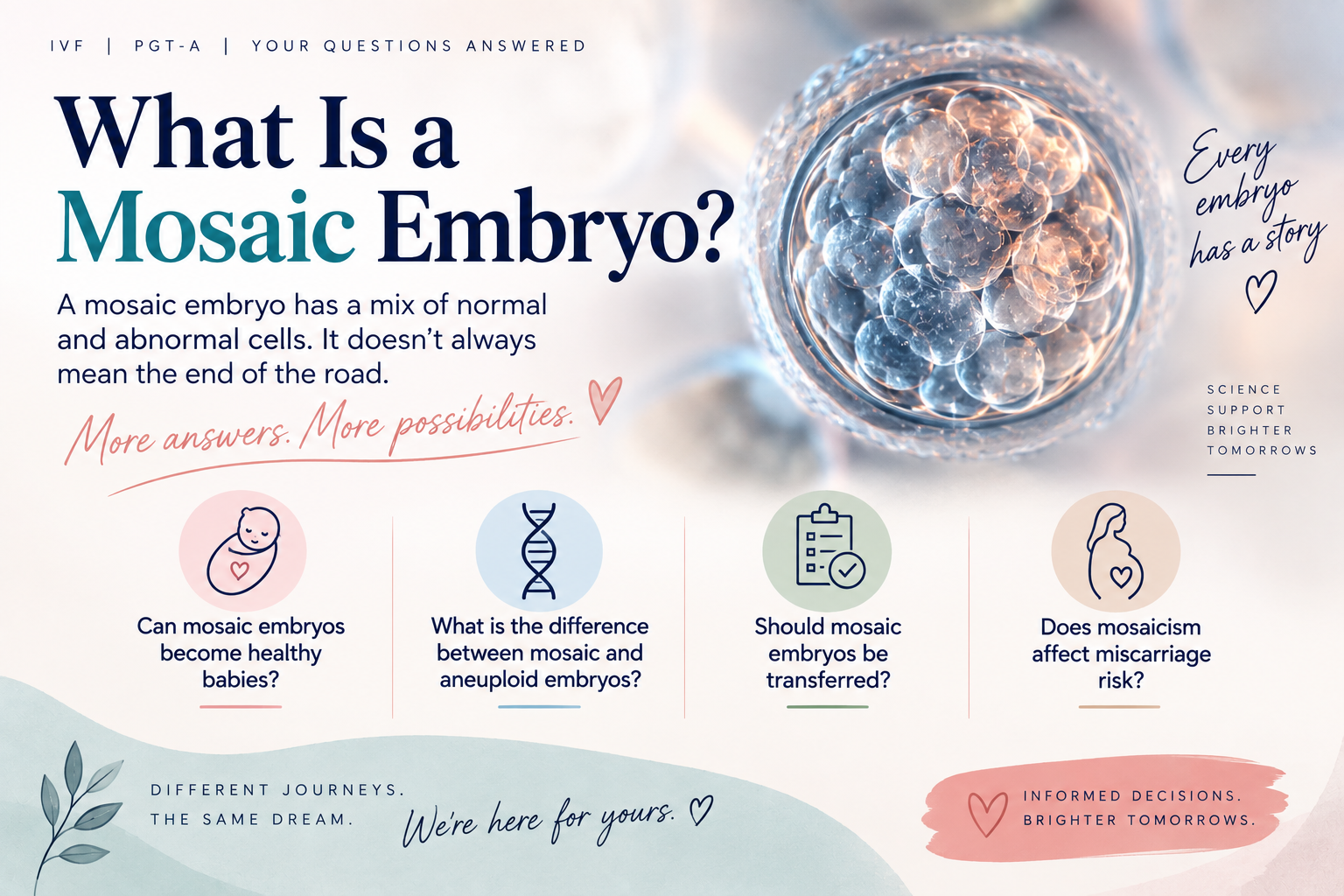
What Causes Chromosomal Abnormalities in Embryos? Understanding the Science Behind IVF and Embryo Health

One of the most difficult conversations patients may have during IVF treatment is hearing that some or all of their embryos are chromosomally abnormal.

Many couples immediately ask:

“Did we do something wrong?”
“Can this be prevented?”
“Why are my embryos abnormal?”

The truth is that chromosomal abnormalities are surprisingly common, especially as women and men get older. In many cases, these abnormalities occur naturally during egg or sperm development and are completely outside a patient’s control.

Understanding why these abnormalities occur can help patients make informed decisions and reduce some of the uncertainty that often accompanies fertility treatment.

Why Are My Embryos Chromosomally Abnormal?

Embryos contain genetic material from both the egg and the sperm.

A healthy embryo typically contains 46 chromosomes.

Sometimes, during fertilization or cell division, embryos may receive:

  • Extra chromosomes
  • Missing chromosomes
  • Abnormal chromosome arrangements

This is called aneuploidy.

An abnormal embryo may:

  • Stop developing
  • Fail to implant
  • Result in miscarriage
  • Lead to certain genetic conditions

Importantly, chromosomal abnormalities often happen naturally and do not necessarily indicate that either partner has a medical problem.

Many healthy couples can produce abnormal embryos, especially as maternal age increases.

What Are the Main Causes of Chromosomal Abnormalities?

Several factors can contribute to abnormal embryos.

Female Age

Age remains the strongest factor.

As women get older:

  • Egg quality declines
  • Chromosome separation becomes less accurate
  • Aneuploid embryos become more common

This is one reason IVF success rates often decrease with age.

Sperm Quality

Although egg quality receives much attention, sperm health also plays an important role.

Factors such as:

  • Sperm DNA fragmentation
  • Advanced paternal age
  • Severe male factor infertility

may contribute to embryo abnormalities.

Random Cell Division Errors

Many chromosomal abnormalities simply occur during the earliest stages of embryo development.

Even perfectly healthy eggs and sperm can occasionally produce abnormal embryos.

Genetic Conditions

Certain inherited chromosome rearrangements, such as balanced translocations, can increase the risk of abnormal embryos.

In these situations, genetic testing may be recommended.

What Makes You High Risk for Chromosomal Abnormalities?

Several factors may increase the risk.

These include:

Advanced Maternal Age

Women over 35 generally experience higher rates of chromosomal abnormalities.

The risk continues to increase as age advances.

Recurrent Miscarriage

Repeated pregnancy loss can sometimes be associated with abnormal embryos.

Previous IVF Failures

Multiple failed IVF cycles may lead doctors to investigate possible chromosomal issues.

Family History of Genetic Conditions

Some inherited disorders can increase the likelihood of abnormal embryos.

Male Factor Infertility

Certain sperm abnormalities may contribute to genetic problems during embryo development.

How to Prevent Chromosomal Abnormalities in Embryos?

Unfortunately, there is no guaranteed way to prevent chromosomal abnormalities.

However, some strategies may help optimize reproductive health.

Maintain a Healthy Lifestyle

Patients are encouraged to:

  • Avoid smoking
  • Limit alcohol consumption
  • Maintain a healthy weight
  • Exercise regularly
  • Follow a balanced diet

Manage Medical Conditions

Conditions such as diabetes, thyroid disorders, and hormonal imbalances should be treated appropriately.

Consider Antioxidants and Supplements

Some patients use supplements such as:

  • CoQ10
  • Vitamin D
  • Omega-3 fatty acids

These may support overall reproductive health, although they cannot guarantee normal embryos.

Genetic Testing

PGT-A allows embryologists to examine embryo chromosomes before transfer.

This can help identify embryos with the correct number of chromosomes in certain patients.

Can Normal Embryos Still Be Found?

Absolutely.

Many IVF patients produce a mixture of:

  • Chromosomally normal embryos
  • Chromosomally abnormal embryos

The goal of modern IVF is to identify embryos with the highest potential for implantation and healthy pregnancy.

Even patients who produce some abnormal embryos may still have healthy embryos available for transfer.

The Emotional Side of Abnormal Embryos

Learning that embryos are abnormal can be emotionally difficult.

Patients often experience:

  • Frustration
  • Sadness
  • Guilt
  • Anxiety

It is important to remember that chromosomal abnormalities are often a natural biological event.

In most cases, they are not caused by anything the patient did or failed to do.

Final Thoughts

Chromosomal abnormalities are one of the most common reasons embryos fail to implant or pregnancies end in miscarriage.

Age, egg quality, sperm quality, and natural cell division errors all play a role.

While these abnormalities cannot always be prevented, modern fertility treatments and genetic testing can provide valuable information and help guide treatment decisions.

Understanding embryo genetics allows patients and fertility specialists to make more informed decisions and move forward with greater confidence and clarity.

Because sometimes the most important step is not asking, “Why did this happen?” but rather, “What can we learn from it?”

For any of your fertility problems, please do not hesitate to contact us. At Fertility Solutions we pride ourselves with the excellent tailored personal care we provide to our patients for their specific needs. A team member will contact you as soon as we get your message, and construct a personal treatment plan for your fertility problems in the country of Cyprus. You can also contact our clinics directly through the links below.

Get in Touch with Our Clinics:

Cyprus Crown IVF Contact: https://en.cypruscrownivf.com/contact

Cyprus American IVF Contact: https://www.cyprusamericanivf.com/contact-us/

Dr. Halil Ibrahim Tekin  (Dr. HIT) Youtube: https://www.youtube.com/@dr.halilibrahimtekin1715

Cyprus American IVF Youtube: https://www.youtube.com/@AmerikanTupBebekMerkezi

Clavis Fertility Centre: https://www.clavisfertilitycenter.com
General

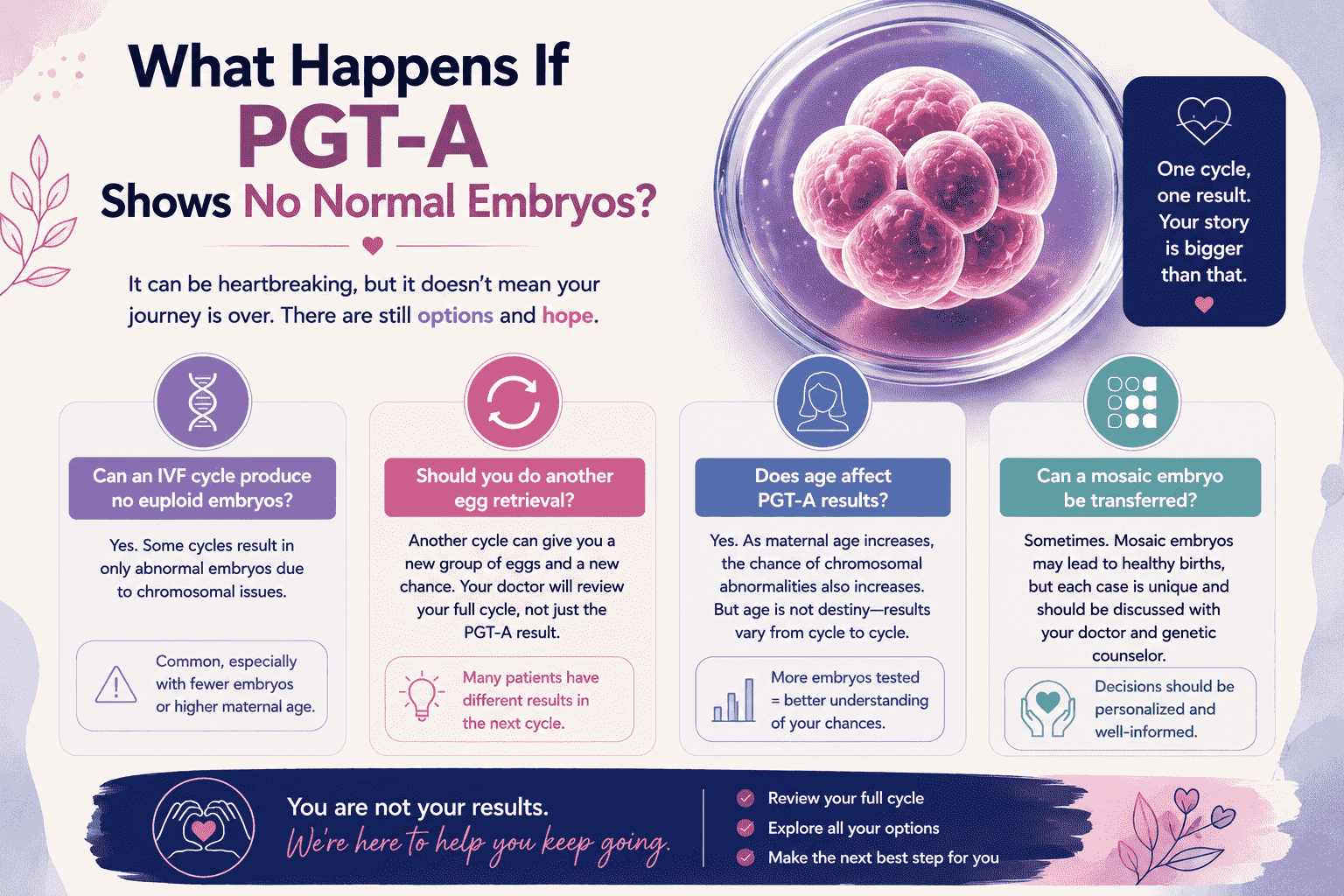
PGT-A vs PGT-M: What’s the Difference? A Simple Guide for IVF Patients

If you have started researching IVF, you have probably come across terms such as PGT-A and PGT-M. At first glance, these tests may sound similar, but they serve very different purposes.

For many patients, genetic testing can feel overwhelming. The names are complicated, the science can seem intimidating, and the decisions involved are often emotional.

The good news is that understanding the basics of these tests can help you make informed decisions about your fertility treatment.

What Does PGT-M Mean in IVF?

PGT-M stands for Preimplantation Genetic Testing for Monogenic Disorders.

This test is designed to identify embryos that carry a specific inherited genetic disease.

PGT-M may be recommended when one or both parents carry a known genetic condition such as:

  • Cystic fibrosis
  • Thalassemia
  • Sickle cell disease
  • Huntington’s disease
  • Certain hereditary cancer syndromes

The goal of PGT-M is to identify embryos that do not carry the specific disease before embryo transfer.

This allows couples with inherited conditions to reduce the risk of passing the disorder to their children.

What Is PGT-A?

PGT-A stands for Preimplantation Genetic Testing for Aneuploidy.

Rather than looking for one specific disease, PGT-A evaluates the number of chromosomes within an embryo.

Humans normally have 46 chromosomes.

Embryos with missing or extra chromosomes may have:

  • Lower implantation rates
  • Higher miscarriage rates
  • Increased risk of certain genetic conditions

PGT-A helps identify embryos with the correct number of chromosomes, which may improve embryo selection in some patients.

It is often considered for:

  • Women over 35
  • Recurrent miscarriage
  • Multiple IVF failures
  • Previous chromosomal abnormalities

Can You Do PGT-M Without PGT-A?

Yes.

PGT-M and PGT-A are separate tests.

Some couples only require PGT-M because they are trying to avoid a known inherited condition.

Others may choose to perform both tests simultaneously.

In some cases, combining PGT-M and PGT-A can provide additional information about embryo health, especially for patients who also have age-related concerns or recurrent pregnancy loss.

The decision depends on each patient’s medical history and reproductive goals.

Is PGT-M More Expensive Than PGT-A?

In many situations, yes.

PGT-M often requires the creation of a highly individualized genetic test designed specifically for a family’s inherited condition.

This process can involve:

  • Genetic consultations
  • DNA analysis of family members
  • Development of personalized testing protocols

Because of this additional laboratory work, PGT-M is frequently more expensive than PGT-A.

PGT-A typically follows a more standardized testing process, while PGT-M is highly customized.

The exact cost varies depending on the condition being tested and the laboratory performing the analysis.

Is PGT-M Worth It?

For families carrying known genetic diseases, many consider PGT-M to be extremely valuable.

The benefits may include:

  • Reducing the risk of passing on a genetic disorder
  • Avoiding difficult decisions during pregnancy
  • Providing additional reassurance before embryo transfer

However, whether PGT-M is “worth it” depends entirely on the individual situation.

For couples without known genetic conditions, PGT-M is generally not necessary.

A consultation with a fertility specialist and genetic counselor can help determine whether this testing would provide meaningful benefits.

Who May Benefit from PGT-A?

PGT-A may be helpful for:

  • Women over 35
  • Recurrent miscarriage patients
  • Repeated implantation failure
  • Multiple unsuccessful IVF cycles

By identifying embryos with normal chromosome numbers, doctors may be able to select embryos with a higher likelihood of implantation.

However, PGT-A is not necessary for every patient.

The Importance of Personalized Care

Genetic testing in IVF is not a one-size-fits-all approach.

Some patients need PGT-M.

Others may benefit from PGT-A.

Some couples may require both.

The decision should always be based on:

  • Family history
  • Maternal age
  • Previous pregnancy history
  • Fertility diagnosis
  • Genetic risk factors

A personalized treatment plan remains one of the most important factors in successful fertility care.

Final Thoughts

PGT-A and PGT-M may sound similar, but they serve different purposes.

PGT-A looks at chromosome numbers.

PGT-M searches for specific inherited diseases.

Both technologies have helped many families reduce genetic risks and make more informed decisions during IVF treatment.

The best choice depends on your individual medical history, family history, and reproductive goals.

As fertility medicine continues to advance, genetic testing is giving patients more information, more options, and greater confidence as they move forward on their fertility journey.

For any of your fertility problems, please do not hesitate to contact us. At Fertility Solutions we pride ourselves with the excellent tailored personal care we provide to our patients for their specific needs. A team member will contact you as soon as we get your message, and construct a personal treatment plan for your fertility problems in the country of Cyprus. You can also contact our clinics directly through the links below.

Get in Touch with Our Clinics:

Cyprus Crown IVF Contact: https://en.cypruscrownivf.com/contact

Cyprus American IVF Contact: https://www.cyprusamericanivf.com/contact-us/

Dr. Halil Ibrahim Tekin  (Dr. HIT) Youtube: https://www.youtube.com/@dr.halilibrahimtekin1715

Cyprus American IVF Youtube: https://www.youtube.com/@AmerikanTupBebekMerkezi

Clavis Fertility Centre: https://www.clavisfertilitycenter.com
General

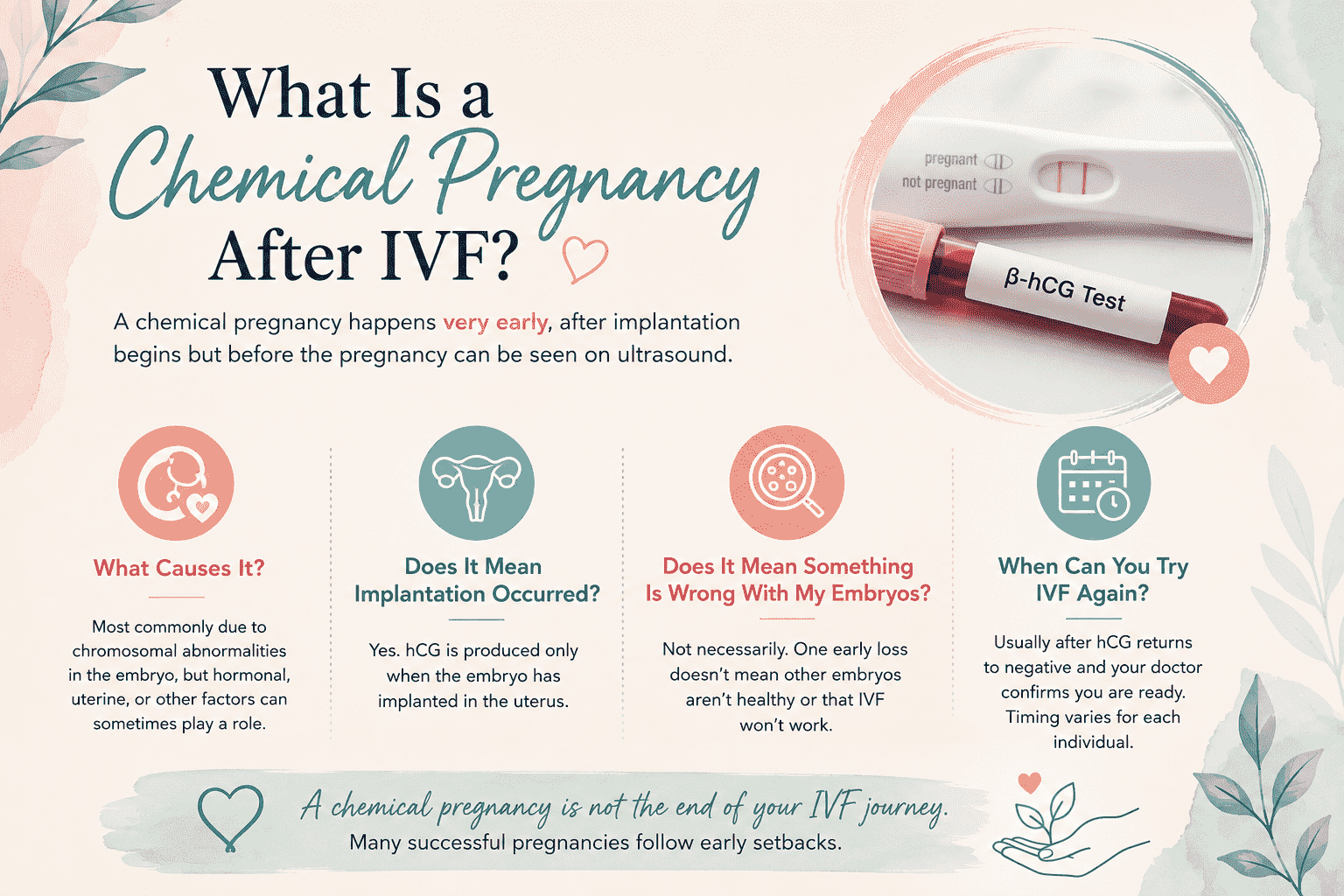
How Many IVF Cycles Does It Usually Take to Get Pregnant? The Honest Answer Patients Need to Hear

Many patients begin IVF hoping that their first cycle will be the one that leads to pregnancy. While this certainly happens for many couples, IVF is not always a one-cycle journey.

One of the most common questions fertility specialists hear is:

“How many IVF cycles does it usually take to get pregnant?”

The answer depends on several factors, including age, egg quality, sperm quality, embryo quality, and overall reproductive health. Understanding what is realistic can help patients approach treatment with confidence and realistic expectations.

How Many IVF Cycles on Average to Get Pregnant?

There is no universal number that applies to every patient, but research consistently shows that cumulative success rates improve with multiple IVF cycles.

Many patients who do not achieve pregnancy during their first cycle may succeed during subsequent attempts.

In general:

  • Some patients conceive during their first cycle.
  • Others require two or three cycles.
  • A smaller percentage may need additional attempts or alternative treatment strategies.

This does not mean IVF has failed. Each cycle provides valuable information that can help doctors adjust protocols and improve future treatment plans.

For many fertility specialists, success is viewed over multiple cycles rather than a single attempt.

How Long on Average Does It Take to Get Pregnant With IVF?

A single IVF cycle typically takes several weeks from the start of medications to embryo transfer.

However, the overall timeline can vary significantly depending on:

  • Fertility testing requirements
  • Medication preparation
  • Genetic testing (PGT)
  • Frozen embryo transfers
  • Individual treatment plans

Some patients become pregnant within a few months of their initial consultation.

Others may require additional cycles, embryo freezing, or further investigations, extending the timeline over a year or longer.

The important thing to remember is that IVF is often a process rather than a single event.

Which IVF Cycle Is Most Successful?

Many patients assume that success rates decrease with each attempt.

Surprisingly, that is not always true.

The first cycle often serves as a learning opportunity for both the patient and the fertility team.

Doctors gain valuable information about:

  • Ovarian response
  • Egg quality
  • Fertilization rates
  • Embryo development
  • Uterine receptivity

As treatment progresses, adjustments can be made to improve outcomes.

For some patients, the second or third cycle may actually be more successful because the treatment plan has become more personalized.

The “best” cycle is not necessarily the first one. It is often the cycle where the treatment strategy is most optimized for the individual patient.

Is 7 Rounds of IVF a Lot?

Hearing that someone has undergone seven IVF cycles can sound overwhelming.

The reality is that every fertility journey is unique.

Some patients achieve pregnancy quickly, while others face more complex challenges such as:

  • Severe endometriosis
  • Low ovarian reserve
  • Recurrent implantation failure
  • Recurrent miscarriage
  • Male factor infertility

Seven cycles is certainly more than average, but it is not unheard of.

For some patients, repeated treatment may eventually lead to success. For others, multiple unsuccessful cycles may prompt discussions about alternative approaches such as:

  • Egg donation
  • Sperm donation
  • Embryo donation
  • Additional genetic testing
  • Advanced laboratory techniques

The number itself is less important than understanding why previous cycles were unsuccessful and what changes can be made moving forward.

What Factors Influence IVF Success?

Several important factors can affect how many IVF cycles may be required.

Female Age

Age remains one of the strongest predictors of IVF success.

As age increases:

  • Egg quality declines
  • Chromosomal abnormalities become more common
  • Pregnancy rates generally decrease

Embryo Quality

Healthy embryos are more likely to implant and develop into successful pregnancies.

Sperm Quality

Male fertility plays a significant role in embryo development and pregnancy outcomes.

Uterine Health

Successful implantation depends on a healthy uterine environment.

Laboratory Quality

Modern embryology laboratories, advanced culture systems, and experienced embryologists can make a significant difference.

The Importance of Staying Flexible

One of the biggest challenges during IVF is balancing optimism with realism.

Patients often enter treatment with a specific timeline in mind. However, fertility treatment sometimes requires adjustments along the way.

The most successful patients are often those who remain open to:

  • Personalized treatment changes
  • Additional testing when needed
  • Alternative approaches if necessary

Each cycle provides new information that can guide the next step.

Final Thoughts

So, how many IVF cycles does it usually take to get pregnant?

For some patients, one IVF cycle might be enough. For others, it may take multiple IVF cycles before success is achieved.

The important thing to understand is that IVF success is often cumulative. Every cycle provides valuable information that can help refine treatment and improve future outcomes.

Rather than focusing solely on the number of cycles, patients should focus on working closely with their fertility team to create the most effective strategy for their individual situation.

Because in fertility treatment, persistence, personalized care, and the right medical guidance can make all the difference.

For any of your fertility problems, please do not hesitate to contact us. At Fertility Solutions we pride ourselves with the excellent tailored personal care we provide to our patients for their specific needs. A team member will contact you as soon as we get your message, and construct a personal treatment plan for your fertility problems in the country of Cyprus. You can also contact our clinics directly through the links below.

Get in Touch with Our Clinics:

Cyprus Crown IVF Contact: https://en.cypruscrownivf.com/contact

Cyprus American IVF Contact: https://www.cyprusamericanivf.com/contact-us/

Dr. Halil Ibrahim Tekin  (Dr. HIT) Youtube: https://www.youtube.com/@dr.halilibrahimtekin1715

Cyprus American IVF Youtube: https://www.youtube.com/@AmerikanTupBebekMerkezi

Clavis Fertility Centre: https://www.clavisfertilitycenter.com
General

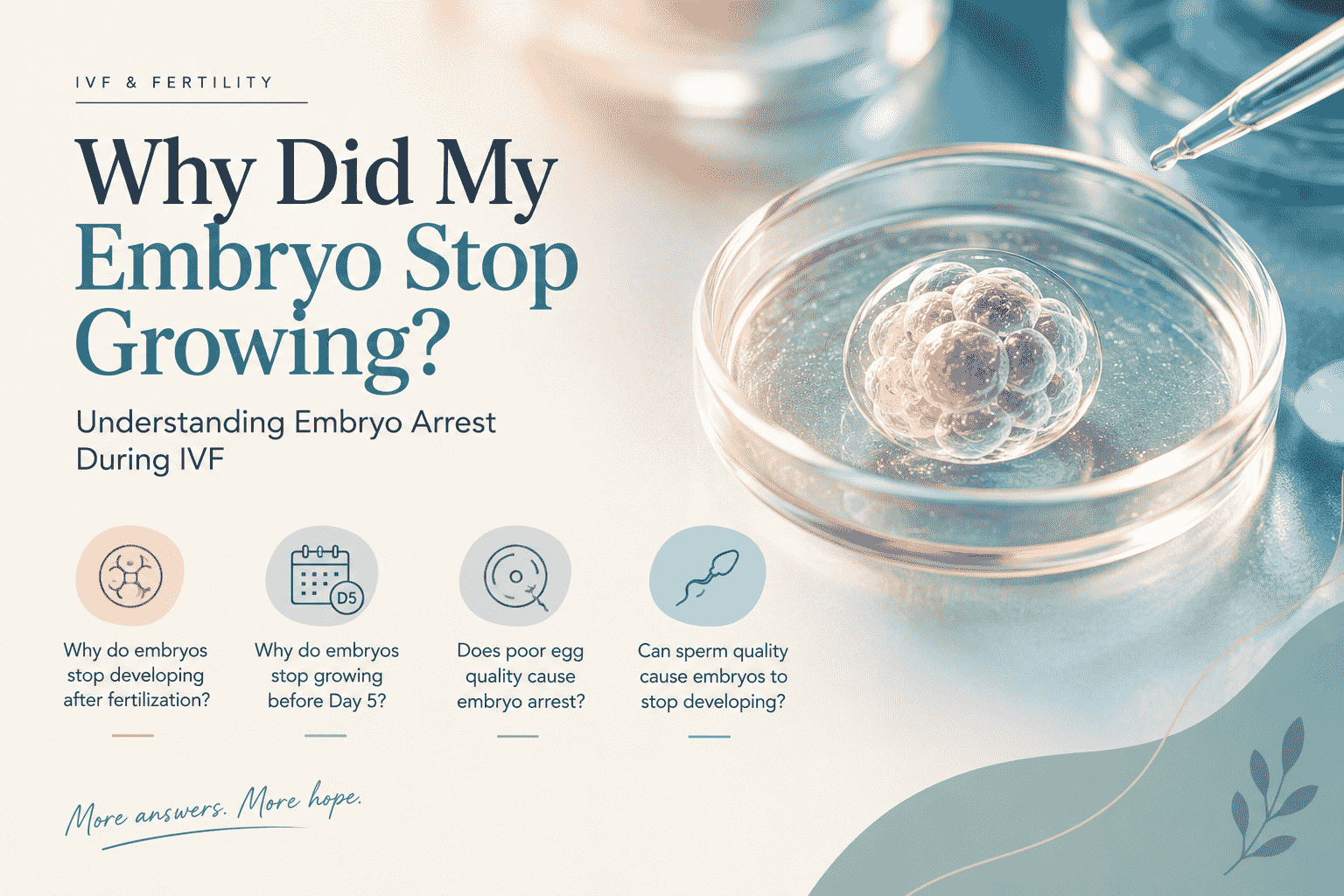
The Exciting New Technologies Transforming IVF in 2026

For decades, IVF has helped millions of people build their families. But today’s fertility treatments look very different from those available even ten years ago.

Modern IVF clinics now use advanced technologies that help doctors better understand embryos, improve laboratory conditions, and personalize treatment plans for individual patients.

While no technology can guarantee pregnancy, these innovations are helping fertility specialists make more informed decisions and, in many cases, improve treatment outcomes.

So what are the newest technologies being used in IVF today?

What Are the New Technologies Used in IVF?

One of the biggest developments in fertility treatment is the use of advanced embryo assessment techniques.

AI Embryo Selection

Artificial intelligence is increasingly being used to analyze embryo development.

AI systems can review thousands of images taken during embryo growth and identify patterns that may be difficult for the human eye to detect.

The goal is not to replace embryologists but to provide an additional tool that helps select embryos with the highest developmental potential.

Time-Lapse Embryo Monitoring

Instead of removing embryos from incubators for evaluation, time-lapse systems continuously photograph embryo development.

This allows embryologists to observe:

  • Cell division timing
  • Developmental milestones
  • Growth patterns

without disturbing the embryo’s environment.

PGT (Preimplantation Genetic Testing)

PGT allows specialists to examine embryos for chromosomal abnormalities before transfer.

This technology is particularly useful for:

  • Women of advanced maternal age
  • Recurrent miscarriage patients
  • Repeated IVF failures
  • Certain inherited genetic conditions

Advanced Sperm Selection

Modern laboratories now use improved sperm selection methods that help identify healthier sperm for fertilization.

This can be especially helpful in cases involving:

  • Male infertility
  • High sperm DNA fragmentation
  • Previous IVF failure

Vitrification

Embryo freezing technology has improved dramatically.

Vitrification is a rapid freezing technique that minimizes ice crystal formation and helps preserve embryo quality.

Today, frozen embryo transfers often achieve success rates comparable to fresh transfers.

Can IVF Work With Low AMH?

One of the most common fertility questions is whether IVF can succeed when AMH levels are low.

The answer is yes.

AMH measures ovarian reserve, meaning the number of eggs remaining in the ovaries. It does not directly measure egg quality.

Many women with low AMH have successfully conceived through IVF.

However, low AMH can sometimes mean:

  • Fewer eggs retrieved
  • Fewer embryos available
  • More individualized treatment planning

This is where modern IVF technologies become valuable. Advanced laboratory techniques, embryo culture systems, and personalized stimulation protocols can help maximize available opportunities.

Every patient is different, and treatment should always be tailored to individual circumstances.

Can You Be on Wegovy While Doing IVF?

Wegovy (semaglutide) has become increasingly popular for weight management.

Many fertility patients ask whether they can continue taking Wegovy during IVF treatment.

In most cases, fertility specialists recommend discontinuing Wegovy before attempting pregnancy.

This is because:

  • Limited safety data exists during pregnancy
  • Most manufacturers advise stopping treatment before conception
  • Fertility clinics generally prefer patients to complete weight-loss treatment before starting IVF

The exact timing varies between clinics and individual medical situations.

Patients should always discuss medication use directly with their fertility specialist before beginning treatment.

Does L-Theanine Affect Fertility?

L-theanine is an amino acid commonly found in green tea and is often used to promote relaxation and reduce stress.

At present, there is no strong evidence suggesting that L-theanine negatively affects fertility in men or women.

Many fertility patients use stress-management techniques such as:

  • Meditation
  • Exercise
  • Mindfulness
  • Nutritional support

L-theanine is sometimes included as part of a broader wellness strategy.

However, as with any supplement, patients should consult their healthcare provider before taking it during fertility treatment.

The Future of IVF

The future of fertility treatment is moving toward greater personalization.

Instead of using the same protocol for every patient, clinics are increasingly using:

  • Genetic information
  • Hormonal data
  • Artificial intelligence
  • Advanced laboratory technology

to create individualized treatment plans.

The goal is simple: to better understand each patient’s unique fertility journey and provide the most effective treatment possible.

Final Thoughts

IVF continues to evolve at an incredible pace.

Technologies such as AI embryo selection, time-lapse monitoring, genetic testing, advanced sperm selection, and modern freezing methods are helping fertility specialists make more informed decisions than ever before.

While technology alone cannot guarantee success, it is giving patients access to more personalized, precise, and effective fertility care.

For couples facing fertility challenges, these innovations offer something incredibly valuable: more options, more information, and more hope for the future.

For any of your fertility problems, please do not hesitate to contact us. At Fertility Solutions we pride ourselves with the excellent tailored personal care we provide to our patients for their specific needs. A team member will contact you as soon as we get your message, and construct a personal treatment plan for your fertility problems in the country of Cyprus. You can also contact our clinics directly through the links below.

Get in Touch with Our Clinics:

Cyprus Crown IVF Contact: https://en.cypruscrownivf.com/contact

Cyprus American IVF Contact: https://www.cyprusamericanivf.com/contact-us/

Dr. Halil Ibrahim Tekin  (Dr. HIT) Youtube: https://www.youtube.com/@dr.halilibrahimtekin1715

Cyprus American IVF Youtube: https://www.youtube.com/@AmerikanTupBebekMerkezi

Clavis Fertility Centre: https://www.clavisfertilitycenter.com
General

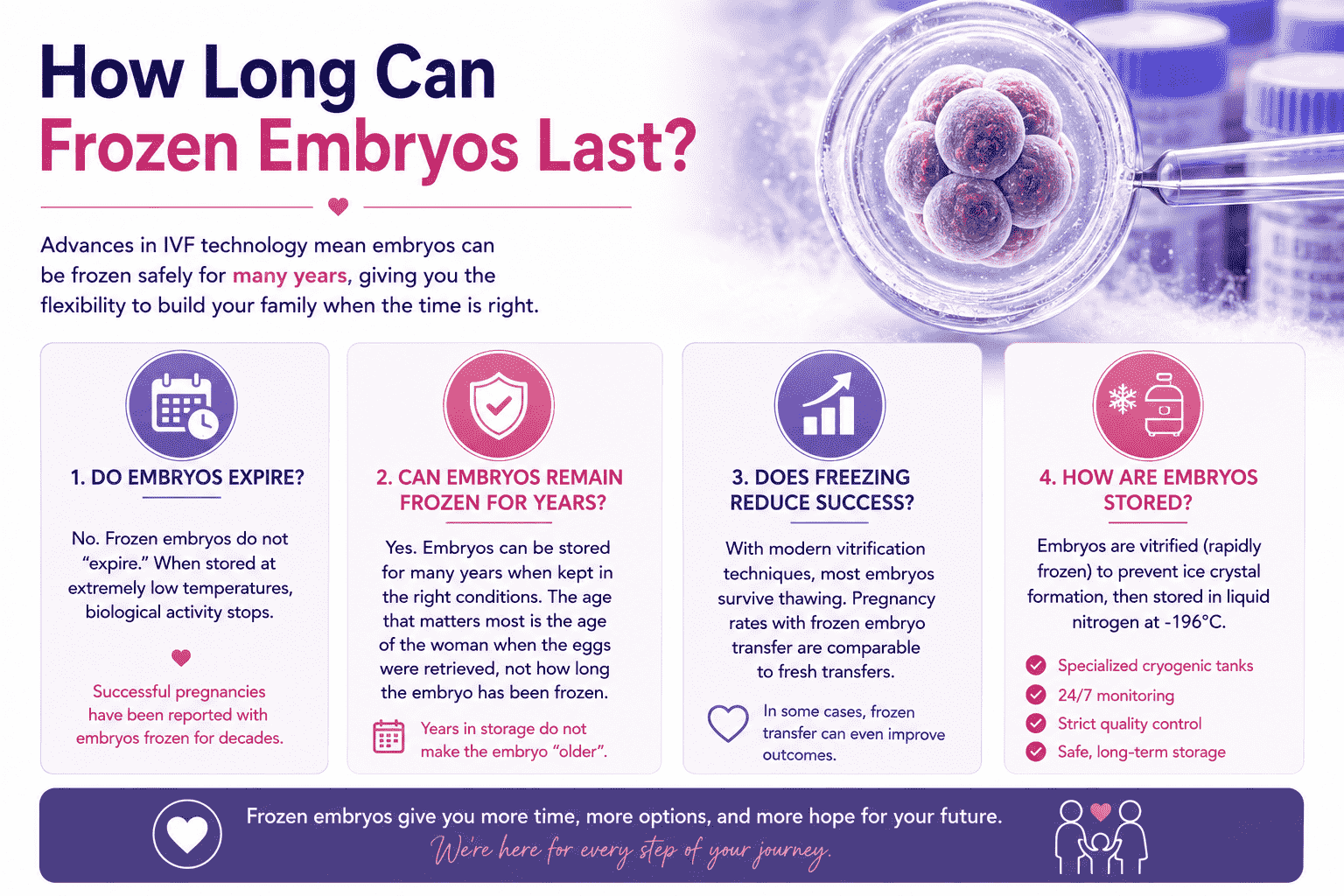
Why Some Experts Want to Change the Name PCOS to PMOS

Today’s article will cover some information about how PCOS name was changed to PMOS. For years, millions of women around the world have been diagnosed with Polycystic Ovary Syndrome, commonly known as PCOS. It is one of the most common hormonal disorders affecting women of reproductive age and a leading cause of infertility.

However, in recent years, researchers and medical experts have started questioning whether the name “PCOS” accurately reflects the condition. Some specialists have proposed replacing it with a new term: PMOS, which stands for Metabolic Reproductive Syndrome or Polyfollicular Metabolic Ovarian Syndrome, depending on the proposal being discussed.

While no official name change has occurred yet, the debate highlights an important issue: many women—and even healthcare providers—may misunderstand what PCOS truly is.

Why Did the PCOS Name Change?

Technically, PCOS has not officially changed its name.

However, experts have argued for years that the current name can be misleading.

The term “polycystic ovaries” suggests that ovarian cysts are the main problem. In reality, many women with PCOS do not have ovarian cysts at all. Meanwhile, some women without PCOS may have polycystic-looking ovaries on ultrasound.

The condition is actually much more complex.

PCOS affects:

  • Hormone production
  • Ovulation
  • Insulin regulation
  • Metabolism
  • Weight management
  • Fertility

Because the syndrome extends far beyond the ovaries, some experts believe a name emphasizing the metabolic and hormonal aspects would be more accurate.

This is where the idea of PMOS comes from.

What Is PCOS Now Called?

At present, the official medical diagnosis remains Polycystic Ovary Syndrome (PCOS).

Organizations worldwide continue to use the term PCOS, including:

  • World Health Organization
  • European Society of Human Reproduction and Embryology
  • American Society for Reproductive Medicine

PMOS is not currently an officially recognized diagnosis.

Instead, it represents part of an ongoing discussion about improving awareness and understanding of the condition.

For now, patients should know that if they hear the term PMOS, it is generally referring to the same underlying disorder currently known as PCOS.

Why Is PCOS Underdiagnosed?

One of the biggest challenges with PCOS is that many women go undiagnosed for years.

Symptoms can vary dramatically from person to person.

Some women experience:

  • Irregular periods
  • Difficulty conceiving
  • Excess facial or body hair
  • Acne
  • Weight gain

Others may have only one or two symptoms.

Because of this variation, PCOS is often mistaken for:

  • Stress-related hormone changes
  • Thyroid disorders
  • Normal menstrual irregularities
  • Weight-related issues

Many women spend years seeking answers before receiving a proper diagnosis.

Early diagnosis is important because PCOS can affect not only fertility but also long-term health, including insulin resistance, type 2 diabetes, and cardiovascular risk.

Does PCOS Qualify for Mounjaro?

Mounjaro (tirzepatide) is a medication approved for type 2 diabetes and, in some countries, weight management.

PCOS itself does not automatically qualify someone for Mounjaro.

However, many women with PCOS struggle with:

  • Insulin resistance
  • Obesity
  • Weight gain

In these situations, a healthcare provider may determine that medications such as tirzepatide could be appropriate, depending on the patient’s overall health and local prescribing guidelines.

It’s important to remember that medication is only one part of PCOS management.

Treatment often includes:

  • Lifestyle modifications
  • Nutritional support
  • Exercise
  • Hormonal treatment
  • Fertility treatment when pregnancy is desired

What Does This Mean for Fertility?

For many women, the biggest concern is fertility.

PCOS can interfere with ovulation, making conception more difficult. Fortunately, modern fertility treatments offer excellent options.

Depending on the patient’s situation, treatment may include:

  • Ovulation induction medications
  • Intrauterine insemination (IUI)
  • IVF treatment
  • Lifestyle and weight management programs

Many women with PCOS go on to achieve successful pregnancies with the right treatment plan.

Final Thoughts

Whether it is called PCOS today or PMOS in the future, the most important thing to understand is that this condition is much more than an ovarian disorder.

It is a complex hormonal and metabolic condition that affects fertility, overall health, and quality of life.

The ongoing discussion about changing the name reflects a growing understanding of the condition and a desire to improve awareness, diagnosis, and treatment.

Most importantly, women experiencing symptoms should not ignore them. Early diagnosis and personalized treatment can make a significant difference in both fertility outcomes and long-term health.

For any of your fertility problems, please do not hesitate to contact us. At Fertility Solutions we pride ourselves with the excellent tailored personal care we provide to our patients for their specific needs. A team member will contact you as soon as we get your message, and construct a personal treatment plan for your fertility problems in the country of Cyprus. You can also contact our clinics directly through the links below.

Get in Touch with Our Clinics:

Cyprus Crown IVF Contact: https://en.cypruscrownivf.com/contact

Cyprus American IVF Contact: https://www.cyprusamericanivf.com/contact-us/

Dr. Halil Ibrahim Tekin  (Dr. HIT) Youtube: https://www.youtube.com/@dr.halilibrahimtekin1715

Cyprus American IVF Youtube: https://www.youtube.com/@AmerikanTupBebekMerkezi

Clavis Fertility Centre: https://www.clavisfertilitycenter.com
General

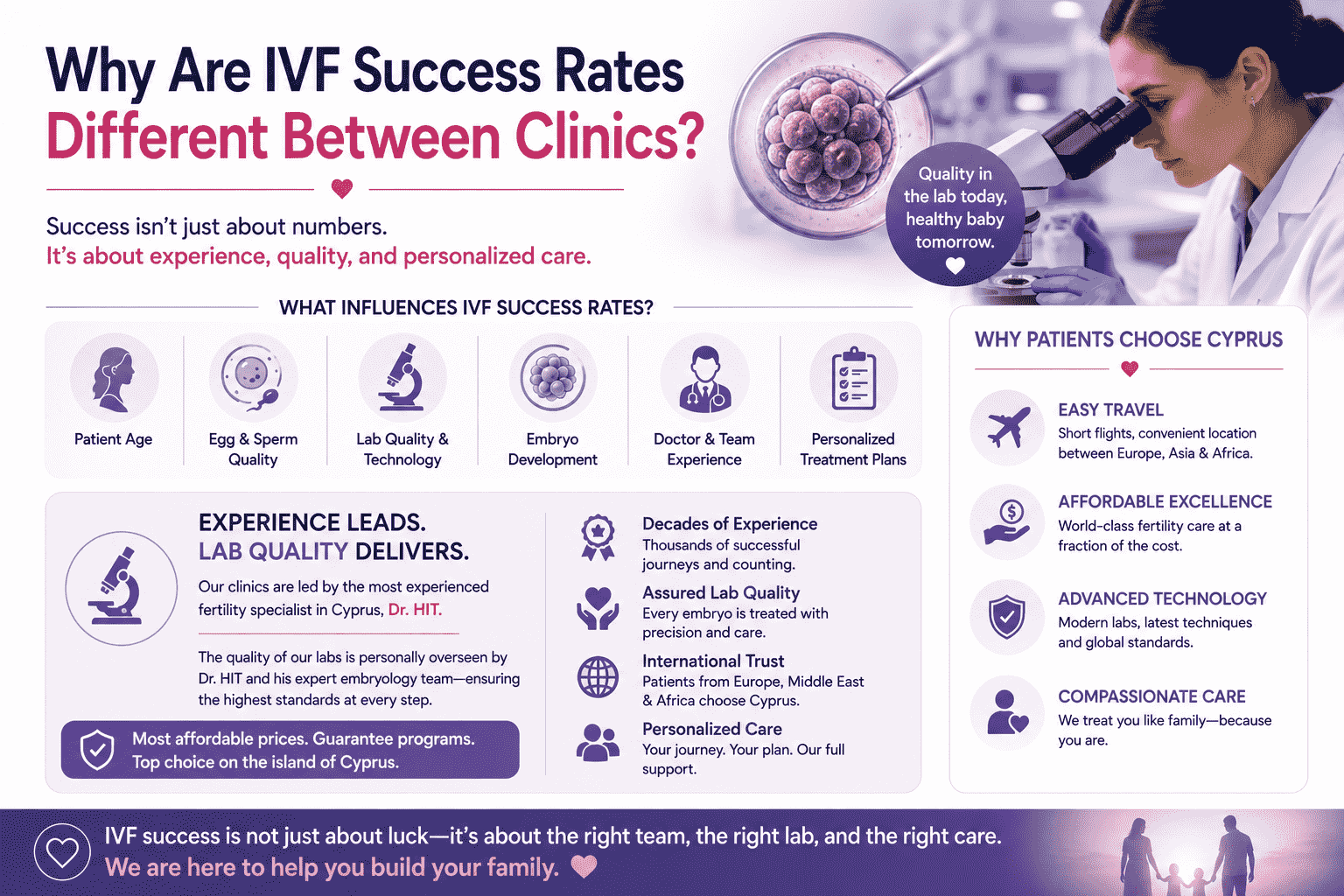
How Long Do You Have to Wait for IVF After an Abortion?

For many patients, the decision to start IVF after an abortion can come with a lot of questions and uncertainty. One of the most common concerns is how long they need to wait before beginning fertility treatment.

The answer depends on several factors, including how far along the pregnancy was, the type of abortion, whether there were any complications, and how quickly the uterus recovers afterward.

The good news is that most women can safely pursue IVF after an abortion once their body has had enough time to heal and their fertility specialist confirms that the uterus is ready for treatment.

Abortion and Future Fertility

One of the biggest misconceptions surrounding abortion is that it automatically causes infertility.

In the vast majority of cases, a medically managed or surgical abortion performed safely does not affect a woman’s future ability to become pregnant.

Most women continue to ovulate normally after an abortion and can go on to conceive naturally or through fertility treatments such as IVF.

However, every patient is different. Before starting IVF, your fertility specialist will usually evaluate the uterus, ovaries, hormone levels, and overall reproductive health to ensure the best possible chance of success.

How Long Does It Take for the Uterus to Heal After an Abortion?

The uterus begins healing almost immediately after an abortion.

For most women:

  • Physical recovery occurs within a few days to a few weeks.
  • The uterine lining typically regenerates within one menstrual cycle.
  • Hormone levels gradually return to their baseline.

In uncomplicated cases, the uterus may be ready for fertility treatment after the first normal menstrual period.

However, some patients may require additional time if they experience:

  • Heavy bleeding
  • Infection
  • Retained pregnancy tissue
  • Surgical complications

Many fertility specialists prefer to perform an ultrasound before starting IVF to confirm that the uterine cavity has returned to normal and that the lining appears healthy.

How Soon Can I Start IVF After a Miscarriage?

The timeline after a miscarriage is often similar to the timeline after an abortion.

Historically, patients were told to wait several months before trying again. Today, research suggests that many women can begin fertility treatment much sooner if they have recovered physically and emotionally.

Most fertility clinics recommend waiting until:

  • Bleeding has stopped
  • Pregnancy hormone (hCG) levels have returned to normal
  • A normal menstrual cycle has occurred
  • Ultrasound confirms the uterus is healthy

For many patients, this means IVF can begin within one to three months after a miscarriage.

The exact timing depends on individual circumstances and any investigations that may be needed to understand why the miscarriage occurred.

What Would Disqualify You From IVF?

Having had an abortion usually does not disqualify someone from IVF.

Instead, fertility specialists focus on factors that may affect treatment safety or success.

Examples include:

Untreated Uterine Problems

Conditions such as:

  • Severe uterine scarring
  • Large fibroids
  • Untreated polyps

may need to be addressed before IVF can begin.

Active Infection

Any pelvic or uterine infection should be treated before embryo transfer to reduce risks and improve outcomes.

Uncontrolled Medical Conditions

Conditions such as:

  • Severe diabetes
  • Uncontrolled thyroid disease
  • Certain heart conditions

may require stabilization before treatment.

Significant Hormonal Imbalances

Hormonal issues can often be treated, but they may need correction before IVF starts.

Pregnancy Tissue Remaining in the Uterus

Occasionally, retained tissue following a miscarriage or abortion can interfere with implantation and should be removed before treatment.

Why an Individual Assessment Is Important

There is no single waiting period that applies to every patient.

Some women may be ready to start IVF within weeks, while others may benefit from allowing additional time for recovery.

A fertility specialist will typically assess:

  • Hormone levels
  • Ovarian reserve (AMH)
  • Uterine health
  • Menstrual cycle recovery
  • Emotional readiness

This personalized approach helps create the safest and most effective treatment plan.

Final Thoughts

For most women, having an abortion does not prevent future IVF treatment. Once the uterus has healed, hormone levels have normalized, and a fertility specialist confirms that everything looks healthy, IVF can often begin relatively quickly.

The most important step is not focusing on a fixed waiting period, but ensuring that your body is fully prepared for pregnancy.

Every fertility journey is unique, and a personalized evaluation will provide the clearest answer about when the time is right to move forward with IVF.

For any of your fertility problems, please do not hesitate to contact us. At Fertility Solutions we pride ourselves with the excellent tailored personal care we provide to our patients for their specific needs. A team member will contact you as soon as we get your message, and construct a personal treatment plan for your fertility problems in the country of Cyprus. You can also contact our clinics directly through the links below.

Get in Touch with Our Clinics:

Cyprus Crown IVF Contact: https://en.cypruscrownivf.com/contact

Cyprus American IVF Contact: https://www.cyprusamericanivf.com/contact-us/

Dr. Halil Ibrahim Tekin  (Dr. HIT) Youtube: https://www.youtube.com/@dr.halilibrahimtekin1715

Cyprus American IVF Youtube: https://www.youtube.com/@AmerikanTupBebekMerkezi

Clavis Fertility Centre: https://www.clavisfertilitycenter.com
General

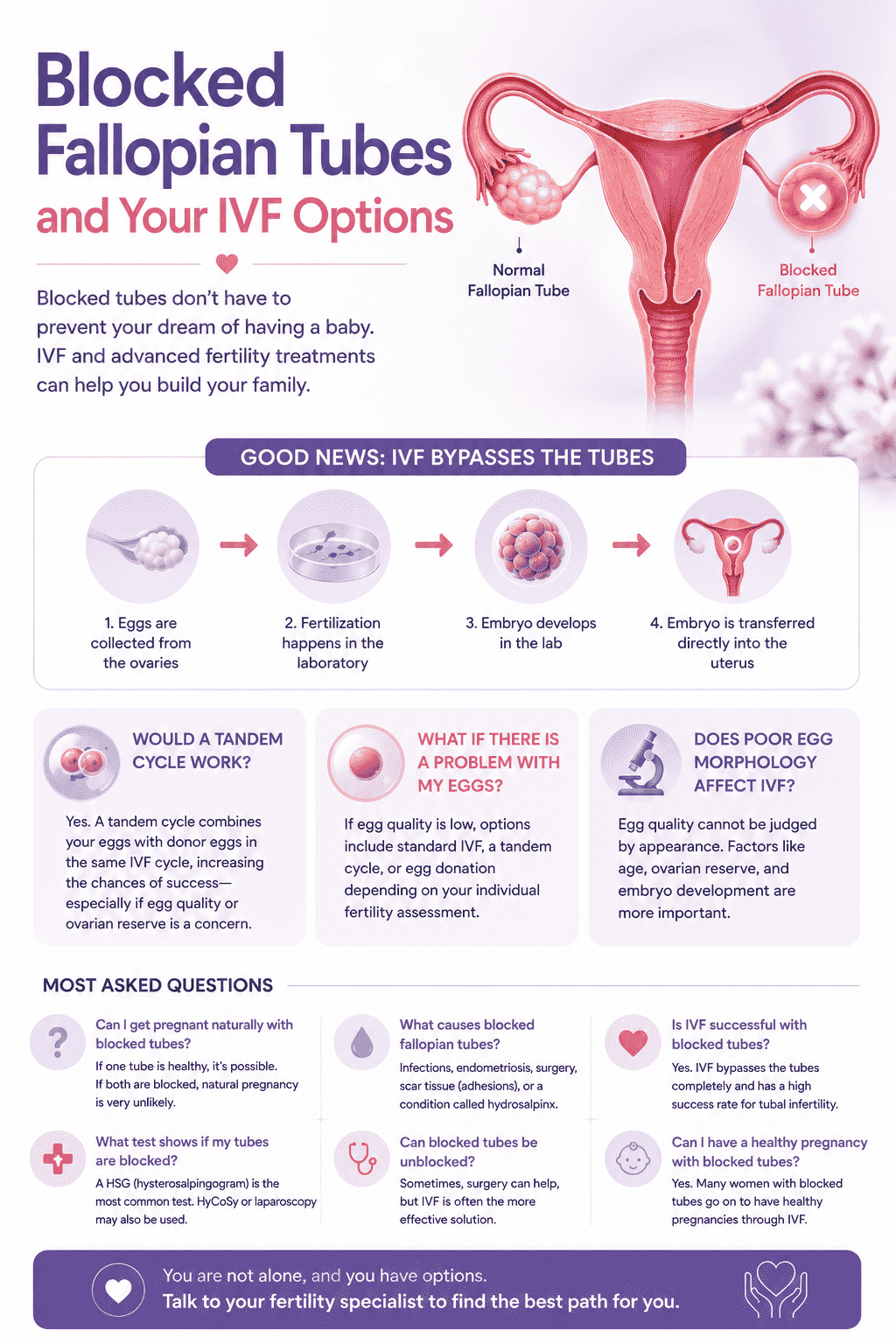
5 Critical Signs It May Be Time to See a Fertility Specialist

In this week’s article we are going to be covering the subject of 5 Critical Signs it may be time to see a fertility specialist.

Many couples trying to conceive wonder the same thing:

“Are we trying for too long?”
“When should we seek professional help?”

The truth is that fertility challenges are more common than many people realize, and waiting too long before getting evaluated can sometimes reduce future treatment options.

Seeing a fertility specialist does not automatically mean IVF. In many cases, simple evaluations or treatments may identify the issue early and improve the chances of pregnancy.

Understanding the signs can help patients take action at the right time.


Critical Sign #1 You Have Been Trying for Over a Year Without Success

One of the clearest signs is the amount of time spent trying naturally.

General medical guidelines suggest:

  • Women under 35 → seek evaluation after 12 months
  • Women over 35 → seek evaluation after 6 months

Age matters because fertility naturally declines over time, especially egg quality.

Many couples continue waiting, hoping things will happen naturally, while valuable time passes.


Critical Sign #2 Your Menstrual Cycles Are Irregular

Irregular or absent periods may indicate ovulation problems.

Signs include:

  • Very long cycles
  • Missing periods
  • Unpredictable bleeding

Conditions such as:

  • PCOS
  • Hormonal imbalances
  • Thyroid disorders

can affect ovulation and fertility.

A fertility specialist can help identify the underlying cause.

Critical Sign #3 You Have Experienced Multiple Miscarriages

Miscarriage is emotionally difficult, and repeated pregnancy loss may signal an underlying fertility issue.

Potential causes include:

  • Chromosomal abnormalities
  • Hormonal issues
  • Uterine abnormalities
  • Egg or sperm quality problems

Specialized fertility testing can often provide important answers.


Critical Sign #4 You Have a Known Medical Condition That Affects Fertility

Certain medical conditions are strongly linked to infertility, including:

  • Endometriosis
  • PCOS
  • Low ovarian reserve
  • Male factor infertility

If you already know you have one of these conditions, it may be beneficial to speak with a fertility specialist earlier rather than later.


Critical Sign #5 You Are Over 40 and Trying to Conceive

Fertility after 40 is possible, but time becomes especially important.

As age increases:

  • Egg quality declines
  • Chromosomal abnormalities increase
  • IVF success rates decrease with own eggs

Early evaluation helps patients understand realistic options and treatment strategies.


Fertility Evaluation Does Not Mean Immediate IVF

One important misconception is that visiting a fertility clinic automatically leads to IVF treatment.

In reality, specialists may first recommend:

  • Blood tests
  • Ultrasounds
  • Lifestyle changes
  • Ovulation support
  • Simpler fertility treatments

The goal is to understand the cause before deciding on the best approach.


Why Early Action Matters

One of the biggest mistakes patients make is waiting too long due to fear or uncertainty.

Fertility issues often become easier to manage when identified early.

Early evaluation can:

  • Save time
  • Reduce emotional stress
  • Improve treatment success rates
  • Expand available options

The Emotional Side of Fertility Struggles

Trying to conceive without success can be emotionally exhausting.

Many couples experience:

  • Stress
  • Frustration
  • Isolation
  • Anxiety about the future

Seeking professional guidance is not a sign of failure — it is a proactive step toward understanding your reproductive health.


Final Thoughts

If you recognize any of these signs, it may be time to see a fertility specialist.

Getting evaluated early does not mean something is seriously wrong. It simply gives you more clarity, more information, and more options moving forward.

Because in fertility, timing matters — and sometimes the most important step is simply knowing when to ask for help.

For any of your fertility problems, please do not hesitate to contact us. At Fertility Solutions we pride ourselves with the excellent tailored personal care we provide to our patients for their specific needs. A team member will contact you as soon as we get your message, and construct a personal treatment plan for your fertility problems in the country of Cyprus. You can also contact our clinics directly through the links below.

Get in Touch with Our Clinics:

Cyprus Crown IVF Contact: https://en.cypruscrownivf.com/contact

Cyprus American IVF Contact: https://www.cyprusamericanivf.com/contact-us/

Dr. Halil Ibrahim Tekin  (Dr. HIT) Youtube: https://www.youtube.com/@dr.halilibrahimtekin1715

Cyprus American IVF Youtube: https://www.youtube.com/@AmerikanTupBebekMerkezi

Clavis Fertility Centre: https://www.clavisfertilitycenter.com
General

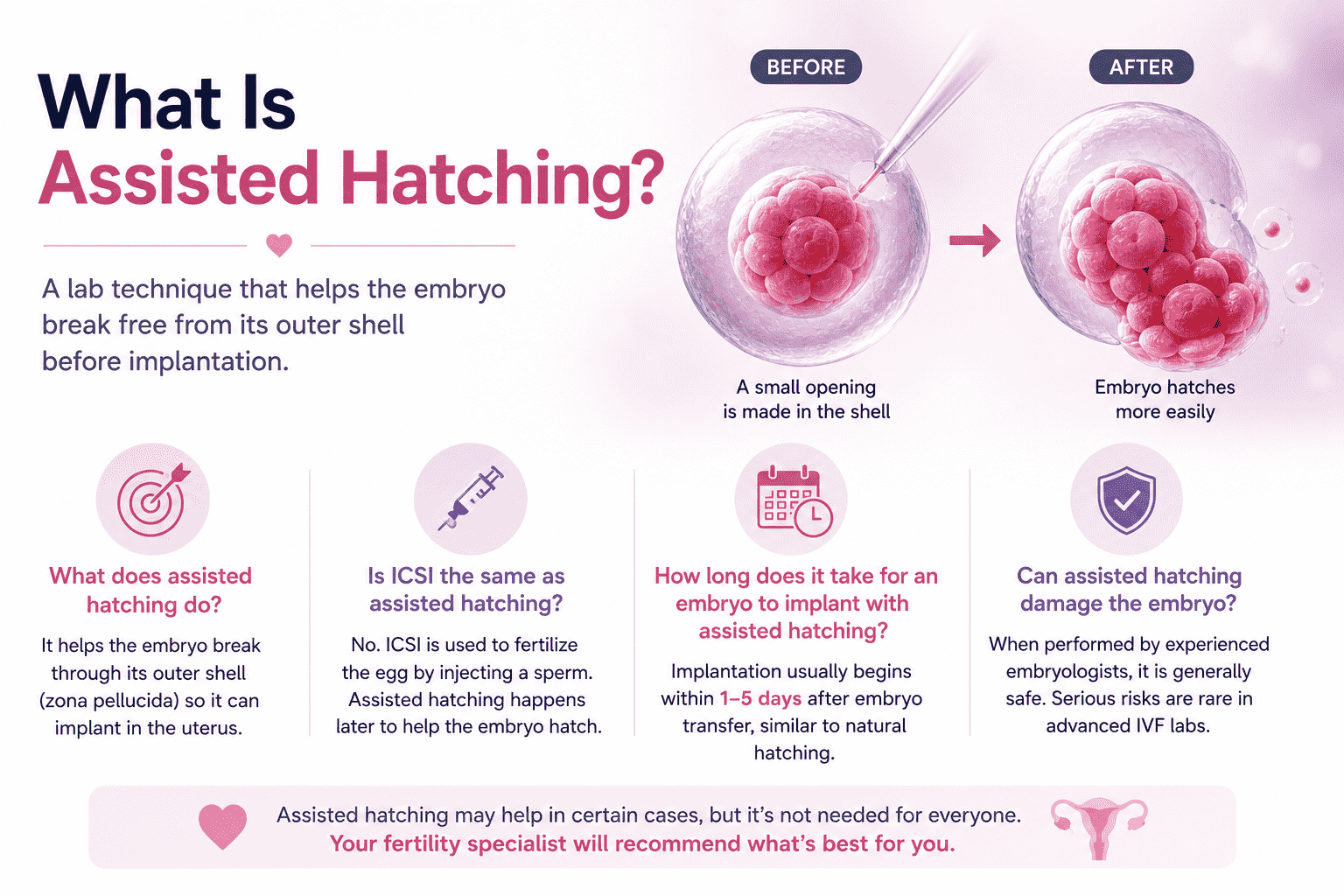
What Is Blastocyst Transfer? Why Day 5 Embryos Are So Important in IVF

One of the most important moments during IVF treatment is the embryo transfer. However, not all embryo transfers happen at the same stage of development.

Some embryos are transferred on Day 3, while others are cultured longer and transferred on Day 5, known as a blastocyst transfer.

Today, blastocyst transfer has become one of the most widely used strategies in modern IVF because it allows doctors and embryologists to better evaluate embryo development and improve the chances of success.

But what exactly is a blastocyst, and why is Day 5 considered so important?


What Is a Blastocyst?

After fertilization, embryos begin dividing and developing in the laboratory.

The stages usually progress like this:

  • Day 1: Fertilization occurs
  • Day 2–3: Early cell division stage
  • Day 5–6: Blastocyst stage

A blastocyst is a more advanced embryo that has developed into:

  • An inner cell mass (which becomes the baby)
  • An outer layer called the trophectoderm (which becomes the placenta)
  • A fluid-filled cavity

By Day 5, the embryo has gone through several important developmental milestones.


Why Is Day 5 So Important?

Not every embryo reaches the blastocyst stage.

This is important because embryos that successfully develop to Day 5 are often considered to have:

  • Better developmental potential
  • Stronger implantation ability
  • Higher chances of leading to pregnancy

In many ways, Day 5 acts as a natural selection process.

Embryos that stop developing before this stage may have underlying issues that would reduce implantation chances.


Blastocyst Transfer vs Day 3 Transfer

One of the most common questions patients ask is:

“Is Day 5 transfer better than Day 3?”

In many cases, yes — but it depends on the patient.

Benefits of Blastocyst Transfer

Better Embryo Selection

Allowing embryos to grow to Day 5 gives embryologists more time to observe development and identify the strongest embryos.


Higher Implantation Rates

Blastocysts are generally more synchronized with the natural timing of implantation inside the uterus.


Reduced Multiple Pregnancy Risk

Because blastocysts have higher implantation potential, clinics may transfer fewer embryos while maintaining strong success rates.


Why Some Embryos Don’t Reach Day 5

One important thing patients should understand is:

👉 It is normal for some embryos to stop developing before the blastocyst stage.

This can happen because of:

  • Chromosomal abnormalities
  • Egg quality issues
  • Sperm DNA issues
  • Natural developmental arrest

This does not always mean the IVF cycle failed — it provides valuable information about embryo quality.


Does Blastocyst Transfer Increase IVF Success?

In many patients, blastocyst transfer is associated with:

  • Higher pregnancy rates
  • Better implantation rates
  • Improved embryo selection

However, success still depends on several factors:

  • Maternal age
  • Egg quality
  • Sperm quality
  • Uterine receptivity
  • Laboratory quality

Blastocyst transfer improves selection — but it cannot completely overcome underlying biological challenges.


The Importance of the Embryology Lab

Growing embryos to Day 5 requires an advanced laboratory environment.

Embryologists must carefully control:

  • Temperature
  • Air quality
  • Culture media
  • Embryo monitoring conditions

Even small changes in the lab environment can affect embryo development.

This is why high-quality embryology labs play a critical role in successful blastocyst culture.


Fresh vs Frozen Blastocyst Transfer

Blastocysts can be transferred:

  • Fresh in the same IVF cycle
  • Or frozen for transfer later

In many modern IVF programs, frozen blastocyst transfers are increasingly common because they allow:

  • Better hormonal preparation
  • Reduced ovarian stimulation effects
  • More flexibility in timing

Both approaches can achieve strong success rates depending on the patient’s situation.


Is Blastocyst Transfer Right for Everyone?

Not always.

Some patients with:

  • Very few embryos
  • Low ovarian reserve
  • Limited embryo numbers

may still benefit from earlier transfer strategies.

The decision should always be individualized based on:

  • Embryo development
  • Previous IVF history
  • Overall fertility factors

Final Thoughts

Blastocyst transfer represents one of the most important advances in modern IVF.

By allowing embryos to develop to Day 5, doctors and embryologists gain valuable insight into embryo quality and developmental potential.

While not every embryo reaches this stage, the ones that do often have a stronger chance of implantation and successful pregnancy.

Because in IVF, success is not simply about creating embryos — it’s about identifying the embryos with the greatest potential to create life.

For any of your fertility problems, please do not hesitate to contact us. At Fertility Solutions we pride ourselves with the excellent tailored personal care we provide to our patients for their specific needs. A team member will contact you as soon as we get your message, and construct a personal treatment plan for your fertility problems in the country of Cyprus. You can also contact our clinics directly through the links below.

Get in Touch with Our Clinics:

Cyprus Crown IVF Contact: https://en.cypruscrownivf.com/contact

Cyprus American IVF Contact: https://www.cyprusamericanivf.com/contact-us/

Dr. Halil Ibrahim Tekin  (Dr. HIT) Youtube: https://www.youtube.com/@dr.halilibrahimtekin1715

Cyprus American IVF Youtube: https://www.youtube.com/@AmerikanTupBebekMerkezi

Clavis Fertility Centre: https://www.clavisfertilitycenter.com
General

How to Know If It’s Time for Egg Donation: A Doctor’s Honest Guide to Moving Forward

One of the most difficult decisions in fertility treatment is knowing when to move from IVF with your own eggs to egg donation.

For many patients, this is not just a medical decision — it’s deeply emotional.

The desire to have a child with your own genetic material is completely natural. But in some cases, continuing the same approach may delay the outcome you are ultimately hoping for: a healthy pregnancy.

So how do you know when it may be time to consider egg donation?


Understanding the Goal of IVF

Before discussing egg donation, it’s important to clarify something:

👉 The goal of IVF is not just to create embryos
👉 The goal is to achieve a healthy pregnancy and baby

If repeated attempts are not leading to this outcome, the strategy may need to change.


Sign 1: Very Low Ovarian Reserve

One of the most important indicators is ovarian reserve, often measured by AMH levels.

If AMH is:

  • Very low (especially below 1.0)
  • Or egg retrieval consistently results in very few eggs

The chances of success with own eggs become significantly reduced.

While pregnancy is still possible, it may require multiple cycles with uncertain outcomes.


Sign 2: Repeated IVF Failures

If you have undergone several IVF cycles without success, it’s important to ask:

👉 Are we repeating the same approach expecting a different result?

Repeated failure may indicate:

  • Poor egg quality
  • Embryos not developing properly
  • Genetic abnormalities

At this stage, egg donation may offer a much higher success rate.


Sign 3: Poor Embryo Development

Sometimes eggs are retrieved, but embryos:

  • Do not reach the blastocyst stage
  • Stop developing early
  • Are consistently low quality

This often points to underlying egg quality issues.


Sign 4: Age-Related Factors

Age plays a critical role in fertility.

As women age:

  • Egg quality declines
  • Chromosomal abnormalities increase

For patients over 40, IVF success with own eggs becomes more challenging.

Egg donation, using younger donor eggs, can significantly improve success rates.


Sign 5: Multiple Miscarriages

Recurrent pregnancy loss can sometimes be linked to egg quality and chromosomal abnormalities.

If miscarriages occur repeatedly despite IVF, egg donation may be considered as a more reliable option.


The Emotional Side of the Decision

Choosing egg donation is not easy.

Patients may feel:

  • Loss of genetic connection
  • Fear of the unknown
  • Concern about bonding with the child

These feelings are completely valid.

However, many patients report that once pregnancy begins, the emotional connection becomes natural and strong.


Understanding the Biological Connection

A common misconception is that the mother carrying the pregnancy has no biological influence on the baby.

This is not entirely true.

Through epigenetics, the gestational mother:

  • Provides the environment for development
  • Influences gene expression
  • Plays an active biological role during pregnancy

This means the connection is not only emotional — it is also biological.


Success Rates with Egg Donation

Egg donation is one of the most successful treatments in reproductive medicine.

Why?

Because it uses:

  • Younger, healthy eggs
  • Better genetic potential
  • Higher-quality embryos

This often leads to:

  • Higher implantation rates
  • Lower miscarriage rates
  • Increased chance of a successful pregnancy

When Continuing May Delay Success

One of the hardest realities to accept is that continuing IVF with very low chances may:

  • Delay the path to pregnancy
  • Increase emotional stress
  • Add financial burden

In some cases, moving to egg donation earlier can shorten the journey significantly.


A Personalized Decision

There is no single “right time” for egg donation.

Every patient’s situation is unique.

The best approach is to:

  • Review your full IVF history
  • Understand your medical indicators
  • Have an honest discussion with your doctor

A good fertility specialist will guide you — not push you.


Final Thoughts

Egg donation is not about giving up.

It is about changing direction toward a higher chance of success.

The goal is not just to try — it is to succeed.

And sometimes, the strongest decision is not continuing the same path, but choosing the one that brings you closer to your goal.

Because at the end of the journey, what matters most is not how you got there — but the family you build.

For any of your fertility problems, please do not hesitate to contact us. At Fertility Solutions we pride ourselves with the excellent tailored personal care we provide to our patients for their specific needs. A team member will contact you as soon as we get your message, and construct a personal treatment plan for your fertility problems in the country of Cyprus. You can also contact our clinics directly through the links below.

Get in Touch with Our Clinics:

Cyprus Crown IVF Contact: https://en.cypruscrownivf.com/contact

Cyprus American IVF Contact: https://www.cyprusamericanivf.com/contact-us/

Dr. Halil Ibrahim Tekin  (Dr. HIT) Youtube: https://www.youtube.com/@dr.halilibrahimtekin1715

Cyprus American IVF Youtube: https://www.youtube.com/@AmerikanTupBebekMerkezi

Clavis Fertility Centre: https://www.clavisfertilitycenter.com
General

The Truth About IVF Medications: The Essential Side Effects Patients Should Know

IVF treatment has helped millions of couples achieve pregnancy, but one part of the process that often raises concern is the use of medications.

Patients frequently ask:

“Are IVF medications safe?”
“What side effects should I expect?”

The truth is that IVF medications are generally safe and carefully controlled—but like any medical treatment, they can come with side effects.

Understanding what is normal—and what is not—can help patients feel more prepared and less anxious during treatment.


Why Are IVF Medications Needed?

In a natural cycle, the body usually produces one egg per month.

IVF medications are used to:

  • Stimulate the ovaries to produce multiple eggs
  • Control ovulation timing
  • Prepare the uterine lining for embryo transfer

These medications are typically hormonal and include:

  • Follicle-stimulating hormone (FSH)
  • Luteinizing hormone (LH)
  • GnRH agonists or antagonists
  • Progesterone

Each plays a specific role in the IVF process.


Common Side Effects of IVF Medications

Most side effects are mild and temporary, and they vary from person to person.

1. Bloating and Abdominal Discomfort

As the ovaries respond to stimulation, they grow larger than usual.

This can lead to:

  • A feeling of fullness
  • Mild pelvic discomfort
  • Temporary bloating

This is one of the most common and expected effects.


2. Mood Changes

Hormonal fluctuations can affect emotions.

Patients may experience:

  • Mood swings
  • Irritability
  • Increased sensitivity

These changes are usually temporary and resolve after treatment.


3. Headaches and Fatigue

Some patients report:

  • Mild headaches
  • Feeling more tired than usual

These symptoms are typically short-lived.


4. Injection Site Reactions

Since many IVF medications are given by injection, patients may notice:

  • Redness
  • Mild swelling
  • Bruising

Rotating injection sites can help reduce discomfort.


5. Breast Tenderness

Hormonal changes can cause:

  • Breast sensitivity
  • Mild discomfort

This is similar to symptoms experienced during a natural menstrual cycle.


Less Common but Important Side Effects

While most side effects are mild, there are some conditions patients should be aware of.


Ovarian Hyperstimulation Syndrome (OHSS)

OHSS is a potential complication where the ovaries respond too strongly to stimulation.

Symptoms may include:

  • Severe bloating
  • Rapid weight gain
  • Nausea
  • Shortness of breath (in rare cases)

Modern IVF protocols are designed to minimize this risk, and doctors closely monitor patients throughout treatment.


Are IVF Medications Safe?

IVF medications have been used for decades and are considered safe when prescribed and monitored by experienced specialists.

Clinics carefully adjust:

  • Dosage
  • Medication type
  • Timing

based on each patient’s individual response.

This personalized approach helps reduce risks and improve outcomes.


Do IVF Medications Affect Long-Term Health?

Many patients worry about long-term effects.

Current research shows:

  • No strong evidence linking IVF medications to long-term health problems
  • No proven increase in cancer risk when used appropriately

However, as with any medical treatment, ongoing research continues.


How to Manage Side Effects

There are simple ways to make the process more comfortable:

  • Stay hydrated
  • Wear loose, comfortable clothing
  • Get enough rest
  • Maintain a balanced diet
  • Follow your doctor’s instructions carefully

Most importantly, communicate openly with your medical team.


The Emotional Side of IVF Medications

Beyond physical symptoms, IVF medications can also affect emotional well-being.

It’s important to remember:

  • Mood changes are normal
  • You are not alone
  • Support from your partner or clinic team can make a difference

Being informed helps reduce fear and uncertainty.


Final Thoughts

IVF medications are an essential part of fertility treatment, helping the body produce and support the conditions needed for pregnancy.

While side effects can occur, most are mild, temporary, and manageable.

The key is understanding what to expect and working closely with an experienced medical team.

Because in IVF, preparation is not just physical—it’s about feeling informed, supported, and confident throughout your journey.


For any of your fertility problems, please do not hesitate to contact us. At Fertility Solutions we pride ourselves with the excellent tailored personal care we provide to our patients for their specific needs. A team member will contact you as soon as we get your message, and construct a personal treatment plan for your fertility problems in the country of Cyprus. You can also contact our clinics directly through the links below.

Get in Touch with Our Clinics:

Cyprus Crown IVF Contact: https://en.cypruscrownivf.com/contact

Cyprus American IVF Contact: https://www.cyprusamericanivf.com/contact-us/

Dr. Halil Ibrahim Tekin  (Dr. HIT) Youtube: https://www.youtube.com/@dr.halilibrahimtekin1715

Cyprus American IVF Youtube: https://www.youtube.com/@AmerikanTupBebekMerkezi

Clavis Fertility Centre: https://www.clavisfertilitycenter.com


Notice: ob_end_flush(): Failed to send buffer of zlib output compression (0) in /home/fertilitysol/public_html/wp-includes/functions.php on line 5493