For many individuals and couples struggling with infertility, traditional IVF using their own eggs or sperm may not always be possible. In such cases, embryo donation offers a powerful and life-changing alternative — providing hope when other options have been exhausted.
Embryo donation is one of the most emotionally meaningful fertility treatments, allowing patients to experience pregnancy and childbirth even when both egg and sperm are unavailable or unsuitable. In this guide, we explain embryo donation step by step, and clearly outline the differences between embryo donation, egg donation, and sperm donation.
What Is Embryo Donation?
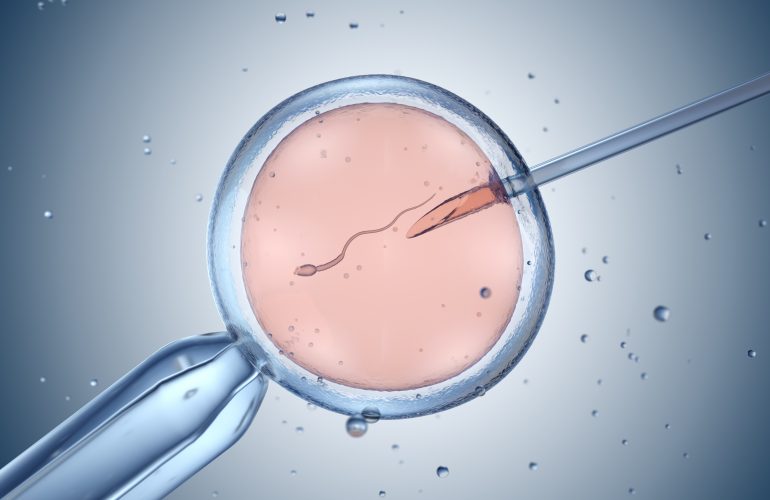
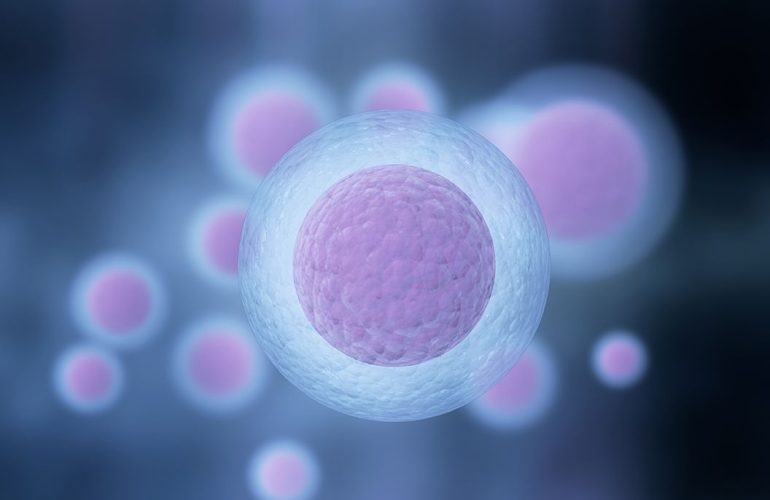
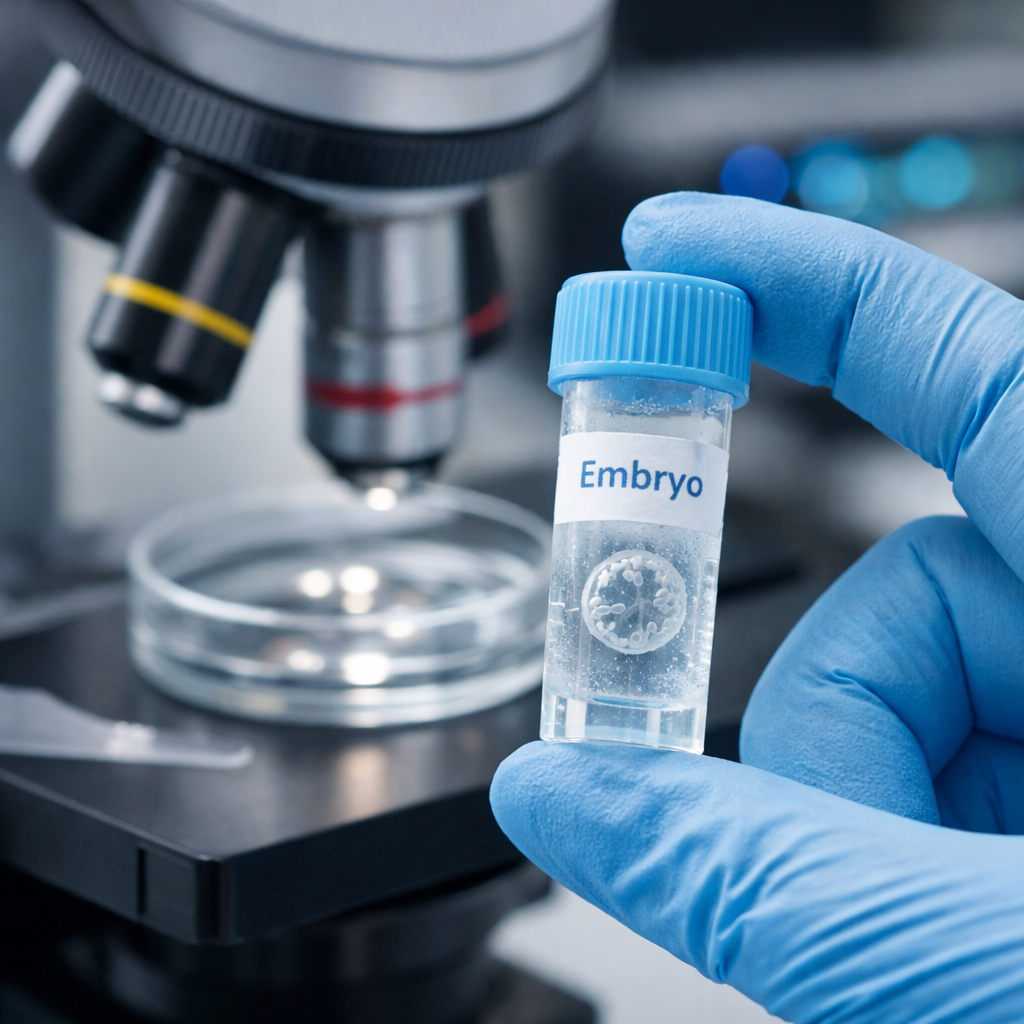
Embryo donation involves the transfer of an already-created embryo into the uterus of the intended mother or gestational carrier.
These embryos are created using:
-
a donated egg
-
a donated sperm
The resulting embryo is then frozen and later transferred to the recipient’s uterus.
Unlike egg or sperm donation alone, embryo donation means the patient is not genetically related to the baby — but will carry the pregnancy, give birth, and experience the full emotional and physical journey of motherhood.
Step-by-Step Guide to Embryo Donation
Step 1: Medical Consultation and Evaluation
The journey begins with a detailed medical consultation. Doctors evaluate:
-
Uterine health
-
Hormone levels
-
Medical history
-
Previous IVF attempts
-
Overall readiness for pregnancy
This step ensures that the uterus is healthy and capable of supporting implantation.
Step 2: Choosing the Embryo Donor
Embryo donors are carefully selected through strict medical and ethical guidelines. Donors typically undergo:
-
Genetic screening
-
Infectious disease testing
-
Psychological evaluation
-
Family medical history review
In many clinics, sperm is sourced from internationally certified sperm banks (often from Denmark or Europe), while egg donors are selected based on age, fertility history, and health.
Step 3: Matching and Legal Documentation
Once a suitable embryo is selected, consent forms and legal agreements are completed. These documents protect:
-
the recipient parents
-
the donors
-
the clinic
Embryo donation is anonymous in most cases, depending on local regulations.
Step 4: Uterine Preparation
The recipient does not need ovarian stimulation or egg collection.
Instead, the uterus is prepared using:
-
estrogen (to build the uterine lining)
-
progesterone (to support implantation)
This process usually takes 10–14 days and is painless.
Step 5: Embryo Transfer
The embryo transfer is a simple, gentle procedure:
-
no anesthesia
-
no surgery
-
completed in minutes
The embryo is carefully placed into the uterus using ultrasound guidance.
Step 6: Pregnancy Test and Follow-Up
About 10–12 days after transfer, a blood pregnancy test (beta-hCG) is performed.
If positive, hormonal support continues, and early pregnancy ultrasounds are scheduled.
Differences Between Embryo Donation, Egg Donation, and Sperm Donation
Understanding the differences is essential when choosing the right fertility path.
Embryo Donation
-
Egg and sperm are both donated
-
No genetic connection to either parent
-
Recipient carries pregnancy and gives birth
-
No egg retrieval needed
-
Often faster and more affordable
Best for:
Women with poor egg quality combined with severe male infertility, genetic risks, or repeated IVF failure.
Egg Donation
-
Donor provides eggs
-
Intended father provides sperm
-
Genetic link to the father only
-
Requires fertilization in the lab
Best for:
Women with low ovarian reserve, early menopause, or advanced maternal age.
Sperm Donation
-
Intended mother uses her own eggs
-
Donor sperm is used for fertilization
-
Genetic link to the mother
Best for:
Severe male infertility, azoospermia, or genetic conditions in the male partner.
Why Many Patients Choose Embryo Donation
Embryo donation offers several advantages:
-
Higher success rates due to young, healthy donors
-
No stimulation or egg retrieval process
-
Lower emotional and physical burden
-
Shorter treatment timeline
-
Opportunity to experience pregnancy and childbirth
For many women, carrying the pregnancy creates a deep emotional bond — regardless of genetics.
Emotional Considerations
Choosing embryo donation is a deeply personal decision. While some patients initially worry about genetics, many discover that:
-
pregnancy creates powerful maternal attachment
-
love and bonding develop naturally
-
parenting is defined by care, not DNA
Proper counseling and support play a vital role throughout this journey.
Final Thoughts
Embryo donation is not a “last resort” — it is a beautiful alternative path to parenthood.
It offers hope to couples who thought their dream of becoming parents was no longer possible. With the right medical guidance, emotional support, and a trusted fertility team, embryo donation can lead to healthy pregnancies and lifelong happiness.
If you are considering fertility treatment and want to explore whether embryo donation, egg donation, or sperm donation is right for you, a personalized consultation is always the first step toward clarity.
For any of your fertility problems, please do not hesitate to contact us. At Fertility Solutions we pride ourselves with the excellent tailored personal care we provide to our patients for their specific needs. A team member will contact you as soon as we get your message, and construct a personal treatment plan for your fertility problems in the country of Cyprus. You can also contact our clinics directly through the links below.
Get in Touch with Our Clinics:
Cyprus Crown IVF Contact: https://en.cypruscrownivf.com/contact
Cyprus American IVF Contact: https://www.cyprusamericanivf.com/contact-us/
Dr. Halil Ibrahim Tekin (Dr. HIT) Youtube: https://www.youtube.com/@dr.halilibrahimtekin1715
Cyprus American IVF Youtube: https://www.youtube.com/@AmerikanTupBebekMerkezi
Clavis Fertility Centre: https://www.clavisfertilitycenter.com