General

Menstrual Cycle and Getting Pregnant

Navigating Your Menstrual Cycle: A Guide to Getting Pregnant

The topic of understanding your menstrual cycle and getting pregnant is an important subject in the field of fertility treatments for patients who are trying to get pregnant using the IVF treatment. The menstrual cycle is a fascinating and intricate process that plays a pivotal role in a woman’s reproductive journey. For those trying to conceive, understanding the phases of the menstrual cycle is essential. In this blog post, we’ll explore the different phases of the menstrual cycle, factors that can affect fertility, and the crucial steps of taking a pregnancy test.

Phases of the Menstrual Cycle

The menstrual cycle consists of several phases, each with its unique characteristics and hormonal shifts. Understanding these phases is fundamental when trying to conceive:

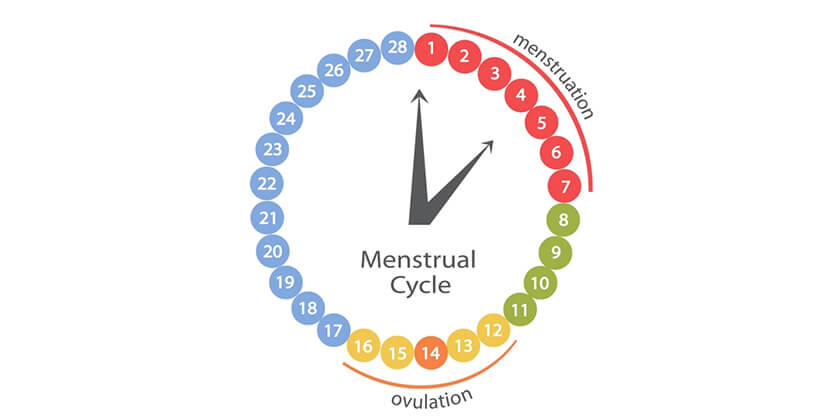
1. Menstruation (Days 1-5): The menstrual cycle begins with menstruation, where the uterine lining is shed. This is when you experience your period.

2. Follicular Phase (Days 1-13): After menstruation, the body enters the follicular phase. During this time, the pituitary gland releases follicle-stimulating hormone (FSH), stimulating the ovaries to produce follicles, each containing an immature egg.

3. Ovulation (Around Day 14): Ovulation is the most fertile phase of the menstrual cycle. A surge in luteinizing hormone (LH) triggers the mature follicle to release an egg into the fallopian tube, where it awaits fertilization.

4. Luteal Phase (Days 15-28): Following ovulation, the body enters the luteal phase. The ruptured follicle transforms into the corpus luteum, releasing progesterone to prepare the uterine lining for potential implantation.

Factors Affecting Fertility

While the menstrual cycle follows a predictable pattern, various factors can influence fertility. It’s essential to be aware of these factors when trying to conceive:

1. Age: Female fertility declines with age, especially after the age of 35. It’s generally easier to conceive in your twenties and early thirties.

2. Health Conditions: Certain medical conditions, such as polycystic ovary syndrome (PCOS) and endometriosis, can impact fertility.

3. Lifestyle Factors: Factors like smoking, excessive alcohol consumption, obesity, and poor nutrition can hinder fertility.

4. Stress: Chronic stress can disrupt hormonal balance, affecting ovulation and fertility.

5. Timing: Accurate timing of intercourse around ovulation is crucial. Having intercourse during the fertile window, which includes the days leading up to and after ovulation, increases the chances of conception.

Taking a Pregnancy Test

Taking a pregnancy test is a pivotal moment on the journey to parenthood. Here are some essential steps to keep in mind:

1. Wait for the Right Time: It’s crucial to wait until after you’ve missed your period to take a pregnancy test. Testing too early may yield inaccurate results.

2. Use the First-Morning Urine: The first-morning urine is often the most concentrated, making it ideal for pregnancy testing.

3. Follow Test Instructions: Carefully read and follow the instructions provided with the pregnancy test kit.

4. Take the Test: Most pregnancy tests involve either dipping a test strip into a urine sample or placing a few drops of urine onto a test cassette. Wait for the designated time indicated in the instructions.

5. Interpret the Results: Pregnancy tests typically display results as lines, plus signs, or the words “pregnant” or “not pregnant.” Always check the manufacturer’s instructions for result interpretation.

6. Confirm with a Healthcare Provider: If the test is positive, it’s advisable to schedule an appointment with a healthcare provider for confirmation and prenatal care initiation.

Understanding your menstrual cycle, its phases, and the factors influencing fertility is essential for those trying to conceive. It provides insight into the best times for conception and helps manage expectations.

When you’re actively trying to conceive, taking a pregnancy test is a pivotal step. By following the recommended guidelines and waiting for the appropriate time, you can achieve more accurate results.

Remember that the journey to parenthood can be filled with both excitement and challenges. Seek support, whether from your healthcare provider, support groups, or loved ones, to navigate this transformative experience with confidence and hope.

For more information, please visit Cyprus American IVF’s website.
Make sure to check out our previous blog posts for anything IVF, detailed information about fertility treatments.
General

Mental well-being and IVF

Nurturing Mental Well-Being on Your IVF Journey: Strategies for Stress Reduction


The path to parenthood can be a challenging and emotional journey, especially for those undergoing In Vitro Fertilization (IVF). The physical and emotional toll of fertility treatments can often lead to stress and anxiety. However, nurturing your mental well-being is crucial for a successful IVF journey. In this blog post, we will explore the connection between mental well-being and IVF and provide recommendations for stress reduction to help you navigate this transformative journey with resilience and hope.

The Emotional Rollercoaster of IVF

IVF is a process marked by hope, anticipation, and sometimes, disappointment. The emotional rollercoaster of fertility treatments can take a toll on your mental well-being. It’s essential to recognize that the stress and emotions you experience are entirely normal. Here are some common emotions that individuals undergoing IVF may face:

  1. Anxiety: The uncertainty of outcomes and the invasive nature of procedures can cause anxiety.
  2. Depression: The disappointment of unsuccessful cycles can lead to feelings of sadness and depression.
  3. Guilt: Some individuals may blame themselves or feel guilty for their fertility challenges.
  4. Isolation: The sense of isolation can result from the inability to share the experience with others or fear of judgment.
  5. Hope: Amidst the challenges, hope remains a driving force for many, keeping them resilient.

The Mind-Body Connection

Research suggests a strong mind-body connection in fertility. High levels of stress can impact fertility and the success of IVF treatments. It’s crucial to prioritize your mental well-being throughout the journey. Here are some strategies for stress reduction:

1. Seek Emotional Support

Sharing your feelings with a supportive friend, family member, or therapist can provide a much-needed outlet. Support groups, both in person and online, are also valuable resources, as they allow you to connect with others who understand your experiences.

2. Mindfulness and Meditation

Mindfulness techniques and meditation can help reduce stress and improve emotional well-being. These practices encourage you to stay present in the moment, reducing anxiety about the future.

3. Exercise Regularly

Physical activity releases endorphins, which are natural mood elevators. Engaging in regular exercise can help manage stress and improve your overall sense of well-being.

4. Nutrition and Hydration

A balanced diet and proper hydration can have a positive impact on mood and energy levels. Fueling your body with nutrient-rich foods can help you feel more resilient.

5. Maintain a Routine

Establishing a daily routine can provide a sense of stability and control during an uncertain time. This can be especially helpful during the sometimes unpredictable phases of IVF treatment.

6. Relaxation Techniques

Incorporate relaxation techniques like deep breathing exercises, progressive muscle relaxation, or aromatherapy into your daily routine to manage stress.

7. Self-Care

Don’t forget to take care of yourself. Whether it’s reading a book, taking a bath, or pursuing a hobby, carving out time for self-care can provide emotional relief.

8. Limit Information Overload

While it’s essential to be informed, it’s equally crucial to avoid information overload. Limit your exposure to fertility forums and websites that may contribute to anxiety.

9. Set Realistic Expectations

IVF outcomes can vary. Setting realistic expectations and understanding that it may take multiple cycles can help reduce the pressure and disappointment associated with the process.

10. Communicate with Your Partner

Maintaining open and honest communication with your partner is vital. Share your feelings, concerns, and hopes with each other, reinforcing your mutual support.

Your mental well-being is an integral part of your IVF journey. While the path may be challenging, remember that you are not alone, and there is support available to help you navigate the emotional ups and downs. Prioritizing stress reduction and mental health can not only improve your experience during IVF but also positively impact your overall health and well-being.

By implementing these strategies and seeking support when needed, you can approach your IVF journey with resilience, hope, and a sense of empowerment. Ultimately, your mental well-being is an essential component of achieving your dream of parenthood through IVF.

Make sure to learn about our policies regarding failed IVF attempts. In some cases, the clinics we work with might offer you reduced prices for your following attempts. It is our duty to make you happy, and satisfied with the services we offer, and if your first attempt is unsuccessful our doctors and team will help you to achieve your dreams of having children with the right solutions.

If you want to learn more about stress during IVF, please check out Cyprus American IVF’s website.

Make sure to check out our previous blog posts regarding fertility treatments and pre-cautions.

Please feel free to check out our clinics through the link here.

General

Pre-IVF Nutrition

Nourishing the Path to Parenthood: Pre-IVF Nutrition and Folic Acid

The journey to parenthood can be a complex one, and for those embarking on the path of In Vitro Fertilization (IVF), nutrition plays a crucial role. Pre-IVF nutrition not only helps optimize the chances of a successful pregnancy but also sets the foundation for a healthy start for both the mother and the baby. In this blog post, we will explore the importance of nutrition, the role of folic acid, and the avoidance of harmful substances as essential components of pre-IVF preparation.

The Significance of Pre-IVF Nutrition

Before diving into the specifics of pre-IVF nutrition, it’s essential to understand why it matters:

  1. Optimizing Egg and Sperm Health: Nutrient-rich foods provide the essential vitamins and minerals needed for healthy egg and sperm development, increasing the likelihood of successful fertilization.
  2. Balancing Hormones: A well-rounded diet helps regulate hormones, crucial for menstrual cycle regularity and egg maturation, both of which are essential for IVF success.
  3. Reducing Inflammation: Chronic inflammation can negatively impact fertility. A nutritious diet can help reduce inflammation, creating a more favorable environment for conception.
  4. Supporting the Uterine Lining: Adequate nutrition ensures a healthy uterine lining, which is essential for embryo implantation during IVF.

Folic Acid: A Key Player

Folic acid, a synthetic form of folate (vitamin B9), is a standout nutrient in the realm of pre-IVF nutrition. Here’s why it’s so important:

1. Neural Tube Development: Folic acid is crucial for the early development of the baby’s neural tube, which eventually becomes the brain and spinal cord. Adequate folate intake reduces the risk of neural tube defects, such as spina bifida.

2. DNA Synthesis: Folic acid plays a pivotal role in DNA synthesis and repair, critical processes during the rapid cell division that occurs during pregnancy.

3. Blood Cell Formation: Folate is involved in red blood cell formation, which helps prevent anemia during pregnancy.

4. Risk Reduction: Ensuring sufficient folic acid intake before conception reduces the risk of preterm birth, low birth weight, and other complications.

Incorporating Folic Acid into Pre-IVF Nutrition

To harness the benefits of folic acid, consider the following dietary sources and supplementation:

  1. Leafy Greens: Foods like spinach, kale, and collard greens are rich in folate.
  2. Fortified Foods: Many breakfast cereals, bread, and pasta are fortified with folic acid.
  3. Legumes: Beans, lentils, and peas are excellent natural sources of folate.
  4. Citrus Fruits: Oranges, grapefruits, and lemons are not only refreshing but also high in folate.
  5. Supplements: In some cases, healthcare providers may recommend folic acid supplements, especially if dietary intake is insufficient.

Avoidance of Harmful Substances

While adopting a nutritious diet is vital, it’s equally crucial to steer clear of substances that can harm fertility and pregnancy outcomes:

  1. Alcohol: Excessive alcohol consumption can disrupt hormonal balance and reduce fertility. It’s best to limit or eliminate alcohol intake while trying to conceive.
  2. Caffeine: High caffeine intake has been linked to fertility problems and a higher risk of miscarriage. Reducing caffeine consumption or switching to decaffeinated options can be beneficial.
  3. Tobacco and Smoking: Smoking has a detrimental impact on fertility and increases the risk of miscarriage and birth defects. Quitting smoking is essential for pre-IVF preparation.
  4. Illicit Drugs: The use of recreational drugs can severely impair fertility and pose significant risks during pregnancy. Seek professional help to overcome substance abuse.

Pre-IVF nutrition is not just about increasing the odds of a successful IVF cycle but also about nurturing a healthy start for your future family. Prioritizing nutrient-rich foods, with a special focus on folic acid, provides a strong foundation for the journey ahead. Equally important is the avoidance of harmful substances that can hinder fertility and pregnancy outcomes.

As you embark on your path to parenthood through IVF, remember that nourishing your body with the right foods and making healthy lifestyle choices can contribute to the success of your journey. Consult with a healthcare provider or nutritionist to create a personalized pre-IVF nutrition plan tailored to your specific needs and goals.

For more information about pre-IVF nutrition and folic acid, please visit Cyprus American IVF’s website.
Make sure to check out our previous blog posts about anything related to fertility, and IVF.
General

Sperm Freezing

Sperm Freezing: Preserving Possibilities for Future Parenthood and IVF

In the world of assisted reproductive technologies, there’s a powerful tool that offers hope to individuals and couples facing various life circumstances: sperm freezing. This remarkable technique not only safeguards a man’s fertility for future use but also plays a crucial role in the success of In Vitro Fertilization (IVF). In this blog post, we’ll explore the science behind sperm freezing, its significance, the process involved, and how it connects to IVF.

Understanding Sperm Freezing

Sperm freezing, also known as sperm cryopreservation, is a medical procedure that involves preserving sperm at extremely low temperatures to keep them viable for an extended period. This process allows individuals to maintain their reproductive options, even in situations where future fertility may be at risk.

Why Sperm Freezing Matters

Sperm freezing offers a multitude of benefits and addresses various scenarios:

  1. Medical Treatments: Individuals undergoing medical treatments like chemotherapy or radiation, which can harm sperm production, can preserve their fertility through sperm freezing.
  2. Lifestyle Choices: Men choosing to delay parenthood due to career goals, travel plans, or other personal reasons can opt for sperm freezing to secure their reproductive future.
  3. Infertility: In cases of male infertility, where sperm quality or quantity may be compromised, sperm freezing ensures access to healthy sperm for fertility treatments like IVF.
  4. Assisted Reproduction: Sperm freezing is an integral component of IVF and other assisted reproductive techniques, allowing couples to overcome infertility challenges.

The Process of Sperm Freezing

Sperm freezing is a carefully orchestrated procedure that involves several steps:

1. Sperm Collection: The individual provides a semen sample through masturbation. The sample is collected in a sterile container.

2. Semen Analysis: The sample is evaluated to assess sperm count, motility, and overall quality. This analysis helps determine the suitability of the sperm for freezing.

3. Sperm Preparation: The sperm sample is mixed with a special cryoprotectant solution. This solution prevents ice crystal formation, which could damage the sperm during freezing and thawing.

4. Freezing: The prepared sperm is divided into small vials, which are then slowly cooled to ultra-low temperatures (typically around -196°C) using liquid nitrogen. This rapid freezing process preserves the sperm’s viability.

5. Storage: The vials containing frozen sperm are stored in liquid nitrogen tanks at specialized cryopreservation facilities. They can remain viable for an extended period, even decades.

Connecting Sperm Freezing to IVF

Sperm freezing and IVF are closely intertwined, often working together to achieve successful pregnancies:

  1. Fertility Preservation: Sperm freezing provides an option for individuals or couples who plan to undergo IVF in the future. It safeguards the possibility of using the individual’s sperm when they are ready to start a family.
  2. Overcoming Male Infertility: In cases where male infertility factors hinder natural conception, IVF can be paired with frozen sperm to achieve fertilization outside the body, increasing the chances of pregnancy.
  3. Donor Sperm: In situations where a male partner lacks viable sperm, donor sperm banks rely on frozen sperm for IVF procedures, allowing couples to experience the joys of parenthood.
  4. Timed Fertilization: IVF and related techniques often require precise timing. Having frozen sperm readily available eliminates the need to coordinate sperm collection on the day of the procedure, streamlining the IVF process.


Sperm freezing is not just a means of preserving fertility; it’s a powerful tool that empowers individuals and couples to make informed decisions about their reproductive futures. In the context of IVF, it plays a pivotal role in overcoming various fertility challenges and ensuring that couples have the best chance of achieving their dreams of parenthood.

As the field of assisted reproduction continues to advance, sperm freezing remains an essential component, providing hope, options, and flexibility to those on the journey to building a family. Whether for medical reasons, lifestyle choices, or infertility challenges, sperm freezing and IVF together open doors to a world of possibilities, allowing the miracle of life to be within reach, no matter the circumstances.

Please check out the website of one of the most prestigious IVF clinics in Europe for more information regarding sperm freezing, and for many other fertility treatments.
Lastly, we invite you to check out our previous blog posts.
General

Understanding Oligospermia

Understanding Oligospermia: Causes, Symptoms, Treatments, and the Role of IVF


Oligospermia, a condition characterized by a low sperm count, can be a source of concern for couples trying to conceive. This condition not only affects male fertility but can also be a contributing factor in couples experiencing difficulty conceiving. In this comprehensive blog post, we will delve into the world of oligospermia, discussing its symptoms, causes, treatments, and how it relates to In Vitro Fertilization (IVF). Additionally, we will explore dietary choices that can potentially help patients manage this condition.

What Is Oligospermia?

Oligospermia, often referred to as a low sperm count, is a condition in which the concentration of sperm in a man’s ejaculate is below the normal threshold. It is a common cause of male infertility and can make it challenging for couples to achieve pregnancy naturally.

Symptoms of Oligospermia

This condition is typically asymptomatic, meaning it doesn’t manifest with noticeable physical symptoms. The primary indicator of this condition becomes apparent when a couple struggles to conceive. Routine semen analysis, conducted as part of fertility testing, is essential for diagnosis.

Causes of Oligospermia

Understanding the underlying causes of oligospermia is crucial for effective treatment. Several factors can contribute to a low sperm count:

  1. Varicocele: Varicocele is a condition in which the veins that drain the testicles become enlarged and cause overheating of the testicles, negatively impacting sperm production.
  2. Hormonal Imbalances: Hormonal issues, such as low testosterone levels or thyroid disorders, can affect sperm production.
  3. Infections: Infections, especially in the reproductive system, can lead to sperm count reduction.
  4. Lifestyle Factors: Smoking, excessive alcohol consumption, drug use, and obesity have all been linked to lower sperm counts.
  5. Environmental Toxins: Exposure to certain environmental toxins, chemicals, or radiation can affect sperm production and quality.
  6. Genetic Factors: In some cases, genetic factors may contribute to oligospermia.

Treatments for Oligospermia

The treatment approach for oligospermia depends on the underlying cause. Here are some common treatments:

  1. Varicocele Repair: Surgical correction of varicoceles can improve sperm count in some cases.
  2. Hormone Therapy: If hormonal imbalances are detected, hormone therapy may be prescribed to restore normal hormone levels.
  3. Antibiotics: For infections, antibiotics can help clear the infection and potentially improve sperm count.
  4. Lifestyle Changes: Adopting a healthier lifestyle, including quitting smoking, moderating alcohol intake, losing weight if needed, and reducing exposure to environmental toxins, can all have a positive impact on sperm count.
  5. IVF and Assisted Reproductive Techniques (ART): When conservative treatments fail, couples may explore fertility treatments like IVF. IVF can help bypass low sperm count issues by directly introducing sperm to the egg, increasing the chances of fertilization.

IVF and Oligospermia

IVF can be an effective solution for couples dealing with oligospermia. In cases where the male partner has a low sperm count, IVF offers a way to overcome this hurdle. The process involves retrieving eggs from the female partner and fertilizing them with sperm in a controlled laboratory setting. This allows for the selection of the healthiest sperm for fertilization, increasing the chances of a successful pregnancy.

Dietary Considerations for Oligospermia

Diet plays a crucial role in overall reproductive health. While it’s not a direct treatment for oligospermia, a healthy diet can support sperm production and quality. Here are some dietary recommendations:

  1. Antioxidant-Rich Foods: Foods high in antioxidants, such as fruits (berries, citrus), vegetables (broccoli, spinach), and nuts (walnuts), can help protect sperm from oxidative damage.
  2. Omega-3 Fatty Acids: Incorporating fatty fish (salmon, mackerel), flaxseeds, and walnuts into the diet can support healthy sperm.
  3. Zinc: Foods rich in zinc, like lean meats, poultry, and legumes, are essential for sperm production.
  4. Vitamins and Minerals: Ensure an adequate intake of vitamins like vitamin C, vitamin D, and minerals like selenium and zinc through a balanced diet or supplements if recommended by a healthcare provider.

Oligospermia can be a challenging condition for couples aspiring to have children. However, with the right diagnosis, treatment, and lifestyle modifications, many individuals with oligospermia can improve their sperm count and fertility. In cases where conservative treatments prove ineffective, IVF serves as a valuable option to help couples achieve their dreams of parenthood. While diet alone may not cure oligospermia, adopting a healthy and balanced diet can contribute to overall reproductive health and support other treatments aimed at improving sperm count and quality.

For detailed information, please refer to the Cyprus American IVF’s website.
Make sure to check out our previous blog posts about anything related to fertility treatments, and IVF.
General

The Role of Hysteroscopy

Hysteroscopy

For couples embarking on the journey of In Vitro Fertilization (IVF), each step is crucial in ensuring the best possible outcome. One such vital step is hysteroscopy, a minimally invasive procedure that plays a significant role in assessing and enhancing the chances of IVF success. In this blog post, we will explore hysteroscopy for IVF, its importance, procedure, benefits, and how it contributes to the fulfillment of parenthood dreams.

Understanding Hysteroscopy

Hysteroscopy is a specialized medical procedure that allows a doctor to examine the inside of a woman’s uterus (the womb) using a thin, flexible tube called a hysteroscope. This instrument is equipped with a light and camera, enabling real-time visualization of the uterine cavity. Hysteroscopy can serve both diagnostic and therapeutic purposes, making it a valuable tool in the context of IVF.

The Role of Hysteroscopy in IVF

Hysteroscopy is often performed before an IVF cycle for several critical reasons:

1. Uterine Abnormalities: Hysteroscopy helps identify and address any structural abnormalities in the uterine cavity, such as polyps, fibroids, or scar tissue (adhesions). These abnormalities can hinder embryo implantation and successful pregnancy.

2. Enhanced Implantation: A healthy uterine environment is essential for embryo implantation and growth. Hysteroscopy can detect and treat any issues that may compromise this environment, ensuring optimal conditions for IVF success.

3. Improved Success Rates: Studies have shown that women who undergo hysteroscopy before IVF tend to have higher success rates. Detecting and addressing uterine abnormalities can significantly enhance the chances of a successful pregnancy.

The Hysteroscopy Procedure

The hysteroscopy procedure is typically straightforward and minimally invasive, often performed as an outpatient procedure with the patient under local anesthesia. Here’s an overview of what to expect:

1. Preparation: Before the procedure, you may receive medication to relax the uterine muscles and reduce discomfort.

2. Insertion of the Hysteroscope: The hysteroscope is gently inserted through the cervix and into the uterus. Carbon dioxide gas or a saline solution may be used to expand the uterine cavity, allowing for better visualization.

3. Visual Examination: As the hysteroscope is maneuvered through the uterus, the doctor can view the uterine lining and any abnormalities on a monitor in real-time. Photographs or videos may be taken for future reference.

4. Diagnosis and Treatment: If any issues are identified during the procedure, such as polyps, fibroids, or adhesions, they can often be addressed immediately. This may involve removing or resecting these abnormalities.

5. Recovery: After the procedure, patients can usually return home the same day. Recovery time is minimal, with most women experiencing mild cramping and spotting for a short period.

Benefits of Hysteroscopy for IVF

Hysteroscopy offers a multitude of benefits within the context of IVF:

1. Improved Pregnancy Outcomes: Addressing uterine abnormalities increases the likelihood of successful embryo implantation and a healthy pregnancy.

2. Personalized Treatment: Hysteroscopy allows for a tailored approach to infertility treatment, addressing individual uterine issues.

3. Reduced Miscarriage Risk: Identifying and treating uterine abnormalities can reduce the risk of miscarriage, a significant concern for couples pursuing IVF.

4. Enhanced Diagnostic Accuracy: Hysteroscopy provides direct visualization of the uterine cavity, offering a highly accurate assessment of its condition.

In the intricate process of IVF, every detail counts, and hysteroscopy is a valuable tool that can make a substantial difference in the outcome. By providing a thorough assessment of the uterine environment and addressing any abnormalities, hysteroscopy paves the way for higher IVF success rates and, ultimately, the fulfillment of the dreams of parenthood.

If you are considering IVF or have encountered challenges in previous attempts, don’t hesitate to discuss the potential benefits of hysteroscopy with your fertility specialist. It may just be the key to illuminating your path to a successful IVF journey and the joy of becoming parents.

For more information, we recommend you to visit Cyprus American IVF centre’s website.
Also, make sure to check out our previous blog posts for anything related to fertility, and IVF procedures.
General

 Dr. HIT: Pioneering IVF Specialist and Dream Maker

Who is Dr. HIT?

For the ones that were asking, this week’s blog post will cover some personal information about our top doctor Halil Ibrahim Tekin (Dr. HIT) at the clinic of Crown IVF Cyprus.

In the world of medicine, certain individuals stand out as pioneers and game-changers. Dr. Halil Ibrahim Tekin, also known as Dr. Hit, is undoubtedly one of them. With a remarkable journey that began in Cyprus and led him to become a leading figure in the field of reproductive medicine, Dr. Tekin has dedicated his life to helping couples achieve their dreams of parenthood. In this blog post, we’ll explore the extraordinary career and contributions of Dr. Halil Ibrahim Tekin.

Early Life and Education

Dr. Halil Ibrahim Tekin’s journey towards becoming a renowned IVF specialist started in his birthplace, Cyprus. Born with a passion for medicine, he embarked on a path that would lead him to become a beacon of hope for countless families.

After completing his primary education, Dr. Tekin attended the prestigious Galatasaray High School in Istanbul, a testament to his dedication and commitment to academic excellence. His thirst for knowledge and his dream of making a significant impact on the world of medicine led him to Cerrahpasa Medical School in Istanbul, where he pursued his medical degree.

Pioneering IVF in North Cyprus

Following his medical education, Dr. Halil Ibrahim Tekin gained invaluable experience working as a gynecologist in Istanbul. However, it was his unwavering determination and vision that drove him to take a bold step forward. Dr. Tekin became the first doctor to open an In Vitro Fertilization (IVF) clinic in North Cyprus, forever changing the landscape of reproductive medicine in the region.

Dr. Hit’s IVF clinic quickly became a beacon of hope for couples facing infertility challenges. His commitment to excellence, cutting-edge techniques, and compassionate care made him a trusted and revered figure in the field. Dr. Tekin’s clinic has since helped numerous couples turn their dreams of parenthood into a reality.

A Legacy of Success

Dr. Halil Ibrahim Tekin, or Dr. Hit, as he is mostly called by his colleagues, has built a legacy of success through his groundbreaking IVF operations. His clinic’s remarkable success rates speak volumes about his expertise and dedication to the field.

What sets Dr. Tekin apart is not just his medical proficiency but also his genuine empathy and understanding of the emotional journey that couples go through when dealing with infertility. He believes that every patient’s story is unique and deserving of personalized care, making him a beacon of hope for those who thought they had exhausted all options.

Dr. Halil Ibrahim Tekin’s journey from Cyprus to becoming a pioneering IVF specialist is a testament to the power of dedication, passion, and a desire to make a positive impact on people’s lives. Through his groundbreaking work, he has turned countless dreams of parenthood into reality. Dr. Tekin’s legacy serves as an inspiration not only to the medical community but also to anyone striving to make a meaningful difference in the world. His unwavering commitment to the field of reproductive medicine has earned him a special place in the hearts of his patients and colleagues alike, making him a true dream maker in every sense.

Today, he continues to gain experience in the field of IVF, and helping more people by expanding his clinics in more countries with the help of his great team and doctors.

We are looking forward to help anyone who wants to achieve their dreams of having children. Our top doctors, such as Dr. Halil Ibrahim Tekin will be ready to help you in any way through your fertility journey.

If you want to know more about our top doctor, please check out his biography on his website.

Make sure you read our recent blog posts about the IVF procedures offered at our clinics.


General

What is Pre-implantation genetic diagnosis (PGD)?

Unlocking the Future of Family Planning: Pre-Implantation Genetic Diagnosis (PGD)

In the realm of reproductive medicine, advancements are continuously being made to help couples achieve their dream of a healthy and happy family. Pre-Implantation Genetic Diagnosis (PGD) is a groundbreaking technology that offers hope and assurance to parents-to-be by allowing them to screen embryos for genetic abnormalities before they are implanted in the womb. In this blog post, we will delve into the world of PGD, exploring its principles, applications, benefits, and ethical considerations.

Understanding PGD

Pre-Implantation Genetic Diagnosis is a sophisticated and precise genetic testing procedure that takes place during the early stages of in vitro fertilization (IVF). IVF involves the fertilization of eggs and sperm outside the body in a laboratory dish, resulting in the formation of embryos. PGD is typically performed on these embryos before they are implanted into the uterus.

The key steps in the PGD process include:

  1. Ovarian Stimulation: The woman undergoes hormone therapy to stimulate the ovaries to produce multiple eggs.
  2. Egg Retrieval: Once the eggs are mature, they are retrieved from the ovaries.
  3. Fertilization: The retrieved eggs are fertilized with sperm in a laboratory setting to form embryos.
  4. Genetic Testing: A small number of cells are extracted from each embryo, and genetic testing is performed to identify any genetic abnormalities or mutations.
  5. Selection and Implantation: Only the healthy embryos are selected for implantation in the woman’s uterus, increasing the chances of a successful pregnancy.

Applications of PGD

PGD offers a wide range of applications, making it a valuable tool in the field of reproductive medicine:

  1. Preventing Genetic Diseases: PGD can be used to detect genetic disorders such as cystic fibrosis, Huntington’s disease, and muscular dystrophy. Couples with a family history of these conditions can use PGD to ensure their children are not affected.
  2. Balancing Family Size: Some parents may use PGD to balance the gender of their children when they have a genetic predisposition for sex-linked disorders.
  3. Increasing IVF Success Rates: By selecting genetically healthy embryos for implantation, PGD can significantly increase the chances of a successful IVF pregnancy, reducing the emotional and financial burden on couples.
  4. Aging Parents: Older couples may choose PGD to reduce the risk of chromosomal abnormalities such as Down syndrome, which becomes more common with maternal age.

Benefits of PGD

  1. Reduced Risk: PGD minimizes the risk of passing on genetic disorders to the next generation, providing peace of mind to prospective parents.
  2. Improved IVF Success Rates: By selecting the healthiest embryos for implantation, the likelihood of a successful pregnancy during IVF is significantly enhanced.
  3. Ethical Considerations: PGD allows parents to make informed choices about their family planning while respecting the ethical principle of avoiding harm to future children.

Ethical Considerations

While PGD offers numerous benefits, it also raises ethical questions and concerns:

  1. Selective Abortion: Some critics argue that PGD may lead to selective abortion if parents choose to discard embryos with specific traits, such as gender.
  2. Designer Babies: There are concerns that PGD could be misused to select embryos for non-medical reasons, potentially leading to a society where “designer babies” are created.
  3. Access and Affordability: PGD is a costly procedure, raising issues of access and affordability for couples seeking its benefits.


Pre-Implantation Genetic Diagnosis is a remarkable advancement in reproductive medicine, offering new hope to couples facing genetic risks and fertility challenges. While it provides numerous benefits, it also necessitates careful consideration of ethical concerns. As technology continues to evolve, it is crucial to strike a balance between the promise of PGD and the ethical principles that guide its application. Ultimately, PGD represents a powerful tool in the journey toward healthy and happy families, highlighting the incredible potential of science to shape our future.

For more information about PGD, please check the website of the top clinic we work with in Cyprus.

Lastly, please refer to our other blog posts for more information to understand the treatments that we offer for you.

General

Genetic Testing

The Power of Genetic Testing in IVF: Opening New Doors to Healthy Beginnings

In vitro fertilization (IVF) has revolutionized the field of reproductive medicine, offering hope to couples struggling with infertility. While IVF has been successful in assisting many couples in achieving pregnancy, the addition of genetic testing to the process has further enhanced its potential. Genetic testing in IVF allows for a deeper understanding of embryos’ genetic makeup, enabling doctors to select the healthiest embryos for transfer. In this blog post, we delve into the remarkable impact of genetic testing in IVF and its role in ensuring healthy beginnings for families.

Enhancing Success Rates: Genetic testing plays a vital role in improving the success rates of IVF procedures. By analyzing the genetic material of embryos prior to transfer, doctors can identify genetic abnormalities and chromosomal disorders. This knowledge allows for the selection of embryos with a higher likelihood of implantation and successful pregnancy. By choosing the healthiest embryos, genetic testing significantly increases the chances of a successful IVF outcome and reduces the risk of miscarriage.

Preventing Genetic Disorders: One of the most significant advantages of genetic testing in IVF is the prevention of genetic disorders. Certain genetic conditions, such as Down syndrome, cystic fibrosis, and Tay-Sachs disease, can be detected through genetic testing. By identifying embryos with these conditions, doctors can help parents make informed decisions about the continuation of the pregnancy or explore alternative options such as preimplantation genetic diagnosis (PGD) or preimplantation genetic screening (PGS) to ensure the transfer of healthy embryos.

Family Balancing and Gender Selection: Genetic testing in IVF also offers the option of family balancing and gender selection. For families with a specific genetic disorder that affects one gender more severely, such as hemophilia, this technology allows for the selection of embryos of the desired gender. Additionally, for couples with a strong preference for a specific gender, such as those seeking to balance their family dynamics, genetic testing provides a method to choose embryos of the desired sex.

Reducing Emotional and Financial Burdens: Infertility treatments can be emotionally and financially draining for couples. Genetic testing in IVF helps alleviate some of these burdens. By selecting embryos with a higher chance of success, couples can avoid repeated unsuccessful cycles and the emotional toll that accompanies them. Additionally, transferring healthy embryos reduces the risk of complications and the need for invasive procedures such as fetal testing or termination later in the pregnancy, thereby providing peace of mind for expectant parents.

Ethical Considerations and Counselling: While genetic testing in IVF presents exciting possibilities, it also raises important ethical considerations. Counseling plays a crucial role in the process, ensuring that couples fully understand the implications and potential outcomes of genetic testing. Ethical discussions center around topics such as embryo selection based on non-medical traits, the creation and disposal of embryos, and the potential for unintended consequences. Open and thoughtful conversations between medical professionals, patients, and ethics committees are essential for maintaining ethical standards and respecting individual values.

Genetic testing has brought about a remarkable transformation in the world of IVF. By enabling the selection of healthy embryos, it has significantly increased the success rates of IVF procedures while reducing the risk of genetic disorders and miscarriage. The ability to choose the gender of embryos and promote family balancing further expands options for prospective parents. However, it is essential to approach genetic testing in IVF with careful consideration, ensuring ethical guidelines are followed, and comprehensive counseling is provided. Ultimately, genetic testing in IVF represents a significant advancement in reproductive medicine, offering hope and the opportunity for healthy beginnings to couples longing to build their families.

For more information about genetic testing in IVF, please checkout Crown IVF’s website.

Make sure to check out our previous blog post about embryo donation.

General

When Should I Freeze My Eggs?

Age-Related Fertility Decline

When Should I Freeze My Eggs?

As women age, the quality and quantity of their eggs begin to decline. This is a natural and inevitable process and is commonly known as age-related fertility decline. As a woman’s fertility decreases with age, it becomes increasingly difficult for her to conceive a child naturally. This is why many women choose to freeze their eggs to preserve their fertility.

Factors To Consider Before Deciding To Freeze Eggs

Before deciding to freeze your eggs, there are several factors that you need to consider. Firstly, you should consider your age and how quickly your fertility is declining. If you are in your early thirties, you may still have a few years to decide whether to freeze your eggs. However, if you are in your late thirties or early forties, your fertility may be declining rapidly, and you should consider freezing your eggs sooner rather than later. Secondly, you should consider your overall health and medical history. Certain health conditions can impact your fertility and may increase the urgency to freeze your eggs. Finally, you should consider your financial situation, as egg freezing can be expensive.

Age Chance of Natural Pregnancy Success Rate of Egg Freezing
35 15-20% 26-35%
38 10-15% 20-29%
41 5-10% 6-16%


Egg Freezing Process And Procedures

Freezing your eggs can be a great way to preserve your fertility and plan for your future. Many women choose to freeze their eggs for a variety of reasons, including medical conditions that affect fertility, personal choice, or delaying motherhood. If you’re considering freezing your eggs, you may be wondering about the egg freezing process and procedures.

The first step in the egg freezing process is to undergo ovarian stimulation. This involves taking fertility medications to stimulate your ovaries to produce multiple eggs. During this time, your doctor will monitor your progress with ultrasounds and blood tests to determine when the eggs are ready to be retrieved.

The next step in the egg freezing process is the actual egg retrieval procedure. This is typically done in an outpatient setting and involves using a needle to extract the mature eggs from your ovaries. You will be under sedation during the procedure and should not feel any pain.

Factors to consider before freezing your eggs Financial considerations
  • Your age and overall health
  • Chances of success with IVF
  • Possible side effects and risks
  • Cost of egg freezing procedure
  • Cost of storage fees
  • Possible additional costs for medication and testing

After the eggs have been retrieved, they will be frozen and stored for future use. When you are ready to use your eggs, they will be thawed and fertilized with sperm in a laboratory. The resulting embryos will be transferred to your uterus to hopefully result in a successful pregnancy.

Overall, the egg freezing process and procedures can be an effective way to preserve your fertility and plan for the future. However, it’s important to consider the factors involved and consult with your doctor to determine if it’s the best choice for you.

Egg freezing can be a great option for women who want to preserve their fertility. However, it is important to consider the financial implications before making a decision. Remember to factor in the cost of egg retrieval, medications, storage fees, and future IVF cycles. With careful planning and research, you can make an informed decision that is right for you.

Factors To Consider Before Deciding To Freeze Eggs

Factors To Consider Before Deciding To Freeze Eggs

Many women choose to freeze their eggs for various reasons. It could be due to medical conditions, age-related fertility decline, or simply because they have not yet found a suitable partner. Whatever the reason may be, it is essential to consider several factors before deciding to freeze your eggs.

Age is a significant factor to consider when deciding to freeze your eggs. Women are born with a certain number of eggs, and as they age, the quantity and quality of their eggs decline. The best time to freeze your eggs is before the age of 35. At this age, the chances of your eggs being healthy and viable are higher. Freezing your eggs before you hit your mid-30s will give you a better chance of conceiving using your frozen eggs in the future.

Another factor to consider is your current ovarian reserve. Before deciding to freeze your eggs, it is essential to know how many healthy eggs you have at present. A thorough fertility assessment will give you a clear idea of your current ovarian reserve, and whether it is the right time to freeze your eggs. With this information, your doctor can guide you on when to freeze your eggs and how many cycles you may need to undergo to achieve a reasonable number.

Financial Considerations Emotional Considerations
Freezing your eggs can be costly. It is essential to consider the financial aspect before deciding to undergo the procedure. The cost of freezing your eggs varies depending on your location and the clinic you choose. You must consider how much you are willing to spend and if it makes financial sense for you at the moment. Freezing your eggs can also be an emotional rollercoaster. Emotions like anxiety, fear, and hope may run high during the procedure. It is essential to consider the psychological impact of the procedure and take the necessary steps to prepare yourself emotionally. You may also want to consider seeking support from loved ones or a therapist.

Finally, you must consider your current lifestyle and future plans. Freezing your eggs is not a guarantee that you will conceive in the future. You must consider if your current lifestyle is conducive to having a child. Factors like your career, travel plans, and relationship status should be taken into account. It is essential to have a clear plan on how you intend to use your frozen eggs, and what happens if you do not conceive using them.

Freezing your eggs can be an excellent option for women who want to preserve their fertility for the future. However, it is essential to consider the factors mentioned above before making a decision. Consulting with a fertility specialist can also help you navigate the process and ensure that you make an informed decision.


Notice: ob_end_flush(): Failed to send buffer of zlib output compression (0) in /home/fertilitysol/public_html/wp-includes/functions.php on line 5493