General

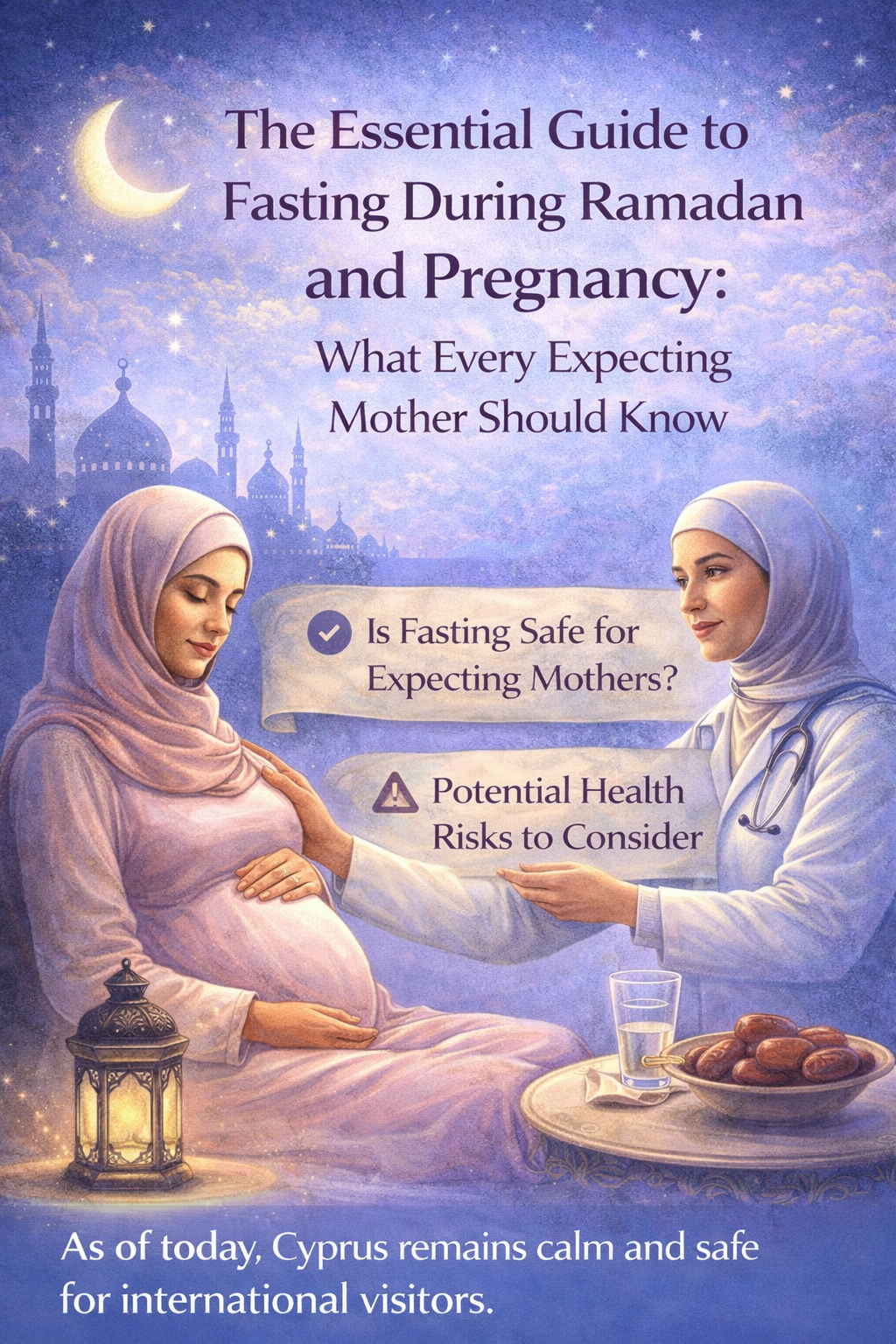
The Essential Guide to Fasting During Ramadan and Pregnancy: What Every Expecting Mother Should Know

Ramadan is a deeply meaningful time for millions of Muslims around the world. It is a month of spiritual reflection, prayer, and fasting from sunrise to sunset. However, for women who are pregnant, an important question often arises: Can fasting during Ramadan and pregnancy safely go hand in hand?

The answer is not always simple. While some pregnant women may be able to fast safely under certain conditions, medical professionals generally recommend careful evaluation before making this decision. Every pregnancy is unique, and fasting may affect women and babies differently depending on several factors such as health status, stage of pregnancy, and overall nutrition.

Understanding the potential effects of fasting during pregnancy can help expectant mothers make informed choices during Ramadan.


Religious Considerations During Pregnancy

In Islam, the health of the mother and the baby is considered extremely important. Islamic teachings provide flexibility for those who may face health challenges during fasting.

Pregnant women are among those who may be exempt from fasting if it could cause harm or difficulty. Instead, many scholars advise making up the missed fasts later or providing charitable compensation (fidya), depending on individual circumstances.

This religious flexibility allows women to prioritize their health and the health of their unborn child.


How Fasting Affects the Body During Pregnancy

During pregnancy, a woman’s body undergoes major physiological changes. Energy demands increase as the body supports the growth and development of the baby.

When fasting for long hours without food or water, several changes may occur:

  • Blood sugar levels may drop

  • Dehydration risk may increase

  • Fatigue may become more pronounced

  • Nutrient intake may become limited

While healthy adults often adapt well to fasting, pregnancy places additional nutritional demands on the body that can make fasting more challenging.


The Stage of Pregnancy Matters

The effects of fasting can vary depending on the trimester.

First Trimester

During early pregnancy, women often experience nausea, vomiting, and fatigue. Fasting during this period may worsen symptoms and make it difficult to maintain adequate nutrition.

Second Trimester

Some women feel physically stronger during the second trimester, which may make fasting more manageable for certain individuals. However, hydration and balanced meals remain essential.

Third Trimester

In later pregnancy, energy needs increase significantly as the baby grows rapidly. Dehydration and reduced calorie intake may affect maternal energy levels and fetal development.

Because each stage presents different physiological demands, doctors often recommend individualized medical advice.


Potential Risks to Be Aware Of

Although many pregnancies progress normally during Ramadan, certain risks should be considered when fasting.

Possible concerns include:

  • Dehydration, particularly in warm climates or long fasting hours

  • Low blood sugar levels, which may cause dizziness or weakness

  • Reduced fetal growth if nutrition becomes insufficient

  • Increased fatigue or difficulty maintaining daily activities

Women with high-risk pregnancies, gestational diabetes, anemia, or previous pregnancy complications are generally advised not to fast.


Signs That Fasting May Not Be Safe

If a pregnant woman chooses to fast, it is important to monitor how the body responds.

Fasting should be stopped immediately if the following symptoms occur:

  • Severe dizziness or fainting

  • Persistent headaches

  • Reduced fetal movement

  • Strong dehydration symptoms

  • Unusual abdominal pain

These signs may indicate that the body needs nourishment and hydration.


Tips for Pregnant Women Who Choose to Fast

For women who decide to fast after consulting with their doctor, several precautions may help support a healthier experience.

Prioritize Hydration

Drink plenty of fluids between iftar (breaking the fast) and suhoor (pre-dawn meal) to prevent dehydration.

Eat Nutrient-Dense Foods

Balanced meals should include:

  • Lean proteins

  • Whole grains

  • Healthy fats

  • Fruits and vegetables

Avoid Sugary Foods

Foods high in sugar can cause rapid blood sugar spikes followed by energy crashes.

Rest When Possible

Pregnancy already requires extra energy, so adequate rest during the day is important.


Consulting a Doctor Is Crucial

Before fasting during Ramadan, pregnant women should speak with their healthcare provider. A doctor can assess important factors such as:

  • Maternal weight and nutrition

  • Blood pressure

  • Blood sugar levels

  • Pregnancy progress

  • Any underlying medical conditions

This professional guidance helps determine whether fasting is safe for the individual pregnancy.


Final Thoughts

Ramadan is a spiritually powerful time, but pregnancy introduces additional physical considerations. While some women may be able to fast safely under medical supervision, others may find that fasting places unnecessary strain on their bodies.

Islam allows flexibility in situations where health may be affected, emphasizing compassion and well-being.

Ultimately, the most important priority during pregnancy is the health of both mother and baby. By consulting healthcare professionals and listening carefully to their bodies, expectant mothers can make the best decision for their personal situation during this special month.

For any of your fertility problems, please do not hesitate to contact us. At Fertility Solutions we pride ourselves with the excellent tailored personal care we provide to our patients for their specific needs. A team member will contact you as soon as we get your message, and construct a personal treatment plan for your fertility problems in the country of Cyprus. You can also contact our clinics directly through the links below.

Get in Touch with Our Clinics:

Cyprus Crown IVF Contact: https://en.cypruscrownivf.com/contact

Cyprus American IVF Contact: https://www.cyprusamericanivf.com/contact-us/

Dr. Halil Ibrahim Tekin  (Dr. HIT) Youtube: https://www.youtube.com/@dr.halilibrahimtekin1715

Cyprus American IVF Youtube: https://www.youtube.com/@AmerikanTupBebekMerkezi

Clavis Fertility Centre: https://www.clavisfertilitycenter.com

General

Air Travel to Cyprus During Global Tensions: What Patients Need to Know About Safety and Air Travel

A lot of people may have the misconception that air travel seized operating to Cyprus. In recent weeks, global headlines have been dominated by escalating tensions between the United States and Iran. The situation has understandably created anxiety for travelers around the world, especially for patients planning medical travel for treatments such as IVF.

For many international patients planning to visit Cyprus, one of the first questions that arises is simple but important: Is it safe to travel to Cyprus right now?

Despite the uncertainty caused by global events, Cyprus remains a stable destination in the Mediterranean. While regional tensions have led to increased security awareness and some travel advisories, the island itself continues to operate normally, and civilian life remains calm.

Most importantly for travelers and medical patients, there is no active bombing of civilian areas in Cyprus as of today, and both tourism and medical travel continue to function.


Understanding the Regional Situation

The conflict involving the United States and Iran has primarily affected areas of the Middle East. Because Cyprus is geographically close to this region, news about the conflict has naturally raised concerns about potential spillover effects.

Recently, a drone struck a British military base at RAF Akrotiri on the island, but the target was a military installation rather than civilian areas, and no casualties were reported.

Authorities in Cyprus have emphasized that the island itself is not directly involved in the conflict, and everyday life continues normally across both North and South Cyprus.

European leaders and defense partners have also reinforced security around the island as a precautionary measure.


Air Travel to Cyprus Is Still Operating

One of the biggest concerns for international patients is whether flights are still operating.

Fortunately, air travel to Cyprus remains open and functional.

Airlines continue to operate flights into the island’s two main gateways:

Larnaca International Airport (South Cyprus)
Ercan Airport (North Cyprus)

Travelers from Europe, North America, and other regions can still reach Cyprus through common transit hubs such as:

  • Istanbul

  • Athens

  • Vienna

  • Frankfurt

  • London

While some Middle Eastern air routes may occasionally change due to airspace precautions, most flights from Europe and Türkiye continue to operate normally.

Patients traveling through Istanbul to Ercan Airport or through European cities to Larnaca Airport are still able to reach the island without major disruptions.


Travel Advisories and What They Mean

Several governments have issued precautionary travel advisories related to regional tensions.

For example, the United States has raised its travel advisory level for Cyprus to encourage travelers to stay informed and exercise caution.

However, these advisories do not mean that travel is banned or unsafe. In fact, travel warnings often serve as guidance to remain aware of changing geopolitical conditions rather than indicating immediate danger.

Similarly, the United Kingdom has stated that Cyprus remains generally safe to visit, though travelers should stay updated on regional developments.

As of now, tourism and international travel to Cyprus are still continuing.


Daily Life in Cyprus

For visitors arriving on the island, the reality on the ground remains very different from the dramatic headlines often seen in international media.

Restaurants, hotels, beaches, and city centers remain open. Public transportation, airports, and tourist areas continue to operate normally.

Residents and visitors are going about their daily lives, and the island continues to welcome international travelers.

In fact, millions of tourists visit Cyprus every year due to its reputation as one of the Mediterranean’s safest and most relaxed destinations.


What Patients Traveling for Treatment Should Expect

Patients traveling for fertility treatment or medical care should know that healthcare services on the island remain fully operational.

Medical appointments, procedures, and consultations continue to take place as scheduled.

For many international patients, Cyprus remains attractive because it offers:

  • Modern medical facilities

  • Experienced fertility specialists

  • Short travel times from Europe and the Middle East

  • A calm Mediterranean environment for recovery

Many patients also combine treatment with a short stay on the island to relax before returning home.


Practical Travel Tips

The air travel remains to be the most efficient way of reaching Cyprus. For travelers planning a trip to Cyprus in the coming weeks, a few simple precautions can help ensure a smooth journey.

Stay informed about air travel updates.
Air routes may occasionally adjust depending on regional airspace conditions.

Allow flexible travel time.
Booking flights with reasonable connection times can help avoid stress.

Follow official government advice.
Travel advisories provide useful guidance for staying informed during global events.

Keep emergency contact information available.
This is a good practice for any international travel.


Cyprus Remains Calm and Safe for Visitors

While the world is currently experiencing a period of geopolitical tension, it is important to distinguish between areas directly affected by conflict and countries that remain stable.

Cyprus continues to be a peaceful Mediterranean destination with functioning airports, open tourism infrastructure, and a strong focus on safety.

As of today, there are no attacks on civilian areas and no active bombing affecting daily life in Cyprus. Air travel remains the safest option for travelling to the island.

For patients planning fertility treatment or other medical visits, the island remains accessible, welcoming, and calm.

For any of your fertility problems, please do not hesitate to contact us. At Fertility Solutions we pride ourselves with the excellent tailored personal care we provide to our patients for their specific needs. A team member will contact you as soon as we get your message, and construct a personal treatment plan for your fertility problems in the country of Cyprus. You can also contact our clinics directly through the links below.

Get in Touch with Our Clinics:

Cyprus Crown IVF Contact: https://en.cypruscrownivf.com/contact

Cyprus American IVF Contact: https://www.cyprusamericanivf.com/contact-us/

Dr. Halil Ibrahim Tekin  (Dr. HIT) Youtube: https://www.youtube.com/@dr.halilibrahimtekin1715

Cyprus American IVF Youtube: https://www.youtube.com/@AmerikanTupBebekMerkezi

Clavis Fertility Centre: https://www.clavisfertilitycenter.com
General

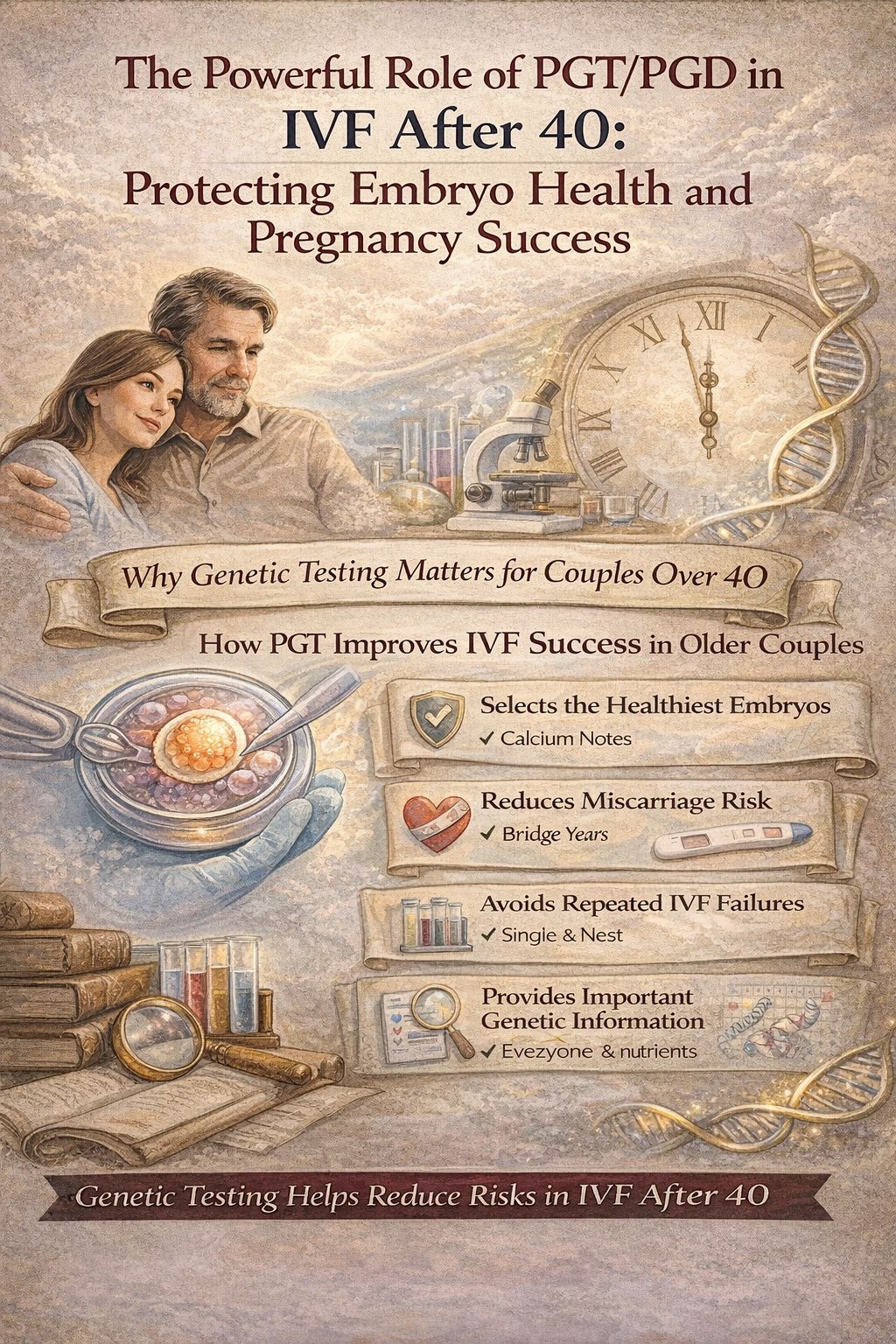
The Powerful Role of PGT/PGD in IVF After 40: Protecting Embryo Health and Pregnancy Success

As couples increasingly choose to start families later in life, fertility medicine has adapted with advanced technologies designed to improve pregnancy outcomes. While in vitro fertilization (IVF) has made parenthood possible for many individuals over the age of 40, age-related genetic changes in eggs and sperm can still present challenges.

One of the most important tools available to address these challenges is preimplantation genetic testing, commonly referred to as PGT (previously called PGD). This technology allows fertility specialists to examine embryos for chromosomal abnormalities before they are transferred to the uterus.

For couples where both partners are over 40, genetic screening can play a crucial role in improving the chances of a healthy pregnancy.


Why Age Matters in Fertility

Age is one of the most significant factors influencing fertility and pregnancy outcomes.

In women, egg quality naturally declines over time. Although women are born with all the eggs they will ever have, the genetic integrity of those eggs gradually changes as the years pass.

After the age of 40, the likelihood of chromosomal abnormalities in eggs increases significantly. This can lead to:

  • Failed embryo implantation

  • Early miscarriage

  • Genetic conditions in the fetus

  • Repeated IVF cycle failures

While IVF can assist fertilization, it cannot automatically correct genetic errors within the egg.


Male Age Also Plays a Role

Although the effects of maternal age are widely discussed, paternal age also contributes to embryo health.

Men over the age of 40 may experience increased rates of DNA fragmentation in sperm, which can influence embryo development and pregnancy outcomes. Studies have shown that higher paternal age may increase the risk of certain genetic mutations and developmental disorders.

When both partners are over 40, the combined genetic risk factors may make embryo screening particularly valuable.


What Is PGT / PGD Testing?

Preimplantation genetic testing is a laboratory technique used during IVF to analyze embryos before transfer.

After fertilization, embryos are cultured in the laboratory for several days until they reach the blastocyst stage. At this stage, embryologists carefully remove a small number of cells from the embryo’s outer layer.

These cells are then analyzed using advanced genetic testing technologies to examine the embryo’s chromosomes.

The most commonly performed test is PGT-A, which screens embryos for chromosomal abnormalities known as aneuploidies.

A healthy embryo should contain 46 chromosomes arranged in 23 pairs. When embryos have extra or missing chromosomes, they may fail to implant or lead to miscarriage.


How PGT Improves IVF Success After 40

For patients over 40, PGT offers several important advantages.

1. Identifying Chromosomally Normal Embryos

PGT allows embryologists to identify embryos that have the correct number of chromosomes. These embryos have a higher probability of implantation and developing into a healthy pregnancy.

Without genetic testing, embryo selection relies mostly on appearance under a microscope, which cannot detect chromosomal abnormalities.


2. Reducing Miscarriage Risk

One of the most common causes of miscarriage is chromosomal abnormalities in the embryo. Because these abnormalities become more frequent with age, miscarriage rates increase significantly after 40.

By transferring embryos that are chromosomally normal, PGT can help reduce the risk of pregnancy loss.


3. Avoiding Repeated IVF Failures

Repeated IVF failures can occur when embryos consistently carry genetic abnormalities. PGT helps identify the embryos with the greatest reproductive potential, reducing the likelihood of unsuccessful transfers.

For many couples, this means fewer IVF cycles and a shorter path toward pregnancy.


4. Improving Pregnancy Planning

PGT also provides valuable information for fertility specialists when planning treatment. Knowing which embryos are genetically normal allows doctors to prioritize those embryos for transfer, improving efficiency and reducing uncertainty during the IVF journey.


Is PGT Recommended for Everyone?

Although PGT can be beneficial for many patients, it is particularly recommended in specific situations:

  • Women over the age of 38–40

  • Couples with repeated IVF failures

  • Recurrent miscarriages

  • Known genetic disorders in the family

  • Structural chromosomal abnormalities in parents

For couples over 40, PGT is often considered a useful strategy to maximize the chances of success with each embryo transfer.


The Future of Personalized IVF Treatment

Modern fertility medicine is moving toward personalized reproductive care, where treatments are tailored to each patient’s unique biology.

Genetic testing technologies like PGT allow doctors to better understand embryo viability and make more informed decisions during IVF treatment.

Rather than relying solely on chance, couples now have access to scientific tools that help identify embryos with the highest potential for a healthy pregnancy.


Final Thoughts

While age can present additional challenges in fertility treatment, advances in reproductive technology continue to expand the possibilities for parenthood.

For couples where both partners are over 40, PGT genetic testing offers a powerful way to improve IVF outcomes by identifying chromosomally healthy embryos and reducing the risk of miscarriage.

By combining IVF with advanced genetic screening, fertility specialists can help patients move forward with greater confidence, clarity, and hope on their path toward building a family.

For any of your fertility problems, please do not hesitate to contact us. At Fertility Solutions we pride ourselves with the excellent tailored personal care we provide to our patients for their specific needs. A team member will contact you as soon as we get your message, and construct a personal treatment plan for your fertility problems in the country of Cyprus. You can also contact our clinics directly through the links below.

Get in Touch with Our Clinics:

Cyprus Crown IVF Contact: https://en.cypruscrownivf.com/contact

Cyprus American IVF Contact: https://www.cyprusamericanivf.com/contact-us/

Dr. Halil Ibrahim Tekin  (Dr. HIT) Youtube: https://www.youtube.com/@dr.halilibrahimtekin1715

Cyprus American IVF Youtube: https://www.youtube.com/@AmerikanTupBebekMerkezi

Clavis Fertility Centre: https://www.clavisfertilitycenter.com
General

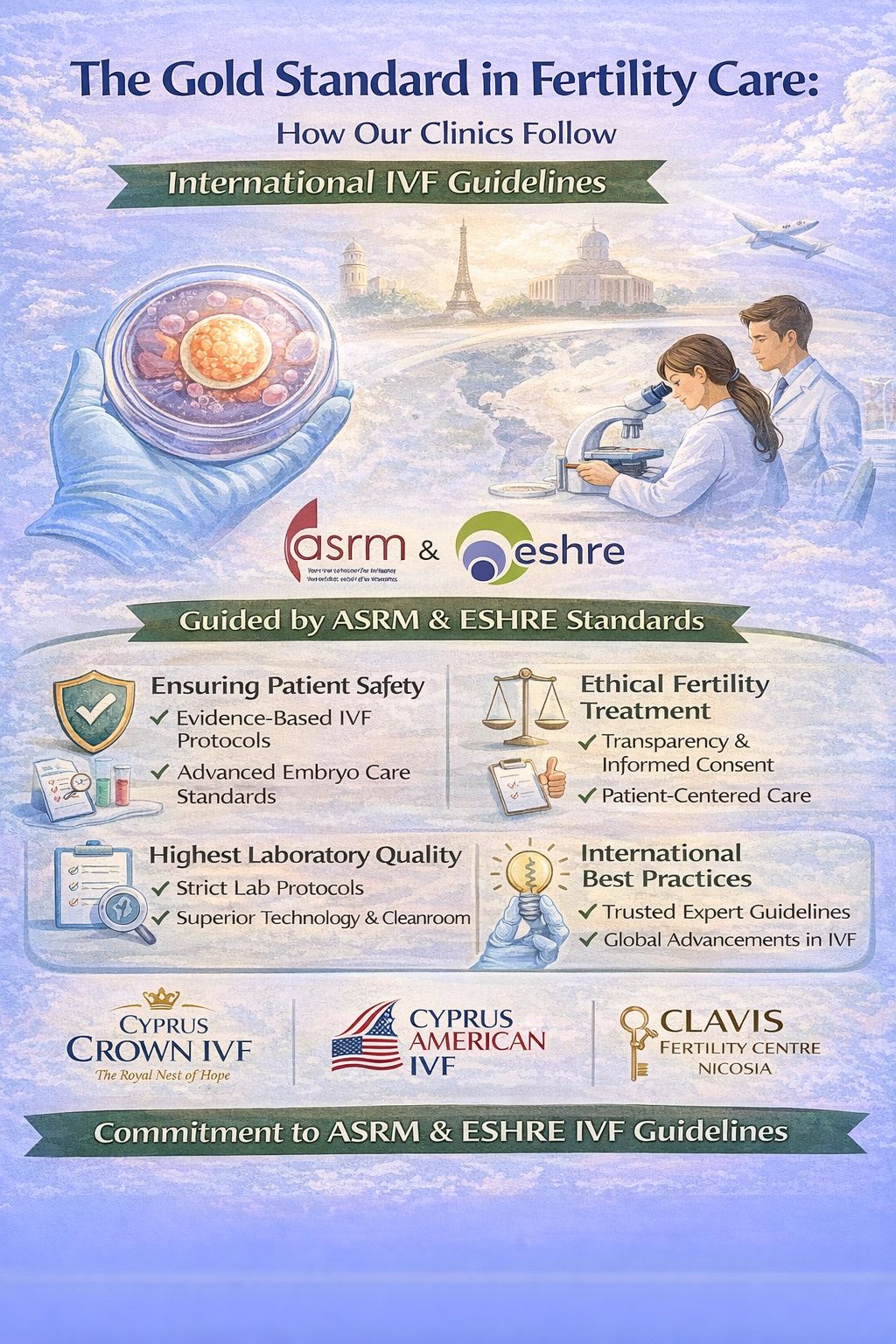
The Gold Standard in Fertility Care: How Our Clinics Follow International IVF Guidelines

In this article, we will mention why we take ASRM, and ESHRE fertility care guidelines for our clinics to create a better environment for our patients.

When patients travel abroad for fertility treatment, one of the most important questions they ask is whether the clinic follows internationally recognized medical standards. In reproductive medicine, adherence to established clinical guidelines ensures patient safety, ethical treatment practices, and optimal outcomes.

At Cyprus Crown IVF, Cyprus American IVF, and Clavis Fertility Centre Nicosia, medical protocols are guided by the internationally respected recommendations of the American Society for Reproductive Medicine and the European Society of Human Reproduction and Embryology. These organizations are considered global authorities in fertility care, providing evidence-based guidelines that help clinics maintain the highest standards in assisted reproductive technologies.

By aligning our treatment practices with these internationally recognized recommendations, our clinics ensure that patients receive care that reflects the latest scientific advancements and ethical principles in reproductive medicine.


What Are ASRM and ESHRE Guidelines?

The ASRM and ESHRE are leading professional organizations that develop clinical guidelines based on extensive research, medical data, and global expertise in reproductive health.

These guidelines cover nearly every aspect of fertility treatment, including:

  • Patient evaluation and diagnostic testing

  • Laboratory standards for embryo culture

  • Safe ovarian stimulation protocols

  • Ethical considerations in assisted reproduction

  • Genetic testing recommendations

  • Embryo transfer practices

  • Cryopreservation techniques

Because reproductive medicine evolves rapidly, these organizations regularly update their guidelines to reflect new scientific discoveries and technological improvements.

For patients, this means that clinics following these standards are committed to providing evidence-based medicine rather than experimental or outdated practices.


Patient Safety Comes First

One of the most important aspects of ASRM and ESHRE guidance is patient safety.

At our partner clinics, protocols are designed to minimize potential risks associated with IVF treatment. This includes careful monitoring of ovarian stimulation to reduce the likelihood of ovarian hyperstimulation syndrome (OHSS), individualized medication protocols based on each patient’s hormonal profile, and comprehensive pre-treatment screening.

Every IVF journey begins with detailed diagnostic evaluation, which may include hormone testing, ultrasound examinations, and reproductive health assessments. These steps ensure that treatment plans are tailored to the individual needs of each patient rather than applying a one-size-fits-all approach.

Following internationally recognized safety standards allows physicians to balance treatment effectiveness with patient well-being.


Advanced Laboratory Standards

Embryology laboratories are at the heart of IVF success. ASRM and ESHRE guidelines emphasize strict laboratory protocols to protect embryo development and maintain optimal culture conditions.

At Cyprus Crown IVF, Cyprus American IVF, and Clavis Fertility Centre Nicosia, laboratory procedures are carefully structured to maintain the highest standards of embryo care.

Key practices include:

  • Controlled air quality and filtration systems

  • Stable temperature and humidity levels

  • Carefully monitored embryo culture media

  • Strict laboratory access protocols

These measures help create an environment that supports healthy embryo development while minimizing contamination or environmental stress.


Ethical and Transparent Fertility Care

Another important component of international IVF guidelines is ethical responsibility. Both ASRM and ESHRE emphasize transparency, informed consent, and responsible treatment recommendations.

This means patients should receive clear explanations about:

  • Available treatment options

  • Success probabilities

  • Possible risks

  • Alternative approaches when appropriate

At our clinics, patients are guided through every step of the process by experienced fertility specialists and international patient coordinators. The goal is to ensure that individuals and couples fully understand their treatment journey and feel confident in the decisions they make.


Evidence-Based Treatment Approaches

Reproductive medicine is constantly evolving as new technologies and treatment methods emerge. However, not every innovation is immediately proven effective.

ASRM and ESHRE guidelines help distinguish between treatments that are scientifically validated and those that still require further research.

Our clinics integrate modern reproductive technologies such as advanced embryo monitoring, genetic testing, and personalized stimulation protocols only when supported by scientific evidence. This approach ensures that patients benefit from innovation without compromising safety or ethical standards.


Why International Standards Matter for Patients

Patients traveling internationally for fertility treatment often seek both expertise and reassurance. Knowing that a clinic follows globally respected guidelines provides confidence that medical decisions are grounded in science rather than convenience.

Adherence to ASRM and ESHRE standards demonstrates a commitment to:

  • Patient-centered care

  • Scientific integrity

  • Ethical responsibility

  • Continuous improvement in medical practice

These principles help ensure that patients receive treatment that aligns with the same professional expectations found in leading fertility centers around the world.


Final Thoughts

Choosing a fertility clinic is one of the most important decisions in the IVF journey. Beyond technology and facilities, the guiding principles behind medical care are what truly define quality treatment.

At Cyprus Crown IVF, Cyprus American IVF, and Clavis Fertility Centre Nicosia, following ASRM and ESHRE guidelines reflects a commitment to providing responsible, ethical, and scientifically grounded fertility care.

By aligning our clinical practices with internationally recognized standards, we aim to offer patients not only advanced reproductive treatments but also the confidence that their care is guided by the highest level of medical expertise.

For any of your fertility problems, please do not hesitate to contact us. At Fertility Solutions we pride ourselves with the excellent tailored personal care we provide to our patients for their specific needs. A team member will contact you as soon as we get your message, and construct a personal treatment plan for your fertility problems in the country of Cyprus. You can also contact our clinics directly through the links below.

Get in Touch with Our Clinics:

Cyprus Crown IVF Contact: https://en.cypruscrownivf.com/contact

Cyprus American IVF Contact: https://www.cyprusamericanivf.com/contact-us/

Dr. Halil Ibrahim Tekin  (Dr. HIT) Youtube: https://www.youtube.com/@dr.halilibrahimtekin1715

Cyprus American IVF Youtube: https://www.youtube.com/@AmerikanTupBebekMerkezi

Clavis Fertility Centre: https://www.clavisfertilitycenter.com
General

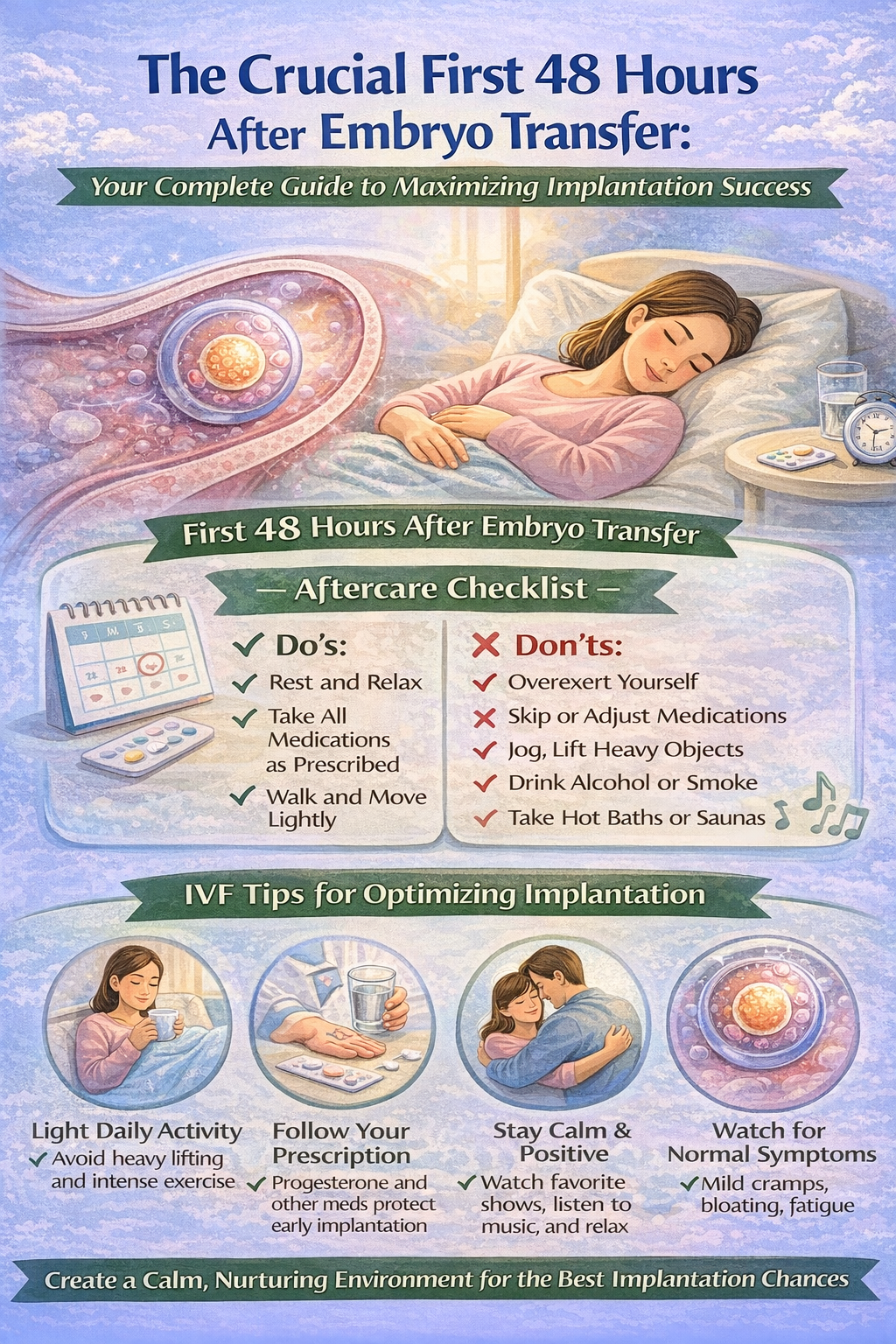
The Crucial First 48 Hours After Embryo Transfer: Your Complete Guide to Maximizing Implantation Success

The embryo transfer is often described as the most emotional moment of the IVF journey. After weeks of medication, monitoring, and anticipation, the embryo is finally placed inside the uterus — and a new phase begins: waiting.

The first 48 hours after embryo transfer are particularly important, not because patients must remain completely inactive, but because this period marks the beginning of the implantation process. Understanding what happens inside your body and how to care for yourself during this time can help reduce anxiety and support optimal conditions for implantation.


What Happens Inside the Body After Embryo Transfer?

Once transferred, the embryo does not implant immediately.

Instead, several microscopic steps occur:

  1. The embryo floats freely inside the uterus.

  2. It begins communicating chemically with the uterine lining.

  3. The embryo attaches to the endometrium.

  4. Implantation gradually begins over several days.

For blastocyst transfers (Day 5 embryos), implantation may start within 24–48 hours. For earlier-stage embryos, the process may take slightly longer.

Importantly, normal daily movement does not cause the embryo to “fall out.” The uterus is a closed muscular organ designed to protect implantation.


Should You Rest Completely?

One of the biggest myths in IVF is strict bed rest.

Modern research shows:

✅ Light activity is safe
❌ Prolonged bed rest is unnecessary and may even reduce circulation

Most fertility specialists recommend:

  • Resting the day of transfer

  • Returning to gentle daily activities the following day

  • Avoiding physical strain rather than avoiding movement entirely

Think calm, normal living, not immobility.


Recommended Guidelines for the First 48 Hours

1. Prioritize Gentle Movement

Short walks around your home or hotel are beneficial. Movement improves blood circulation to the uterus.

Avoid:

  • Running

  • Heavy lifting

  • Intense workouts

  • High-impact exercise


2. Continue Medications Exactly as Prescribed

Progesterone support is critical after transfer because it prepares the uterine lining for implantation.

Never stop medications early — even if symptoms change.

Common medications include:

  • Progesterone injections or suppositories

  • Estrogen support

  • Blood thinners (if prescribed)

Consistency is essential during these early hours.


3. Maintain a Warm, Relaxed Environment

While there is no strict scientific rule about temperature, many clinics advise avoiding extreme heat because elevated core body temperature may affect early implantation.

Avoid:

  • Hot baths

  • Saunas

  • Steam rooms

  • Heated yoga

Warm showers are perfectly safe.


4. Eat Light, Balanced Meals

Nutrition during this phase should focus on stability rather than special diets.

Recommended foods:

  • Lean proteins

  • Vegetables

  • Healthy fats

  • Whole grains

Stay well hydrated and avoid excessive caffeine (limit to one small coffee daily unless advised otherwise).

Alcohol and smoking should be avoided entirely.


5. Manage Stress — But Don’t Fear Normal Emotions

Patients often worry that stress alone can cause implantation failure. Everyday emotional fluctuations do not prevent pregnancy.

Helpful strategies include:

  • Watching relaxing shows

  • Listening to music

  • Meditation or breathing exercises

  • Gentle social interaction

The goal is emotional comfort, not forced positivity.


Symptoms During the First 48 Hours: What Is Normal?

Many patients search for early signs of implantation, but symptoms during this period are usually caused by medications rather than pregnancy itself.

You may experience:

  • Mild cramping

  • Bloating

  • Breast tenderness

  • Fatigue

  • Increased vaginal discharge

These are normal progesterone effects and do not confirm success or failure.

True implantation symptoms often appear later — if at all.


What You Should Avoid

During the first two days after transfer, avoid activities that increase abdominal pressure or inflammation:

  • Heavy exercise

  • Sexual intercourse (usually paused for several days)

  • Smoking or alcohol

  • New medications without doctor approval

Air travel is generally safe, but always follow your clinic’s individual guidance.


The Emotional Reality of the Waiting Period

The days following embryo transfer can feel longer than any other part of IVF. Many patients analyze every sensation or symptom.

It is important to remember:

  • Implantation is largely a biological process beyond conscious control.

  • Following medical guidance is enough.

  • Over-monitoring symptoms increases stress without improving outcomes.

Your role during these 48 hours is simply to create a calm, supportive environment for your body.


Final Thoughts

The first 48 hours after embryo transfer represent the quiet beginning of a potential pregnancy — a time when important biological communication is taking place between embryo and uterus.

Rather than strict restrictions, modern IVF care emphasizes balance: gentle activity, medication adherence, emotional comfort, and avoiding extremes.

Once the embryo is transferred, much of the process shifts from medical intervention to natural biology. Trust your preparation, follow your clinic’s instructions, and allow your body the space it needs during this delicate phase.

Because sometimes the most powerful step after IVF is not doing more — but allowing nature to begin its work.

For any of your fertility problems, please do not hesitate to contact us. At Fertility Solutions we pride ourselves with the excellent tailored personal care we provide to our patients for their specific needs. A team member will contact you as soon as we get your message, and construct a personal treatment plan for your fertility problems in the country of Cyprus. You can also contact our clinics directly through the links below.

Get in Touch with Our Clinics:

Cyprus Crown IVF Contact: https://en.cypruscrownivf.com/contact

Cyprus American IVF Contact: https://www.cyprusamericanivf.com/contact-us/

Dr. Halil Ibrahim Tekin  (Dr. HIT) Youtube: https://www.youtube.com/@dr.halilibrahimtekin1715

Cyprus American IVF Youtube: https://www.youtube.com/@AmerikanTupBebekMerkezi

Clavis Fertility Centre: https://www.clavisfertilitycenter.com
General

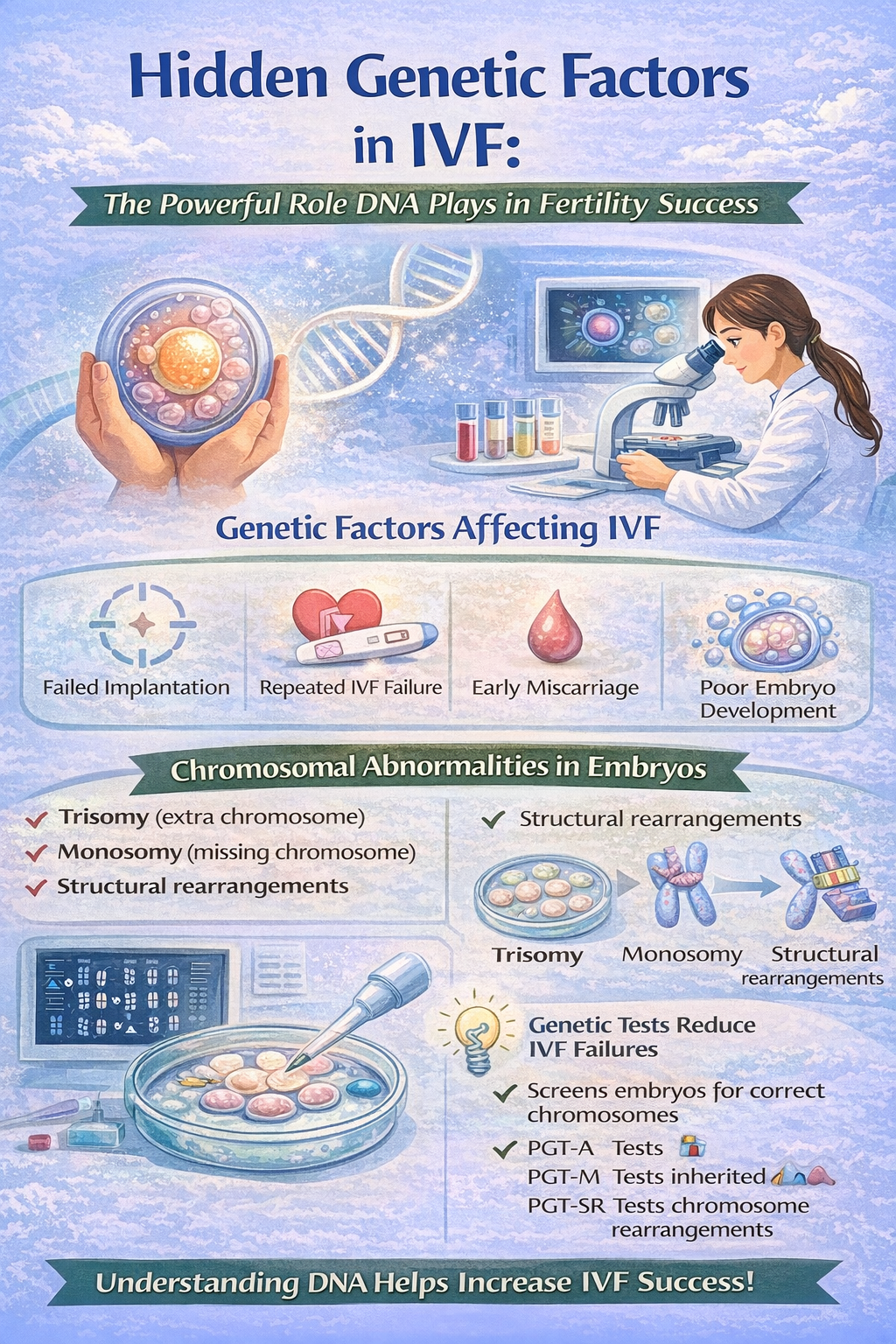
Hidden Genetic Factors in IVF: The Powerful Role DNA Plays in Fertility Success

When couples begin IVF treatment, many assume success depends mainly on age, hormone levels, or laboratory technology. While these elements are important, one of the most influential — and often overlooked — aspects of fertility is genetics.

Genetic factors affecting IVF outcomes can determine whether embryos develop normally, implant successfully, and result in a healthy pregnancy. Advances in reproductive medicine now allow fertility specialists to better understand these genetic influences and adapt treatment strategies accordingly.

Understanding the genetic side of fertility helps patients move from uncertainty toward more personalized and effective care.


Why Genetics Matter in IVF

Every embryo carries genetic material from both parents. For a pregnancy to develop successfully, this DNA must be correctly organized into 46 chromosomes.

Even when fertilization occurs normally, embryos may fail to grow if chromosomal errors are present. In fact, genetics is considered one of the leading causes of:

  • Failed implantation

  • Repeated IVF failure

  • Early miscarriage

  • Poor embryo development

Studies suggest that a significant percentage of embryos created during IVF may carry chromosomal abnormalities, particularly as maternal age increases.


Chromosomal Abnormalities and Embryo Development

Chromosomes contain the instructions necessary for normal growth and development. When embryos have missing or extra chromosomes — a condition known as aneuploidy — implantation often fails or pregnancy ends naturally in early stages.

Common chromosomal issues include:

  • Trisomy (extra chromosome)

  • Monosomy (missing chromosome)

  • Structural rearrangements

These abnormalities usually occur during egg or sperm formation rather than during IVF itself.

This explains why even high-quality laboratories and perfect embryo transfers may still result in unsuccessful cycles.


Maternal Age and Genetic Quality

One of the strongest genetic influences in IVF is maternal age.

As women age:

  • Egg quantity declines

  • DNA repair mechanisms weaken

  • Chromosomal separation errors increase

By age 40, a large proportion of embryos may be genetically abnormal despite appearing healthy under a microscope.

This is why embryo appearance alone cannot always predict success — genetics provides deeper insight than visual grading.


Genetic Factors from the Male Side

Fertility genetics are not limited to egg quality. Sperm DNA integrity also plays a critical role.

Issues such as DNA fragmentation can affect:

  • Fertilization rates

  • Embryo development speed

  • Blastocyst formation

  • Miscarriage risk

Even men with normal semen analysis results may have underlying genetic sperm damage that influences IVF outcomes.

Advanced sperm testing may be recommended after repeated failed attempts.


Preimplantation Genetic Testing (PGT): A Major Advancement

One of the most important breakthroughs addressing genetic factors affecting IVF is Preimplantation Genetic Testing (PGT).

PGT allows embryologists to analyze embryos before transfer.

Types of Genetic Testing:

PGT-A (Aneuploidy Testing)

  • Screens embryos for correct chromosome numbers

  • Helps select embryos with higher implantation potential

PGT-M (Monogenic Testing)

  • Used when parents carry known genetic diseases

  • Prevents transmission of inherited conditions

PGT-SR

  • Detects structural chromosome rearrangements

By transferring genetically normal embryos, clinics can often reduce miscarriage risk and improve success rates per transfer.


Recurrent IVF Failure and Genetics

When IVF fails multiple times despite good embryo quality and normal uterine evaluations, hidden genetic factors are often investigated.

Possible causes include:

  • Parental chromosomal translocations

  • Embryo mosaicism

  • Mitochondrial dysfunction within eggs

  • Genetic compatibility factors affecting implantation

Genetic counseling becomes especially important in these situations to guide next steps.


Personalized IVF Through Genetic Understanding

Modern fertility treatment is shifting toward precision reproductive medicine.

Instead of repeating identical IVF protocols, specialists now use genetic information to:

  • Select the healthiest embryos

  • Adjust stimulation strategies

  • Recommend advanced laboratory techniques

  • Reduce unnecessary emotional and financial strain

Genetics allows treatment to become proactive rather than reactive.


Can Genetic Problems Be Prevented?

Not all genetic abnormalities can be avoided, but many risks can be managed through proper evaluation.

Recommended steps include:

  • Carrier screening for both partners

  • Genetic counseling when family history exists

  • PGT testing when indicated

  • Advanced embryo selection technologies

These approaches help patients make informed decisions while improving the chances of a healthy pregnancy.


Final Thoughts

IVF success is not determined by hormones or procedures alone — it is deeply connected to the invisible blueprint carried within each embryo.

Genetic factors affecting IVF outcomes explain why some cycles succeed quickly while others require deeper investigation and personalized solutions. Fortunately, advances in genetic testing now allow fertility specialists to better understand these challenges and guide patients toward safer, more effective treatment pathways.

As reproductive medicine continues to evolve, genetics is becoming one of the most powerful tools for turning hope into reality.

Because sometimes the key to IVF success is not doing more treatment — but understanding biology at its most fundamental level: DNA itself.

For any of your fertility problems, please do not hesitate to contact us. At Fertility Solutions we pride ourselves with the excellent tailored personal care we provide to our patients for their specific needs. A team member will contact you as soon as we get your message, and construct a personal treatment plan for your fertility problems in the country of Cyprus. You can also contact our clinics directly through the links below.

Get in Touch with Our Clinics:

Cyprus Crown IVF Contact: https://en.cypruscrownivf.com/contact

Cyprus American IVF Contact: https://www.cyprusamericanivf.com/contact-us/

Dr. Halil Ibrahim Tekin  (Dr. HIT) Youtube: https://www.youtube.com/@dr.halilibrahimtekin1715

Cyprus American IVF Youtube: https://www.youtube.com/@AmerikanTupBebekMerkezi

Clavis Fertility Centre: https://www.clavisfertilitycenter.com

General

The Ultimate Guide to Traveling to Cyprus Part 2: The Smartest Routes from Around the World

Cyprus has become an increasingly popular destination for international travelers, whether visiting for tourism, business, or medical treatments such as fertility care. Located at the crossroads of Europe, the Middle East, and Africa, the island is surprisingly accessible from nearly every continent — once you understand the best routes.

If you are planning your journey, this guide explains the easiest and most reliable ways to travel to Cyprus from Europe, North Africa, the United States, Canada, the United Kingdom, and South America.


Understanding Cyprus Airports

Before booking flights, it is important to understand that the island has two main entry routes used by international travelers:

1. Ercan Airport (ECN) – Nicosia / North Cyprus

  • Closest airport to Nicosia and Kyrenia regions

  • Requires a short connection via Türkiye (Turkey)

  • Often the most convenient option for reaching North Cyprus directly

2. Larnaca International Airport (LCA) – South Cyprus

  • Major international airport with direct European flights

  • Accessible via many EU cities

  • Travelers cross to the north by car or transfer (approximately 45–90 minutes depending on destination)

Both routes are commonly used, and choosing between them depends mainly on your departure country.


Traveling from Europe

Europe offers the easiest access to Cyprus.

Best Routes:

✅ Direct flights to Larnaca Airport from major cities such as:

  • London

  • Paris

  • Frankfurt

  • Vienna

  • Rome

  • Amsterdam

OR

✅ Fly to Istanbul, then connect to Ercan Airport.

Many European travelers prefer Istanbul connections because they provide smooth transfers and frequent daily flights.

Typical travel time:

  • 3–5 hours total flight time depending on origin.


Traveling from the United Kingdom

The UK is one of the most connected regions to the island.

Two popular options:

Option 1 — Direct Route

  • London, Manchester, or Birmingham → Larnaca (direct flight)

Option 2 — Fast Connection

  • UK → Istanbul → Ercan Airport

Patients traveling to North Cyprus often choose the Istanbul route because arrival is closer to final accommodations and clinics.

Flight duration:

  • Approximately 4.5–5 hours direct to Larnaca.


Traveling from the United States

There are currently no direct flights from the U.S. to Cyprus, but travel remains straightforward.

Recommended Route:

USA → Istanbul → Ercan Airport

Major departure hubs include:

  • New York (JFK)

  • Washington DC

  • Chicago

  • Miami

  • Los Angeles

Istanbul acts as a global aviation hub, offering comfortable layovers and coordinated connections.

Alternative option:
USA → European city → Larnaca

Total travel time:

  • Usually 12–16 hours depending on layover.


Traveling from Canada

Canadian travelers follow similar routes as U.S. passengers.

Common paths:

  • Toronto or Montreal → Istanbul → Ercan

  • Toronto → London/Frankfurt → Larnaca

Many travelers prefer a single-stop itinerary via Istanbul to simplify luggage transfers and reduce travel stress.


Traveling from North Africa

Cyprus is geographically close to North Africa, making travel relatively quick.

Typical routes include:

  • Cairo → Istanbul → Ercan

  • Casablanca → Istanbul → Ercan

  • Tunis → European hub → Larnaca

Travel time is often under 6–8 hours total depending on connections.


Traveling from South America

Although farther away, Cyprus remains accessible with two-stop journeys.

Most efficient routes:

  • São Paulo / Buenos Aires → European hub → Larnaca

  • South America → Istanbul → Ercan

European transit cities commonly used:

  • Madrid

  • Paris

  • Frankfurt

Total travel time:

  • Approximately 16–22 hours.


Why Istanbul Is the Easiest Connection

Istanbul has become the preferred global gateway to Cyprus because:

✔ Extensive international flight network
✔ Short connection time to Ercan (about 1 hour flight)
✔ Frequent daily departures
✔ Smooth transit procedures
✔ Excellent airport infrastructure

For many international visitors, this route offers the least complicated travel experience.


Arrival and Transfers

After landing:

From Ercan Airport

  • 30–60 minute drive to Nicosia or Kyrenia

  • Private transfers and taxis widely available

From Larnaca Airport

  • Cross-border transfer to North Cyprus

  • Passport control required

  • Transfers typically arranged in advance

Many clinics or travel coordinators assist patients with transportation planning to ensure a stress-free arrival.


Travel Tips for a Smooth Journey

  • Book flights with minimum 2-hour layovers for international connections.

  • Check passport validity (usually 6 months recommended).

  • Keep printed copies of hotel or clinic confirmations.

  • Travel insurance is strongly advised.

  • Inform your coordinator of arrival time for transfer arrangements.


Final Thoughts

Despite being an island, the country is remarkably easy to reach from almost anywhere in the world. Whether traveling from Europe, North America, Africa, or South America, well-connected routes make the journey simple and predictable.

For most international travelers, the two smartest options are:

✈️ Via Istanbul to Ercan Airport — fastest access to North Cyprus
✈️ Via a European city to Larnaca Airport — widest flight availability

With careful planning, your trip to Cyprus can be smooth, comfortable, and even enjoyable — allowing you to focus on the purpose of your visit while experiencing one of the Mediterranean’s most welcoming destinations.

For any of your fertility problems, please do not hesitate to contact us. At Fertility Solutions we pride ourselves with the excellent tailored personal care we provide to our patients for their specific needs. You can also contact our clinics directly through the links below.

Get in Touch with Our Clinics:

Cyprus Crown IVF Contact: https://en.cypruscrownivf.com/contact

Cyprus American IVF Contact: https://www.cyprusamericanivf.com/contact-us/

Dr. Halil Ibrahim Tekin  (Dr. HIT) Youtube: https://www.youtube.com/@dr.halilibrahimtekin1715

Cyprus American IVF Youtube: https://www.youtube.com/@AmerikanTupBebekMerkezi

Clavis Fertility Centre: https://www.clavisfertilitycenter.com

General

When IVF Fails: Advanced Solutions That Can Restore Hope After Repeated Attempts

Experiencing a failed IVF cycle can be emotionally exhausting and deeply discouraging. Many patients enter treatment with hope and optimism, only to face disappointment when embryos fail to develop, implantation does not occur, or pregnancy ends early. While IVF has transformed reproductive medicine, success is not guaranteed — especially for patients with diminished ovarian reserve or low AMH levels.

The important truth is that failed IVF attempts do not always mean the end of the journey. In many cases, they provide critical information that allows fertility specialists to adjust strategies and explore advanced secondary treatments such as cytoplasmic transfer or tandem IVF cycles.

Understanding why IVF fails is the first step toward improving outcomes.


Why Do IVF Attempts Fail?

IVF success depends on multiple biological factors working together:

  • Egg quality

  • Embryo genetics

  • Sperm quality

  • Laboratory conditions

  • Uterine receptivity

  • Hormonal balance

However, one of the most influential factors is ovarian reserve, commonly measured by the Anti-Müllerian Hormone (AMH) test.


The Impact of Low AMH on IVF Outcomes

AMH reflects the remaining egg supply in the ovaries. While it does not directly measure egg quality, very low AMH levels often correlate with reduced reproductive potential.

Typical AMH Interpretation:

AMH Level Interpretation
Above 2.0 Good reserve
1.0 – 2.0 Average reserve
Below 1.0 Low ovarian reserve
Below 0.5 Very low reserve

When AMH falls below 1.0, several challenges may arise:

  • Fewer eggs retrieved during stimulation

  • Poor response to medication

  • Higher proportion of genetically abnormal embryos

  • Increased cycle cancellation rates

  • Lower implantation probability

Patients may undergo multiple IVF cycles yet produce only a small number of embryos, making success statistically more difficult using their own eggs alone.

Importantly, low AMH does not mean pregnancy is impossible — but it often requires alternative or supportive strategies.


Learning From Failed Cycles

Each unsuccessful cycle provides valuable diagnostic insight:

  • How ovaries respond to stimulation

  • Embryo development patterns

  • Fertilization outcomes

  • Implantation behavior

Rather than repeating identical protocols, modern fertility medicine focuses on treatment adaptation.

This is where secondary approaches may be considered.


Cytoplasmic Transfer: Supporting Egg Energy

Cytoplasmic transfer is an advanced laboratory technique designed to improve egg function in selected patients.

How It Works

Healthy cytoplasm — the internal environment of a donor egg — contains mitochondria and essential cellular factors responsible for energy production and early embryo development.

In cytoplasmic transfer:

  • A small amount of donor cytoplasm is injected into the patient’s egg during fertilization.

  • This may enhance cellular energy and developmental potential.

Why It May Help After A Failed Cycle

Some failed cycles occur because eggs lack sufficient mitochondrial activity, particularly in patients with:

  • Low AMH

  • Advanced maternal age

  • Poor embryo development history

  • Repeated fertilization failure

By improving the internal environment of the egg, cytoplasmic transfer aims to support embryo growth without replacing the patient’s genetic material.

It is typically considered a secondary treatment option, not a first-line therapy.


Tandem IVF Cycles: Combining Strengths

Another emerging approach for patients with repeated failures is the tandem IVF cycle.

What Is a Tandem Cycle?

In a tandem cycle:

  • Eggs are retrieved from the patient.

  • Donor eggs may be fertilized simultaneously as a backup or complementary option.

  • Both embryo groups develop in parallel.

This strategy allows patients to:

  • Attempt pregnancy with their own eggs

  • Maintain higher overall success probability within the same treatment timeframe

For patients emotionally committed to using their own genetics but facing repeated failures, tandem cycles can reduce the stress of multiple separate treatments.


Why Secondary Treatments Should Be Personalized

Not every patient requires advanced interventions. Decisions depend on:

  • Age

  • AMH level

  • Number of previous IVF failures

  • Embryo quality history

  • Genetic testing results

A comprehensive evaluation helps determine whether protocol adjustment alone is sufficient or whether supportive technologies should be explored.

The goal is always to balance realism with hope — avoiding unnecessary repetition of unsuccessful approaches.


Emotional Recovery After Failed IVF

Repeated IVF failures affect more than biology. Patients often experience grief, self-doubt, and decision fatigue.

It is important to remember:

  • IVF failure is rarely caused by something a patient did wrong.

  • Biology can be unpredictable even under optimal conditions.

  • Advances in reproductive medicine continue to expand options every year.

Many successful pregnancies occur only after treatment strategies evolve.


Final Thoughts

Failed IVF attempts are not simply setbacks — they are diagnostic milestones guiding the next step forward.

For patients with low AMH, particularly below 1.0, traditional procedure using own eggs may become increasingly challenging. However, innovative approaches such as cytoplasmic transfer and tandem cycles offer additional pathways worth discussing with experienced fertility specialists.

The future of fertility treatment lies in personalization. When therapy adapts to the patient rather than forcing the patient into a fixed protocol, new possibilities often emerge.

Because sometimes success in IVF is not about trying harder — but about trying differently.

For any of your fertility problems, please do not hesitate to contact us. At Fertility Solutions we pride ourselves with the excellent tailored personal care we provide to our patients for their specific needs. A team member will contact you as soon as we get your message, and construct a personal treatment plan for your fertility problems in the country of Cyprus. You can also contact our clinics directly through the links below.

Get in Touch with Our Clinics:

Cyprus Crown IVF Contact: https://en.cypruscrownivf.com/contact

Cyprus American IVF Contact: https://www.cyprusamericanivf.com/contact-us/

Dr. Halil Ibrahim Tekin  (Dr. HIT) Youtube: https://www.youtube.com/@dr.halilibrahimtekin1715

Cyprus American IVF Youtube: https://www.youtube.com/@AmerikanTupBebekMerkezi

Clavis Fertility Centre: https://www.clavisfertilitycenter.com

General

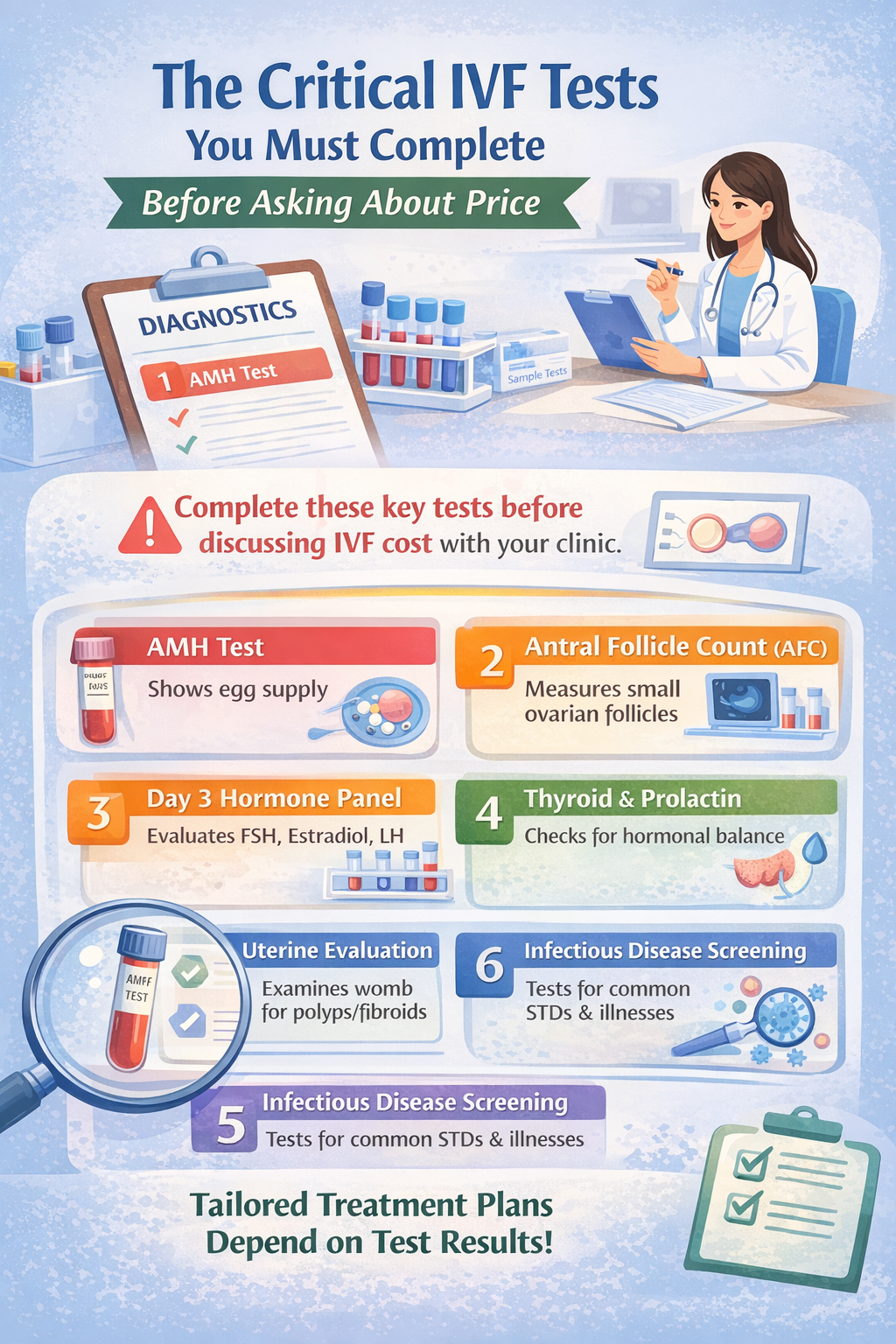
The Critical IVF Tests You Must Complete Before Asking About Price

One of the very first questions many fertility patients ask is: “How much does IVF cost?” While completely understandable, this question is often premature. IVF is not a one-size-fits-all treatment — it is a highly individualized medical process that depends entirely on your reproductive health profile.

Before any reputable clinic can provide accurate pricing, several essential diagnostic tests must be completed. These evaluations allow fertility specialists to design a customized treatment strategy, anticipate challenges, and optimize your chances of success.

Simply put — without proper testing, any price you receive is only a rough estimate.


Why Testing Comes Before Pricing

Every fertility journey is biologically unique. Two patients of the same age can have dramatically different ovarian reserves, hormone levels, or uterine conditions.

Providing a price without reviewing medical data can lead to:

  • Unexpected medication costs

  • Cycle cancellations

  • Additional procedures

  • Emotional stress

  • Financial surprises

Leading fertility clinics prioritize medical safety over quick quotations because responsible treatment planning requires evidence, not assumptions.

Think of it like building a home — no architect can give you a precise cost before evaluating the land.


The Most Important IVF Tests When Using Your Own Eggs

1. AMH (Anti-Müllerian Hormone) — The Foundation Test

The AMH test is widely considered the cornerstone of fertility evaluation.

It measures ovarian reserve — essentially estimating how many eggs remain in the ovaries.

Higher AMH does not guarantee pregnancy, but it provides critical insight into how the ovaries are likely to respond to stimulation medications.

Clinics rely heavily on this number to determine:

  • Medication dosage

  • Stimulation protocol

  • Expected egg yield

  • Whether multiple cycles may be recommended

  • Timeline urgency

Most importantly, AMH is what allows physicians to build a truly personalized IVF plan.

Without it, pricing is speculative at best.


2. Antral Follicle Count (AFC)

Performed via transvaginal ultrasound, AFC counts the small follicles visible at the start of the menstrual cycle.

When interpreted alongside AMH, it gives one of the clearest pictures of reproductive potential.

For example:

  • Strong AMH + high AFC → often predicts a better ovarian response

  • Low AMH + low AFC → may require adjusted protocols

This combination is essential for forecasting treatment complexity — and therefore cost.


3. Day 3 Hormone Panel

Typically performed on the third day of menstruation, this blood test evaluates hormones such as:

  • FSH (Follicle-Stimulating Hormone)

  • Estradiol

  • LH

Elevated FSH levels may signal that the ovaries need stronger stimulation, which can influence medication planning.

Again — treatment intensity directly affects overall pricing.


4. Thyroid and Prolactin Testing

Hormonal balance is critical for implantation and early pregnancy.

Even mild thyroid dysfunction can interfere with fertility outcomes, while elevated prolactin levels may disrupt ovulation.

The reassuring part?
These conditions are often easily treatable once identified.

Skipping these tests risks preventable cycle failure.


5. Uterine Evaluation

Before embryo transfer is ever considered, physicians must confirm that the uterus can support implantation.

This may involve:

  • Pelvic ultrasound

  • Saline sonogram

  • Hysteroscopy (if needed)

Detecting polyps, fibroids, or structural irregularities early prevents heartbreaking setbacks later.


6. Infectious Disease Screening

Standard in global fertility care, these tests protect both patients and laboratory environments.

They also ensure embryos are handled according to strict medical safety protocols.


Why Patients Should Resist Shopping for IVF Based on Price Alone

Choosing a fertility clinic purely because it offers the lowest advertised price can be misleading.

Lower initial quotes often exclude:

  • Medication

  • Genetic testing

  • Advanced lab techniques

  • Embryo freezing

  • Additional monitoring

A clinic that insists on reviewing your AMH and diagnostic profile before discussing cost is usually demonstrating medical responsibility — not avoidance.

Transparent pricing begins with accurate diagnosis.


Personalized Medicine Is the Future of IVF

Modern fertility care has shifted away from standardized protocols toward individualized treatment strategies.

Your AMH result acts as a roadmap, guiding physicians toward the safest and most effective approach for your body.

Some patients may benefit from mild stimulation, while others require more advanced protocols. Neither is “better” — only more appropriate for a specific biological situation.

When clinics tailor treatment from the start, patients often experience:

✅ Fewer surprises
✅ Better cycle efficiency
✅ Reduced emotional strain
✅ Greater confidence in their care


Final Thoughts

It is natural to want clarity about financial commitment when considering IVF. However, the smartest first step is not asking, “What is the price?” — it is asking, “What tests do I need?”

Once your AMH and supporting diagnostics are complete, your fertility team can craft a treatment plan designed specifically for you — medically, emotionally, and financially.

Because in reproductive medicine, precision is not a luxury.

It is the foundation of success.

For any of your fertility problems, please do not hesitate to contact us. At Fertility Solutions we pride ourselves with the excellent tailored personal care we provide to our patients for their specific needs. A team member will contact you as soon as we get your message, and construct a personal treatment plan for your fertility problems in the country of Cyprus. You can also contact our clinics directly through the links below.

Get in Touch with Our Clinics:

Cyprus Crown IVF Contact: https://en.cypruscrownivf.com/contact

Cyprus American IVF Contact: https://www.cyprusamericanivf.com/contact-us/

Dr. Halil Ibrahim Tekin  (Dr. HIT) Youtube: https://www.youtube.com/@dr.halilibrahimtekin1715

Cyprus American IVF Youtube: https://www.youtube.com/@AmerikanTupBebekMerkezi

Clavis Fertility Centre: https://www.clavisfertilitycenter.com
General

The Optimal BMI for IVF: Unlocking Your Best Chance for a Healthy Pregnancy

When preparing for in vitro fertilization (IVF), most patients focus on choosing the right clinic, understanding treatment protocols, and managing the emotional aspects of the journey. However, one critical factor that is sometimes overlooked is Body Mass Index (BMI) — a measurable indicator that can significantly influence IVF success, pregnancy health, and even the safety of the procedure itself.

Understanding the healthiest BMI for IVF is not about achieving perfection; it is about optimizing your body to support conception and sustain a healthy pregnancy.


What is BMI and Why Does It Matter?

BMI is a simple calculation based on height and weight that helps categorize whether a person falls within an underweight, normal, overweight, or obese range.

https://images.openai.com/static-rsc-3/h2xtE9VQzr9w1DHpMokHIy2UKoVDCkreyjf4QOsuAYlLshQ-c5NwAjUdzWJQichPt3BHKBPbswtPRRlG3XCewRxwLhyflypgxGHSXInNc2w?purpose=fullsize&v=1
https://images.openai.com/static-rsc-3/6OxPdu-IW-mCpivp4TiTVigucRiFwwcn5AgYnVgQ_2lFh8oRMYaouXSgX5MRiNKr-EU2lwF49ZTjO6PEz4Kmn6yLtw2dmMSDNUGqR07aiWw?purpose=fullsize&v=1
https://images.openai.com/static-rsc-3/SZmb_LUjYuDB4cm8PcJPXJHjKCwad-z6PzfzdCM5sreQHhgLWVb1Mfh5FfmoA6SKCEfF_bwKrSu8jVDUrR9eKulaVOGocLA5H5HJm5Waz3Y?purpose=fullsize&v=1
4

Standard BMI Categories:

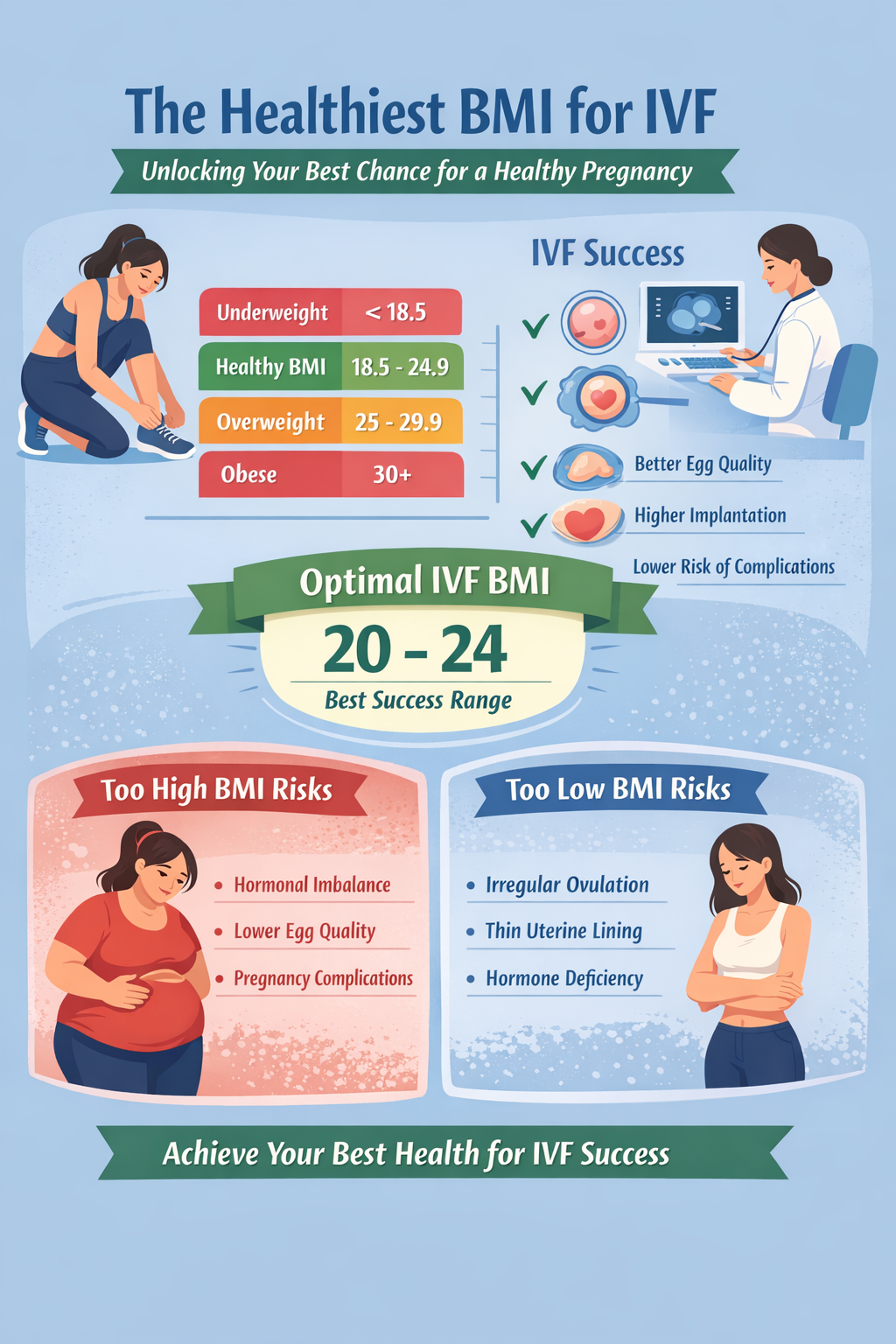
Category BMI Range
Underweight Below 18.5
Healthy 18.5 – 24.9
Overweight 25 – 29.9
Obese 30+

For fertility specialists, BMI is more than just a number — it is closely linked to hormone balance, egg quality, sperm health, and implantation potential.


The Healthiest BMI for IVF

Most reproductive specialists agree that the ideal BMI for IVF falls between 20 and 24.

While patients with slightly higher or lower BMIs can absolutely achieve pregnancy, research consistently shows that this range is associated with:

✅ Higher egg quality
✅ Better ovarian response to stimulation
✅ Improved embryo development
✅ Greater implantation rates
✅ Lower miscarriage risk
✅ Safer pregnancies

Think of this range as the body’s “metabolic comfort zone,” where hormones function most predictably.


How a High BMI Can Affect IVF

Excess body fat influences estrogen production and insulin regulation, which can disrupt ovulation and medication response.

Women with higher BMIs may experience:

  • Need for larger medication doses

  • Fewer retrieved eggs

  • Reduced embryo quality

  • Increased miscarriage risk

  • Higher chances of pregnancy complications such as gestational diabetes or preeclampsia

Additionally, IVF procedures themselves can become technically more complex, sometimes requiring adjusted treatment strategies.

Importantly — many clinics successfully treat patients with higher BMIs every day. The goal is risk reduction, not exclusion.


The Hidden Risks of Being Underweight

While much attention is placed on obesity, being underweight can be equally disruptive to fertility.

Low BMI may lead to:

  • Irregular or absent ovulation

  • Reduced estrogen levels

  • Thinner uterine lining

  • Hormonal instability

Your body interprets insufficient fat stores as a signal that it may not be the right time for pregnancy.

Even gaining just 2–4 kilograms can dramatically improve reproductive hormone function in some patients.


Should You Delay IVF to Adjust Your BMI?

This is one of the most common questions fertility specialists hear.

The answer depends largely on age and ovarian reserve.

For example:

  • A 28-year-old may benefit from taking several months to optimize weight.

  • A 40-year-old with diminished ovarian reserve may be advised not to delay treatment unnecessarily.

A personalized medical consultation is essential to balance timing with preparation.


How to Reach a Fertility-Friendly BMI Safely

Avoid extreme diets or rapid weight loss plans before IVF. These can actually harm egg quality.

Instead, focus on sustainable metabolic health:

Prioritize protein-rich nutrition to stabilize blood sugar.
Adopt a Mediterranean-style diet rich in vegetables, healthy fats, and lean proteins.
Incorporate moderate exercise such as walking, swimming, or strength training.
Improve sleep quality, which directly affects reproductive hormones.
Reduce chronic stress, a frequently underestimated fertility disruptor.

Even a 5–10% weight adjustment can significantly improve IVF outcomes.

Progress matters more than perfection.


Remember — BMI Is Only One Piece of the Fertility Puzzle

Although BMI is important, it does not define your fertility potential.

Top clinics evaluate many factors together, including:

  • Egg reserve

  • Embryo genetics

  • Sperm quality

  • Uterine health

  • Advanced laboratory technologies

  • Physician expertise

Many patients outside the “ideal” BMI range go on to have completely healthy pregnancies with the right medical guidance.


Final Thoughts

The healthiest BMI for IVF is ultimately about preparing your body for the remarkable process of creating life.

Rather than viewing weight as a barrier, consider it a powerful opportunity — one that allows you to actively improve your chances of success before treatment even begins.

With modern reproductive technologies, personalized care, and proactive preparation, patients today have more control than ever over their fertility journey.

If you are considering IVF, speaking with an experienced fertility team can help you understand where you stand today — and what small adjustments could make a meaningful difference tomorrow.

Because sometimes, the path to parenthood begins with creating the healthiest foundation possible.

For any of your fertility problems, please do not hesitate to contact us. At Fertility Solutions we pride ourselves with the excellent tailored personal care we provide to our patients for their specific needs. A team member will contact you as soon as we get your message, and construct a personal treatment plan for your fertility problems in the country of Cyprus. You can also contact our clinics directly through the links below.

Get in Touch with Our Clinics:

Cyprus Crown IVF Contact: https://en.cypruscrownivf.com/contact

Cyprus American IVF Contact: https://www.cyprusamericanivf.com/contact-us/

Dr. Halil Ibrahim Tekin  (Dr. HIT) Youtube: https://www.youtube.com/@dr.halilibrahimtekin1715

Cyprus American IVF Youtube: https://www.youtube.com/@AmerikanTupBebekMerkezi

Clavis Fertility Centre: https://www.clavisfertilitycenter.com


Notice: ob_end_flush(): Failed to send buffer of zlib output compression (0) in /home/fertilitysol/public_html/wp-includes/functions.php on line 5581