
General

NGS vs. AI Technologies in IVF: A Comprehensive Overview

In recent years, advancements in reproductive technology have transformed the landscape of In Vitro Fertilization (IVF), providing couples struggling with infertility new hope. Among these advancements, Next-Generation Sequencing (NGS) and Artificial Intelligence (AI) have emerged as two pivotal technologies. Both play critical roles in improving the success rates of IVF treatments, but they do so in markedly different ways. This article explores the strengths, applications, and implications of NGS and AI technologies in IVF.

Understanding Next-Generation Sequencing (NGS)

Next-Generation Sequencing (NGS) refers to a suite of advanced sequencing technologies that allow for rapid and cost-effective sequencing of DNA. In the context of IVF, NGS is predominantly employed to analyze the genetic material of embryos, providing crucial information regarding their viability and potential for implantation.

1. Preimplantation Genetic Testing (PGT):
One of the most significant applications of NGS in IVF is Preimplantation Genetic Testing (PGT). This process involves screening embryos for genetic abnormalities before implantation. By identifying chromosomal abnormalities such as aneuploidy (an abnormal number of chromosomes) or specific genetic disorders, clinicians can select the healthiest embryos for transfer. This not only increases the chances of a successful pregnancy but also reduces the risk of miscarriage and genetic diseases in the offspring.

2. Personalized Medicine:
NGS facilitates personalized medicine in IVF by enabling tailored treatment plans based on genetic information. Couples can receive insights into their genetic compatibility and potential inherited conditions, allowing for informed decision-making regarding embryo selection and potential interventions.

3. Comprehensive Analysis:
The precision of NGS allows for a comprehensive analysis of the entire genome, providing insights that traditional methods cannot. This can help identify not only chromosomal abnormalities but also mutations that might not be evident through other screening methods.

The Role of Artificial Intelligence (AI) in IVF

Artificial Intelligence (AI) encompasses a range of technologies that enable machines to simulate human intelligence processes, such as learning, reasoning, and problem-solving. In IVF, AI is used primarily to enhance clinical decision-making and streamline various processes involved in fertility treatments.

1. Embryo Selection:
AI algorithms can analyze vast amounts of data from past IVF cycles, including embryo morphology, genetic information, and clinical outcomes. By using machine learning techniques, AI can predict which embryos are most likely to result in a successful pregnancy. This data-driven approach enhances the embryo selection process, allowing clinicians to make more informed choices when selecting embryos for transfer.

2. Improved Efficiency:
AI technologies can automate routine tasks in the IVF laboratory, such as monitoring embryo development and analyzing images. This not only reduces the workload for embryologists but also minimizes human error, thereby increasing the overall efficiency of the IVF process.

3. Predictive Analytics:
AI can analyze data from multiple sources, including patient medical histories, to predict the success rates of different treatment protocols. This allows clinicians to optimize treatment plans for individual patients based on predictive analytics, improving the likelihood of successful outcomes.

Comparing NGS and AI Technologies

While both NGS and AI technologies significantly enhance IVF, their methodologies and applications differ:

1. Focus:

  • NGS focuses on the genetic analysis of embryos, providing insights into their viability and potential health risks.
  • AI focuses on optimizing clinical processes, predicting outcomes, and enhancing decision-making.

2. Applications:

  • NGS is primarily used for genetic screening and personalized medicine, making it invaluable for identifying suitable embryos for transfer.
  • AI is used for embryo selection, efficiency improvements, and predictive analytics, streamlining the IVF process.

3. Outcome Enhancement:

  • NGS directly contributes to the genetic health of the resulting child by selecting embryos free from genetic disorders.
  • AI enhances the overall IVF process, increasing the chances of success by ensuring that the best possible embryos are chosen based on predictive models.

The Future of IVF: Integrating NGS and AI

As reproductive technologies continue to evolve, the integration of NGS and AI presents exciting possibilities for the future of IVF. By combining genetic insights with data-driven decision-making, fertility specialists can develop even more refined and personalized treatment protocols.

1. Collaborative Approach:
The synergy between NGS and AI can lead to a more collaborative approach in reproductive medicine. For example, AI can enhance the interpretation of NGS data, providing clinicians with deeper insights into embryo quality and potential outcomes.

2. Enhanced Patient Experience:
The integration of these technologies can also improve the overall patient experience. Patients can receive more tailored treatment plans and better communication regarding their options, leading to increased satisfaction and trust in the process.

3. Broader Applications:
As both technologies advance, their applications may extend beyond IVF to encompass other areas of reproductive health, including fertility preservation and the management of genetic disorders.

Conclusion

NGS and AI represent groundbreaking advancements in the field of IVF, each contributing uniquely to improving fertility treatment outcomes. While NGS excels in providing genetic insights and personalized medicine, AI enhances clinical decision-making and operational efficiency. Together, these technologies hold the potential to revolutionize IVF, offering hope to countless individuals and couples on their journey to parenthood. As research and development continue, the integration of NGS and AI will likely pave the way for more effective, safe, and personalized reproductive care in the future.

For any of your fertility problems, please do not hesitate to contact us. At Fertility Solutions we pride ourselves with the excellent tailored personal care we provide to our patients for their specific needs. A team member will contact you as soon as we get your message, and construct a personal treatment plan for your fertility problems in the country of Cyprus. You can also contact our clinics directly through the links below.

Cyprus Crown IVF Contact: https://en.cypruscrownivf.com/contact

Cyprus American IVF Contact: https://www.cyprusamericanivf.com/contact-us/

Dr. Halil Ibrahim Tekin  (Dr. HIT) Youtube: https://www.youtube.com/@dr.halilibrahimtekin1715

Cyprus American IVF Youtube: https://www.youtube.com/@AmerikanTupBebekMerkezi

General

Importance of Being Stress-Free During IVF Treatment

Embracing the Cyprus Experience: The Benefits of Sun, Weather, and Clean Air During IVF and Egg Donation Treatments

Remaining stress-free is a crucial factor in IVF treatment. Undergoing IVF (In Vitro Fertilization) or egg donation treatments can be an emotionally and physically demanding journey. As individuals and couples navigate this complex process, the environment they are in can significantly impact their overall well-being. Cyprus, with its stunning sun, mild weather, pristine sea, and clean air, offers a serene setting that can enhance the IVF experience. It is extremely important to be stress-free as much as you can during your treatment, therefore being in Cyprus will help you keep a positive mindset, and remain stress-free. Here are some of the key benefits of choosing Cyprus as a destination during this important time.

1. Abundant Sunshine and Positive Mood

Cyprus is renowned for its nearly year-round sunshine, with an average of 300 sunny days per year. Exposure to sunlight increases the production of serotonin, a hormone that boosts mood and promotes feelings of happiness and relaxation. For those undergoing IVF or egg donation treatments, maintaining a positive outlook is crucial, and the bright, sunny days of Cyprus can help foster a more optimistic mindset.

2. Mild Climate for Comfort

The Mediterranean climate of Cyprus ensures mild temperatures, making it comfortable for outdoor activities year-round. This pleasant weather allows individuals to engage in light exercise, such as walking or swimming, which can be beneficial for both physical health and mental clarity during the treatment process. The natural beauty of the island provides a perfect backdrop for relaxation and rejuvenation.

3. Healing Power of the Sea

The pristine waters of the Mediterranean Sea offer numerous health benefits. Swimming can relieve stress, improve circulation, and promote relaxation. The sound of the waves can also have a calming effect, helping to reduce anxiety levels. For those undergoing IVF or egg donation treatments, spending time by the sea can provide a much-needed escape from the stressors of daily life.

4. Clean, Fresh Air

One of the significant advantages of Cyprus is its low population density, which contributes to cleaner and fresher air. Breathing in clean air can enhance overall health, boost energy levels, and improve mental clarity. This is particularly beneficial during IVF treatments, as a healthy environment can support the body’s natural processes and promote a sense of well-being.

5. Stress-Free Environment

Cyprus is known for its relaxed and welcoming atmosphere. The slower pace of life allows individuals to unwind and focus on their well-being without the pressures often found in busier urban environments. This stress-free ambiance is essential for those going through IVF or egg donation treatments, as it creates an ideal space for reflection, relaxation, and emotional healing.

6. Access to Nature and Outdoor Activities

The island’s diverse landscapes—ranging from beautiful beaches to stunning mountains—provide ample opportunities for outdoor activities. Hiking, cycling, and nature walks can enhance mental health and provide a sense of accomplishment. Engaging with nature can be particularly grounding during the emotional ups and downs of fertility treatments.

7. Supportive Community

Cyprus is known for its friendly and hospitable people. This sense of community can be incredibly comforting for those undergoing fertility treatments. Whether it’s finding support from locals or simply enjoying the warm interactions, feeling connected can significantly enhance the overall experience.

Conclusion

Choosing Cyprus as a destination during IVF or egg donation treatments offers more than just a change of scenery—it provides a holistic environment conducive to healing and well-being. The benefits of abundant sunshine, mild weather, clean air, and a stress-free atmosphere can create a supportive backdrop for this transformative journey. Embracing the Cypriot lifestyle can help individuals and couples find peace, positivity, and hope as they navigate the challenges of fertility treatments. Whether through the warmth of the sun, the calming waves of the sea, or the refreshing mountain air, Cyprus can serve as a sanctuary for those embarking on the path to parenthood.

For any of your fertility problems, please do not hesitate to contact us. At Fertility Solutions we pride ourselves with the excellent tailored personal care we provide to our patients for their specific needs. A team member will contact you as soon as we get your message, and construct a personal treatment plan for your fertility problems in the country of Cyprus. You can also contact our clinics directly through the links below.

Cyprus Crown IVF Contact: https://en.cypruscrownivf.com/contact

Cyprus American IVF Contact: https://www.cyprusamericanivf.com/contact-us/

Dr. Halil Ibrahim Tekin  (Dr. HIT) Youtube: https://www.youtube.com/@dr.halilibrahimtekin1715

Cyprus American IVF Youtube: https://www.youtube.com/@AmerikanTupBebekMerkezi

General

The Importance of Moderate Exercise in IVF

The Benefits of Moderate Exercise After Achieving Pregnancy Through IVF or Egg Donation Treatments

Pregnancy is a life-changing experience, especially for those who have undergone IVF (In Vitro Fertilization) or egg donation treatments. After the emotional and physical journey of bringing a new life into the world, many expectant mothers might wonder about the best ways to support their health and well-being. Moderate exercise is one of the most beneficial practices to incorporate during pregnancy. Here are some key benefits:

1. Improved Physical Health

Moderate exercise helps maintain a healthy weight, which is crucial during pregnancy. It can also improve cardiovascular health, enhance muscle tone, and increase overall endurance. Activities like walking, swimming, and prenatal yoga can be gentle yet effective ways to stay fit.

2. Enhanced Mental Well-being

Pregnancy can bring about a rollercoaster of emotions, and moderate exercise has been shown to reduce anxiety and depression. Engaging in physical activity releases endorphins, which are natural mood lifters. This is particularly important for women who have gone through IVF or egg donation, as the emotional stress can be significant.

3. Better Sleep Quality

Many expectant mothers struggle with sleep due to physical discomfort or anxiety. Regular, moderate exercise can help improve sleep patterns, making it easier to fall asleep and stay asleep. This is vital for both maternal health and the development of the baby.

4. Reduced Pregnancy Discomfort

Moderate exercise can alleviate common pregnancy discomforts such as back pain, constipation, and swelling. Stretching and strengthening exercises can improve posture and flexibility, making daily activities more comfortable.

5. Preparation for Labor and Delivery

Staying active can help prepare the body for labor. Stronger muscles and better endurance can make the labor process easier. Engaging in exercises that focus on the pelvic floor can also enhance recovery and support during childbirth.

6. Building a Connection with the Baby

Exercise can be a wonderful way to bond with your baby. Activities like prenatal yoga or mindfulness walking allow mothers to connect with their growing child, promoting a sense of calm and well-being.

7. Long-term Health Benefits

Establishing a routine of moderate exercise during pregnancy can lead to long-term health benefits both for the mother and the child. Women who stay active during pregnancy are more likely to continue healthy exercise habits postpartum, which can lead to improved health outcomes for both mother and baby.

Tips for Starting an Exercise Routine After Pregnancy

  • Consult Your Doctor: Before starting any exercise program, especially after undergoing IVF or egg donation, it’s crucial to consult with your healthcare provider to ensure it’s safe for you.
  • Start Slow: Begin with light activities and gradually increase intensity. Listen to your body, and don’t push yourself too hard.
  • Choose Enjoyable Activities: Find exercises that you enjoy, whether it’s walking, swimming, or dancing. Enjoyable activities are more sustainable in the long run.
  • Join a Class: Consider joining a prenatal or postnatal exercise class. These classes often provide support and camaraderie among other new mothers.

Conclusion

Moderate exercise can significantly enhance the physical and mental well-being of expectant mothers who have achieved pregnancy through IVF or egg donation treatments. Embracing an active lifestyle during pregnancy not only supports a healthy pregnancy but also lays the foundation for a healthier life for both mother and baby. Remember to listen to your body, consult with healthcare professionals, and enjoy this beautiful journey towards motherhood!

For any of your fertility problems, please do not hesitate to contact us. At Fertility Solutions we pride ourselves with the excellent tailored personal care we provide to our patients for their specific needs. A team member will contact you as soon as we get your message, and construct a personal treatment plan for your fertility problems in the country of Cyprus. You can also contact our clinics directly through the links below.

Cyprus Crown IVF Contact: https://en.cypruscrownivf.com/contact

Cyprus American IVF Contact: https://www.cyprusamericanivf.com/contact-us/

Dr. Halil Ibrahim Tekin  (Dr. HIT) Youtube: https://www.youtube.com/@dr.halilibrahimtekin1715

Cyprus American IVF Youtube: https://www.youtube.com/@AmerikanTupBebekMerkezi

General

Defeat Vaginitis: Essential Insights for Women’s Health

Understanding Vaginitis

Introduction

Vaginitis is an inflammation of the vagina that can result in discomfort, discharge, and odor. It is a common condition among women of all ages, often resulting from infections, changes in the vaginal flora, or hormonal shifts. Understanding vaginitis is crucial for effective management and treatment.

Types of Vaginitis

There are three primary types of vaginitis:

  1. Bacterial Vaginosis (BV): This is the most common type of vaginitis, caused by an imbalance of bacteria in the vagina. Normally, the vagina contains a mix of bacteria, but when harmful bacteria proliferate, BV occurs.

  2. Yeast Infections: These are caused by an overgrowth of the fungus Candida, most commonly Candida albicans. Factors like antibiotic use, pregnancy, and a weakened immune system can trigger yeast infections.

  3. Trichomoniasis: This is a sexually transmitted infection caused by the parasite Trichomonas vaginalis. It can be asymptomatic in some individuals but can cause significant discomfort in others.

Causes of Vaginitis

The causes of vaginitis vary depending on the type:

  • Bacterial Vaginosis: Often linked to sexual activity, but it can also occur in women who are not sexually active. Risk factors include multiple sexual partners and douching.

  • Yeast Infections: Factors that increase the risk include antibiotic use, uncontrolled diabetes, pregnancy, hormone therapy, and a weakened immune system.

  • Trichomoniasis: Primarily transmitted through sexual contact. It is important to note that it can affect both men and women, although symptoms often present more prominently in women.

Symptoms

Symptoms of vaginitis can vary based on the underlying cause but commonly include:

  • Itching or irritation: This can range from mild to severe.
  • Unusual discharge: The color, consistency, and odor of the discharge can differ based on the type of vaginitis. For instance, BV often results in a grayish discharge with a fishy odor, while yeast infections typically produce a thick, white discharge.
  • Burning sensation: This may occur during urination or intercourse.
  • Redness and swelling: Inflammation of the vaginal area can lead to visible redness and swelling.

Diagnosis

Diagnosing vaginitis usually involves a thorough medical history and physical examination. A healthcare provider may perform:

  • Pelvic Exam: To visually inspect the vagina and cervix.
  • Microscopic Examination: A sample of vaginal discharge may be taken to identify the presence of bacteria, yeast, or parasites.
  • pH Testing: The vaginal pH can help differentiate between types of vaginitis; for example, a pH above 4.5 is often indicative of BV.

Treatment

Treatment options for vaginitis depend on the specific type:

  • Bacterial Vaginosis: Typically treated with antibiotics, such as metronidazole or clindamycin. It is essential to complete the full course of medication even if symptoms improve.

  • Yeast Infections: Antifungal medications, either topical or oral (such as fluconazole), are effective. Over-the-counter treatments are also available for mild cases.

  • Trichomoniasis: Treated with antibiotics, usually metronidazole or tinidazole. Sexual partners should also be treated to prevent reinfection.

Prevention

Preventing vaginitis can involve several strategies:

  • Practice Safe Sex: Using condoms can reduce the risk of sexually transmitted infections that can lead to vaginitis.

  • Maintain Vaginal Health: Avoid douching and using scented products in the genital area, as these can disrupt the natural flora.

  • Healthy Lifestyle: A balanced diet, regular exercise, and effective management of chronic conditions like diabetes can help maintain overall vaginal health.

  • Avoid Antibiotic Overuse: Since antibiotics can disrupt normal vaginal flora, they should only be used when necessary and prescribed by a healthcare provider.

Conclusion

Vaginitis is a common but often misunderstood condition. Awareness of its types, causes, and symptoms can help individuals seek timely medical advice and treatment. If you experience any symptoms of vaginitis, it is essential to consult a healthcare professional for an accurate diagnosis and appropriate treatment. Regular gynecological check-ups can also play a crucial role in maintaining vaginal health.

For any of your fertility problems, please do not hesitate to contact us. At Fertility Solutions we pride ourselves with the excellent tailored personal care we provide to our patients for their specific needs. A team member will contact you as soon as we get your message, and construct a personal treatment plan for your fertility problems in the country of Cyprus. You can also contact our clinics directly through the links below.

Cyprus Crown IVF Contact: https://en.cypruscrownivf.com/contact

Cyprus American IVF Contact: https://www.cyprusamericanivf.com/contact-us/

Dr. Halil Ibrahim Tekin  (Dr. HIT) Youtube: https://www.youtube.com/@dr.halilibrahimtekin1715

Cyprus American IVF Youtube: https://www.youtube.com/@AmerikanTupBebekMerkezi

General

Essential Guide to Fertility Medications in USA: What Every Patient Must Know

Navigating Fertility Medications in the USA: What You Need to Know

Fertility treatments such as IVF, egg donation, and sperm donation have helped millions of people grow their families. But one of the most crucial parts of any assisted reproductive journey is the use of fertility medications — from stimulating ovulation to preparing the uterus for implantation.

If you’re starting your path to parenthood, understanding how to access fertility medications in the USA is essential. Here’s a step-by-step guide to help you understand where to start, what’s required, and how to safely and legally obtain these medications.


🧬 Why Are Fertility Medications Necessary?

Whether you’re undergoing IVF, IUI, egg donation, or sperm donation, medications are critical to the process. They help:

  • Stimulate the ovaries to produce multiple eggs

  • Regulate or induce ovulation

  • Prepare the uterine lining for implantation

  • Support early pregnancy

These medications are usually prescribed in precise doses and must be taken at specific times in your cycle, often with guidance from a fertility clinic.


👩‍⚕️ Step 1: Consult a Fertility Specialist

To obtain fertility medications in the USA, you must have a prescription. This begins with a visit to a fertility clinic or reproductive endocrinologist. They will:

  • Review your medical history

  • Conduct tests (bloodwork, ultrasound, semen analysis)

  • Design a customized treatment plan

  • Prescribe the necessary medications based on your protocol

You cannot legally or safely purchase these medications without a prescription.


💉 Common Fertility Medications in the USA

Here are examples of medications often used in various treatments:

For IVF:

  • Gonal-F, Follistim, Menopur: stimulate multiple egg production

  • Ovidrel or hCG trigger shot: triggers final maturation before egg retrieval

  • Progesterone (injections, suppositories): supports the uterine lining after embryo transfer

For Egg Donation (Recipient):

  • Estrogen (pills, patches): to thicken the uterine lining

  • Progesterone: to maintain a receptive environment for the embryo

For Sperm Donation (Recipient):

  • Clomid or Letrozole: to induce ovulation

  • Trigger shot: for precise timing of insemination or egg retrieval


🏥 Step 2: Choose a Specialty Fertility Pharmacy

Once you have your prescription, you’ll need to use a fertility-focused pharmacy. These pharmacies are trained in handling time-sensitive medications that require cold storage or precise packaging.

Popular fertility pharmacies in the USA include:

  • Mandell’s Pharmacy

  • Freedom Fertility Pharmacy

  • Integrity Rx

  • Alto Pharmacy

  • Avella Specialty Pharmacy

Your fertility clinic may recommend a partner pharmacy, or you can choose one that works with your insurance and location.


💸 Step 3: Understand the Costs and Insurance Coverage

The cost of fertility medications in the USA can range from $2,000 to $6,000 or more per cycle, depending on your protocol and dosage.

Here’s what to keep in mind:

  • Some private insurance plans may cover medications if you have fertility benefits.

  • Employer-based fertility benefits (via providers like Progyny or Carrot) may include partial or full coverage.

  • Discount programs or pharmacy coupons can lower costs for some brand-name medications.

  • Flexible Spending Accounts (FSA) or Health Savings Accounts (HSA) can often be used to pay for fertility meds.

Be sure to check with both your clinic and your pharmacy about options to reduce costs.


📦 Can Fertility Medications Be Delivered?

Yes! Most fertility pharmacies in the USA offer overnight delivery with temperature-controlled packaging. You will need to:

  • Be available to sign for the package

  • Have access to a refrigerator for storage

  • Follow detailed instructions for mixing and injecting (often provided by the clinic or pharmacy)


⚠️ Safety Tips When Using Fertility Medications

  • Never buy medications from unverified online sources. These can be counterfeit or unsafe.

  • Always check expiration dates and store medications as directed.

  • Train with a nurse or pharmacist if you’re unsure how to administer injections.

  • Keep a calendar or app to track doses and timings — precision is key in fertility protocols.


✅ Final Thoughts

Accessing fertility medications in the USA is a highly regulated but straightforward process when working with licensed professionals. The key is starting with a trusted fertility clinic, obtaining a personalized treatment plan, and working with a reliable fertility pharmacy.

With expert medical support and proper guidance, you can take confident steps toward growing your family — equipped with the medications that make modern fertility treatment so effective.

For any of your fertility problems, please do not hesitate to contact us. At Fertility Solutions we pride ourselves with the excellent tailored personal care we provide to our patients for their specific needs. A team member will contact you as soon as we get your message, and construct a personal treatment plan for your fertility problems in the country of Cyprus. You can also contact our clinics directly through the links below.

Cyprus Crown IVF Contact: https://en.cypruscrownivf.com/contact

Cyprus American IVF Contact: https://www.cyprusamericanivf.com/contact-us/

Dr. Halil Ibrahim Tekin  (Dr. HIT) Youtube: https://www.youtube.com/@dr.halilibrahimtekin1715

Cyprus American IVF Youtube: https://www.youtube.com/@AmerikanTupBebekMerkezi

General

Your Ultimate Guide to Getting IVF and Fertility Medications in Canada — Stress-Free!

Your Essential Guide to Getting IVF, Egg Donation, and Sperm Donation Medications in Canada

For individuals and couples undergoing fertility treatment in Canada — whether it’s IVF, egg donation, or sperm donation — one of the most important early steps involves obtaining the right medications. These medications support hormonal stimulation, ovulation, and implantation, and are critical to the success of assisted reproductive technologies (ART). But how do you actually get them?

Here’s a step-by-step guide to understanding how fertility medications are accessed in Canada, who is authorized to prescribe them, and what role fertility clinics play in the process.


🧬 Do You Need to Visit a Fertility Clinic First?

Yes — in almost all cases, you need to consult a fertility clinic or a reproductive endocrinologist before you can receive a prescription for IVF, egg donation, or sperm donation medications. Fertility drugs are not sold over the counter and must be prescribed by a licensed specialist who understands your unique reproductive health needs.

You’ll typically start with:

  • A consultation with a fertility doctor

  • Diagnostic tests (bloodwork, ultrasound, semen analysis, etc.)

  • A treatment plan tailored to your case, which may involve medications for you (and/or your partner or donor)


🧪 Types of Fertility Medications You May Need

Depending on your treatment type, here are some common fertility drugs prescribed in Canada:

For IVF:

  • Gonadotropins (e.g. Gonal-F, Menopur, Puregon): stimulate the ovaries to produce multiple eggs

  • hCG trigger shot (e.g. Ovidrel): triggers final egg maturation

  • Progesterone supplements (e.g. Endometrin, Crinone, or injectable progesterone): supports the uterine lining for implantation

For Egg Donation (Recipient):

  • Estrogen pills or patches: prepare the uterine lining

  • Progesterone: supports implantation of the donor embryo

For Sperm Donation (Recipient):

  • Ovulation induction drugs (e.g. Letrozole, Clomid): to ensure timing of insemination

  • Trigger shot and/or progesterone depending on whether IUI or IVF is used


📝 Steps to Access Fertility Medications in Canada

1. Get a Referral (if needed)

In some provinces, you may need a referral from a family doctor to see a fertility specialist. In others, you can book directly with a private clinic.

2. Consult a Fertility Clinic

Choose a reputable clinic near you — public or private. After an assessment, your doctor will prescribe fertility medications based on your treatment plan.

3. Choose a Fertility Pharmacy

Once you have your prescription, you’ll need to fill it at a specialty fertility pharmacy. These pharmacies are familiar with delicate handling, refrigerated storage, and timely delivery of hormone medications.

Well-known fertility pharmacies in Canada include:

  • Village Fertility Pharmacy

  • Accu-Pharmacy

  • Pace Pharmacy (Toronto)

  • Fertility Pharmacy Canada

  • Shoppers Drug Mart (select locations)

Some clinics have partnerships with specific pharmacies for convenience, competitive pricing, or expedited service.

4. Plan for Storage and Administration

Many fertility medications must be refrigerated, and some (like injections) require specific training. Your clinic’s nursing team will often guide you on:

  • How to store medications safely

  • How to administer injections at home

  • Scheduling doses precisely during your cycle


💸 Are Fertility Medications Covered in Canada?

It depends on your province and your health insurance. In general:

  • Public healthcare (e.g., OHIP, RAMQ, MSP) does not cover fertility medications unless part of a funded IVF cycle.

  • Some provinces (like Ontario) offer one funded IVF cycle, but you still pay for medications out of pocket (which can cost $3,000–$5,000).

  • Private insurance may cover a portion, especially if your policy includes fertility treatment or drug coverage.

  • Tax deductions: You may be able to claim fertility medications and related expenses on your income tax return under medical expenses.


🌎 Can Medications Be Shipped Across Borders?

If you’re undergoing treatment abroad (for example, in Cyprus or the U.S.), your fertility doctor can still write a Canadian prescription, and many fertility pharmacies can ship internationally, depending on the destination country’s import regulations.

However, always check with:

  • The destination clinic, to ensure the medication brand is compatible

  • The Canadian pharmacy, to see if shipping to your country is possible


✅ Final Thoughts

Accessing IVF, egg donation, or sperm donation medications in Canada is a well-regulated but multi-step process. The journey starts with a consultation at a fertility clinic, followed by a personalized prescription and guidance on how to administer the medications. While costs can be a factor, there are often insurance and tax strategies to help offset them.

By working with a licensed fertility clinic and an experienced fertility pharmacy, you’ll be well supported through one of the most important parts of your fertility journey — the medical preparation that makes everything else possible.

For any of your fertility problems, please do not hesitate to contact us. At Fertility Solutions we pride ourselves with the excellent tailored personal care we provide to our patients for their specific needs. A team member will contact you as soon as we get your message, and construct a personal treatment plan for your fertility problems in the country of Cyprus. You can also contact our clinics directly through the links below.

Cyprus Crown IVF Contact: https://en.cypruscrownivf.com/contact

Cyprus American IVF Contact: https://www.cyprusamericanivf.com/contact-us/

Dr. Halil Ibrahim Tekin  (Dr. HIT) Youtube: https://www.youtube.com/@dr.halilibrahimtekin1715

Cyprus American IVF Youtube: https://www.youtube.com/@AmerikanTupBebekMerkezi
General

Cracking the PCOS Code: Powerful Treatments for a Manageable Condition

Understanding PCOS: Causes, Symptoms, and Modern Treatment Options

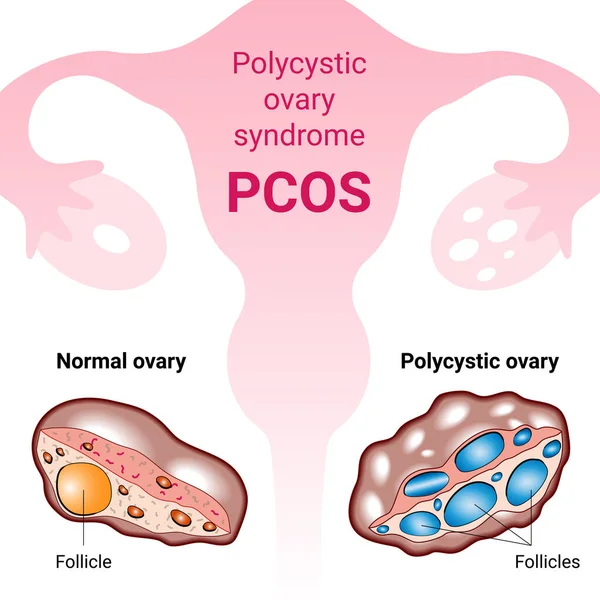
Polycystic Ovary Syndrome (PCOS) is one of the most common hormonal disorders affecting individuals of reproductive age. Despite how widespread it is — impacting roughly 1 in 10 women worldwide — many people go undiagnosed for years, struggling with confusing symptoms and uncertainty about their fertility and long-term health.

This article explains what PCOS is, who it affects, and the treatment options available to help manage its symptoms and support a healthy reproductive system.


What is PCOS?

Polycystic Ovary Syndrome is a hormonal disorder characterized by an imbalance of reproductive hormones. The ovaries may become enlarged and contain small fluid-filled sacs (called cysts), which can affect regular ovulation.

The exact cause of PCOS is still unknown, but several factors seem to contribute to its development, including:

  • Insulin resistance

  • Genetic predisposition

  • Low-grade inflammation

  • Higher androgen (male hormone) levels


Who Can Experience PCOS?

PCOS primarily affects individuals assigned female at birth during their reproductive years — typically from adolescence through menopause. However, symptoms often begin soon after the first menstrual cycle and may become more noticeable over time.

Anyone can develop PCOS, but you’re at higher risk if:

  • You have a family history of PCOS

  • You are overweight or obese

  • You have insulin resistance or Type 2 diabetes

  • You experience irregular menstrual cycles

It’s also important to note that PCOS does not discriminate by race or ethnicity — it’s found globally, although the symptoms and severity may vary.


Common Symptoms of PCOS

PCOS can present a wide range of symptoms, which is one reason it often goes undiagnosed. Common signs include:

  • Irregular or missed periods

  • Excess hair growth (hirsutism), especially on the face, chest, or back

  • Acne or oily skin

  • Weight gain or difficulty losing weight

  • Thinning hair or hair loss on the scalp

  • Darkening of skin in certain areas (such as the neck or underarms)

  • Difficulty getting pregnant

These symptoms are caused by hormonal imbalances, particularly elevated levels of androgens and insulin.


How is PCOS Diagnosed?

There’s no single test for PCOS. Diagnosis typically involves a combination of:

  • Medical history and symptom review

  • Pelvic exam

  • Blood tests to check hormone levels and insulin resistance

  • Ultrasound to examine the ovaries and uterine lining

A person must usually meet at least two out of three criteria: irregular periods, signs of elevated androgens, and polycystic ovaries seen on ultrasound.


PCOS and Fertility

One of the most distressing aspects of PCOS for many women is its impact on fertility. Because the condition can interfere with ovulation, it may make it harder to conceive naturally. However, Polycystic Ovary Syndrome  is one of the most treatable causes of infertility.

Many people with PCOS go on to have successful pregnancies — sometimes with lifestyle changes alone, and sometimes with medical support such as ovulation-inducing medications or IVF.


Treatment Options for PCOS

Although PCOS cannot be “cured,” its symptoms can be effectively managed with the right combination of lifestyle changes and medical treatments. Here are some of the most common options:

1. Lifestyle Modifications

  • Weight management: Losing just 5–10% of body weight can significantly improve hormone levels and menstrual regularity.

  • Diet: A balanced, low-sugar, anti-inflammatory diet helps regulate insulin and hormone levels.

  • Exercise: Regular physical activity improves insulin sensitivity and supports weight control.

2. Medications

  • Birth control pills: Help regulate periods and reduce excess hair growth and acne.

  • Metformin: Improves insulin resistance and may help with weight loss and ovulation.

  • Clomiphene (Clomid) or Letrozole: Used to stimulate ovulation in women trying to conceive.

  • Anti-androgens: Such as spironolactone, can reduce unwanted hair and acne.

3. Fertility Treatments

For those who do not respond to ovulation medications, assisted reproductive technologies like IVF (In Vitro Fertilization) may be recommended. Many fertility clinics specialize in Polycystic Ovary Syndrome cases and offer tailored protocols to support successful pregnancies.


Long-Term Health Concerns with PCOS

PCOS isn’t just a reproductive issue — it can affect your health long-term if left unmanaged. Complications may include:

  • Type 2 diabetes

  • Heart disease

  • Endometrial cancer

  • Sleep apnea

  • Mental health challenges such as anxiety or depression

That’s why early diagnosis and proactive management are so important.


Final Thoughts

If you’re experiencing irregular cycles, acne, weight gain, or unexplained fertility issues, it’s worth speaking with a healthcare provider about Polycystic Ovary Syndrome. With early diagnosis and the right treatment plan, symptoms can be controlled, and long-term health risks reduced.

Polycystic Ovary Syndrome may be complex, but it’s manageable — and with the right care, you can take control of your body, your fertility, and your future.

For any of your fertility problems, please do not hesitate to contact us. At Fertility Solutions we pride ourselves with the excellent tailored personal care we provide to our patients for their specific needs. A team member will contact you as soon as we get your message, and construct a personal treatment plan for your fertility problems in the country of Cyprus. You can also contact our clinics directly through the links below.

Cyprus Crown IVF Contact: https://en.cypruscrownivf.com/contact

Cyprus American IVF Contact: https://www.cyprusamericanivf.com/contact-us/

Dr. Halil Ibrahim Tekin  (Dr. HIT) Youtube: https://www.youtube.com/@dr.halilibrahimtekin1715

Cyprus American IVF Youtube: https://www.youtube.com/@AmerikanTupBebekMerkezi

General

Vital Checkpoint: Why the CBC Test in IVF Can Make or Break Your Success

When undergoing fertility treatment, every step matters — from hormone levels to embryo quality. One often-overlooked but crucial test at the beginning of an IVF journey is the CBC test. Short for Complete Blood Count, the CBC test in IVF plays a key role in evaluating your overall health and identifying hidden issues that could affect your chances of success.

While it may seem routine, understanding the importance of a CBC test in IVF can help you prepare your body more effectively and avoid potential complications down the road.


What Is a CBC Test?

The CBC (Complete Blood Count) is a standard blood test that provides vital information about the cells in your blood — primarily red blood cells, white blood cells, and platelets.

This test helps your fertility doctor detect:

  • Anemia (low red blood cell count)

  • Infections or inflammation

  • Clotting problems

  • Immune system issues

By analyzing these values, your care team gets a clear snapshot of your current health status — and whether your body is ready to handle the demanding process of IVF.


Why the CBC Test in IVF Matters

1. Detecting Anemia Before Treatment Starts

Anemia is more common than many women realize. If your red blood cell count or hemoglobin levels are too low, your body may not be oxygenating tissues efficiently — including your reproductive organs. This can affect egg development, hormone balance, and your ability to sustain a pregnancy.

The CBC test in IVF helps identify and treat anemia early, so your body is in optimal condition before ovarian stimulation or embryo transfer.

2. Screening for Infections or Immune Issues

White blood cells (WBCs) are your body’s first line of defense against infection. A high or low WBC count could signal underlying issues such as chronic inflammation, an autoimmune disorder, or a hidden infection — all of which could impact embryo implantation.

Running a CBC test in IVF gives doctors the chance to catch and treat infections before they interfere with your fertility treatment.

3. Evaluating Clotting Risk

Platelets help your blood clot properly. If your platelet count is too low or too high, you may be at risk for bleeding or clotting problems — both of which can complicate procedures like egg retrieval or embryo transfer.

By performing a CBC test in IVF, your doctor can ensure your clotting function is within a safe range, and make any necessary adjustments to your medication plan.


When Is the CBC Test Performed During IVF?

Typically, the CBC test in IVF is done early in your treatment cycle — often during your initial consultation or shortly before ovarian stimulation begins. However, your doctor may also repeat the test during the cycle if there are signs of infection, excessive bleeding, or ovarian hyperstimulation syndrome (OHSS).


What Happens If My CBC Test Shows Abnormal Results?

If your CBC test in IVF reveals abnormalities, don’t panic — many conditions can be managed quickly and safely. Your fertility team may recommend:

  • Iron supplements for anemia

  • Antibiotics or antivirals for infections

  • Anti-inflammatory treatments

  • Further testing to rule out underlying health conditions

In some cases, your cycle may be delayed slightly to ensure your body is ready — which ultimately increases your chance of a successful outcome.


A Small Test with a Big Impact

Fertility treatment is not just about embryos and hormones — it’s also about preparing your body to nurture new life. The CBC test in IVF may seem like a minor step, but it holds powerful insights into your readiness for treatment and pregnancy.

By taking the time to evaluate your complete blood count, your doctor can make smarter decisions about medication protocols, reduce health risks, and give your IVF cycle the strongest possible start.


Final Thoughts

Success in IVF isn’t just about what happens in the lab — it’s about your whole-body health. The CBC test in IVF is one of the simplest, yet most impactful ways to ensure your journey begins with clarity and confidence.

For any of your fertility problems, please do not hesitate to contact us. At Fertility Solutions we pride ourselves with the excellent tailored personal care we provide to our patients for their specific needs. A team member will contact you as soon as we get your message, and construct a personal treatment plan for your fertility problems in the country of Cyprus. You can also contact our clinics directly through the links below.

Cyprus Crown IVF Contact: https://en.cypruscrownivf.com/contact

Cyprus American IVF Contact: https://www.cyprusamericanivf.com/contact-us/

Dr. Halil Ibrahim Tekin  (Dr. HIT) Youtube: https://www.youtube.com/@dr.halilibrahimtekin1715

Cyprus American IVF Youtube: https://www.youtube.com/@AmerikanTupBebekMerkezi


General

Unlocking the Power of AI in Embryo Selection

In this article we are going to dive deep into the topic of AI in embryo selection. In the world of in vitro fertilization (IVF), one of the most critical steps is choosing the best embryo to transfer. Traditionally, embryologists have relied on visual assessments and experience to grade embryos based on shape, symmetry, and development speed. While this method has helped countless hopeful parents, it has its limitations — particularly in its subjectivity and lack of predictive precision.

Today, cutting-edge assisted artificial intelligence (AI) technologies are transforming this crucial step, bringing greater accuracy, consistency, and confidence to embryo selection. For couples and individuals undergoing IVF, AI is not just a futuristic tool — it’s an innovation that may improve success rates and reduce the number of treatment cycles needed. Here are some of the ways we can utilize AI in embryo selection.

What is AI in Embryo Selection?

AI in embryo selection involves using machine learning algorithms to analyze images or videos of developing embryos. These tools assess features that may not be easily visible to the human eye and predict the embryo’s potential to implant and result in a healthy pregnancy.

The AI models are trained using thousands — sometimes millions — of data points, including embryo images, developmental patterns, and clinical outcomes. The system learns to recognize subtle indicators associated with successful implantation and ongoing pregnancy.

Some systems also integrate genetic data, time-lapse imaging, and patient-specific information to offer a personalized score or ranking for each embryo.

Why Traditional Embryo Selection Has Limitations

Even with highly experienced embryologists, traditional embryo grading is subjective and based mainly on visual appearance. Two professionals may give different scores to the same embryo, and visual quality doesn’t always correlate with genetic normality or implantation potential.

Moreover, some high-potential embryos may be overlooked if they don’t fit the standard visual criteria — and some perfect-looking embryos may fail to implant due to chromosomal abnormalities or poor developmental dynamics.

How AI Improves Embryo Selection

Here are some ways we can utilize AI in embryo selection:

1. Enhanced Predictive Power

AI can analyze vast amounts of data to detect patterns that correlate with successful pregnancies. These tools help embryologists rank embryos more accurately, leading to better chances of implantation and live birth.

2. Reduced Human Subjectivity

By removing much of the guesswork, AI brings consistency to the evaluation process. This standardization helps reduce variability between clinics or embryologists and can boost overall IVF efficiency.

3. Time-Lapse Imaging Integration

AI systems often work alongside time-lapse incubators, which continuously photograph embryos without removing them from their controlled environment. These systems allow for constant monitoring and precise analysis of embryo development timelines — a major advantage over static observation.

4. Non-Invasive Insights

Unlike preimplantation genetic testing (PGT-A), which requires a biopsy of the embryo, AI technologies work non-invasively. This means embryos can be evaluated without any physical manipulation, preserving their integrity.

5. Optimizing Single Embryo Transfers

AI helps clinics confidently choose a single high-quality embryo for transfer, reducing the need for multiple embryo transfers and minimizing the risk of twin or triplet pregnancies — a safer and more modern approach in fertility care.

Popular AI Tools in Use

Several companies and fertility clinics worldwide are now using AI-based systems, such as:

  • Life Whisperer: Uses computer vision and deep learning to assess embryo quality from images.

  • iDAScore (Vitrolife): A deep-learning model based on time-lapse data, providing a score that correlates with implantation potential.

  • EmbryoScope with AI analysis: Integrates time-lapse monitoring with AI evaluation.

While these tools are still evolving, they are already showing promise in enhancing IVF outcomes and supporting more informed decisions.

AI in Context: Supporting, Not Replacing, Experts

It’s important to understand that AI doesn’t replace embryologists — it assists them. Think of AI as a powerful co-pilot, providing data-driven insights to support human expertise. The final decision on embryo selection always rests with the clinical team, in consultation with the patient.

Ethical Considerations

As with any technology in reproductive medicine, ethical considerations remain important. Transparency in how AI models make predictions, privacy of patient data, and equitable access to advanced tools are topics the industry continues to address.

The Future is Here

AI in embryo selection represents a major leap forward in personalized reproductive medicine. For many patients, it means fewer IVF cycles, lower emotional and financial costs, and higher chances of a healthy pregnancy.

As technology continues to advance, we can expect even greater integration of AI into all aspects of fertility treatment — from predicting ovarian response to customizing treatment plans.

At the heart of it all is a simple goal: to help more people build the families they dream of, with greater accuracy, compassion, and success.

As technology continues to advance, the use of AI in embryo selection is paving the way for smarter, more successful, and more personalized IVF journeys

For any of your fertility problems, please do not hesitate to contact us. At Fertility Solutions we pride ourselves with the excellent tailored personal care we provide to our patients for their specific needs. A team member will contact you as soon as we get your message, and construct a personal treatment plan for your fertility problems in the country of Cyprus. You can also contact our clinics directly through the links below.

Cyprus Crown IVF Contact: https://en.cypruscrownivf.com/contact

Cyprus American IVF Contact: https://www.cyprusamericanivf.com/contact-us/

Dr. Halil Ibrahim Tekin  (Dr. HIT) Youtube: https://www.youtube.com/@dr.halilibrahimtekin1715

Cyprus American IVF Youtube: https://www.youtube.com/@AmerikanTupBebekMerkezi
General

Uncovering the Urgency of Ovarian Torsion

Ovarian Torsion: A Medical Emergency Every Woman Should Know About

When it comes to women’s reproductive health, certain conditions require immediate attention — and ovarian torsion is one of them. While not as commonly discussed as PCOS or endometriosis, ovarian torsion is a serious and potentially fertility-threatening condition that demands swift medical intervention. Understanding what it is, why it happens, and how it’s treated can make a crucial difference in outcomes.

What is Ovarian Torsion?

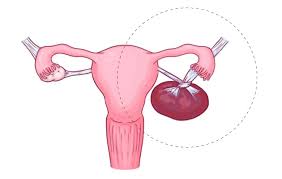
Ovarian torsion occurs when an ovary twists around the ligaments that hold it in place. This twisting can cut off blood flow to the ovary and sometimes the fallopian tube. If left untreated, it can lead to the death of ovarian tissue and loss of the ovary, impacting hormonal balance and fertility.

Ovarian torsion is considered a gynecologic emergency. Though it is relatively rare — accounting for around 2.7% of gynecologic emergencies — it tends to affect women of reproductive age, particularly those undergoing fertility treatments or with ovarian cysts.

What Causes Ovarian Torsion?

The most common cause is an enlarged ovary, often due to:

  • Ovarian cysts or masses

  • Ovarian hyperstimulation, especially during fertility treatments like IVF

  • Polycystic ovary syndrome (PCOS)

  • Pregnancy, particularly in the first trimester

  • Congenital abnormalities or elongated ligaments

When the ovary becomes heavier or imbalanced due to a mass or swelling, it is more likely to rotate, cutting off the blood vessels supplying it.

Who Is at Risk?

While ovarian torsion can happen to any woman, certain groups are more vulnerable:

  • Women undergoing fertility treatments involving ovulation induction drugs (e.g., Clomid, gonadotropins)

  • Pregnant women, especially in early pregnancy when the corpus luteum cyst is active

  • Teenagers or premenopausal women with active ovarian function

  • Women with previous pelvic surgeries or adhesions

Recognizing the Symptoms

The symptoms of ovarian torsion can come on suddenly and may mimic other abdominal or pelvic issues. Key signs include:

  • Sudden, severe pelvic pain, usually on one side

  • Nausea and vomiting

  • Abdominal tenderness or swelling

  • Fever (in later stages, if the ovary becomes necrotic)

  • Pain during intercourse or bowel movements

The pain may come and go if the ovary twists and untwists temporarily, which can delay diagnosis. However, persistent or worsening pain should never be ignored.

How is Ovarian Torsion Diagnosed?

Prompt diagnosis is critical to preserve ovarian function. A doctor will typically perform:

  • Pelvic examination

  • Transvaginal or abdominal ultrasound, often using Doppler imaging to assess blood flow to the ovary

  • CT or MRI scans (in uncertain cases)

It’s important to note that Doppler ultrasound is not 100% reliable. Blood flow may still appear normal in early torsion, so clinical suspicion and symptoms are key to deciding the next steps.

Treatment: Time is of the Essence

Once ovarian torsion is suspected, surgical intervention is necessary — usually via laparoscopy (a minimally invasive keyhole procedure). The surgeon will attempt to:

  1. Untwist (detorse) the ovary to restore blood flow

  2. Remove any cyst or mass causing the torsion

  3. In some cases, remove the ovary if it is no longer viable

If treated early, the ovary can often be saved, even if it appears discolored during surgery. In the past, some surgeons removed the ovary due to fear of embolism (clots), but recent evidence supports detorsion even in these cases, as the ovary often recovers.

Can Ovarian Torsion Affect Fertility?

Yes — if the ovary or fallopian tube is damaged or removed, it may reduce the number of eggs available and affect natural fertility, especially if the remaining ovary is compromised. This is particularly relevant for women undergoing fertility treatments.

However, many women go on to conceive naturally or with assisted reproductive technologies (ART) after recovering from ovarian torsion. If you have one healthy ovary, your body can often compensate hormonally and reproductively.

Preventing Ovarian Torsion

While not always preventable, the risk of ovarian torsion can be reduced by:

  • Monitoring ovarian size during fertility treatments

  • Surgical removal of large cysts when necessary

  • Discussing any prior pelvic pain or ovarian history with your doctor, especially before starting IVF or ovulation induction

For women undergoing IVF, doctors may recommend “coasting” (delaying ovulation trigger) or adjusting medication to reduce ovarian swelling and minimize the risk of torsion.

Final Thoughts

Ovarian torsion is a rare but serious condition that every woman — especially those in fertility treatment — should be aware of. If you experience sudden, intense pelvic pain, don’t delay seeking medical attention. Early diagnosis and treatment can mean the difference between preserving your ovary or losing it.

By staying informed and acting quickly, you can protect not only your reproductive health but your long-term well-being.

For any of your fertility problems, please do not hesitate to contact us. At Fertility Solutions we pride ourselves with the excellent tailored personal care we provide to our patients for their specific needs. A team member will contact you as soon as we get your message, and construct a personal treatment plan for your fertility problems in the country of Cyprus. You can also contact our clinics directly through the links below.

Cyprus Crown IVF Contact: https://en.cypruscrownivf.com/contact

Cyprus American IVF Contact: https://www.cyprusamericanivf.com/contact-us/

Dr. Halil Ibrahim Tekin  (Dr. HIT) Youtube: https://www.youtube.com/@dr.halilibrahimtekin1715

Cyprus American IVF Youtube: https://www.youtube.com/@AmerikanTupBebekMerkezi


Notice: ob_end_flush(): Failed to send buffer of zlib output compression (0) in /home/fertilitysol/public_html/wp-includes/functions.php on line 5471