General

Discover the Best Places to Get your AMH Test in the UK

Clinics in the UK Offering AMH Testing

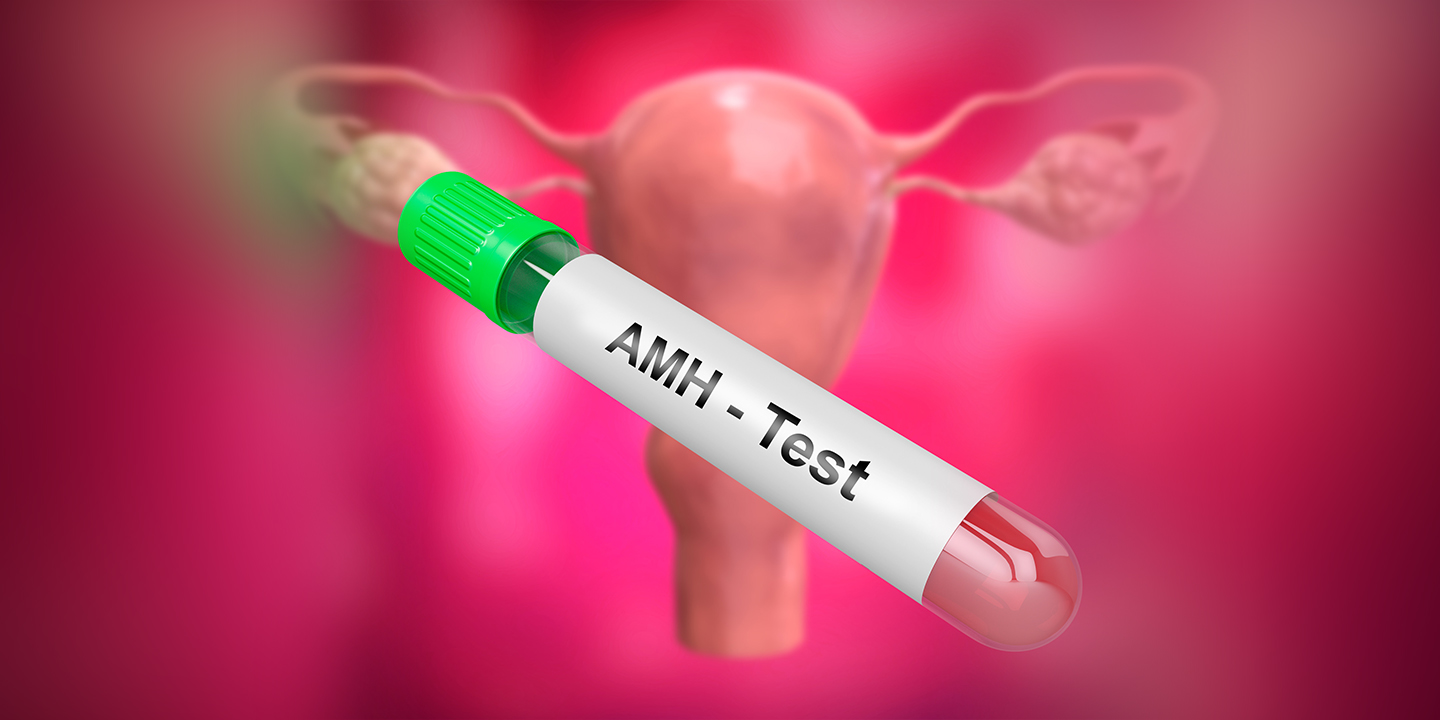
In this article we will explore the best places to get your AMH test in the UK. Anti-Müllerian Hormone (AMH) testing is an essential tool in assessing a woman’s ovarian reserve and overall fertility potential. This blood test helps individuals and couples understand their reproductive health, aiding in decisions about family planning, fertility treatments, or simply gaining insight into their biological clock. Fortunately, numerous clinics across the UK provide AMH testing services, either as standalone tests or as part of broader fertility assessments.

What Is an AMH Test?

The AMH test measures the level of Anti-Müllerian Hormone in the blood, which is produced by small follicles in the ovaries. Higher levels of AMH typically indicate a greater ovarian reserve, while lower levels suggest a diminished reserve. The test is particularly useful for:

  • Women considering fertility treatments like IVF
  • Those wanting to assess their fertility status for future family planning
  • Diagnosing conditions such as polycystic ovary syndrome (PCOS) or premature ovarian insufficiency

Why Is AMH Testing Required Before IVF or Egg Donation?

AMH testing is a critical prerequisite for fertility treatments, including IVF and egg donation, for several reasons:

  1. Determining Suitability for IVF with Own Eggs: The test helps fertility specialists evaluate whether a woman has enough ovarian reserve to proceed with IVF using her own eggs. If AMH levels are very low, alternative options such as egg donation may be recommended.
  2. Customizing IVF Protocols: AMH levels guide the selection of stimulation protocols for IVF, ensuring that medication dosages are tailored to the individual’s ovarian response.
  3. Predicting IVF Outcomes: Higher AMH levels are often associated with a greater number of eggs retrieved during IVF, increasing the chances of successful fertilization and embryo development.
  4. Assessing Egg Donation Eligibility: For egg donors, AMH testing ensures that the donor’s ovarian reserve is sufficient to meet donation requirements.

Our clinics require AMH testing as a fundamental part of the fertility assessment to provide the most effective and personalized treatment options for patients.

Clinics in the UK Offering AMH Testing

  1. London Women’s Clinic
    • Locations: Multiple locations, including Harley Street (London), Cardiff, and Bristol.
    • Services: Offers AMH testing as part of comprehensive fertility assessments and standalone tests.
    • Website: londonwomensclinic.com
  2. CARE Fertility
    • Locations: Clinics nationwide, including Manchester, Birmingham, and Northampton.
    • Services: Provides AMH tests as part of fertility evaluations. The results help design personalized treatment plans.
    • Website: carefertility.com
  3. The Agora Clinic
    • Location: Brighton, Sussex.
    • Services: Specializes in fertility treatments and offers AMH testing for individuals or couples starting their fertility journey.
    • Website: agoraclinic.co.uk
  4. Create Fertility
    • Locations: Clinics in London, Manchester, Birmingham, and Bristol.
    • Services: Known for their focus on natural and mild IVF. AMH testing is included in their fertility assessments.
    • Website: createfertility.co.uk
  5. Bourn Hall Clinic
    • Locations: Cambridge, Colchester, and Norwich.
    • Services: Provides AMH tests as part of fertility check-ups and pre-treatment evaluations.
    • Website: bournhall.co.uk
  6. The Fertility Partnership
    • Locations: Multiple clinics, including Oxford, Southampton, and Glasgow.
    • Services: Offers AMH testing along with other diagnostic tools to provide a clear picture of fertility health.
    • Website: thefertilitypartnership.com
  7. Harley Street Fertility Clinic
    • Location: Harley Street, London.
    • Services: Provides standalone AMH testing and in-depth fertility consultations.
    • Website: hsfc.org.uk
  8. ABC IVF
    • Locations: Clinics in London, Birmingham, and Manchester.
    • Services: Offers affordable AMH testing and fertility treatment packages tailored to individual needs.
    • Website: abcivf.com

How to Choose the Right Clinic

When selecting a clinic for AMH testing, consider the following factors:

  • Proximity: Choose a clinic close to your home or workplace for convenience.
  • Cost: Prices for AMH tests can vary, so compare costs across clinics.
  • Reputation: Look for clinics with positive reviews and a proven track record in fertility care.
  • Additional Services: Some clinics offer bundled packages that include AMH testing along with other fertility assessments, which may be more cost-effective.
  • Specialist Expertise: Clinics specializing in fertility care often provide more tailored advice based on your AMH levels.

What to Expect During an AMH Test

The AMH test is a straightforward blood test that can be performed at any time during the menstrual cycle. After the blood sample is taken, results are typically available within a few days. Your healthcare provider will explain the results and discuss any implications for your fertility.

Conclusion

AMH testing is a vital step in understanding fertility health, and numerous clinics across the UK provide this service. Whether you’re exploring fertility treatments or simply seeking insight into your reproductive health, the clinics listed above offer reliable and professional services. Consult with your chosen clinic to determine the best approach for your needs and take the first step toward understanding your fertility.

For any of your fertility problems, please do not hesitate to contact us. At Fertility Solutions we pride ourselves with the excellent tailored personal care we provide to our patients for their specific needs. A team member will contact you as soon as we get your message, and construct a personal treatment plan for your fertility problems in the country of Cyprus. You can also contact our clinics directly through the links below.

Cyprus Crown IVF Contact: https://en.cypruscrownivf.com/contact

Cyprus American IVF Contact: https://www.cyprusamericanivf.com/contact-us/

Dr. Halil Ibrahim Tekin  (Dr. HIT) Youtube: https://www.youtube.com/@dr.halilibrahimtekin1715

Cyprus American IVF Youtube: https://www.youtube.com/@AmerikanTupBebekMerkezi

General

What is Perimenopause?

Perimenopause: A Comprehensive Guide

Perimenopause, often referred to as the menopause transition, is a natural phase in a woman’s life that signals the end of her reproductive years. This period is marked by hormonal changes that can bring about a variety of physical, emotional, and psychological symptoms. Understanding perimenopause is crucial for managing its effects and maintaining overall well-being during this transformative stage.

What Is Perimenopause?

Perimenopause begins several years before menopause, typically in a woman’s 40s, but it can start earlier for some. It ends when a woman has gone 12 consecutive Understandingmonths without a menstrual period, signaling the onset of menopause. During this transition, the ovaries gradually produce less estrogen, a key hormone regulating the menstrual cycle and numerous other bodily functions.

Symptoms of Perimenopause

The symptoms of perimenopause can vary widely among women in terms of type, severity, and duration. Common symptoms include:

  1. Irregular Periods: Menstrual cycles may become shorter, longer, heavier, or lighter as ovulation becomes erratic.
  2. Hot Flashes and Night Sweats: Sudden feelings of heat, often accompanied by sweating and flushing, are a hallmark of hormonal fluctuations.
  3. Mood Changes: Increased irritability, anxiety, and mood swings can occur, partly due to hormonal changes and sleep disturbances.
  4. Sleep Problems: Insomnia or waking up frequently during the night is common, often linked to night sweats or anxiety.
  5. Vaginal Dryness and Discomfort: Decreased estrogen levels can lead to vaginal dryness, making intercourse uncomfortable.
  6. Decreased Libido: Changes in hormones, combined with other symptoms, can affect sexual desire.
  7. Physical Changes: Weight gain, particularly around the abdomen, thinning hair, and dry skin are common during this phase.
  8. Memory Issues and Concentration Problems: Many women report “brain fog” or difficulties in focusing.

Causes and Risk Factors

Perimenopause is a natural biological process primarily driven by declining ovarian function. However, certain factors may influence its onset and symptoms:

  • Age: Most women experience perimenopause in their 40s, but genetics, health conditions, or lifestyle factors can lead to earlier or later onset.
  • Smoking: Smokers often experience earlier menopause and more severe symptoms.
  • Health Conditions: Conditions like autoimmune disorders or undergoing treatments such as chemotherapy can trigger early perimenopause.
  • Family History: A family history of early menopause may increase the likelihood of an earlier perimenopause.

Managing Perimenopause

While perimenopause is a natural phase, its symptoms can impact daily life. A combination of lifestyle changes, medical treatments, and support can help manage its effects:

  1. Healthy Lifestyle:
    • Nutrition: A balanced diet rich in calcium, vitamin D, and phytoestrogens (found in soy and flaxseeds) can support bone health and reduce symptoms.
    • Exercise: Regular physical activity can help manage weight, improve mood, and strengthen bones.
    • Sleep Hygiene: Establishing a consistent bedtime routine and creating a comfortable sleep environment can improve sleep quality.
  2. Medical Treatments:
    • Hormone Therapy (HT): Estrogen therapy or combined estrogen-progesterone therapy can relieve symptoms like hot flashes and vaginal dryness.
    • Non-Hormonal Medications: Antidepressants or other medications may help with mood swings, hot flashes, or sleep disturbances.
  3. Alternative Therapies:
    • Mindfulness, acupuncture, and yoga may alleviate stress and improve overall well-being.
  4. Regular Medical Check-Ups:
    • Routine health screenings, including bone density tests and cardiovascular assessments, are essential as the risk for osteoporosis and heart disease increases.

Emotional and Psychological Support

For people who experience this can be an emotionally challenging time. Open communication with loved ones, joining support groups, or seeking therapy can provide invaluable support. Understanding that perimenopause is a natural phase can also help women approach it with greater acceptance and resilience.

When to Seek Medical Advice

While perimenopause is a natural transition, certain symptoms warrant medical attention, such as excessively heavy periods, severe mood changes, or symptoms that interfere significantly with daily life. Consulting a healthcare provider can help tailor a management plan suited to individual needs.

Conclusion

Perimenopause is a significant phase in a woman’s life, marking the transition from reproductive years to menopause. While the symptoms can be challenging, understanding the process and adopting proactive measures can make this transition smoother. By prioritizing physical health, seeking emotional support, and exploring medical or alternative treatments, women can navigate perimenopause with confidence and grace.

For any of your fertility problems, please do not hesitate to contact us. At Fertility Solutions we pride ourselves with the excellent tailored personal care we provide to our patients for their specific needs. A team member will contact you as soon as we get your message, and construct a personal treatment plan for your fertility problems in the country of Cyprus. You can also contact our clinics directly through the links below.

Cyprus Crown IVF Contact: https://en.cypruscrownivf.com/contact

Cyprus American IVF Contact: https://www.cyprusamericanivf.com/contact-us/

Dr. Halil Ibrahim Tekin  (Dr. HIT) Youtube: https://www.youtube.com/@dr.halilibrahimtekin1715

Cyprus American IVF Youtube: https://www.youtube.com/@AmerikanTupBebekMerkezi

 

General

Conquering Fertility Challenges: Navigating the Impact of Being Overweight on Treatment Success

Fertility Treatments and Weight: Understanding the Impact of Being Overweight on Fertility

For those looking to expand their families, fertility challenges can be complicated by various factors—including weight. Research shows that being overweight or obese can impact both male and female fertility, making conception more difficult and increasing the risks of complications in pregnancy. Here, we’ll explore how excess weight affects fertility, the risks associated with fertility treatments, and the specific impacts on reproductive health in men and women.

How Being Overweight Affects Female Fertility

For women, carrying extra weight can lead to hormonal imbalances that directly interfere with ovulation and overall fertility. One common condition in overweight women is polycystic ovary syndrome (PCOS), a hormonal disorder that can result in irregular menstrual cycles and decreased ovulation, both of which affect fertility. Additionally, adipose tissue (body fat) can increase estrogen levels in the body, leading to disrupted ovulation cycles, which can make conception more challenging.

AMH Levels and Weight

Anti-Müllerian Hormone (AMH) is a hormone produced by the ovarian follicles, and its levels are often measured to assess ovarian reserve, a key indicator of fertility in women. Research suggests that excess body weight can impact AMH levels, though findings are mixed. Some studies indicate that higher body mass index (BMI) may correlate with lower AMH levels, which could signal reduced ovarian reserve, while others suggest that AMH levels may remain stable across different BMI categories. Regardless, addressing weight can improve overall hormone regulation, which may improve ovarian function and AMH-related fertility indicators.

The Risks of Miscarriage and Pregnancy Complications

Being overweight is linked to an increased risk of miscarriage and other pregnancy complications. Studies have shown that overweight and obese women may experience a higher incidence of early pregnancy loss. This risk is partly due to hormonal imbalances and an inflammatory environment within the body that can interfere with embryo implantation and development. In addition to miscarriage, women with a higher BMI also face an elevated risk of:

  • Gestational diabetes: Excessive blood sugar levels during pregnancy can lead to health problems for both the mother and baby.
  • Preeclampsia: A condition characterized by high blood pressure that can lead to serious health complications for both mother and child.
  • Preterm birth: Babies born prematurely may face a higher risk of developmental issues and other health complications.
  • Cesarean delivery: Overweight women may have a higher likelihood of requiring a cesarean section, which carries additional risks and a longer recovery time.

The Impact of Weight on Male Fertility

While the focus is often on female fertility, men’s weight also plays a crucial role in reproductive health. Excess weight in men is associated with several factors that can negatively impact sperm quality, including:

  • Lower testosterone levels: Body fat can convert testosterone into estrogen, leading to hormonal imbalances that can reduce libido and sperm production.
  • Reduced sperm motility and morphology: Higher BMI has been linked to lower sperm quality, particularly in terms of motility (movement) and morphology (shape), both of which are crucial for fertilization.
  • Increased DNA fragmentation in sperm: Overweight men are more likely to have higher rates of DNA fragmentation in sperm, which can reduce the likelihood of successful fertilization and contribute to an increased risk of miscarriage.

Considerations for Fertility Treatments

While being overweight does not preclude someone from undergoing fertility treatments, it may affect both the approach and the success rates. Here are some specific considerations:

  1. Lower Success Rates with IVF: Overweight women undergoing in vitro fertilization (IVF) may experience lower success rates. Higher BMI has been associated with lower embryo implantation rates, which may result in a longer, more challenging journey to pregnancy.
  2. Medication Dosages: In some cases, women with higher BMIs may require adjusted dosages of fertility medications, as standard doses may be less effective. The need for higher doses may also increase the risk of side effects.
  3. Egg Quality and Retrieval Challenges: Excess weight may impact egg quality, and some studies suggest that overweight women may have fewer mature eggs retrieved during IVF. Additionally, the egg retrieval process can be more complex if a patient has a higher BMI, potentially requiring additional monitoring and care.
  4. Higher Risk of Ovarian Hyperstimulation Syndrome (OHSS): Overweight women undergoing fertility treatments may have a heightened risk of OHSS, a potentially dangerous condition where the ovaries become swollen and painful after stimulation. This risk can be managed but requires close monitoring by a fertility specialist.

Steps to Improve Fertility

Addressing weight can be challenging, but even a modest weight loss can improve fertility outcomes. Studies suggest that losing just 5-10% of body weight can significantly improve hormone regulation, ovulation, and overall reproductive health in women. Here are some strategies that can make a difference:

  • Adopting a balanced diet: Focus on a Mediterranean-style diet, rich in fruits, vegetables, whole grains, and lean proteins, which is beneficial for both fertility and overall health.
  • Regular physical activity: Engaging in moderate exercise can help balance hormones and improve both male and female fertility.
  • Avoiding smoking and alcohol: Both can have a negative impact on fertility and overall reproductive health.
  • Consulting a fertility specialist: Your doctor can help tailor a fertility plan that takes weight and other factors into account, providing a pathway to maximize the chances of conception.

Conclusion

Being overweight can present additional challenges when trying to conceive, but it doesn’t mean successful fertility treatments are out of reach. By understanding the impact of weight on both female and male fertility, couples can take proactive steps to improve their reproductive health. Consulting with a fertility specialist to discuss lifestyle changes, treatment options, and personalized care can make a significant difference in achieving a successful pregnancy and a healthy family.

For any of your fertility problems, please do not hesitate to contact us. At Fertility Solutions we pride ourselves with the excellent tailored personal care we provide to our patients for their specific needs. A team member will contact you as soon as we get your message, and construct a personal treatment plan for your fertility problems in the country of Cyprus. You can also contact our clinics directly through the links below.

Cyprus Crown IVF Contact: https://en.cypruscrownivf.com/contact

Cyprus American IVF Contact: https://www.cyprusamericanivf.com/contact-us/

Dr. Halil Ibrahim Tekin  (Dr. HIT) Youtube: https://www.youtube.com/@dr.halilibrahimtekin1715

Cyprus American IVF Youtube: https://www.youtube.com/@AmerikanTupBebekMerkezi

General

Overcoming Secondary Infertility: Causes, Diagnosis, and Pathways to Success

Understanding Secondary Infertility: Causes, Diagnosis, and Treatment Options

For many couples, having a child is one of life’s greatest joys. But when the time comes to expand their family, some may find that conceiving a second or third child isn’t as easy as it was the first time. This condition, known as secondary infertility, affects millions of couples worldwide, causing confusion, frustration, and emotional strain.

What Is Secondary Infertility?

Secondary infertility refers to the inability to conceive or carry a pregnancy to term after previously giving birth. Unlike primary infertility, which affects couples who have never had a child, secondary infertility occurs after one or more successful pregnancies. It can be just as emotionally challenging as primary infertility, as couples often assume that since they were able to conceive before, they should have no trouble doing so again.

Common Causes of Secondary Infertility

Several factors can contribute to secondary infertility, many of which are the same as those causing primary infertility. However, certain factors may become more prominent after a first pregnancy:

  1. Age: As both men and women age, fertility declines. For women, the quality and quantity of eggs decrease significantly after the age of 35, making it harder to conceive. Men may also experience reduced sperm quality and quantity as they get older.
  2. Changes in Reproductive Health: After a previous pregnancy, issues like uterine scarring (due to a cesarean section or other surgeries), hormonal imbalances, or blocked fallopian tubes may develop, hindering conception.
  3. Male Factor Infertility: A decline in sperm quality or quantity in men, whether due to age, lifestyle changes, or health conditions, can also be a cause of secondary infertility.
  4. Lifestyle Changes: Weight gain, stress, and changes in diet or exercise habits can impact fertility. Smoking, excessive alcohol consumption, and exposure to environmental toxins may also play a role.
  5. Underlying Health Conditions: Conditions like polycystic ovary syndrome (PCOS), endometriosis, or thyroid disorders can develop or worsen over time, making it more difficult for couples to conceive.
  6. Complications from Previous Pregnancy or Birth: In some cases, complications from a previous pregnancy or delivery, such as infections or damage to the reproductive organs, can contribute to secondary infertility.

Diagnosis of Secondary Infertility

If you’ve been trying to conceive for a year or more (or six months if the woman is over 35) without success, it’s time to consult a fertility specialist. The diagnostic process for secondary infertility is similar to that for primary infertility and typically includes:

  • Medical History Review: Your doctor will review your previous pregnancy, birth experiences, and any health changes since your last child.
  • Physical Exams and Blood Tests: These help identify any underlying hormonal imbalances, health conditions, or reproductive issues.
  • Ultrasound or Hysterosalpingogram (HSG): These imaging tests can check for blockages or abnormalities in the uterus and fallopian tubes.
  • Semen Analysis: A semen analysis will determine the quantity, quality, and motility of sperm, helping identify any male factor infertility issues.

Treatment Options for Secondary Infertility

The treatment for secondary infertility depends on the underlying cause, but there are several effective options available:

  1. Lifestyle Modifications: Sometimes, simple changes like losing weight, reducing stress, quitting smoking, or improving diet and exercise can boost fertility.
  2. Fertility Medications: Drugs like clomiphene citrate (Clomid) or injectable hormones can help stimulate ovulation in women or improve sperm production in men.
  3. Assisted Reproductive Technologies (ART): Procedures such as in vitro fertilization (IVF) or intrauterine insemination (IUI) may be recommended if other treatments fail. ART is often successful in overcoming issues related to age, reproductive health, or male factor infertility.
  4. Surgery: If structural issues like blocked fallopian tubes, uterine fibroids, or scarring from previous births are identified, surgery may be necessary to correct them.
  5. Donor Eggs or Sperm: In cases where age or low fertility rates are significant, donor eggs or sperm may be an option to increase the chances of conception.

The Emotional Impact of Secondary Infertility

Secondary infertility can be emotionally challenging, especially when couples face unexpected difficulties after previously conceiving without issue. The emotional toll can be compounded by feelings of guilt, frustration, or confusion. Many couples experiencing secondary infertility also feel isolated, as friends, family, and even doctors may assume that having one child means there shouldn’t be any fertility issues.

It’s essential to seek support during this time, whether through counseling, support groups, or talking openly with friends and family. Many couples find comfort in connecting with others who understand the unique emotional aspects of secondary infertility.

Conclusion

Secondary infertility is a complex and often misunderstood condition, but with the right diagnosis and treatment plan, many couples go on to successfully conceive again. If you’re struggling to have another child, don’t hesitate to reach out to a fertility specialist. Early intervention and understanding the available options can significantly improve your chances of growing your family.

For any of your fertility problems, please do not hesitate to contact us. At Fertility Solutions we pride ourselves with the excellent tailored personal care we provide to our patients for their specific needs. A team member will contact you as soon as we get your message, and construct a personal treatment plan for your fertility problems in the country of Cyprus. You can also contact our clinics directly through the links below.

Cyprus Crown IVF Contact: https://en.cypruscrownivf.com/contact

Cyprus American IVF Contact: https://www.cyprusamericanivf.com/contact-us/

Dr. Halil Ibrahim Tekin  (Dr. HIT) Youtube: https://www.youtube.com/@dr.halilibrahimtekin1715

Cyprus American IVF Youtube: https://www.youtube.com/@AmerikanTupBebekMerkezi

General

Why Choose Cyprus for Fertility Treatments: Affordable, Experienced, and Stress-Free

Why Choose Cyprus?

When it comes to fertility treatments, Cyprus stands out as one of the most attractive destinations. With world-class fertility clinics like Cyprus Crown IVF and Cyprus American IVF, the island offers cutting-edge technology, experienced doctors, and a beautiful, stress-free environment—all at a fraction of the cost of treatments in North America.

Expert Doctors with Decades of Experience

Cyprus Crown IVF, led by Dr. Halil Ibrahim Tekin, brings over 30 years of experience in the field of reproductive medicine. Dr. Tekin, known for his success stories, has been featured in French, English, and Turkish media for his groundbreaking work in fertility. His reputation speaks for itself, and his clinic offers top-tier care with high success rates in all treatments, from IVF to egg donation.

Another leading figure in Cyprus is who heads Cyprus American IVF. With 15 years of experience, clinic is known for its excellent success rates, driven by a dedication to personalized treatment and innovative techniques. Both clinics pride themselves on offering individualized care and the latest fertility technologies, making Cyprus a leader in the global fertility treatment landscape.

Affordability: High-Quality Care at Half the Cost

One of the key reasons people choose the island for fertility treatments is affordability. Compared to clinics in North America, the cost of IVF, egg donation, and other fertility treatments in Cyprus is significantly lower. Even if you factor in the cost of a business class flight and a stay at a luxurious five-star resort, the total expenses are still less than half of what many North American clinics charge.

Patients can enjoy high-quality care without financial strain, allowing them to focus on their journey to parenthood. The mediterranean island combines affordable healthcare with exceptional success rates, making it a perfect option for couples seeking effective fertility treatments without breaking the bank.

A Perfect Destination for Relaxation and Recovery

Cyprus offers more than just top-tier medical care; it provides the perfect environment for relaxation and recovery. Known for its mild, sunny weather, the island country is an ideal spring and summer destination, allowing patients to de-stress while enjoying the island’s natural beauty. Whether you want to unwind by the beach or explore the island’s rich history, Cyprus has it all.

The island’s clean air, locally grown organic food, and abundant natural resources make it a health-conscious choice as well. The Mediterranean diet is well-known for its health benefits, and the island offers fresh fruits, vegetables, and seafood straight from local farms and waters. Patients can rejuvenate their bodies with wholesome, natural foods while they undergo treatment.

Health Benefits of the Mediterranean Sea

Swimming in the salty waters of the Mediterranean offers numerous health benefits, particularly for those undergoing fertility treatments. The sea’s high salt content can improve circulation, reduce inflammation, and help detoxify the body, all of which contribute to overall well-being. Taking a dip in the crystal-clear waters can be both physically and mentally healing, promoting relaxation and reducing stress, which is crucial for patients preparing for or recovering from fertility procedures.

Conclusion: The Ultimate Destination for Fertility Treatments

With its expert doctors, affordable treatments, high success rates, and serene environment, Cyprus is the ultimate destination for fertility care. Clinics like Cyprus Crown IVF and Cyprus American IVF, led by Dr. Halil Ibrahim Tekin and respectively, provide world-class medical care, while the island itself offers a peaceful, health-promoting atmosphere for recovery.

Choosing our island of beauty for fertility treatments means not only improving your chances of success but also enjoying a stress-free, rejuvenating experience on one of the Mediterranean’s most beautiful islands.

For any of your fertility problems, please do not hesitate to contact us. At Fertility Solutions we pride ourselves with the excellent tailored personal care we provide to our patients for their specific needs. A team member will contact you as soon as we get your message, and construct a personal treatment plan for your fertility problems in our beloved island. You can also contact our clinics directly through the links below.

Crown IVF Contact: https://en.cypruscrownivf.com/contact

American IVF Contact: https://www.cyprusamericanivf.com/contact-us/

Dr. Halil Ibrahim Tekin  (Dr. HIT) Youtube: https://www.youtube.com/@dr.halilibrahimtekin1715

Cyprus American IVF Youtube: https://www.youtube.com/@AmerikanTupBebekMerkezi

General

Perimenopause: Understanding the Transition to Menopause

Perimenopause is the natural transition period leading up to menopause, typically starting in a woman’s 40s but sometimes beginning earlier. This phase can last anywhere from a few months to several years and is characterized by hormonal fluctuations that cause various physical and emotional changes. Understanding what happens during perimenopause can help women better manage the symptoms and embrace this important life stage.

What is Perimenopause?

Perimenopause, also known as the “menopausal transition,” refers to the time when the ovaries gradually start producing less estrogen. It culminates when the ovaries stop releasing eggs altogether, and menopause officially begins—a point marked by the absence of menstruation for 12 consecutive months. For most women, perimenopause occurs in their mid-to-late 40s, but some may experience it as early as their 30s.

Symptoms of Perimenopause

The symptoms of perimenopause vary widely, with some women experiencing only mild changes and others dealing with more intense symptoms. Common symptoms include:

  • Irregular periods: One of the hallmark signs of perimenopause is changes in the menstrual cycle. Periods may become irregular, shorter, or longer, and the flow may become heavier or lighter.
  • Hot flashes and night sweats: Fluctuating estrogen levels can cause sudden feelings of intense heat (hot flashes) and excessive sweating during sleep (night sweats).
  • Mood swings: Hormonal changes can also lead to emotional symptoms such as irritability, depression, or anxiety.
  • Sleep disturbances: Many women experience trouble sleeping or insomnia, often exacerbated by night sweats or increased anxiety.
  • Vaginal dryness: Declining estrogen levels can reduce vaginal lubrication, leading to discomfort during intercourse.
  • Decreased libido: Hormonal shifts may lead to a reduced interest in sex for some women.
  • Weight gain and changes in body composition: It’s common for women to experience weight gain, especially around the abdomen, during perimenopause.
  • Cognitive changes: Many women report memory lapses or difficulty concentrating during this time.

Managing Perimenopause Symptoms

While perimenopause is a natural part of aging, its symptoms can be managed through lifestyle changes and, in some cases, medical treatment.

  • Lifestyle changes: Maintaining a healthy diet, regular exercise, and stress management techniques like yoga or meditation can help alleviate some of the symptoms. Avoiding triggers like caffeine, alcohol, or spicy foods may reduce the frequency of hot flashes.
  • Hormone replacement therapy (HRT): HRT is a treatment that can help balance estrogen levels and ease symptoms such as hot flashes, mood swings, and vaginal dryness. However, HRT is not suitable for everyone and may carry some risks, so it’s important to discuss this option with a healthcare provider.
  • Non-hormonal treatments: Some women may benefit from alternative treatments such as antidepressants, which can help with mood swings, or other medications designed to relieve hot flashes and sleep issues.
  • Vaginal moisturizers and lubricants: Over-the-counter products can relieve discomfort from vaginal dryness.

The Emotional Impact of Perimenopause

The emotional toll of perimenopause can be significant, especially when symptoms like mood swings, anxiety, or sleep disturbances affect daily life. It’s important for women to recognize these changes as part of a natural process and seek support when needed. Maintaining open communication with family and friends and possibly seeking counseling can be helpful. Joining support groups or communities of women experiencing similar life changes can also provide comfort and shared experiences.

When to See a Doctor

If symptoms of perimenopause are interfering with daily life or become severe, it’s important to consult a healthcare provider. Conditions such as depression, severe anxiety, or excessively heavy bleeding could be signs of underlying health issues and may require further investigation. Regular check-ups can also ensure that bone density and heart health are monitored, as these can be affected by declining estrogen levels.

Embracing the Change

Perimenopause is a significant phase in a woman’s life, signaling the transition to menopause and beyond. While the symptoms may be challenging, many women find this time of life empowering. It’s a chance to reassess health priorities, focus on self-care, and embrace new possibilities in the post-reproductive years. With the right tools and support, women can navigate perimenopause with confidence and grace.

Conclusion

Perimenopause is a natural part of aging that affects every woman differently. While it brings a variety of physical and emotional changes, many strategies are available to manage symptoms and improve quality of life. By understanding the process and seeking proper support, women can transition through perimenopause smoothly and prepare for the years ahead with resilience.

For more information regarding this topic please check this article on Cyprus American IVF’s website.

For any of your fertility problems, please do not hesitate to contact us. At Fertility Solutions we pride ourselves with the excellent tailored personal care we provide to our patients for their specific needs. A team member will contact you as soon as we get your message, and construct a personal treatment plan for your fertility problems in the country of Cyprus. You can also contact our clinics directly through the links below.

Cyprus Crown IVF Contact: https://en.cypruscrownivf.com/contact

Cyprus American IVF Contact: https://www.cyprusamericanivf.com/contact-us/

Dr. Halil Ibrahim Tekin  (Dr. HIT) Youtube: https://www.youtube.com/@dr.halilibrahimtekin1715

Cyprus American IVF Youtube: https://www.youtube.com/@AmerikanTupBebekMerkezi
General

Crucial Guide to Genital Herpes: Protect Yourself with Key Insights on Transmission, Symptoms, and Treatment

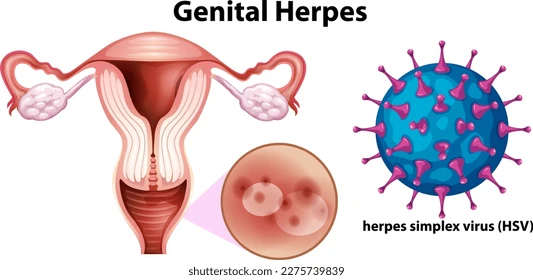
Genital herpes is a common sexually transmitted infection (STI) that affects millions of people worldwide. Despite its prevalence, there’s a lot of misinformation and stigma surrounding the condition. In this blog post, we will explore what genital herpes is, how it transmits, the signs and symptoms in both men and women, other types of herpes, and ways to protect yourself and manage the condition.

What is Genital Herpes?

Genital herpes is an infection caused by the herpes simplex virus (HSV). There are two types of HSV:

  • HSV-1: Typically associated with oral herpes (cold sores around the mouth), but it can also cause genital herpes through oral-genital contact.
  • HSV-2: The primary cause of genital herpes, which leads to outbreaks of sores or blisters in the genital and anal areas.

Once infected, the virus stays in the body for life, residing in nerve cells, and can become active again, leading to outbreaks. However, not all infected individuals experience symptoms, and some may never have visible outbreaks, making it possible to transmit the virus without knowing.

How is Genital Herpes Transmitted?

Genital herpes is transmitted through direct skin-to-skin contact with an infected area. It can spread during vaginal, anal, or oral sex, and sometimes even through close contact with an infected person’s skin. HSV can be passed on even when there are no visible sores or symptoms, a phenomenon known as asymptomatic shedding.

Common ways genital herpes is transmitted include:

  • Vaginal sex: Contact with the infected partner’s genital area.
  • Oral sex: If a person with oral herpes (caused by HSV-1) performs oral sex, they can transmit the virus to the genital area.
  • Anal sex: Contact with sores or infected skin around the anus.
  • Touching sores: If someone touches an active herpes sore and then touches their own or someone else’s genital area, transmission can occur.

Herpes is not spread through casual contact, such as sharing towels, toilet seats, or bathing together.

Signs and Symptoms of Genital Herpes

The symptoms of genital herpes can vary widely between individuals. Some people may not show any signs of infection, while others may experience recurrent outbreaks of painful sores.

Early Signs Before Intercourse in Men and Women

In both men and women, early signs of an impending outbreak (sometimes referred to as prodromal symptoms) may appear before visible sores develop. These can include:

  • Tingling or itching: A tingling or itching sensation in the genital or anal area.
  • Burning sensation: Some people may feel a burning sensation when urinating.
  • Pain: Mild to moderate pain in the lower back, buttocks, or thighs.

Recognizing these early signs is important, as it can help individuals avoid sexual activity during this period, reducing the risk of transmission.

Symptoms in Men:

  • Sores or blisters: Painful blisters or ulcers may appear on the penis, scrotum, anus, or thighs.
  • Swollen lymph nodes: Some men may experience swollen lymph nodes in the groin area.
  • Painful urination: If sores are present near the urethra, urination can be painful.

Symptoms in Women:

  • Sores or blisters: Painful blisters or ulcers may appear on the vulva, vagina, cervix, anus, or inner thighs.
  • Vaginal discharge: Some women may experience an abnormal discharge.
  • Painful urination: If sores are located near the urethra, urination can be painful or difficult.

Both men and women may also experience flu-like symptoms, such as fever, body aches, or swollen glands during their first outbreak.

Other Types of Herpes

While genital herpes is caused by HSV-1 or HSV-2, there are other forms of herpes infections, including:

  • Oral Herpes (Cold Sores): Caused by HSV-1, this infection typically appears as sores around the mouth and lips. Oral herpes can be transmitted to the genital area through oral sex.
  • Herpes Zoster (Shingles): Caused by the varicella-zoster virus, the same virus that causes chickenpox, shingles results in painful blisters that typically appear on one side of the body.
  • Ocular Herpes: A rare form of herpes that affects the eyes, leading to pain, swelling, and potential vision loss.

How to Protect Yourself from Genital Herpes

While genital herpes cannot be completely cured, there are ways to protect yourself and reduce the risk of transmission:

  1. Use Condoms: Condoms can significantly reduce the risk of transmitting genital herpes, but they do not completely eliminate the risk because herpes can be present on areas not covered by a condom.
  2. Avoid Sexual Contact During Outbreaks: If you or your partner have an active herpes outbreak (sores or symptoms), avoid all forms of sexual contact until the sores have fully healed.
  3. Talk Openly with Your Partner: It’s important to have an open conversation with your partner about STIs, including herpes, and get tested regularly if you are sexually active.
  4. Antiviral Medications: Individuals with genital herpes can take daily antiviral medications, such as acyclovir, valacyclovir, or famciclovir, to reduce the frequency of outbreaks and lower the risk of transmitting the virus to partners.
  5. Avoid Oral Sex During Cold Sore Outbreaks: If you or your partner has oral herpes (cold sores), avoid oral-genital contact during an outbreak to prevent spreading HSV-1 to the genital area.

Treatment and Managing Genital Herpes

While there is no cure for genital herpes, there are several treatments available to manage symptoms and reduce the frequency of outbreaks:

  • Antiviral Medications: These can shorten the duration of outbreaks and reduce the severity of symptoms. Medications like acyclovir, valacyclovir, and famciclovir can also be taken daily (suppressive therapy) to prevent frequent outbreaks.
  • Pain Relievers: Over-the-counter pain relievers such as ibuprofen or acetaminophen can help manage pain during outbreaks.
  • Topical Creams: Some topical antiviral creams can help reduce the severity of cold sores or genital herpes blisters, but their effectiveness is limited.

It’s important to maintain a healthy lifestyle, as factors like stress, illness, or fatigue can trigger outbreaks. Regular medical consultations and antiviral medications can help manage the condition effectively.

Conclusion

Genital herpes is a lifelong condition, but with the right knowledge, precautions, and treatment, it can be managed. Understanding how the virus transmits, recognizing early symptoms, and taking steps to protect yourself and your partner can reduce the impact of the virus on your life. If you suspect you have genital herpes or have been exposed, consult with a healthcare provider to discuss testing, treatment, and strategies for managing the condition.

For more information about genital herpes, and other types of herpes, please check out this article by Cyprus Crown IVF.

For any of your fertility problems, please do not hesitate to contact us. At Fertility Solutions we pride ourselves with the excellent tailored personal care we provide to our patients for their specific needs. A team member will contact you as soon as we get your message, and construct a personal treatment plan for your fertility problems in the country of Cyprus. You can also contact our clinics directly through the links below.

Cyprus Crown IVF Contact: https://en.cypruscrownivf.com/contact

Cyprus American IVF Contact: https://www.cyprusamericanivf.com/contact-us/

Dr. Halil Ibrahim Tekin  (Dr. HIT) Youtube: https://www.youtube.com/@dr.halilibrahimtekin1715

Cyprus American IVF Youtube: https://www.youtube.com/@AmerikanTupBebekMerkezi
General

IVF vs. IUI: Which Fertility Treatment is Better for Patients?

When faced with fertility challenges, many couples and individuals explore assisted reproductive technologies (ART) to help them conceive. Two of the most common options are In Vitro Fertilization (IVF) and Intrauterine Insemination (IUI). Both treatments have helped millions of people start families, but choosing between IVF and IUI can be overwhelming. Understanding the differences between these treatments, how they work, and their success rates is crucial for making the best decision based on individual circumstances.

What is IVF?

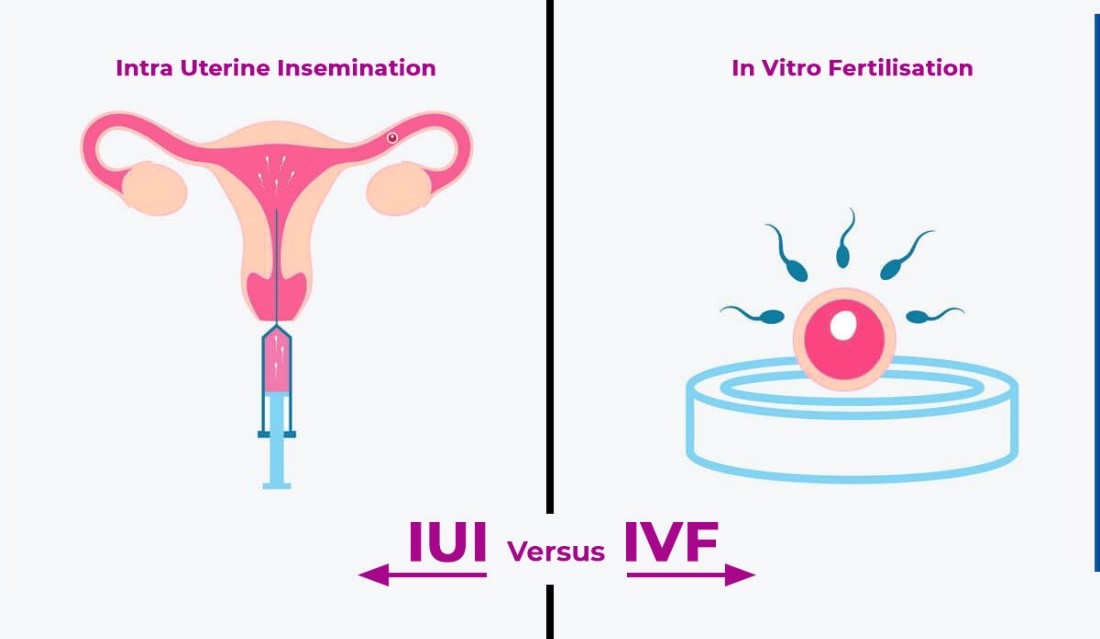
In Vitro Fertilization (IVF) is one of the most well-known and advanced forms of fertility treatment. It involves retrieving mature eggs from a woman’s ovaries and fertilizing them with sperm in a laboratory to create embryos. These embryos are then cultured for a few days, and one or more healthy embryos are transferred into the woman’s uterus, where they can implant and develop into a pregnancy.

The IVF process involves several steps:

  1. Ovarian stimulation: Medications are used to stimulate the ovaries to produce multiple eggs.
  2. Egg retrieval: A minor procedure is performed to collect the eggs from the ovaries.
  3. Fertilization: Eggs are fertilized with sperm in a laboratory (through conventional IVF or with ICSI if sperm quality is an issue).
  4. Embryo culture: The fertilized eggs (now embryos) are monitored for several days.
  5. Embryo transfer: One or more embryos are transferred to the uterus for implantation.

What is IUI?

Intrauterine Insemination (IUI) is a less invasive fertility treatment compared to IVF. In IUI, sperm is collected, washed, and then directly inserted into the uterus during ovulation to increase the chances of fertilization. The procedure is relatively simple and is often combined with medications to stimulate ovulation.

The IUI process involves:

  1. Ovulation induction (optional): Medications may be used to stimulate ovulation and increase the number of eggs available.
  2. Sperm collection and preparation: Sperm is collected from the partner or a donor and washed in a lab to select the healthiest sperm.
  3. Insemination: The washed sperm is injected directly into the uterus using a catheter.

Success Rates of IVF vs. IUI

The success rates of both treatments vary depending on factors like the patient’s age, cause of infertility, and overall health.

IVF Success Rates

IVF generally has higher success rates compared to IUI, especially for certain infertility factors. According to data from fertility clinics worldwide, the success rates for IVF range between:

  • 40-50% per cycle for women under 35.
  • 30-40% per cycle for women aged 35-37.
  • 20-30% per cycle for women aged 38-40.
  • 10-15% per cycle for women over 40.

IVF is often recommended for patients with more complex fertility issues, such as blocked fallopian tubes, severe male factor infertility, or diminished ovarian reserve. It also offers the option of Preimplantation Genetic Testing (PGT), which can screen embryos for genetic abnormalities before transfer, increasing the chances of a successful pregnancy.

IUI Success Rates

IUI has lower success rates compared to IVF, but it is a less invasive and more affordable option. The success rates for IUI are generally:

  • 15-20% per cycle for women under 35.
  • 10-15% per cycle for women aged 35-40.
  • 5-10% per cycle for women over 40.

IUI is most effective when the couple’s infertility is unexplained or due to mild male factor infertility. It can also be an option for couples where the woman has regular ovulation, healthy fallopian tubes, and no severe underlying fertility issues. For some, IUI may be the first step before moving on to IVF if it is not successful after several attempts.

Factors to Consider When Choosing IVF or IUI

When deciding between IVF and IUI, several factors should be considered, including:

1. Cause of Infertility

  • IVF is often recommended for more severe fertility challenges, such as blocked fallopian tubes, severe male factor infertility, or advanced maternal age.
  • IUI is typically used for less complicated cases, such as unexplained infertility, mild male factor infertility, or when the woman’s fallopian tubes are open.

2. Age

  • Age plays a significant role in fertility treatment success. Women over 35 are generally more likely to benefit from IVF because the success rates decline more rapidly for IUI in this age group.

3. Cost

  • IUI is significantly more affordable than IVF, with a single IUI cycle costing a fraction of an IVF cycle. Many couples opt to try IUI first because it is less invasive and less expensive.
  • IVF is more expensive, but its higher success rates, especially for older women or those with more complex fertility issues, often justify the investment.

4. Time

  • For couples who have been trying to conceive for a long time or women who are older and concerned about declining egg quality, IVF may offer a faster path to pregnancy.
  • IUI is often tried first, especially if the couple is younger or has no severe fertility issues. It’s less invasive, and multiple cycles can be attempted before moving on to IVF.

When is IVF Better?

IVF is generally the better option for patients when:

  • There are more complex fertility issues, such as blocked fallopian tubes, severe endometriosis, or poor egg/sperm quality.
  • The woman is over 35 and has concerns about egg quality.
  • There is a need for genetic testing of embryos to avoid genetic diseases.
  • IUI has failed after several attempts.

When is IUI Better?

IUI is a good first-line treatment when:

  • The couple is younger (under 35) with mild infertility issues.
  • There are no severe male factor fertility issues.
  • The woman has healthy fallopian tubes and regular ovulation.
  • The couple prefers a less invasive and more affordable option to begin with.

Conclusion: Which is Better for You?

The decision between IVF and IUI depends on the individual or couple’s unique circumstances. IVF is often recommended for those with more complex fertility issues or for women over 35 who are concerned about time and egg quality. On the other hand, IUI may be a good first step for younger patients with milder infertility problems or for those looking for a less invasive and more affordable option.

Ultimately, the best approach is to consult with a fertility specialist who can evaluate your specific fertility challenges and guide you toward the treatment that offers the highest chances of success.

For any of your fertility problems, please do not hesitate to contact us. At Fertility Solutions we pride ourselves with the excellent tailored personal care we provide to our patients for their specific needs. A team member will contact you as soon as we get your message, and construct a personal treatment plan for your fertility problems in the country of Cyprus. You can also contact our clinics directly through the links below.

Cyprus Crown IVF Contact: https://en.cypruscrownivf.com/contact

Cyprus American IVF Contact: https://www.cyprusamericanivf.com/contact-us/

Dr. Halil Ibrahim Tekin  (Dr. HIT) Youtube: https://www.youtube.com/@dr.halilibrahimtekin1715

Cyprus American IVF Youtube: https://www.youtube.com/@AmerikanTupBebekMerkezi

General

Empowering Women #3: Is It Possible to Have a Natural Birth After IVF Treatment?

One of the most frequently asked questions among couples who undergo in vitro fertilization (IVF) is whether it’s possible to have a natural  birth after IVF treatment. Since IVF involves a high level of medical intervention to help with conception, many wonder if the delivery process must also be highly managed, or if they can experience a traditional, vaginal birth. The good news is that natural birth is not only possible but common after IVF treatment, depending on several factors.

IVF and Its Impact on Pregnancy

IVF is a process used to help individuals and couples struggling with infertility to conceive. The treatment involves retrieving eggs from the ovaries, fertilizing them with sperm in a lab, and then transferring the resulting embryos back into the uterus. While IVF is a medical procedure, it only assists with conception. Once pregnancy is achieved, the body typically progresses through pregnancy much like a naturally conceived pregnancy.

In most cases, the type of birth—whether vaginal or via cesarean section (C-section)—is determined by the same factors that affect any pregnancy, such as the health of the mother, the position of the baby, and whether there are complications. IVF does not automatically dictate a cesarean section unless there are medical reasons unrelated to the IVF process itself.

Can You Have a Natural Birth After IVF?

Yes, having a natural birth after IVF is possible and often preferable, depending on the circumstances. The decision about whether to have a vaginal birth is usually based on the mother’s health, the baby’s development and position, and any complications that arise during pregnancy or labor.

For many women who undergo IVF and experience a healthy pregnancy, there is no reason they cannot attempt a vaginal birth. In fact, numerous studies have shown that the mode of conception (natural or through IVF) does not significantly influence the mode of delivery. Once pregnancy is established, the path to birth follows the natural course unless specific pregnancy-related complications arise.

Factors Influencing Birth Method After IVF

While vaginal birth is possible, certain factors may influence whether a C-section or natural birth is recommended for women who conceived through IVF:

  1. Age: IVF is often used by women over the age of 35, and advanced maternal age can sometimes increase the risk of pregnancy complications. These complications may include conditions like placenta previa or preeclampsia, which might necessitate a C-section for the safety of both the mother and baby.
  2. Multiple Pregnancies: IVF has a higher chance of resulting in multiple pregnancies (twins, triplets, etc.), and in these cases, the risk of complications during delivery is higher. Multiple pregnancies are more likely to result in C-sections due to concerns such as premature labor, abnormal positioning of the babies, or increased strain on the mother’s body.
  3. Previous C-Sections: If the mother has had a previous C-section, her healthcare provider might recommend a repeat C-section, especially if there are concerns about uterine rupture or other complications during vaginal birth. However, some women are candidates for a vaginal birth after cesarean (VBAC), depending on their individual situation.
  4. Underlying Health Issues: Women undergoing IVF may have underlying fertility issues or other health conditions that could impact the pregnancy and delivery. For example, uterine abnormalities, scar tissue, or certain hormonal conditions might make vaginal birth more challenging or unsafe.
  5. Placental Issues: IVF pregnancies may have a slightly higher risk of placental problems, such as placenta previa (where the placenta covers the cervix). In such cases, a C-section is typically recommended to avoid complications during labor.

Benefits of a Vaginal Birth After IVF

If a woman is cleared by her doctor to have a vaginal birth, there are many benefits to doing so:

  • Faster Recovery: Vaginal births generally have a quicker recovery time compared to C-sections, allowing new mothers to return to normal activities sooner.
  • Lower Risk of Infection: Vaginal births have a lower risk of infection and other surgical complications that can arise from a C-section.
  • Shorter Hospital Stay: Women who give birth vaginally typically have a shorter hospital stay compared to those who undergo C-sections.

The Decision Process

The decision about whether to have a natural birth after IVF is made in consultation with a healthcare provider. The provider will monitor the pregnancy closely and assess factors such as the mother’s health, the baby’s development, and any potential complications.

It’s important to remember that each pregnancy is unique, and the path to birth will vary from woman to woman. While IVF patients may feel their pregnancy requires extra medical attention, in many cases, the birth process will proceed as naturally as any other.

Conclusion

IVF helps couples achieve pregnancy, but it does not dictate the type of birth that will follow. Many women who conceive through IVF go on to have normal, vaginal births without complications. The key factors in determining whether a natural birth is possible include the overall health of the mother, the development and positioning of the baby, and whether any complications arise during pregnancy. With proper monitoring and care, women who conceive through IVF have every opportunity to experience a natural birth, just like those who conceive without medical assistance. Therefore, just like regular pregnancies, it is possible to give natural birth after IVF.

For more information regarding this topic please check out this article by Cyprus American IVF.

For any of your fertility problems, please do not hesitate to contact us. At Fertility Solutions we pride ourselves with the excellent tailored personal care we provide to our patients for their specific needs. A team member will contact you as soon as we get your message, and construct a personal treatment plan for your fertility problems in the country of Cyprus. You can also contact our clinics directly through the links below.

Cyprus Crown IVF Contact: https://en.cypruscrownivf.com/contact

Cyprus American IVF Contact: https://www.cyprusamericanivf.com/contact-us/

Dr. Halil Ibrahim Tekin  (Dr. HIT) Youtube: https://www.youtube.com/@dr.halilibrahimtekin1715

Cyprus American IVF Youtube: https://www.youtube.com/@AmerikanTupBebekMerkezi
General

Unveiling the Alpha-Fetoprotein (AFP) Test: A Crucial Breakthrough for IVF and Fertility Success

In the world of fertility treatments and assisted reproductive technologies (ART), various tests are used to ensure the health and success of pregnancies. One such test is the Alpha-Fetoprotein (AFP) test. This test is commonly used during pregnancy to screen for specific fetal conditions, but it also has implications in the context of IVF and fertility treatments. Understanding what the AFP test is, its purpose, and how it relates to fertility care is essential for those undergoing IVF or other assisted reproductive procedures.

What is the Alpha-Fetoprotein (AFP) Test?

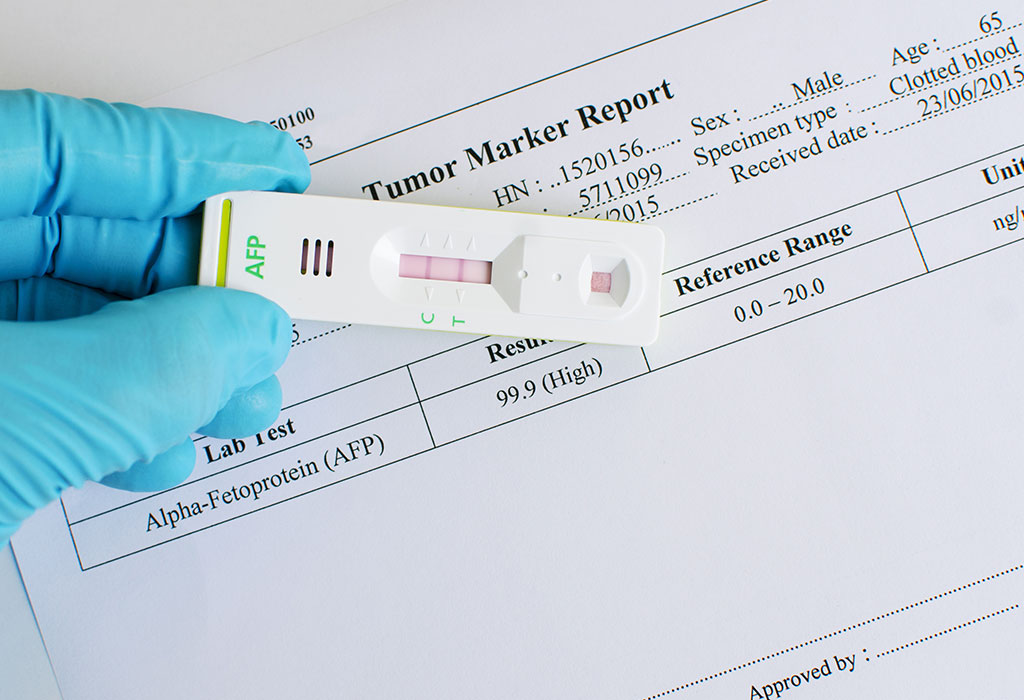
Alpha-fetoprotein (AFP) is a protein produced primarily by the fetal liver during pregnancy. It is present in both the fetal bloodstream and the mother’s blood. The AFP test is a blood test used to measure the levels of AFP in the mother’s blood, typically performed during the second trimester of pregnancy, between 16 and 18 weeks.

AFP is a part of a larger group of proteins called “oncofetal proteins,” which are produced during fetal development and in some types of cancer. While it is commonly associated with prenatal screening for fetal abnormalities, it can also provide information about the health of the liver and can serve as a marker for certain cancers in non-pregnant individuals.

Uses of the AFP Test in Pregnancy

The Alpha-fetoprotein test is primarily used in pregnancy to screen for certain developmental issues in the fetus. These include:

  1. Neural Tube Defects: Elevated levels of AFP can indicate neural tube defects such as spina bifida or anencephaly, where the neural tube does not close properly during development.
  2. Down Syndrome and Other Chromosomal Abnormalities: Abnormally low levels of AFP can suggest a higher risk of Down syndrome or other chromosomal disorders.
  3. Abdominal Wall Defects: Conditions such as omphalocele and gastroschisis, where parts of the abdominal organs protrude outside the body, may cause elevated AFP levels.
  4. Multiple Pregnancies: Increased levels of AFP can also indicate the presence of more than one fetus, such as twins or triplets.

The Role of the Alpha-FetoProtein Test in IVF and Fertility Treatments

In the context of IVF and fertility treatments, the AFP test is not typically used during the pre-implantation stages of treatment. However, once pregnancy is achieved through IVF, the AFP test becomes an important tool in monitoring the health of the developing fetus.

Here’s how the AFP test might be relevant to IVF and fertility treatments:

  1. Early Pregnancy Monitoring: After successful embryo transfer and confirmation of pregnancy, the AFP test can be used to monitor for potential fetal abnormalities. This is especially important for couples who have undergone IVF, as there is often a higher level of concern regarding the health of the pregnancy after the use of assisted reproductive technology.
  2. Screening for Genetic Conditions: For patients who have undergone preimplantation genetic diagnosis (PGD) or screening (PGS), the AFP test adds another layer of screening for fetal development. PGD and PGS help to select embryos with normal chromosomal makeup, but the AFP test can still provide valuable information about the ongoing development of the pregnancy.
  3. Managing High-Risk Pregnancies: IVF pregnancies, especially in older women or those with underlying health conditions, are often categorized as high-risk. The AFP test, along with other prenatal screening tests, helps in early detection of potential problems, allowing for better management of the pregnancy.
  4. Reassurance for Patients: Patients who have undergone fertility treatments often experience anxiety regarding the health and viability of their pregnancy. The AFP test can offer reassurance by confirming that the pregnancy is progressing as expected or providing early warning signs of issues that can be addressed with medical intervention.

Limitations of the AFP Test

While the AFP test is a useful screening tool, it is not diagnostic. Abnormal AFP levels do not necessarily mean there is a problem with the pregnancy, nor does a normal result guarantee that there are no issues. If abnormal AFP levels are detected, further testing, such as ultrasound or amniocentesis, may be recommended to obtain a clearer picture.

Additionally, the AFP test is usually performed during the second trimester, so it is not helpful for early pregnancy assessment. For this reason, IVF pregnancies are closely monitored with other early screening tools before the AFP test becomes relevant.

Conclusion

The Alpha-Fetoprotein (AFP) test serves as a vital part of prenatal screening, particularly for detecting neural tube defects and other fetal abnormalities during the second trimester of pregnancy. While it is not directly involved in the pre-implantation stages of IVF, it becomes highly relevant once pregnancy is achieved through fertility treatments. By providing key insights into fetal development, the Alpha-FetoProtein test helps ensure that IVF pregnancies are carefully monitored, offering early detection of potential issues and contributing to the overall success of fertility treatments.

For those undergoing IVF, the AFP test offers peace of mind, as it helps confirm that the pregnancy is on track while allowing for early intervention when necessary. This makes it an essential part of post-IVF care, particularly in high-risk pregnancies or for those who have invested considerable effort and hope into achieving a successful pregnancy through assisted reproduction.

More information about the alpha-fetoprotein test please check out this article by Cyprus American IVF.

For any of your fertility problems, please do not hesitate to contact us. At Fertility Solutions we pride ourselves with the excellent tailored personal care we provide to our patients for their specific needs. A team member will contact you as soon as we get your message, and construct a personal treatment plan for your fertility problems in the country of Cyprus. You can also contact our clinics directly through the links below.

Cyprus Crown IVF Contact: https://en.cypruscrownivf.com/contact

Cyprus American IVF Contact: https://www.cyprusamericanivf.com/contact-us/

Dr. Halil Ibrahim Tekin  (Dr. HIT) Youtube: https://www.youtube.com/@dr.halilibrahimtekin1715

Cyprus American IVF Youtube: https://www.youtube.com/@AmerikanTupBebekMerkezi


Notice: ob_end_flush(): Failed to send buffer of zlib output compression (0) in /home/fertilitysol/public_html/wp-includes/functions.php on line 5481