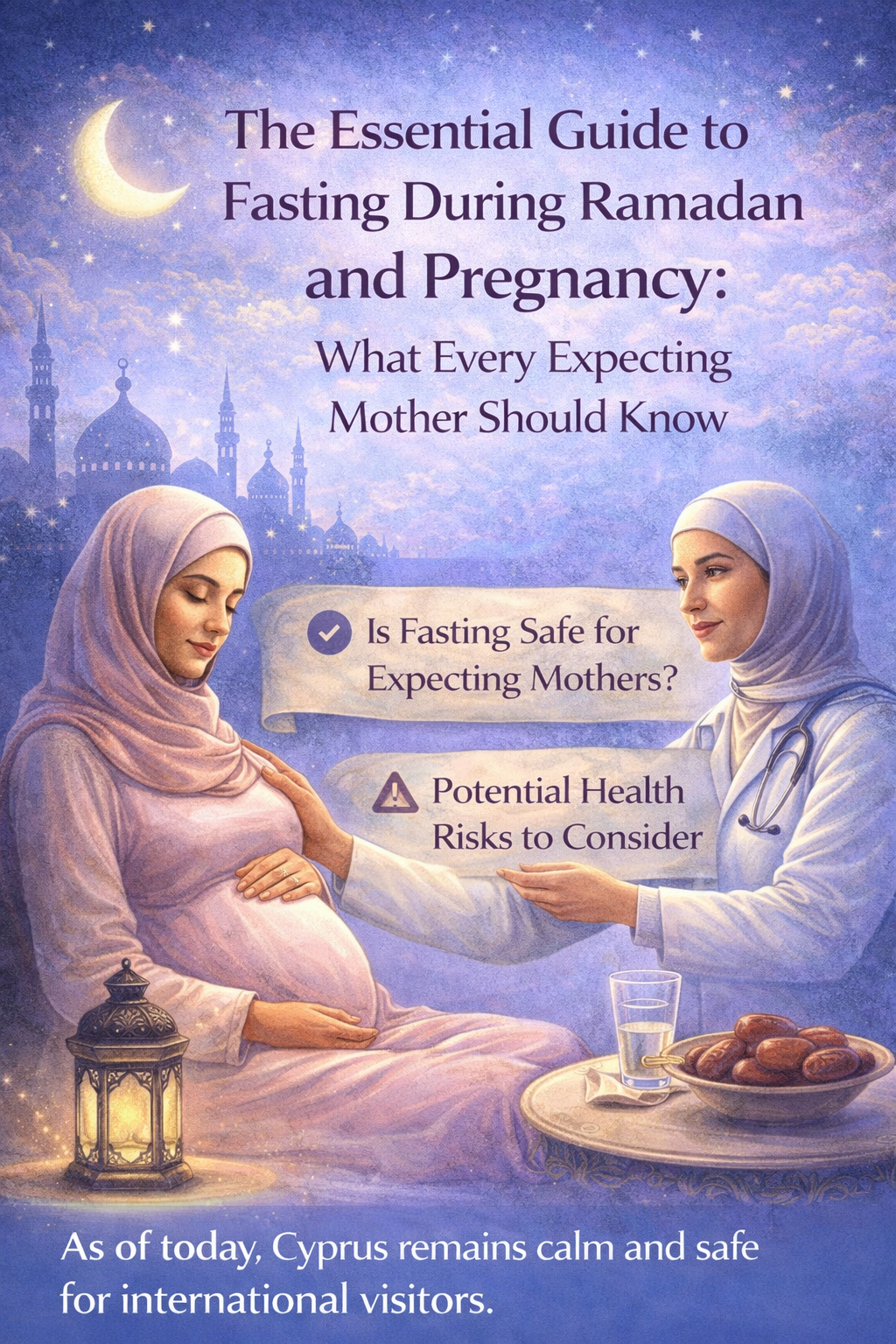
Ramadan is a deeply meaningful time for millions of Muslims around the world. It is a month of spiritual reflection, prayer, and fasting from sunrise to sunset. However, for women who are pregnant, an important question often arises: Can fasting during Ramadan and pregnancy safely go hand in hand?
The answer is not always simple. While some pregnant women may be able to fast safely under certain conditions, medical professionals generally recommend careful evaluation before making this decision. Every pregnancy is unique, and fasting may affect women and babies differently depending on several factors such as health status, stage of pregnancy, and overall nutrition.
Understanding the potential effects of fasting during pregnancy can help expectant mothers make informed choices during Ramadan.
Religious Considerations During Pregnancy
In Islam, the health of the mother and the baby is considered extremely important. Islamic teachings provide flexibility for those who may face health challenges during fasting.
Pregnant women are among those who may be exempt from fasting if it could cause harm or difficulty. Instead, many scholars advise making up the missed fasts later or providing charitable compensation (fidya), depending on individual circumstances.
This religious flexibility allows women to prioritize their health and the health of their unborn child.
How Fasting Affects the Body During Pregnancy
During pregnancy, a woman’s body undergoes major physiological changes. Energy demands increase as the body supports the growth and development of the baby.
When fasting for long hours without food or water, several changes may occur:
-
Blood sugar levels may drop
-
Dehydration risk may increase
-
Fatigue may become more pronounced
-
Nutrient intake may become limited
While healthy adults often adapt well to fasting, pregnancy places additional nutritional demands on the body that can make fasting more challenging.
The Stage of Pregnancy Matters
The effects of fasting can vary depending on the trimester.
First Trimester
During early pregnancy, women often experience nausea, vomiting, and fatigue. Fasting during this period may worsen symptoms and make it difficult to maintain adequate nutrition.
Second Trimester
Some women feel physically stronger during the second trimester, which may make fasting more manageable for certain individuals. However, hydration and balanced meals remain essential.
Third Trimester
In later pregnancy, energy needs increase significantly as the baby grows rapidly. Dehydration and reduced calorie intake may affect maternal energy levels and fetal development.
Because each stage presents different physiological demands, doctors often recommend individualized medical advice.
Potential Risks to Be Aware Of
Although many pregnancies progress normally during Ramadan, certain risks should be considered when fasting.
Possible concerns include:
-
Dehydration, particularly in warm climates or long fasting hours
-
Low blood sugar levels, which may cause dizziness or weakness
-
Reduced fetal growth if nutrition becomes insufficient
-
Increased fatigue or difficulty maintaining daily activities
Women with high-risk pregnancies, gestational diabetes, anemia, or previous pregnancy complications are generally advised not to fast.
Signs That Fasting May Not Be Safe
If a pregnant woman chooses to fast, it is important to monitor how the body responds.
Fasting should be stopped immediately if the following symptoms occur:
-
Severe dizziness or fainting
-
Persistent headaches
-
Reduced fetal movement
-
Strong dehydration symptoms
-
Unusual abdominal pain
These signs may indicate that the body needs nourishment and hydration.
Tips for Pregnant Women Who Choose to Fast
For women who decide to fast after consulting with their doctor, several precautions may help support a healthier experience.
Prioritize Hydration
Drink plenty of fluids between iftar (breaking the fast) and suhoor (pre-dawn meal) to prevent dehydration.
Eat Nutrient-Dense Foods
Balanced meals should include:
-
Lean proteins
-
Whole grains
-
Healthy fats
-
Fruits and vegetables
Avoid Sugary Foods
Foods high in sugar can cause rapid blood sugar spikes followed by energy crashes.
Rest When Possible
Pregnancy already requires extra energy, so adequate rest during the day is important.
Consulting a Doctor Is Crucial
Before fasting during Ramadan, pregnant women should speak with their healthcare provider. A doctor can assess important factors such as:
-
Maternal weight and nutrition
-
Blood pressure
-
Blood sugar levels
-
Pregnancy progress
-
Any underlying medical conditions
This professional guidance helps determine whether fasting is safe for the individual pregnancy.
Final Thoughts
Ramadan is a spiritually powerful time, but pregnancy introduces additional physical considerations. While some women may be able to fast safely under medical supervision, others may find that fasting places unnecessary strain on their bodies.
Islam allows flexibility in situations where health may be affected, emphasizing compassion and well-being.
Ultimately, the most important priority during pregnancy is the health of both mother and baby. By consulting healthcare professionals and listening carefully to their bodies, expectant mothers can make the best decision for their personal situation during this special month.
Get in Touch with Our Clinics:
Cyprus Crown IVF Contact: https://en.cypruscrownivf.com/contact
Cyprus American IVF Contact: https://www.cyprusamericanivf.com/contact-us/
Dr. Halil Ibrahim Tekin (Dr. HIT) Youtube: https://www.youtube.com/@dr.halilibrahimtekin1715
Cyprus American IVF Youtube: https://www.youtube.com/@AmerikanTupBebekMerkezi
Clavis Fertility Centre: https://www.clavisfertilitycenter.com