One of the most common concerns patients have when considering egg donation is whether the mother who carries the pregnancy has any biological influence on the child. Many people assume that if the egg comes from a donor, the baby will share zero biological connection with the woman who carries the pregnancy.
Modern research in epigenetics shows that this assumption is not entirely accurate. While the baby’s DNA sequencecomes from the egg donor and sperm provider, the gestational mother plays a powerful biological role in how those genes are expressed during pregnancy.
What Is Epigenetics?
Epigenetics refers to biological mechanisms that control how genes are turned on or off without changing the DNA sequence itself. Epigenetics
In other words:
-
Genetics = the DNA blueprint
-
Epigenetics = how the blueprint is used
Epigenetic regulation works through several mechanisms, including:
-
DNA methylation
-
Histone modification
-
microRNA signaling
These mechanisms control how cells interpret genetic instructions.
During pregnancy, many of these epigenetic signals come directly from the maternal environment inside the uterus.
The Role of the Gestational Mother
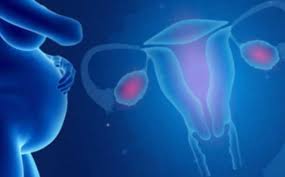
When an embryo is transferred into the uterus during IVF with donor eggs, the developing embryo begins interacting immediately with the mother’s body.
The uterine environment provides:
-
Hormones
-
Nutrients
-
Immune signals
-
Oxygen supply
-
Metabolic signals
These factors influence how the embryo’s genes are activated during development.
Researchers often describe this as maternal–fetal epigenetic communication, where the mother’s biological environment helps guide fetal growth.
A review on maternal–fetal epigenetic interactions explains that signals from the mother’s environment regulate gene expression in the developing fetus and placenta.
The Placenta: A Major Epigenetic Interface
One of the most important organs involved in epigenetic regulation during pregnancy is the placenta.
The placenta acts as a biological communication bridge between the mother and the developing fetus.
Research has shown that epigenetic processes in the placenta transmit maternal signals that influence fetal development, including growth patterns and brain development.
These signals include:
-
Nutrient availability
-
Maternal hormones
-
Oxygen levels
-
Environmental exposures
Through these pathways, the gestational mother contributes to how the baby develops in the womb.
Evidence From Egg Donation and ART Studies
Several studies examining pregnancies from IVF and egg donation have demonstrated that epigenetic processes can influence gene expression in the developing fetus.
For example:
Study: Nuzzo et al., 2025
A study examining assisted reproductive technology pregnancies found that epigenetic mechanisms such as DNA methylation influence gene expression involved in placental blood vessel formation.
These epigenetic changes can affect:
-
Placental development
-
Fetal growth
-
Pregnancy outcomes
Because these processes occur within the mother’s uterus, the gestational mother contributes biologically to how the embryo develops.
How the Mother’s Lifestyle Influences Gene Expression
Epigenetic research also shows that a mother’s lifestyle during pregnancy can influence fetal gene activity.
Factors that may affect epigenetic signals include:
-
Diet and nutrient intake
-
Stress levels
-
Exposure to toxins
-
Smoking or alcohol
-
Physical health
Studies indicate that maternal nutrition and environmental exposures can alter DNA methylation patterns in the fetus, potentially influencing long-term health.
This is one reason why prenatal care focuses heavily on maternal health and lifestyle.
Can Epigenetics Affect the Baby’s Traits?
Epigenetic influence does not change the child’s inherited DNA, but it can influence how genes function.
Some research suggests that maternal epigenetic signals may affect:
-
metabolism
-
immune system development
-
neurological development
-
disease susceptibility later in life
There is also evidence suggesting that babies born through egg donation can share similar gene expression patterns with their gestational mothers, highlighting the biological influence of the pregnancy environment.
Genetics vs Epigenetics: What Actually Comes From Each Parent?
| Source | Contribution |
|---|---|
| Egg donor | 50% of DNA |
| Sperm provider | 50% of DNA |
| Gestational mother | Epigenetic gene regulation + prenatal environment |
This means that while the gestational mother does not contribute the DNA sequence itself, she still plays a major biological role in shaping the baby’s development.
What Science Still Does Not Fully Know
Although epigenetic research has advanced significantly, scientists acknowledge that the field is still evolving.
Researchers are still studying:
-
How strong epigenetic influences are
-
Which traits are most affected
-
How long these effects persist into adulthood
Experts note that the study of epigenetics in donor-conceived children is still developing, and more long-term research is needed.
The Takeaway from Epigenetics
Egg donation changes the genetic origin of the egg, but it does not remove the biological role of the mother carrying the pregnancy.
Through epigenetic processes, the gestational mother:
-
influences how genes are expressed
-
shapes the prenatal environment
-
contributes to fetal development
In modern reproductive science, motherhood is therefore understood as both genetic and biological.
The DNA blueprint may come from the egg donor and sperm provider, but the mother’s body actively participates in shaping how that blueprint becomes a human life.
Get in Touch with Our Clinics:
Cyprus Crown IVF Contact: https://en.cypruscrownivf.com/contact
Cyprus American IVF Contact: https://www.cyprusamericanivf.com/contact-us/
Dr. Halil Ibrahim Tekin (Dr. HIT) Youtube: https://www.youtube.com/@dr.halilibrahimtekin1715
Cyprus American IVF Youtube: https://www.youtube.com/@AmerikanTupBebekMerkezi
Clavis Fertility Centre: https://www.clavisfertilitycenter.com