General

Building Hope Without Borders: Fertility Solutions’ Bold Vision for 2026

Fertility Solutions was born from a simple but powerful belief: creating a family should never be a privilege reserved for the wealthy. What began as a shared concern between two siblings has grown into an international mission to make fertility care more accessible, transparent, and human.

How It All Started

In 2022, siblings Ata Tekin and Nil Tekin were living in Vancouver, Canada, when they began researching IVF and fertility treatments more deeply. What they discovered was striking: the cost of creating a family in North America had reached levels that were simply out of reach for many hopeful parents.

At the same time, North America faces an aging population, with declining birth rates becoming a growing social and economic concern. Reproduction is not only a personal dream—it is a societal necessity. Ata and Nil asked a simple question:
Why should people have to pay extraordinary amounts of money just to have children?

That question became the foundation of Fertility Solutions.


Discovering North Cyprus: The Turning Point

After extensive research across Europe, Fertility Solutions identified North Cyprus as one of the most optimal destinations for fertility treatment—offering high medical standards, competitive pricing, and relaxed legal frameworks, all within a peaceful Mediterranean environment.

The first clinic added to the Fertility Solutions roster was Cyprus Crown IVF Centre, led by Dr. Halil Ibrahim Tekin, widely known as Dr. HIT.

Dr. HIT opened the first IVF clinic in Nicosia in 1999, making him one of the most experienced fertility doctors in the region. His decades of expertise, exceptional success rates, and meticulous embryology standards made Cyprus Crown IVF a natural cornerstone for Fertility Solutions.


Healing Beyond Medicine: Why Cyprus Matters

Cyprus offers more than advanced medical care—it offers emotional healing.

Scientific studies consistently show that lower stress levels can positively influence fertility outcomes. The Mediterranean climate, access to fresh natural foods, proximity to the sea, and slower pace of life all help reduce cortisol levels and anxiety. Sun exposure supports vitamin D production, which has been linked in several studies to improved reproductive health.

For many patients, Cyprus transforms IVF from a clinical struggle into a calmer, more hopeful journey.


Expanding Expertise and Technology

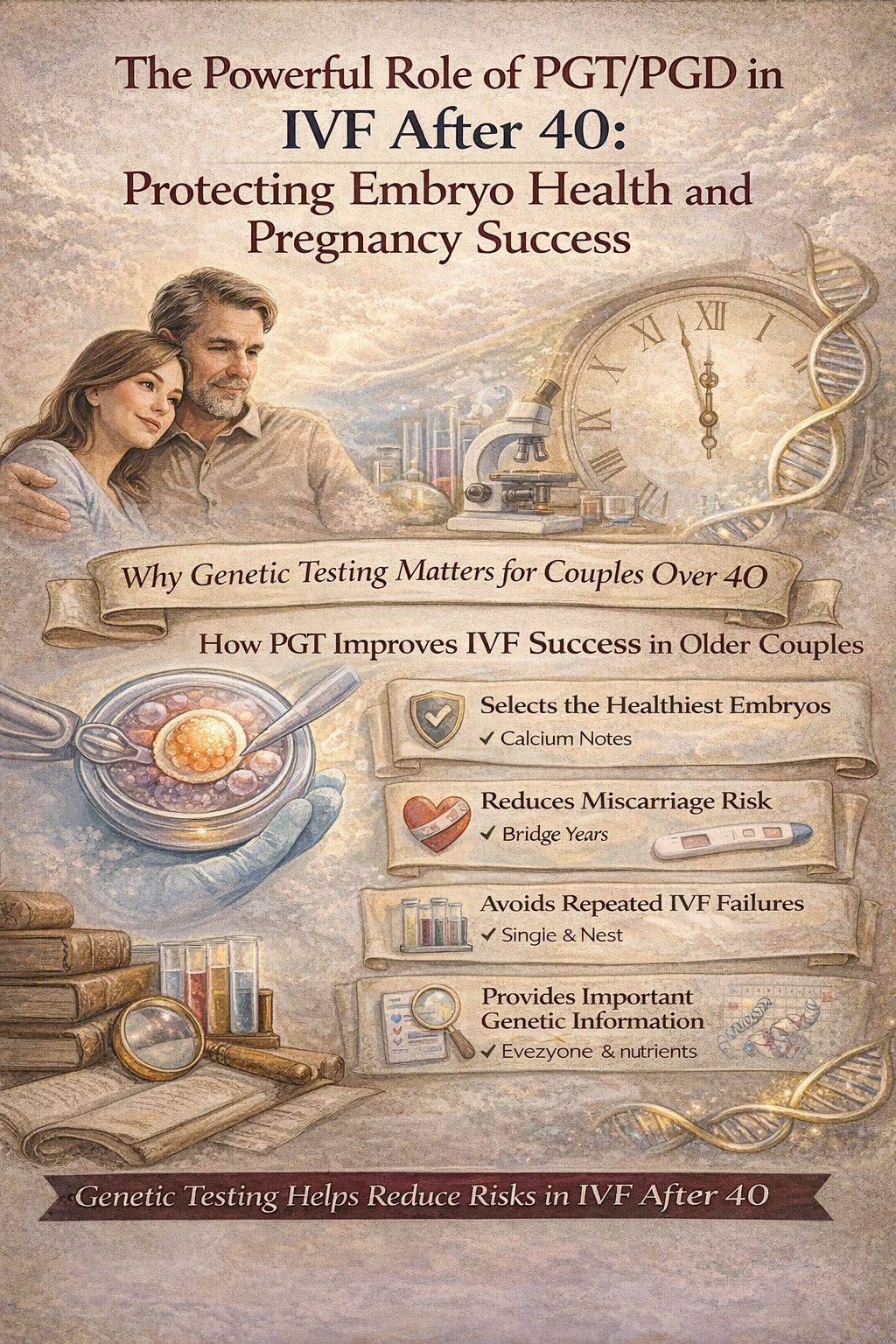
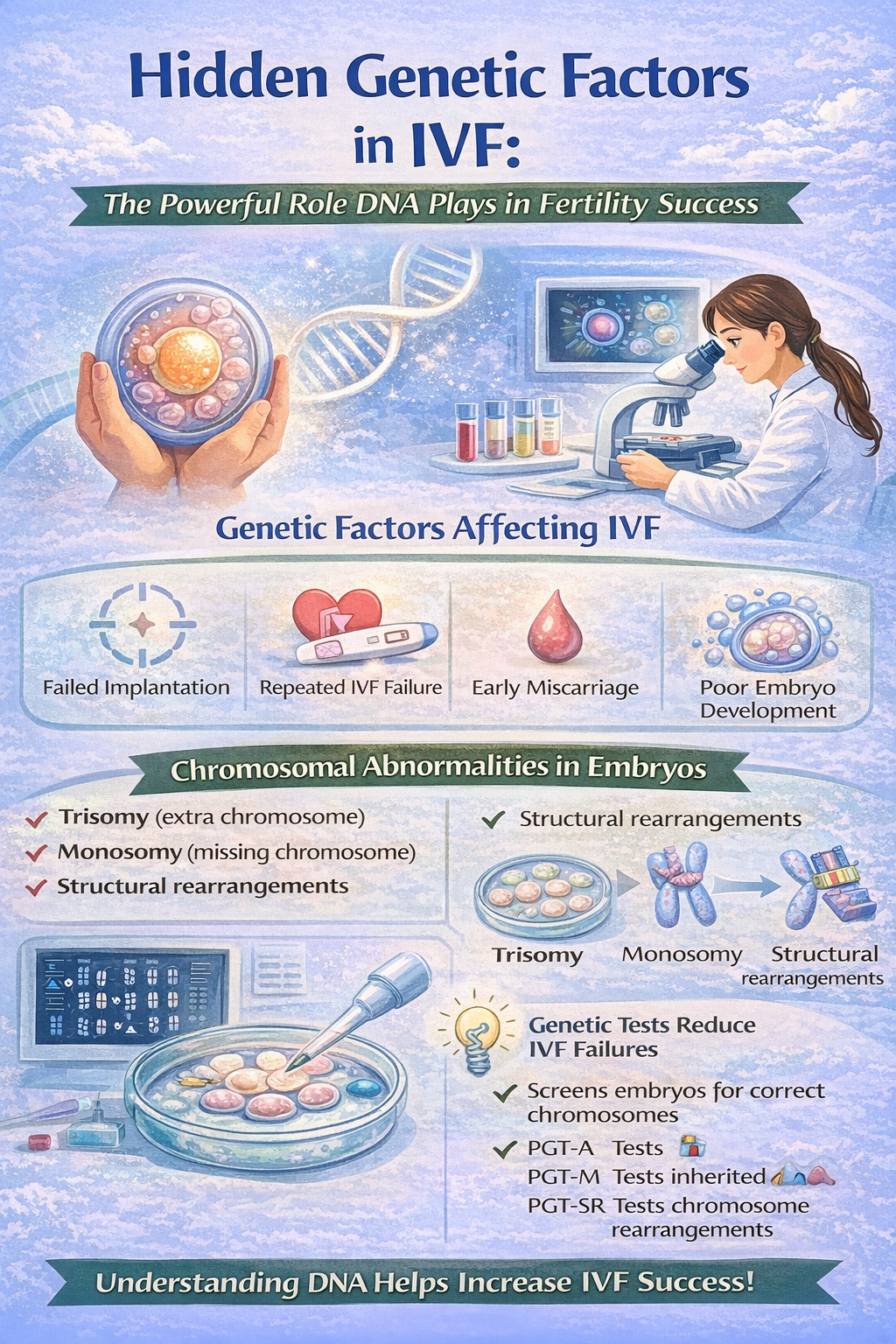
As Fertility Solutions grew, it added Cyprus American IVF to its network. Together, these clinics offer advanced genetic technologies such as NGS (Next Generation Sequencing) and FISH.

NGS, in particular, has become one of the most reliable tools in modern IVF. It allows embryologists to examine all chromosomes in an embryo with high precision, helping identify chromosomal abnormalities and improving implantation rates—especially for patients with recurrent IVF failure or miscarriage history.


Reaching Europe Through Language and Trust

After successfully supporting many patients from North America, Fertility Solutions set its sights on Europe. This transition was seamless thanks to highly skilled multilingual patient coordinators at partner clinics, enabling communication in multiple languages and cultures.

Trust, clarity, and empathy became the brand’s strongest assets.


Welcoming Clavis IVF: Empowering Women in Fertility Care

In 2025, Fertility Solutions carefully evaluated and partnered with Clavis IVF, led by Dr. Selen Eçemiş.

Dr. Eçemiş is widely respected for her advanced medical knowledge, international training, and excellent command of English. Clavis IVF has quickly gained attention for its female-led team, something especially important for families who prefer a female doctor during examinations.

With a 5.0-star Google rating, a predominantly female staff, and a strong emphasis on patient comfort, Clavis IVF represents not only medical excellence—but also female empowerment in reproductive healthcare.


Looking Ahead: Fertility Solutions’ Goals for 2026

As Fertility Solutions moves into 2026, its core mission remains unchanged:
to help families achieve their dream of parenthood—without financial barriers.

Key goals include:

  • Supporting a greater number of international patients

  • Raising global awareness of affordable, high-quality fertility care

  • Expanding multilingual patient support

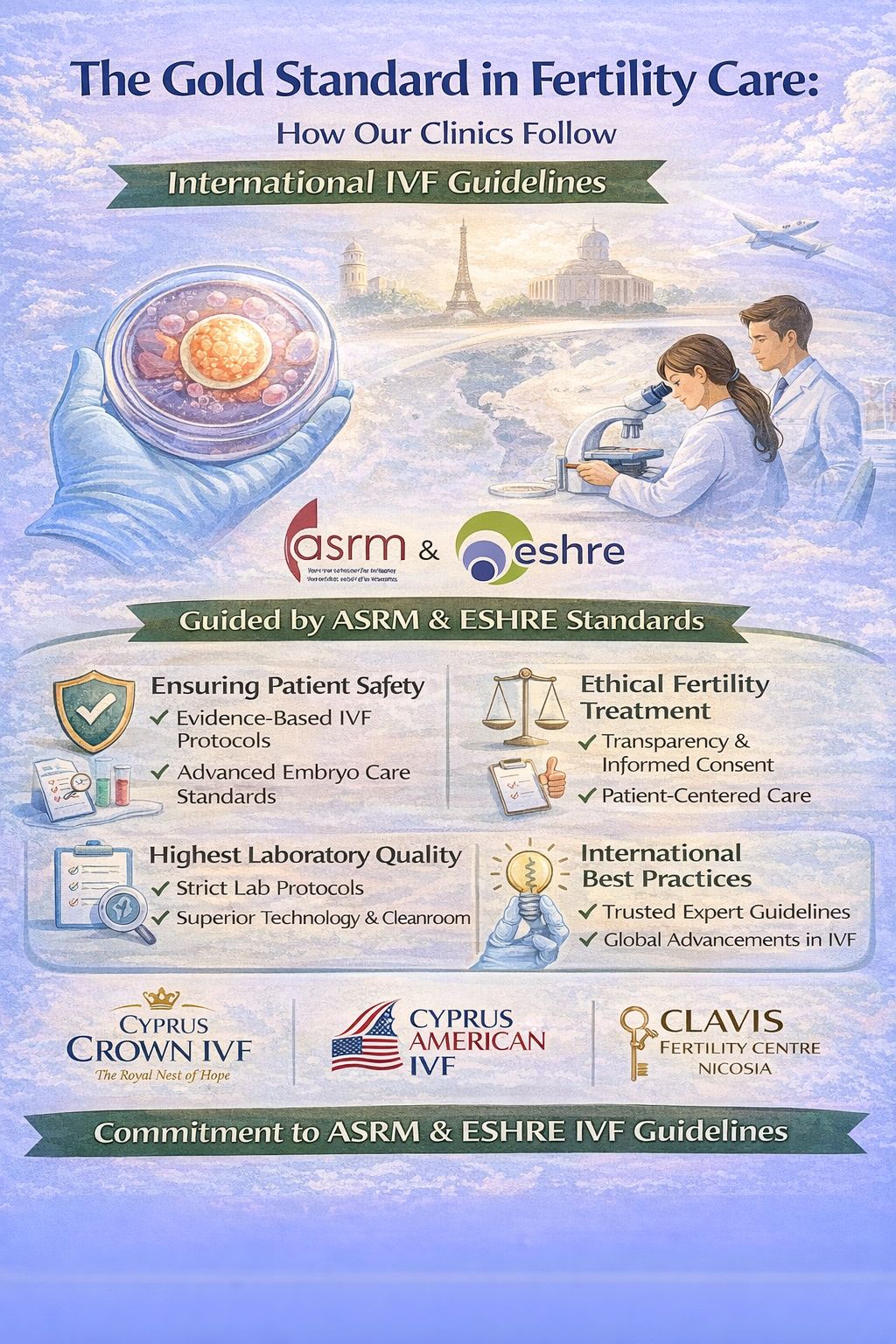
  • Partnering with clinics that meet the highest ethical and medical standards

One of the most exciting milestones ahead is the near completion of Dr. HIT Fertility Center—set to become the largest fertility clinic in Europe, and possibly the world.

This next-generation facility will be:

  • Environmentally friendly, powered by solar energy

  • Designed to meet the highest cleanliness and quality standards

  • Equipped to host specialists from around the world

  • Positioned to compete for top international healthcare awards


A Heartfelt Thank You

Fertility Solutions would like to sincerely thank every patient who trusted us in 2025. Your journeys, courage, and dreams are the reason we continue to grow.

As we move into 2026, we remain committed to one promise:
No dream of parenthood should be limited by geography or cost.

And this is only the beginning.

For any of your fertility problems, please do not hesitate to contact us. At Fertility Solutions we pride ourselves with the excellent tailored personal care we provide to our patients for their specific needs. A team member will contact you as soon as we get your message, and construct a personal treatment plan for your fertility problems in the country of Cyprus. You can also contact our clinics directly through the links below.

Get in Touch with Our Clinics:

Cyprus Crown IVF Contact: https://en.cypruscrownivf.com/contact

Cyprus American IVF Contact: https://www.cyprusamericanivf.com/contact-us/

Dr. Halil Ibrahim Tekin  (Dr. HIT) Youtube: https://www.youtube.com/@dr.halilibrahimtekin1715

Cyprus American IVF Youtube: https://www.youtube.com/@AmerikanTupBebekMerkezi

Clavis Fertility Centre: https://www.clavisfertilitycenter.com

General

Debunking the Myth: The Truth About IUDs, Risks, and Fertility

Intrauterine devices (IUDs) are among the most effective and widely used forms of contraception worldwide. Despite their popularity, many women still worry about one important question: Can an IUD cause infertility?

This concern is understandable. Misinformation, outdated medical beliefs, and fear-based stories have caused confusion for years. The truth, however, is far more reassuring. Modern medical evidence shows that Intrauterine devices do not cause infertility when used correctly and monitored appropriately.

Let’s break down how IUDs work, their risks, and what science actually says about fertility.


What Is an IUD?

An Intrauterine device is a small, T-shaped device inserted into the uterus to prevent pregnancy. There are two main types:

  • Copper IUD – Uses copper to create an environment that is toxic to sperm

  • Hormonal IUD – Releases a small amount of progestin to thicken cervical mucus and thin the uterine lining

Both types are long-acting, reversible contraceptives (LARCs) and can prevent pregnancy for 3 to 10 years, depending on the device.


Why Do People Think IUDs Cause Infertility?

The fear that Intrauterine devices cause infertility dates back to the 1970s, when an unsafe device called the Dalkon Shield caused serious infections. That product was removed decades ago, but the myth remained.

Modern IUDs are entirely different—they are rigorously tested, medically regulated, and widely recommended by gynecologists and fertility specialists worldwide.


Do IUDs Actually Cause Infertility?

No.
Extensive research shows that Intrauterine devices do not increase the risk of infertility.

Once an Intrauterine device is removed, fertility typically returns immediately or within the next menstrual cycle. Many women conceive naturally within months after removal, even after years of use.

Studies comparing women who used Intrauterine devices to those who used other contraceptive methods show no difference in long-term fertility outcomes.


What Are the Real Risks of IUDs?

Like any medical procedure, Intrauterine devices carry some risks—but they are rare and manageable when insertion is performed by a trained professional.

1. Infection (Very Rare)

The risk of pelvic infection is highest within the first 20 days after insertion and is usually linked to an existing, untreated sexually transmitted infection (STI), not the IUD itself.

Routine screening before insertion significantly reduces this risk.

2. Expulsion

In a small percentage of cases (2–10%), the IUD may partially or fully expel, especially in the first few months. This does not affect fertility but may reduce contraceptive effectiveness.

3. Perforation (Extremely Rare)

Uterine perforation occurs in fewer than 1 in 1,000 insertions and is typically identified early. When treated properly, it does not cause infertility.

4. Heavier Periods (Copper IUD)

Some women experience heavier or more painful periods with copper IUDs, particularly during the first months. This is not harmful to fertility but may affect comfort.


Can an IUD Affect IVF or Future Fertility Treatment?

No.
An Intrauterine device does not damage the uterus, ovaries, or fallopian tubes. Once removed, it does not interfere with:

  • IVF treatment

  • Egg quality

  • Embryo implantation

  • Hormonal response

In fact, many women who later pursue IVF have previously used IUDs without any negative impact on outcomes.


When Fertility Issues Are NOT Caused by the IUD

If infertility is discovered after IUD use, the cause is usually unrelated and may include:

  • Endometriosis

  • Polycystic ovary syndrome (PCOS)

  • Tubal blockage from untreated infections

  • Age-related egg quality decline

  • Male factor infertility

The timing can make it feel like the IUD is responsible, but medically, it is not the cause.


Who Should Be Cautious With an IUD?

While Intrauterine devices are safe for most women, they may not be ideal for those with:

  • Active pelvic infections

  • Untreated STIs

  • Certain uterine abnormalities

  • Unexplained abnormal bleeding

A proper gynecological evaluation ensures the right contraceptive choice.


The Bottom Line

Intrauterine devices are one of the safest, most effective, and most reversible contraceptive options available today. They do not cause infertility, do not harm future pregnancy chances, and do not interfere with IVF or assisted reproductive treatments.

For women planning to conceive in the future, an Intrauterine device can be a reliable and worry-free choice—when inserted and monitored correctly.

If you’re considering an Intrauterine device or planning fertility treatment later, speaking with a fertility-aware gynecologist can help you make an informed, confident decision.

For any of your fertility problems, please do not hesitate to contact us. At Fertility Solutions we pride ourselves with the excellent tailored personal care we provide to our patients for their specific needs. A team member will contact you as soon as we get your message, and construct a personal treatment plan for your fertility problems in the country of Cyprus. You can also contact our clinics directly through the links below.

Get in Touch with Our Clinics:

Cyprus Crown IVF Contact: https://en.cypruscrownivf.com/contact

Cyprus American IVF Contact: https://www.cyprusamericanivf.com/contact-us/

Dr. Halil Ibrahim Tekin  (Dr. HIT) Youtube: https://www.youtube.com/@dr.halilibrahimtekin1715

Cyprus American IVF Youtube: https://www.youtube.com/@AmerikanTupBebekMerkezi

Clavis Fertility Centre: https://www.clavisfertilitycenter.com


General

Unlocking IVF Success: How the EMMA Test Transforms Embryo Implantation Potential

In modern fertility treatment, success is no longer based solely on egg quality, sperm health, or embryo development. Today, specialists understand that the uterine environment, especially the endometrial microbiome, plays a crucial role in whether an embryo implants successfully. One breakthrough tool helping doctors evaluate this hidden factor is the EMMA Test—a powerful diagnostic innovation that can significantly improve IVF outcomes for selected patients.

The EMMA Test (Endometrial Microbiome Metagenomic Analysis) analyzes the bacterial environment inside the uterus to determine whether it is optimal for embryo implantation. Since a healthy endometrial microbiome is essential for achieving pregnancy, this test allows fertility specialists to personalize treatment more precisely than ever before.


What Is the EMMA Test?

The EMMA Test is an advanced genetic analysis that examines the types and proportions of bacteria present in the endometrium. Scientists now know that the uterus contains its own microbiome—much like the gut or skin—made up of both beneficial and potentially harmful bacteria.

The most important “good bacteria” in the uterus are Lactobacillus species, which help create a stable, supportive environment for embryo implantation. Studies have shown that women with a Lactobacillus-dominant microbiomehave higher IVF success rates.

The EMMA Test provides:

  • A complete profile of all endometrial bacteria

  • The percentage of healthy Lactobacillus

  • Identification of harmful or imbalanced bacteria

  • Recommendations for antibiotics, probiotics, or personalized treatment

  • Guidance on when to perform embryo transfer for the best outcome

This level of detail is something standard examinations cannot reveal, making EMMA one of the most valuable tools for complex or repeated IVF cases.


Why the Endometrial Microbiome Matters

Even a perfect embryo can fail to implant if the uterine environment is not receptive. Factors such as inflammation, infection, or microbial imbalance can disturb the endometrium, making implantation more difficult.

A healthy microbiome helps:

  • Reduce inflammation

  • Strengthen the endometrial lining

  • Improve immune tolerance

  • Support embryo adhesion

  • Increase chances of ongoing pregnancy

When the microbiome becomes unbalanced—called dysbiosis—the risk of implantation failure increases significantly. This is especially important for women who have experienced:

  • Recurrent implantation failure

  • Miscarriages

  • Chronic endometritis

  • Unexplained infertility

For these patients, the EMMA Test provides valuable clarity.


How the EMMA Test Works

The test is simple, minimally invasive, and typically performed during a mock embryo transfer cycle. A small sample of endometrial tissue is collected using a thin catheter in a procedure similar to an endometrial biopsy.

The sample is then analyzed using next-generation sequencing (NGS) technology. This identifies and quantifies bacteria at a molecular level, providing a precise picture of the microbiome.

Results usually include:

  • Percentage of Lactobacillus dominance

  • Presence of pathogenic bacteria

  • Balance between beneficial and harmful species

  • Recommended treatment plan for correction

  • Suggested timing for embryo transfer

For many patients, the most impactful change is identifying an infection that had previously gone undetected.


EMMA, ERA, and ALICE: A Complete View of the Uterus

The EMMA Test is often performed alongside two other advanced tools:

  • ERA Test (Endometrial Receptivity Analysis): Determines the exact window of implantation

  • ALICE Test: Detects chronic endometritis and harmful bacteria

Together, these tests give a full picture of:

  1. When the uterus is ready

  2. Whether the environment is healthy

  3. What needs to be corrected before embryo transfer

Clinics offering personalized medicine often use EMMA + ERA + ALICE to maximize the success potential of each IVF cycle.


Who Should Consider the EMMA Test?

While not necessary for every IVF patient, the EMMA Test is particularly valuable for:

  • Women with repeated failed IVF transfers

  • Patients with unexplained infertility

  • Women with recurrent miscarriage

  • Patients with suspected infections or inflammation

  • Those who want a highly personalized approach to embryo transfer

If previous cycles have failed despite good embryos, the microbiome may be the missing piece—and EMMA helps uncover it.


How EMMA Improves IVF Success

By identifying microbial imbalances and allowing doctors to correct them before transfer, EMMA increases the likelihood of:

  • Proper implantation

  • Reduced inflammation

  • Stronger endometrial receptivity

  • Higher pregnancy rates

  • Lower miscarriage risk

This transforms IVF from a standardized process into fully individualized care, improving both clinical outcomes and patient confidence.


A More Intelligent Approach to IVF

The EMMA Test represents the future of fertility medicine—where treatment is guided not only by visible factors like follicles and embryos, but also by the microscopic ecosystem that supports life itself.

For couples seeking the best chance at a successful pregnancy, especially after previous difficulties, EMMA provides groundbreaking insight and powerful direction.

For any of your fertility problems, please do not hesitate to contact us. At Fertility Solutions we pride ourselves with the excellent tailored personal care we provide to our patients for their specific needs. A team member will contact you as soon as we get your message, and construct a personal treatment plan for your fertility problems in the country of Cyprus. You can also contact our clinics directly through the links below.

Get in Touch with Our Clinics:

Cyprus Crown IVF Contact: https://en.cypruscrownivf.com/contact

Cyprus American IVF Contact: https://www.cyprusamericanivf.com/contact-us/

Dr. Halil Ibrahim Tekin  (Dr. HIT) Youtube: https://www.youtube.com/@dr.halilibrahimtekin1715

Cyprus American IVF Youtube: https://www.youtube.com/@AmerikanTupBebekMerkezi

Clavis Fertility Centre: https://www.clavisfertilitycenter.com
General

Meet Dr. Selen Eçemiş: The Exceptional Fertility Expert Leading Clavis IVF in North Cyprus

When choosing a fertility doctor, experience, compassion, and scientific excellence make all the difference. Dr. Selen Sakar Eçemiş, the leading physician of Clavis IVF in North Cyprus, embodies these qualities with a career spanning more than two decades in obstetrics, gynecology, reproductive medicine, and IVF. Today, she is recognized as one of the region’s most dedicated specialists, bringing high-level expertise and a patient-centered approach to every treatment plan.

At Fertility Solutions, we are proud to announce that Clavis IVF and Dr. Selen Eçemiş are now part of our trusted clinic roster, offering our patients another outstanding option for personalized, modern fertility care on the island.


A Strong Academic Foundation

Dr. Selen Eçemiş was born on February 8, 1975, in Adana, Turkey. Her academic journey began at the prestigious Tarsus American College, where she completed her secondary education between 1986 and 1993. That same year, she entered Marmara University Faculty of Medicine (English Program), one of Turkey’s leading medical schools.

She graduated in 1999 with top honors, ranking seventh in her class — a reflection of her focus and passion for women’s health from the very beginning.


Training Across Top Hospitals in Turkey

After completing medical school, Dr. Eçemiş passed the competitive Tıpta Uzmanlık Sınavı (TUS) and began her specialization in Radiology at Istanbul University Cerrahpaşa Medical Faculty. Her path soon led her to follow her true passion: obstetrics and gynecology.

She completed her specialty training at Istanbul Göztepe Training and Research Hospital, where her thesis examined:
“The effect of vaginal delivery on bladder neck mobility and stress urinary incontinence evaluated by perineal ultrasonography.”
This early research showcased her interest in pelvic anatomy, imaging, and women’s functional health — knowledge that later strengthened her approach to reproductive medicine.


From Public Service to Private IVF Excellence

In 2007, Dr. Eçemiş completed her government service at Kilis State Hospital, then transitioned to leading IVF centers in Turkey:

  • Bahçeci Women’s Health and IVF Clinic

  • German Hospital Obstetrics & IVF Unit

  • Koşuyolu Umut IVF Center

Between 2009 and 2010, she further advanced her training by completing the prestigious Reproductive Assisted Treatment Methods Certification Program at Ankara University IVF Training Center — one of the most respected ART programs in the country.

Her career continued at major institutions including:

  • Adana BSK Metropark Hospital

  • Istanbul Medipol Hospital

  • Kadıköy Şifa Hospital, where she served as the physician responsible for Reproductive Health and IVF

  • Bahçeci Health Group Umut IVF Center, where she served as Obstetrics & Gynecology Specialist and Medical Director beginning in 2014

By June 2021, after years of academic development, clinical leadership, and international training, Dr. Eçemiş opened her own independent practice — a move that ultimately led to the foundation of Clavis IVF.


A Physician With International Perspective

Dr. Eçemiş has attended dozens of international symposiums and congresses, including multiple ESHRE (European Society of Human Reproduction and Embryology) meetings across Europe.

In addition, she trained in gynecologic laparoscopy at the European Institute of Telesurgery (IRCAD) in Strasbourg, France, where she earned her certification in Minimal Access Surgery.

Her global training allows her to bring the latest international standards into her own IVF practice.


Scientific Contributions and Research

Throughout her career, Dr. Eçemiş has authored numerous scientific publications in areas such as:

  • Leiomyomas and pelvic reconstructive surgery

  • Preeclampsia and uterine artery Doppler

  • Maternal mortality analysis

  • Cervical pathologies

  • Intestinal tuberculosis imaging

  • Prenatal diagnosis of congenital anomalies

  • Emergency peripartum hysterectomy

She has also taken part in oral presentations and poster sessions at national and international gynecology and IVF congresses, demonstrating her commitment to advancing women’s health.


Clavis IVF: Modern, Patient-Focused Fertility Care in North Cyprus

Clavis IVF, under Dr. Selen Eçemiş’s leadership, offers:

  • State-of-the-art embryology labs

  • Personalized IVF and ICSI treatment plans

  • Advanced ultrasound and diagnostic capability

  • Fertility preservation options

  • Warm, supportive patient communication

Dr. Eçemiş’s calm, confident approach makes patients feel understood, cared for, and empowered throughout their fertility journey.

She is also a wife and the mother of two children — a personal experience that deepens her empathy and passion for helping families grow.


Fertility Solutions Welcomes Dr. Selen Eçemiş to Our Trusted Network

As Fertility Solutions expands its partnerships to serve patients from around the world, we are proud to include Clavis IVF and Dr. Selen Eçemiş as a leading option for:

  • Women seeking personalized, gentle care

  • Couples wanting a modern, spacious IVF facility

  • Patients who prefer a female fertility specialist

  • Individuals looking for treatment in North Cyprus with exceptional success rates

Our team is ready to connect patients directly with Dr. Eçemiş and her clinic whenever they choose Clavis IVF as their preferred center.


A Leader, A Researcher, and a Compassionate Clinician

With her extensive academic background, international training, surgical skills, and deep commitment to women’s health, Dr. Selen Eçemiş represents the new generation of IVF excellence in North Cyprus.

At Clavis IVF, Dr. Selen Ecemiş blends scientific precision with heartfelt, patient-centered care — helping individuals and families take their next steps toward parenthood with confidence.

For any of your fertility problems, please do not hesitate to contact us. At Fertility Solutions we pride ourselves with the excellent tailored personal care we provide to our patients for their specific needs. A team member will contact you as soon as we get your message, and construct a personal treatment plan for your fertility problems in the country of Cyprus. You can also contact our clinics directly through the links below.

Get in Touch with Our Clinics:

Cyprus Crown IVF Contact: https://en.cypruscrownivf.com/contact

Cyprus American IVF Contact: https://www.cyprusamericanivf.com/contact-us/

Dr. Halil Ibrahim Tekin  (Dr. HIT) Youtube: https://www.youtube.com/@dr.halilibrahimtekin1715

Cyprus American IVF Youtube: https://www.youtube.com/@AmerikanTupBebekMerkezi

Clavis Fertility Centre: https://www.clavisfertilitycenter.com

General

IVF Then & Now: From a Daring Idea to a Global Pathway to Parenthood

When the world welcomed Louise Brown in 1978—the first baby conceived through in-vitro fertilization (IVF)—reproductive medicine crossed from hopeful theory into life-changing reality. In the decades since, IVF has grown from a pioneering experiment into a trusted global treatment helping millions of families. Today, advances in genetics, lab science, and cryobiology continue to push success rates higher while making the process safer and more individualized.

How IVF Began

The principle of IVF is beautifully simple: retrieve mature eggs from the ovaries, fertilize them with sperm in a carefully controlled laboratory, and transfer one healthy embryo back to the uterus. Early researchers spent years learning how to replicate the body’s natural conditions outside of it—hence the Latin term in vitro (“in glass”).

After Louise Brown’s birth, IVF rapidly spread worldwide. By 1981, clinics in the United States had joined the effort, and through the 1980s and 1990s improvements in ovarian stimulation, embryo transfer, and culture media steadily boosted results.

A major milestone arrived in 1992 with intracytoplasmic sperm injection (ICSI)—the technique of injecting a single sperm directly into an egg. ICSI revolutionized treatment for severe male-factor infertility and expanded IVF’s reach to countless couples. Later innovations such as vitrification (rapid freezing of eggs and embryos) dramatically improved survival after thawing and opened doors for elective egg freezing and long-term embryo storage.

Inside the Modern IVF Laboratory

Today’s embryology labs look nothing like their early counterparts. Some of the most important advances include:

  • Time-lapse embryo imaging: Specialized incubators record embryo growth continuously without disturbing the stable environment, allowing embryologists to choose the healthiest embryos.

  • Preimplantation genetic testing (PGT): Screening embryos for chromosomal or genetic conditions can help reduce miscarriage risk and improve implantation in selected cases.

  • Personalized ovarian stimulation: Tailoring medication protocols to each woman’s hormone profile and history improves egg quality and reduces discomfort.

  • Advanced lab quality systems: Precision air filtration, pH control, and temperature regulation create ideal conditions for embryo development.

The result is a process that is both scientifically precise and more comfortable for patients than ever before.

Cyprus: A Mediterranean Fertility Hub

Over the past decade, Cyprus has emerged as a leading destination for fertility care, attracting patients from Europe, the UK, the Middle East, and North America. The island offers a welcoming atmosphere, English-speaking professionals, and highly regulated clinics equipped with cutting-edge technology—all in a relaxed Mediterranean setting.

Two clinics stand out for their strong reputations and personalized approach:

  • Cyprus Crown IVF – Led by Dr. Halil İbrahim Tekin, one of the island’s most experienced specialists, Cyprus Crown IVF is known for its high success rates and decades of dedication to fertility medicine. The clinic emphasizes patient comfort, transparency, and excellence in embryology laboratory standards.

  • Clavis Fertility Centre – Under Dr. Selen Eçemiş, this modern, purpose-built centre offers spacious facilities, attentive patient care, and a youthful energy that combines precision science with a warm, supportive environment.

Both centers serve local and international patients, providing complete IVF and ICSI programs, egg and sperm donation options, fertility preservation, and comprehensive support for travel and logistics.

The Future of IVF

Looking ahead, several exciting directions are shaping the next era of reproductive medicine:

  1. AI-enhanced embryo selection: Artificial intelligence tools are being trained to assist embryologists in identifying embryos with the highest implantation potential—always under human supervision.

  2. Evidence-based “add-ons”: The field is becoming more selective about which optional treatments truly improve outcomes, helping patients invest in interventions that matter most.

  3. Gentler stimulation protocols: Clinics increasingly use mild stimulation regimens to balance egg yield with patient comfort.

  4. Expanded fertility preservation: Egg freezing is now common for women who want flexibility in family planning.

  5. Holistic, patient-centered care: Emotional support, nutrition counseling, and mental-health guidance are becoming integral to fertility treatment plans.

Choosing the Right Clinic

Whether you’re starting IVF for the first time or exploring options abroad, look for clinics that prioritize:

  • Clear diagnostic evaluation and individualized treatment planning

  • Transparent success statistics by age and diagnosis

  • Highly trained embryologists and modern lab conditions

  • Evidence-based medical practices rather than routine “extras”

  • Compassionate patient coordination and multilingual support

These factors make a measurable difference in comfort and confidence throughout your journey.

A Hopeful Legacy

From the first IVF birth to today’s advanced laboratories in Cyprus and beyond, the progress in assisted reproduction represents one of modern medicine’s most uplifting success stories. For many hopeful parents, clinics like Cyprus Crown IVF and Clavis Fertility Centre symbolize that powerful blend of science, empathy, and dedication that turns dreams into reality.

Each embryo cultivated in these labs carries not only biological potential but the story of human perseverance—proof that, with the right care, the path to parenthood can begin in the most extraordinary way.

For any of your fertility problems, please do not hesitate to contact us. At Fertility Solutions we pride ourselves with the excellent tailored personal care we provide to our patients for their specific needs. A team member will contact you as soon as we get your message, and construct a personal treatment plan for your fertility problems in the country of Cyprus. You can also contact our clinics directly through the links below.

Get in Touch with Our Clinics:

Cyprus Crown IVF Contact: https://en.cypruscrownivf.com/contact

Cyprus American IVF Contact: https://www.cyprusamericanivf.com/contact-us/

Dr. Halil Ibrahim Tekin  (Dr. HIT) Youtube: https://www.youtube.com/@dr.halilibrahimtekin1715

Cyprus American IVF Youtube: https://www.youtube.com/@AmerikanTupBebekMerkezi

General

Vaginismus: Breaking the Silence: Understanding and Overcoming Vaginismus

Vaginismus is one of the least discussed yet most emotionally distressing conditions affecting women’s sexual health. It’s a condition surrounded by silence, shame, and misunderstanding — but it shouldn’t be. With the right diagnosis and compassionate treatment, vaginismus can be successfully overcome, allowing women to reclaim comfort, intimacy, and confidence.

What Is Vaginismus?

Vaginismus is a condition where the vaginal muscles involuntarily tighten whenever penetration is attempted. This tightening happens without a woman’s control, often making sexual intercourse painful, difficult, or even impossible. In some cases, even inserting a tampon or undergoing a gynecological examination can trigger the same reaction.

The condition is not caused by physical abnormalities in most cases. Instead, it is a reflex response — a physical manifestation of psychological, emotional, or sometimes subconscious fear or tension. The body reacts as though it’s trying to “protect” itself from pain or trauma, creating a cycle that can feel impossible to break.

Primary vs. Secondary Vaginismus

Doctors generally divide vaginismus into two types:

  1. Primary vaginismus occurs when a woman has never been able to have penetrative intercourse without pain. This is often discovered on the first attempt at intercourse, or sometimes earlier during tampon use or medical exams.

  2. Secondary vaginismus develops later in life, after a period of normal sexual function. It can be triggered by childbirth, pelvic surgery, trauma, infections, or emotional stress.

Regardless of the type, the experience can cause significant emotional strain — frustration, anxiety, guilt, and fear of rejection are common feelings that accompany the condition.

What Causes Vaginismus?

The causes are multifaceted, often involving a combination of emotional and physical factors. Some common triggers include:

  • Fear of pain or trauma: A previous painful sexual experience or negative beliefs about sex can make the body react defensively.

  • Past abuse or emotional trauma: Sexual or physical abuse, even if long past, can have a lasting impact on the body’s automatic responses.

  • Cultural or religious influences: Strict or repressive beliefs around sexuality can contribute to subconscious anxiety about sex.

  • Relationship issues: Lack of trust, unresolved conflict, or communication barriers with a partner can increase emotional tension.

  • Medical factors: Vaginal infections, endometriosis, or menopause-related dryness can create pain, which may lead to an anticipatory fear response.

Recognizing the Emotional Impact

Beyond physical discomfort, vaginismus deeply affects emotional and relational well-being. Many women blame themselves, believing they are “broken” or inadequate partners. Some couples stop attempting intimacy altogether, leading to feelings of isolation or loss of connection.

It’s important to emphasize: vaginismus is not your fault. It is a reflex of the body — one that can be understood and treated with care and patience. The first step toward healing is recognizing that this is a medical condition, not a personal failure.

Diagnosis: A Gentle and Understanding Approach

Diagnosis should always be handled with sensitivity. A gynecologist or sexual health specialist will take a detailed medical and psychological history and conduct a gentle pelvic examination, if possible. Sometimes, even the idea of an exam can provoke anxiety — a good clinician will understand this and proceed at a pace the patient feels safe with.

In many cases, the diagnosis can be made based on symptoms alone, without invasive testing. Open communication and trust between doctor and patient are essential throughout the process.

Treatment: Step by Step Toward Recovery

The good news is that vaginismus is highly treatable. A combination of physical and psychological therapies is usually most effective. Treatment may include:

  • Education and reassurance: Understanding anatomy and the body’s natural reflexes can help reduce fear.

  • Pelvic floor physiotherapy: Guided exercises teach the muscles to relax rather than contract involuntarily.

  • Gradual desensitization: Using vaginal dilators of increasing size, under supervision, helps retrain the muscles to accept penetration comfortably.

  • Counseling or sex therapy: A psychologist or sex therapist can address underlying fears, relationship issues, or trauma.

  • Partner involvement: When possible, involving the partner in therapy promotes empathy and teamwork, reducing pressure and emotional distance.

Most women who follow a structured treatment plan notice significant improvement — often complete resolution — within weeks or months.

A Message of Hope

Vaginismus can feel overwhelming, but it does not define you. Many women around the world have experienced the same struggle and emerged stronger, happier, and more confident. Healing begins with awareness and the courage to seek help.

If you or someone you love is struggling with pain during intercourse, know that help is available. Compassionate specialists and supportive treatments can restore not only physical comfort but also emotional balance and intimacy.

Breaking the silence is the first step — and once you do, healing truly begins.

For any of your fertility problems, please do not hesitate to contact us. At Fertility Solutions we pride ourselves with the excellent tailored personal care we provide to our patients for their specific needs. A team member will contact you as soon as we get your message, and construct a personal treatment plan for your fertility problems in the country of Cyprus. You can also contact our clinics directly through the links below.

Get in Touch with Our Clinics:

Cyprus Crown IVF Contact: https://en.cypruscrownivf.com/contact

Cyprus American IVF Contact: https://www.cyprusamericanivf.com/contact-us/

Dr. Halil Ibrahim Tekin  (Dr. HIT) Youtube: https://www.youtube.com/@dr.halilibrahimtekin1715

Cyprus American IVF Youtube: https://www.youtube.com/@AmerikanTupBebekMerkezi

General

Georgia is Becoming the Ultimate Surrogacy Destination: Dr. HIT Batumi’s Success Story

Why Georgia Is Becoming a Surrogacy Hub and the Role of Dr. HIT Batumi

Surrogacy is a complex, deeply emotional journey. For many intended parents around the world, one of the biggest decisions is where to carry it out. Over the past decade, Georgia (the country in the Caucasus) has emerged as a fertile ground for surrogacy and fertility services. Relaxed law frameworks, relatively lower costs, and growing infrastructure have drawn international attention. One name that frequently arises in this context is Dr. HIT Batumi, whose clinic in the Georgian coastal city is positioning itself as a destination for surrogacy, donor egg services, and embryo transfer logistics.

Surrogacy in Georgia: Legal Landscape & Eligibility

First, a necessary caveat: laws and regulations in Georgia are evolving. What’s legal today might shift depending on parliamentary changes or government policy.

  • Currently, gestational surrogacy is legal in Georgia. That is, a surrogate carries an embryo created from another woman’s (or the intended mother’s) eggs and the intended father’s (or donor’s) sperm. The surrogate must not have a genetic link to the child.

  • After birth, the intended parents are immediately recognized as the legal parents. The surrogate and donors have no parental rights under Georgian law.

  • The intended parents are usually required to be a heterosexual couple, either legally married or in a de facto relationship for at least one year.

  • Eligibility is more restricted for same-sex couples or single men — many sources state these are not allowed under Georgian surrogacy laws.

  • Surrogacy law in Georgia does not require a prolonged adoption or court battle post-birth. The birth certificate is issued with the intended parents’ names, without requiring the surrogate’s consent at that point.

  • That said, in 2023 a draft law was introduced to ban commercial surrogacy, or restrict it to altruistic surrogacy for Georgians only. That would exclude foreign intended parents and eliminate financial compensation beyond cost-reimbursement. But as of now, that law has not been passed.

  • Some diplomatic sources warn that should the ban pass, children born under unauthorized surrogacy arrangements may face difficulty in leaving Georgia.

Given this, many international clients are still considering Georgia — though with close legal monitoring to ensure compliance and future stability.

Why Dr. HIT Batumi Is Gaining Attention

The Batumi clinic of Dr. HIT has become part of this growing surrogacy ecosystem. Based on public social media presence and fertility marketing, here are some of the features that make it notable:

  • It markets itself as a fertility and surrogacy center with relaxed fertility laws and fewer age or regulatory constraints than some Western countries.

  • The clinic emphasizes its success rates, experience (often tied to the broader Dr. HIT group), and comprehensive services — from donor matching to embryo transfer and pregnancy support.

  • Being in Batumi gives proximity to both the Georgian fertility regulation framework and accessible logistics for clients from Europe, the U.K., and beyond.

  • Dr. HIT’s presence there helps funnel patients who might otherwise have chosen clinics elsewhere (e.g. Ukraine, the Balkans) into Georgia.

Because Georgia already had an established reputation in reproductive tourism, clinics like Dr. HIT Batumi ride on that momentum.

The Flow of Donors, Embryos, and Cross-Border Logistics

One of the fascinating phenomena in modern fertility / surrogacy networks is the movement of eggs, embryos, and gametes across borders. Georgia’s relatively permissive IVF and embryo laws make it a conduit for some of these flows.

  • Intended parents in the U.S., U.K., or Europe may collect eggs or embryos in their home country (or via donor banks there), then ship embryos to Georgia for transfer into the surrogate. This approach allows clients to retain control over donor selection under their home regulations, but leverage Georgia’s surrogacy-friendly infrastructure.

  • Georgia’s law allows imported embryos, which is one of the draws: some countries restrict cross-border embryo transfer.

  • Donor eggs may also be flown or couriered into Georgia, or matched from Georgian donor pools, depending on the clinic’s network.

  • Embryo couriering requires strict compliance: preservation standards, import/export regulatory compliance, chain-of-custody validation, and legal documentation. Many top clinics partner with logistics experts to safely transport frozen embryos or gametes internationally.

  • Because Georgia is geographically accessible from Europe and Asia, and because many major airports serve Batumi or nearby Tbilisi, the transport challenges are manageable for many clients.

These flows create a hybrid model: intended parents can marry the best of both worlds — donor selection in one country, surrogacy in another.

What the Surrogacy Process Typically Looks Like in Georgia (and via Dr. HIT Batumi)

Putting it all together, here’s a simplified outline of how a cross-border surrogacy journey via Georgia might work (with or through Dr. HIT Batumi):

  1. Intake & Legal Counseling
    Intended parents (often from abroad) undergo legal consultation to ensure their home country or origin country will recognize the child. The Georgian surrogacy legal framework is explained, including parental recognition, surrogate waivers, and legal contracts.

  2. Donor / Egg / Embryo Preparation
    If donor eggs are needed, you either choose from a Georgian pool or import donor eggs / embryos from abroad. Or you may use your own eggs (if viable).
    Embryos are created in a partner IVF lab or imported under regulatory safeguards.

  3. Matching with Surrogate
    The clinic (like Dr. HIT Batumi) presents pre-screened surrogate profiles. We go through medical, psychological, lifestyle screening to ensure suitability under Georgian law.

  4. Legal Contracts
    A surrogacy agreement is drafted, reviewed by independent counsel for both parties, defining responsibilities, compensation (or cost reimbursement), medical care, pregnancy monitoring, and parental rights.

  5. Medical Preparation & Transfer
    The surrogate is medically prepared with hormonal protocols. The embryo is transferred (fresh or frozen). The clinic monitors early pregnancy outcomes.

  6. Pregnancy & Birth
    Regular antenatal visits, ultrasound scans, labs, and ongoing monitoring follow. As birth approaches, the birth plan, hospital logistics, and legal document finalization are coordinated. On delivery, the child is registered immediately under the intended parents’ names.

  7. Post-Birth & Exit Logistics
    Intended parents complete any necessary home-country legal steps for entry, visa or citizenship, or recognition of parenthood. The clinic helps with documentation, exit permits, and logistics for leaving Georgia with the newborn.

Challenges, Risks & Considerations

While Georgia offers compelling advantages, there are also serious risks and uncertainties to consider:

  • The proposed ban on commercial surrogacy for foreign intended parents (if enacted) could disrupt ongoing arrangements or prevent new ones.

  • Legal recognition in your home country may be complex. Some countries do not automatically accept surrogacy births from abroad and may require adoption or special court orders.

  • Transporting embryos or eggs across borders involves regulatory, logistical, and quality-control challenges.

  • Surrogate rights and protections must be contractually safeguarded; ethical risks exist if oversight is lax.

  • Political or legal changes in Georgia may affect surrogacy laws or enforcement retrospectively.

Final Thoughts

Georgia has quietly become a surrogacy destination of choice for many international clients — combining legal permissiveness, cost-efficiency, and fertility infrastructure. Clinics like Dr. HIT Batumi are capitalizing on this momentum, offering full-service care from donor matching to embryo couriering to birth logistics.

However, success in surrogacy abroad depends not only on medical excellence but careful legal planning, ethical diligence, and understanding shifting regulatory landscapes. If you’re considering Georgia as your surrogacy destination, do your research, work with reputable clinics and law firms, and stay informed about legislative changes.

For any of your fertility problems, please do not hesitate to contact us. At Fertility Solutions we pride ourselves with the excellent tailored personal care we provide to our patients for their specific needs. A team member will contact you as soon as we get your message, and construct a personal treatment plan for your fertility problems in the country of Cyprus. You can also contact our clinics directly through the links below.

Get in Touch with Our Clinics:

Cyprus Crown IVF Contact: https://en.cypruscrownivf.com/contact

Cyprus American IVF Contact: https://www.cyprusamericanivf.com/contact-us/

Dr. Halil Ibrahim Tekin  (Dr. HIT) Youtube: https://www.youtube.com/@dr.halilibrahimtekin1715

Cyprus American IVF Youtube: https://www.youtube.com/@AmerikanTupBebekMerkezi

General

Genital Herpes and IVF: The Essential Guide to Protecting Your Fertility Journey

Genital Herpes and IVF: What Patients Need to Know

For couples preparing for in vitro fertilization (IVF), health screenings play a crucial role in ensuring both the safety of the mother and the success of treatment. Among the conditions that clinics check for is genital herpes, a common sexually transmitted infection (STI). While herpes is often manageable, understanding its causes, risk factors, and potential complications is vital, especially for patients considering fertility treatments.


What is Genital Herpes?

Genital herpes is a sexually transmitted infection caused by the herpes simplex virus (HSV). There are two main types of HSV:

  • HSV-1, typically associated with oral herpes (cold sores), but it can also cause genital infections.

  • HSV-2, the primary cause of genital herpes.

The infection is characterized by painful blisters or sores around the genital or anal area. Once contracted, the virus remains in the body for life, with symptoms recurring periodically.

Causes and Transmission

The primary cause of genital herpes is direct skin-to-skin contact with an infected person, most commonly during sexual activity. It spreads even when no visible sores are present, because the virus can shed from the skin without symptoms. Transmission risks include:

  • Vaginal, anal, or oral sex with an infected partner

  • Sharing sex toys without proper cleaning

  • Contact with herpes lesions during active outbreaks

Herpes cannot spread through casual contact like hugging, using the same toilet, or sharing utensils.

Risk Factors

Several factors increase the likelihood of contracting genital herpes:

  • Multiple sexual partners without consistent condom use

  • Weakened immune system, such as in patients with HIV or those undergoing immunosuppressive therapy

  • Younger age, as many people contract HSV shortly after becoming sexually active

  • Female gender, since transmission from men to women is biologically more efficient

For IVF patients, these risk factors are carefully assessed during pre-treatment screenings.

Symptoms and Severe Cases

Most people with genital herpes may not even realize they have it. However, when symptoms occur, they typically include:

  • Painful blisters or ulcers around the genital area

  • Burning or itching sensations

  • Fever, body aches, and swollen lymph nodes during the first outbreak

In severe cases, herpes can cause:

  • Widespread skin infections in immunocompromised individuals

  • Neurological complications such as meningitis or encephalitis

  • Increased risk of HIV transmission, since open sores provide an entry point for the virus

  • Complications during pregnancy, including the risk of neonatal herpes, which can be life-threatening for newborns

Treatment and Management

Currently, there is no cure for herpes, but effective treatments are available to control outbreaks and reduce transmission risk.

1. Antiviral Medications

Drugs like acyclovir, valacyclovir, and famciclovir are commonly prescribed. They help shorten outbreaks, ease symptoms, and reduce the likelihood of transmitting the virus to a partner.

2. Suppressive Therapy

For patients with frequent recurrences, daily antiviral medication can suppress outbreaks and lower the risk of passing HSV to others.

3. Lifestyle Adjustments

Managing stress, avoiding known triggers (like illness or fatigue), and practicing safe sex can reduce outbreak frequency.

4. Pregnancy Considerations

Pregnant women with genital herpes require close monitoring. If an outbreak occurs near delivery, a cesarean section (C-section) may be recommended to protect the baby from neonatal herpes.

WHO’s Perspective on Genital Herpes

The World Health Organization (WHO) recognizes herpes as one of the most common global STIs, affecting hundreds of millions of people worldwide. According to WHO:

  • HSV-2 affects over 490 million people globally.

  • HSV-1, while more commonly linked to oral herpes, causes 140 million cases of genital herpes.

  • There is no vaccine available yet, but research is ongoing.

  • WHO emphasizes the importance of prevention, education, and safe sexual practices to reduce transmission.

From a public health standpoint, WHO highlights that herpes is not just a medical issue but also a social and psychological one, often associated with stigma, which can impact relationships and emotional wellbeing.

Genital Herpes and IVF

1. Screening Before IVF

Most fertility clinics, including those in popular destinations like North Cyprus, require STI screening before starting IVF. This ensures both patient safety and the protection of embryos and medical staff.

2. Impact on IVF Success

Herpes itself does not directly reduce fertility or IVF success rates. However, active infections during treatment may cause discomfort, stress, or delay in procedures such as egg retrieval or embryo transfer.

3. Pregnancy Risks

For women undergoing IVF who carry herpes, careful planning is essential. Doctors may prescribe antiviral suppression therapy during late pregnancy to reduce the risk of neonatal herpes. IVF allows clinics to better time and manage pregnancy, ensuring outbreaks are under control.

4. Male Patients with Herpes

Men with herpes can still provide sperm for IVF. In some cases, sperm washing techniques are used in the laboratory to minimize the risk of transmitting the virus.

Conclusion

Genital herpes is a common viral infection, but with modern medical care, it does not prevent individuals or couples from successfully undergoing IVF and starting a family. While the condition can cause complications in severe cases, effective treatments and careful management strategies exist to reduce risks.

The WHO continues to emphasize prevention, awareness, and treatment access, aiming to reduce the global burden of herpes. For IVF patients, transparent communication with fertility specialists and adherence to medical protocols ensures that herpes, while a lifelong condition, does not stand in the way of achieving the dream of parenthood.

For any of your fertility problems, please do not hesitate to contact us. At Fertility Solutions we pride ourselves with the excellent tailored personal care we provide to our patients for their specific needs. A team member will contact you as soon as we get your message, and construct a personal treatment plan for your fertility problems in the country of Cyprus. You can also contact our clinics directly through the links below.

Cyprus Crown IVF Contact: https://en.cypruscrownivf.com/contact

Cyprus American IVF Contact: https://www.cyprusamericanivf.com/contact-us/

Dr. Halil Ibrahim Tekin  (Dr. HIT) Youtube: https://www.youtube.com/@dr.halilibrahimtekin1715

Cyprus American IVF Youtube: https://www.youtube.com/@AmerikanTupBebekMerkezi

General

What is Hepatitis B?

Understanding Hepatitis B: Causes, Treatments, and Its Connection to IVF

When preparing for fertility treatments such as in vitro fertilization (IVF), patients are often surprised by the number of medical tests they undergo before starting their cycle. One of the most common screenings is for hepatitis B, a viral infection that can have implications for both overall health and fertility treatment outcomes. Understanding what hepatitis B is, how it spreads, and how it can be managed is essential for anyone considering IVF.


What is Hepatitis B?

Hepatitis B is a viral infection that targets the liver, caused by the hepatitis B virus (HBV). The virus can lead to both acute infections (short-term illness that may resolve within weeks or months) and chronic infections (long-term disease lasting more than six months). Chronic cases are more serious, as they increase the risk of liver complications such as cirrhosis (liver scarring), liver failure, or liver cancer.

HBV is highly contagious and can survive outside the body for several days, making transmission relatively easy compared to other viruses. According to the World Health Organization (WHO), hundreds of millions of people worldwide live with chronic hepatitis B, making it a major global health concern.


Causes and Transmission

The hepatitis B virus spreads primarily through blood and bodily fluids. Common modes of transmission include:

  • Unprotected sexual contact with an infected partner

  • Sharing needles or syringes, often associated with intravenous drug use

  • Blood transfusions with unscreened blood (rare in developed healthcare systems today)

  • From mother to child during childbirth (perinatal transmission is one of the most common routes globally)

  • Accidental exposure in healthcare settings, such as needle-stick injuries

It is important to note that hepatitis B cannot be spread through casual contact like hugging, kissing, or sharing food and drinks.


Symptoms

Not everyone with HBV will experience noticeable symptoms, which is why the infection is sometimes called a “silent disease.” However, when symptoms do appear, they can include:

  • Fatigue and weakness

  • Abdominal pain, especially near the liver

  • Dark urine or pale stools

  • Jaundice (yellowing of the skin and eyes)

  • Nausea, vomiting, or loss of appetite

In chronic hepatitis B, many patients remain asymptomatic until serious liver damage has occurred. This is why regular screening is critical.


Treatment and Management

There is currently no complete cure for chronic hepatitis B, but effective treatments exist to control the infection and prevent complications.

1. Antiviral Medications

Drugs such as tenofovir or entecavir are commonly prescribed. They don’t eliminate the virus completely, but they reduce viral load and protect the liver from damage.

2. Regular Monitoring

Patients with hepatitis B should undergo routine blood tests and liver scans to assess liver health and detect complications early.

3. Lifestyle Modifications

Avoiding alcohol, maintaining a healthy diet, and staying physically active can help reduce liver stress.

4. Vaccination

The hepatitis B vaccine is safe and effective. It not only protects individuals from contracting HBV but also prevents mother-to-child transmission during pregnancy.


Hepatitis B and IVF: Why Screening Matters

For patients pursuing IVF, hepatitis B screening is a mandatory step in most fertility clinics worldwide. This is done for several important reasons:

1. Protecting the Baby

If a woman is positive for hepatitis B, there is a risk of transmitting the virus to her baby during pregnancy or delivery. However, with proper medical intervention—including antiviral treatment during pregnancy and newborn vaccination at birth—the chances of transmission can be reduced to less than 1%.

2. Protecting the Partner and Medical Staff

Since HBV is spread through blood and body fluids, IVF clinics must take extra precautions in the laboratory and operating theatre. Screening ensures safe handling of eggs, sperm, and embryos.

3. Tailored IVF Protocols

Patients with chronic hepatitis B may require adjusted medication protocols or closer monitoring during IVF to ensure their liver is not negatively affected by hormonal stimulation or other treatments.

4. Embryo and Gamete Safety

In rare cases, HBV may affect sperm or eggs. Advanced techniques such as sperm washing or careful laboratory handling are used to minimize risks. Some clinics also employ NGS (next-generation sequencing) and other advanced embryo testing to ensure optimal outcomes while protecting embryo health.


IVF Success and Hepatitis B Patients

The good news is that hepatitis B does not prevent successful IVF outcomes. With modern medical care, patients with HBV can undergo IVF, achieve pregnancy, and deliver healthy babies. The key is early detection, treatment if needed, and close collaboration with both fertility specialists and hepatologists (liver specialists).

Many clinics in fertility destinations such as North Cyprus—where advanced technologies like AI-based embryo selection and NGS testing are available—routinely handle patients with hepatitis B. They provide comprehensive care, ensuring both maternal health and the safety of the baby throughout the fertility journey.


Conclusion

Hepatitis B is a serious viral infection, but with screening, treatment, and vaccination, its risks can be effectively managed. For individuals and couples pursuing IVF, being tested for hepatitis B is not just a routine step—it is a safeguard for their own health, their future baby, and everyone involved in the treatment process.

Fertility clinics worldwide are well-equipped to guide hepatitis B-positive patients through safe and successful IVF journeys. With modern science and careful medical oversight, hepatitis B does not have to stand in the way of achieving the dream of parenthood.

For any of your fertility problems, please do not hesitate to contact us. At Fertility Solutions we pride ourselves with the excellent tailored personal care we provide to our patients for their specific needs. A team member will contact you as soon as we get your message, and construct a personal treatment plan for your fertility problems in the country of Cyprus. You can also contact our clinics directly through the links below.

Cyprus Crown IVF Contact: https://en.cypruscrownivf.com/contact

Cyprus American IVF Contact: https://www.cyprusamericanivf.com/contact-us/

Dr. Halil Ibrahim Tekin  (Dr. HIT) Youtube: https://www.youtube.com/@dr.halilibrahimtekin1715

Cyprus American IVF Youtube: https://www.youtube.com/@AmerikanTupBebekMerkezi

General

Sperm Infections and Their Effects on IVF Treatment

Infertility is a complex issue that can stem from various factors, including issues related to sperm health. While much focus is often placed on female factors in infertility, male reproductive health is equally critical. Sperm infections can significantly impact the success of In Vitro Fertilization (IVF) treatments. This article will explore what sperm infections are, their potential causes, how they can affect IVF treatment, and strategies for managing these infections.

Understanding Sperm Infections

Sperm infections refer to infections that affect the sperm or the male reproductive system, including the testes, epididymis, or prostate. These infections can lead to inflammation and impair sperm production and function. Common types of infections include:

  1. Epididymitis: Inflammation of the epididymis, often caused by bacterial infections, sexually transmitted infections (STIs), or urinary tract infections (UTIs).
  2. Orchitis: Inflammation of the testes, which can be viral or bacterial. Mumps is a well-known viral cause of orchitis.
  3. Prostatitis: Inflammation of the prostate gland, which may result from bacterial infections and can affect sperm quality.

Causes of Sperm Infections

Sperm infections can arise from various sources, including:

  • Sexually Transmitted Infections (STIs): Conditions such as chlamydia and gonorrhea can lead to infections in the male reproductive tract.
  • Urinary Tract Infections (UTIs): Infections that start in the urinary tract can ascend to the reproductive organs.
  • Bacterial Infections: These can occur due to poor hygiene, catheterization, or other medical procedures.
  • Viral Infections: Infections like mumps can lead to orchitis, impacting sperm production.

Effects of Sperm Infections on IVF Treatment

Sperm infections can have several negative effects on IVF treatment, including:

  1. Decreased Sperm Quality:

    • Morphology and Motility: Infections can impair sperm morphology (shape) and motility (movement), making it more difficult for sperm to reach and fertilize an egg.
    • DNA Integrity: Sperm infections can lead to DNA damage in sperm, impacting the embryo’s development potential.
  2. Altered Seminal Fluid Composition:

    • Infections can change the composition of seminal fluid, potentially affecting the environment necessary for sperm function and survival. This can hinder the fertilization process during IVF.
  3. Inflammation:

    • Inflammation from infections can create an unfavorable environment for sperm, affecting their ability to fertilize the egg and potentially leading to poor embryo development.
  4. Increased Risk of Miscarriage:

    • Studies suggest that infections in the male reproductive system can be linked to higher rates of miscarriage in couples undergoing IVF treatment. This is often due to the compromised genetic quality of the sperm.
  5. Impact on Overall Fertility:

    • Chronic infections can lead to long-term fertility issues in men, complicating the IVF process further. Persistent infections may necessitate additional treatments before IVF can proceed.

Diagnosis and Management of Sperm Infections

Proper diagnosis and management of sperm infections are crucial for couples considering IVF. Here are some steps involved:

  1. Medical Evaluation:

    • Men experiencing infertility should undergo a thorough medical evaluation, including a sperm analysis to assess sperm quality and tests for infections.
  2. Laboratory Tests:

    • Semen culture and sensitivity tests can identify specific infections and the most effective antibiotics for treatment. Blood tests may also be conducted to check for STIs or other underlying conditions.
  3. Antibiotic Treatment:

    • If an infection is diagnosed, appropriate antibiotic treatment is essential. Treating the infection can help restore sperm health and improve the chances of successful IVF.
  4. Lifestyle Modifications:

    • Lifestyle changes such as maintaining good hygiene, avoiding STIs, and practicing safe sex can help prevent infections. Reducing alcohol consumption, quitting smoking, and managing stress can also improve overall reproductive health.
  5. Follow-Up Testing:

    • After treatment, follow-up testing is important to ensure the infection has cleared and to re-evaluate sperm quality. This helps determine readiness for IVF.

Conclusion

Sperm infections can significantly affect IVF treatment outcomes by impairing sperm quality, altering seminal fluid composition, and increasing the risk of miscarriage. Understanding the potential causes and effects of these infections is essential for couples facing infertility. Early diagnosis, appropriate treatment, and lifestyle modifications can help manage sperm infections and improve the chances of successful IVF treatment. As reproductive health continues to evolve, addressing male factors in infertility will be crucial for enhancing overall success rates in assisted reproductive technologies.

For any of your fertility problems, please do not hesitate to contact us. At Fertility Solutions we pride ourselves with the excellent tailored personal care we provide to our patients for their specific needs. A team member will contact you as soon as we get your message, and construct a personal treatment plan for your fertility problems in the country of Cyprus. You can also contact our clinics directly through the links below.

Cyprus Crown IVF Contact: https://en.cypruscrownivf.com/contact

Cyprus American IVF Contact: https://www.cyprusamericanivf.com/contact-us/

Dr. Halil Ibrahim Tekin  (Dr. HIT) Youtube: https://www.youtube.com/@dr.halilibrahimtekin1715

Cyprus American IVF Youtube: https://www.youtube.com/@AmerikanTupBebekMerkezi


Notice: ob_end_flush(): Failed to send buffer of zlib output compression (0) in /home/fertilitysol/public_html/wp-includes/functions.php on line 5471