General

What is a Tandem Cycle?

The Tandem Cycle: A Comprehensive Guide to Dual Egg Donation in IVF

In the realm of assisted reproductive technologies (ART), the tandem cycle stands out as a unique and innovative approach to fertility treatment. This specialized procedure involves the simultaneous use of a patient’s own eggs and a donor egg, with the intent of maximizing the chances of a successful pregnancy. In this blog post, we’ll explore the intricacies of the tandem cycle, its benefits, and the fascinating procedure where both sets of eggs are used, keeping the mystery alive until the moment of implantation.

Understanding the Tandem Cycle

The tandem cycle is primarily designed for patients who may have a diminished ovarian reserve or have experienced poor responses to conventional IVF protocols. By combining the use of the patient’s own eggs and a donor egg, the tandem cycle aims to increase the likelihood of successful embryo development and implantation.

The Procedure: Using Both Eggs in the Tandem Cycle

  1. Ovarian Stimulation: The cycle begins with ovarian stimulation using hormonal medications to encourage the growth of multiple follicles in the ovaries, both in the patient and the donor.
  2. Egg Retrieval: Once the follicles have reached the optimal size, eggs are retrieved from both the patient and the donor in separate procedures.
  3. Fertilization: The retrieved eggs are then fertilized with sperm in the laboratory, either through conventional insemination or intracytoplasmic sperm injection (ICSI).
  4. Embryo Development: The resulting embryos are monitored for development over the next few days, typically up to the blastocyst stage.
  5. Implantation: Prior to embryo transfer, the physician selects the best embryos from both sets for transfer into the patient’s uterus. Importantly, the patient and the medical team are unaware of which embryos are from the patient’s own eggs and which are from the donor until after the transfer.
  6. Pregnancy Test: A pregnancy test is conducted about two weeks after embryo transfer to determine if the procedure was successful.

Benefits of the Tandem Cycle

  1. Increased Chance of Pregnancy: By utilizing both the patient’s own eggs and a donor egg, the tandem cycle offers a higher chance of achieving a successful pregnancy compared to using either approach alone.
  2. Maximizing Egg Potential: For patients with a limited number of viable eggs, the tandem cycle allows for the utilization of a donor egg alongside their own, increasing the overall number of embryos available for transfer.
  3. Cost-Effective Option: While the tandem cycle may involve additional expenses compared to traditional IVF, it can be a cost-effective option for patients who may require multiple IVF cycles to achieve a successful pregnancy.
  4. Psychological Benefits: The tandem cycle can also offer psychological benefits, as patients may find comfort in knowing that they are actively contributing to the conception process, even if a donor egg is ultimately used.

In conclusion, the tandem cycle represents a groundbreaking approach to fertility treatment, offering hope and possibilities for patients facing challenges with conventional IVF protocols. By combining the use of a patient’s own eggs and a donor egg, this innovative procedure opens up new avenues for achieving successful pregnancies and fulfilling dreams of parenthood.

To further understand tandem cycle you may refer to Dr. HIT’s video on Youtube, here.

If you need more information about IVF, and the procedures that are offered in North Cyprus, please check out our previous blog posts.

Contact us through our links here:

Cyprus Crown IVF Contact: https://en.cypruscrownivf.com/contact

Cyprus American IVF Contact: https://www.cyprusamericanivf.com/contact-us/

Dr. Halil Ibrahim Tekin  (Dr. HIT) Youtube: https://www.youtube.com/@dr.halilibrahimtekin1715

Cyprus American IVF Youtube: https://www.youtube.com/@AmerikanTupBebekMerkezi


General

The Importance of Progesterone Hormone in IVF

The Crucial Role of Progesterone in IVF Treatments: Enhancing Success with PGD Method and NGS Technology

In vitro fertilization (IVF) has revolutionized fertility treatments, offering hope to millions of couples struggling with infertility. One key player in the success of IVF treatments is progesterone, a hormone that plays a crucial role in preparing the uterine lining for embryo implantation. In this article, we’ll explore the importance of progesterone in IVF treatments, particularly in conjunction with preimplantation genetic diagnosis (PGD) and next-generation sequencing (NGS) technology.

Understanding Progesterone in IVF Treatments

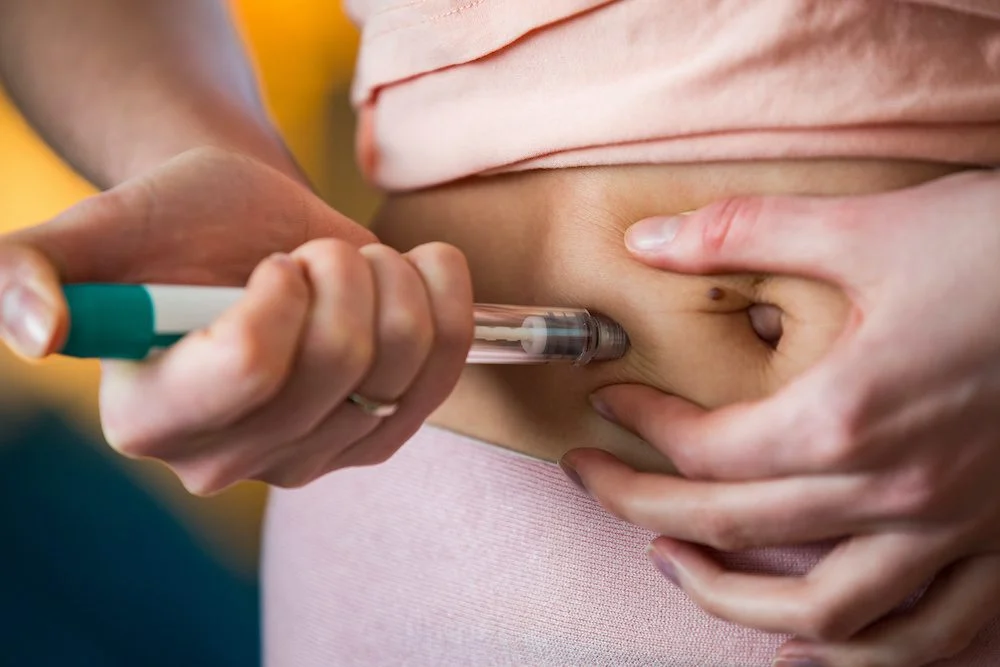
Progesterone is a hormone produced by the ovaries after ovulation, and its levels rise during the second half of the menstrual cycle to prepare the uterine lining for embryo implantation. In IVF treatments, progesterone supplementation is often used to mimic this natural hormone surge and support the implantation of embryos.

The Role of Progesterone in IVF Success

Progesterone plays several critical roles in IVF success:

  • Uterine Lining Preparation: Progesterone helps thicken the uterine lining, creating a receptive environment for embryo implantation. A thick, healthy uterine lining is essential for successful implantation and pregnancy.
  • Supporting Early Pregnancy: After embryo transfer, the hormone continues to play a vital role in supporting early pregnancy. It helps maintain the uterine lining and provides a nurturing environment for the developing embryo.
  • Reducing Pregnancy Loss: Adequate progesterone levels are associated with a lower risk of early pregnancy loss. Progesterone supplementation in IVF treatments aims to optimize these levels and improve pregnancy outcomes.

Enhancing IVF Success with PGD Method

Preimplantation genetic diagnosis (PGD) is a technique used in IVF to screen embryos for genetic abnormalities before transfer. This screening can help identify embryos that are most likely to result in a successful pregnancy, reducing the risk of genetic disorders and miscarriage.

The Role of Progesterone in PGD Treatments:

In PGD treatments, progesterone remains crucial for preparing the uterine lining and supporting embryo implantation. The hormones’s supplementation is often tailored to the individual needs of each patient, ensuring optimal hormone levels for successful pregnancy.

Advancements in IVF Treatments:

Next-generation sequencing (NGS) technology has revolutionized the field of IVF by offering more accurate and comprehensive genetic screening of embryos. NGS allows for the detection of a wide range of genetic abnormalities, increasing the chances of selecting healthy embryos for transfer. As the Fertility Sol team we are proud to say that one of the clinics we work with in Cyprus, “The Cyprus American IVF” centre is the one and only clinic in North Cyprus that offers the NGS technology. 

Conclusion

Progesterone plays a critical role in IVF treatments, supporting the uterine lining preparation and early pregnancy. When combined with technologies like PGD and NGS, this hormone’s supplementation can enhance IVF success rates by ensuring the transfer of healthy embryos and reducing the risk of pregnancy loss. Consulting with a fertility specialist can help determine the most appropriate progesterone regimen for your IVF treatment, optimizing your chances of achieving a successful pregnancy.

Please make sure to check out our previous blog posts for anything IVF, egg donation, and other procedures that are used in this field to have a deep understanding of the procedures that are offered in our clinics. We at Fertility Solutions ,want our patients to be aware of these techniques so that they may get the necessary treatments in order to achieve their dreams of having children. 

Make sure you read our other blog articles here, and please do not hesitate to contact us so that we can help you achieve your dream of having children.

Don’t forget to check out our links below!

Cyprus Crown IVF Contact: https://en.cypruscrownivf.com/contact

Cyprus American IVF Contact: https://www.cyprusamericanivf.com/contact-us/

Dr. Halil Ibrahim Tekin  (Dr. HIT) Youtube: https://www.youtube.com/@dr.halilibrahimtekin1715

Cyprus American IVF Youtube: https://www.youtube.com/@AmerikanTupBebekMerkezi

General

Decoding Your Anti-Müllerian Hormone (AMH) Test Results: Navigating Fertility Potential

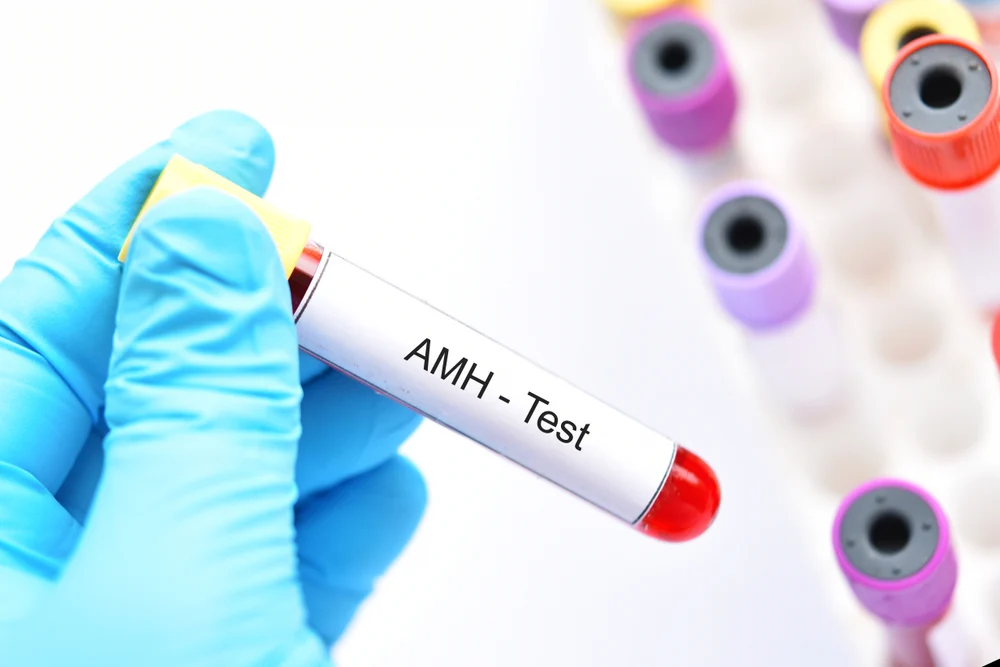
Embarking on a journey toward conception often involves navigating a landscape of fertility tests, and among them, the Anti-Müllerian Hormone (AMH) test plays a crucial role. This blood test provides insights into ovarian reserve—the number and quality of eggs remaining in the ovaries—and understanding its results is pivotal for anyone seeking to understand their fertility potential. Let’s explore what your  test results signify and how they can shape your fertility journey, while also considering the implications of ovarian hyperstimulation syndrome (OHSS).

Interpreting AMH Levels

Low AMH Levels: A low AMH level, typically below 1.0 ng/mL (or approximately 7.14 pmol/L), may signal a diminished ovarian reserve. This suggests fewer eggs are remaining, potentially making conception more challenging. While a low AMH level doesn’t signify impossibility, it may necessitate additional fertility strategies.

Normal AMH Levels: Falling between 1.0 to 3.0 ng/mL (or approximately 7.14 to 21.4 pmol/L), normal AMH levels suggest an average ovarian reserve, generally favorable for fertility.

High AMH Levels: Exceeding 3.0 ng/mL (or approximately 21.4 pmol/L), high AMH levels might indicate polycystic ovarian syndrome (PCOS). Though this can boost fertility to some extent, it also raises the risk of ovarian hyperstimulation syndrome (OHSS) during fertility treatments.

Navigating Your Next Steps

Interpret your AMH test results in conjunction with other fertility tests and factors, like age and reproductive health history. Consulting a healthcare provider or fertility specialist is essential for personalized guidance. They can help devise a comprehensive fertility plan, considering your unique circumstances and goals. Our clinics Cyprus Crown IVF, and Cyprus American IVF pride themselves in interpreting these results, and helping you with the next necessary steps. Our Doctors Dr. Halil Ibrahim Tekin (Dr. HIT), and Dr. Erman Sever have been conducting these tests and helping patients with infertility for more than two decades.

Understanding OHSS

Ovarian hyperstimulation syndrome (OHSS) is a potential complication of fertility treatments, particularly in cases of high AMH levels or PCOS. It occurs when the ovaries become swollen and painful due to overstimulation, leading to fluid retention and, in severe cases, complications like blood clots or kidney problems. Recognizing the signs—such as abdominal pain, nausea, and shortness of breath—is crucial for prompt intervention and management.

Conclusion

Your AMH test results provide valuable insights into your ovarian reserve and fertility potential. Whether your levels are low, normal, or high, understanding their significance empowers you to make informed decisions about your reproductive health. By collaborating with your healthcare team, you can navigate your fertility journey with confidence, ensuring that any risks, such as OHSS, are addressed effectively.

Remember, fertility is a multifaceted journey, and support is available every step of the way. Don’t hesitate to lean on your healthcare providers for guidance and reassurance as you embark on this path toward parenthood. You can contact us through our links or you can get consultations with the clinics directly through the links below.

We invite you to check out our previous blog posts through the link here.

Make sure to check out our contact links and Youtube links here:

Cyprus Crown IVF Contact: https://en.cypruscrownivf.com/contact

Cyprus American IVF Contact: https://www.cyprusamericanivf.com/contact-us/

Dr. Halil Ibrahim Tekin  (Dr. HIT) Youtube: https://www.youtube.com/@dr.halilibrahimtekin1715

Cyprus American IVF Youtube: https://www.youtube.com/@AmerikanTupBebekMerkezi


Notice: ob_end_flush(): Failed to send buffer of zlib output compression (0) in /home/fertilitysol/public_html/wp-includes/functions.php on line 5471