General

Thalassemia Unveiled: Essential Insights on Symptoms, Treatments, and Family Planning

Understanding Thalassemia: Symptoms, Causes, Treatments, and Family Planning

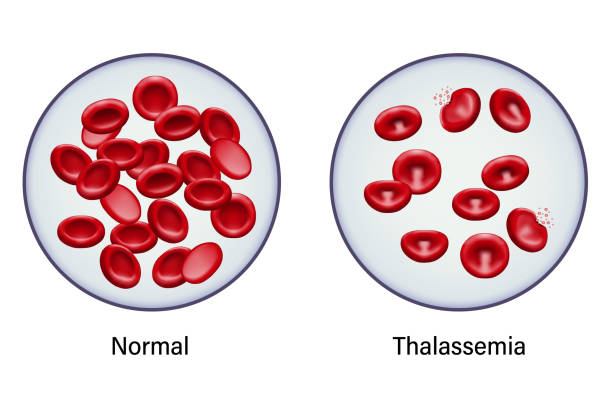
Thalassemia is a group of inherited blood disorders characterized by the body’s inability to produce sufficient hemoglobin, the protein in red blood cells responsible for carrying oxygen throughout the body. This condition can significantly impact a person’s health and quality of life. In this article, we’ll explore the symptoms, causes, and treatments of thalassemia, and address the important question of whether individuals with this disease can have children.

What is Thalassemia?

Thalassemia is an autosomal recessive genetic disorder, which means that a person must inherit two defective genes—one from each parent—to develop the condition. There are two main types of this condition: alpha thalassemia and beta thalassemia, named for the types of hemoglobin chains affected.

  1. Alpha: This type results from mutations in the alpha-globin gene, which is crucial for producing alpha-globin chains that make up part of hemoglobin. There are four alpha-globin genes (two on each chromosome 16), and the severity of alpha thalassemia depends on how many of these genes are affected.
  2. Beta: This type results from mutations in the beta-globin gene, responsible for producing beta-globin chains. There are two beta-globin genes (one on each chromosome 11), and the severity of beta thalassemia is influenced by the nature and number of these mutations.

Symptoms

The symptoms of thalassemia can vary depending on the type and severity of the disorder. Here’s a breakdown of common symptoms:

  • Mild Thalassemia: Individuals may experience few or no symptoms. In some cases, the condition is only detected through routine blood tests.
  • Moderate to Severe Thalassemia: Symptoms can include:
    • Anemia: Fatigue, weakness, and pale skin.
    • Enlarged Spleen and Liver: Pain or discomfort in the upper left side of the abdomen.
    • Bone Deformities: Particularly in the face and skull, due to increased marrow production.
    • Delayed Growth: In children, thalassemia can lead to delayed physical development.
    • Shortness of Breath: Due to reduced oxygen-carrying capacity of the blood.
    • Jaundice: Yellowing of the skin and eyes caused by increased breakdown of red blood cells.

Causes

Thalassemia is caused by genetic mutations that affect the production of hemoglobin. These mutations can occur in the alpha-globin or beta-globin genes, leading to insufficient or abnormal hemoglobin. The disorder is inherited in an autosomal recessive pattern, meaning that both parents must carry the gene mutation for their child to develop the disease.

  • Alpha Thalassemia: Caused by deletions or mutations in one or more of the alpha-globin genes.
  • Beta Thalassemia: Caused by point mutations or deletions in the beta-globin genes.

Treatments

Treatment for thalassemia depends on the severity of the condition and can include:

  1. Regular Blood Transfusions: For moderate to severe cases, regular transfusions of red blood cells are required to maintain adequate hemoglobin levels. This treatment helps to manage symptoms but can lead to iron overload, requiring additional treatment.
  2. Iron Chelation Therapy: To address iron overload from repeated blood transfusions, patients may be prescribed iron chelators, medications that help remove excess iron from the body.
  3. Folic Acid Supplements: Folate is essential for red blood cell production, and supplements can help in managing symptoms.
  4. Bone Marrow or Stem Cell Transplant: In some cases, a bone marrow or stem cell transplant may be considered as a potential cure. This procedure involves replacing the defective bone marrow with healthy marrow from a donor.
  5. Gene Therapy: Research into gene therapy aims to correct the genetic mutations responsible for thalassemia. Although still experimental, it holds promise for the future.
  6. Supportive Care: This includes pain management, growth monitoring in children, and regular follow-ups with healthcare providers to monitor and manage the condition effectively.

Can People with Thalassemia Have Babies?

Having children is a significant concern for many individuals with this condition, especially those with severe forms of the condition. The ability to have children and the associated risks depend on several factors:

  1. Genetic Counseling: Couples where one or both partners have the condition should seek genetic counseling. This process helps assess the risk of passing the condition to their children and provides information on reproductive options.
  2. Preconception Planning: For individuals with thalassemia, planning ahead is crucial. This includes managing their own health optimally before conception and understanding the genetic risks involved.
  3. Reproductive Options:
    • Natural Conception: It is possible for individuals with this condition to conceive naturally, but there is a risk of passing the disorder to the child. Genetic counseling can help assess this risk.
    • Preimplantation Genetic Diagnosis (PGD): For those undergoing IVF, PGD can be used to screen embryos for thalassemia before implantation, reducing the risk of passing the condition to the child.
    • Prenatal Testing: If a pregnancy occurs, prenatal testing such as chorionic villus sampling (CVS) or amniocentesis can determine if the fetus has inherited thalassemia.
  4. Management During Pregnancy: For pregnant women with thalassemia, careful monitoring and management are essential to ensure both maternal and fetal health. Regular consultations with a specialist in maternal-fetal medicine may be recommended.

Conclusion

Thalassemia is a serious genetic disorder that requires careful management and treatment. Advances in medical science offer hope and improved quality of life for those affected by the condition. With appropriate medical care, support, and planning, individuals with this condition can manage their health effectively and make informed decisions about family planning. If you or a loved one has suffering from this condition, seeking guidance from healthcare professionals and genetic counselors can provide valuable support and information tailored to your specific needs. Lastly, check out this article for more information about thalassemia.

For any of your infertility problems, please do not hesitate to contact us. At Fertility Solutions we pride ourselves with the excellent tailored personal care we provide to our patients for their specific needs. A team member will contact you as soon as we get your message, and construct a personal treatment plan for your fertility problems in the country of Cyprus. You can also contact our clinics directly through the links below.

Cyprus Crown IVF Contact: https://en.cypruscrownivf.com/contact

Cyprus American IVF Contact: https://www.cyprusamericanivf.com/contact-us/

Dr. Halil Ibrahim Tekin  (Dr. HIT) Youtube: https://www.youtube.com/@dr.halilibrahimtekin1715

Cyprus American IVF Youtube: https://www.youtube.com/@AmerikanTupBebekMerkezi
General

Unlocking Fertility: How Laparoscopy Transforms IVF and Egg Donation Success

Understanding Laparoscopy in the Context of IVF and Egg Donation: A Comprehensive Guide

In recent years, advancements in medical technology have revolutionized the way we approach fertility treatments. One such innovation is laparoscopy, a minimally invasive surgical technique that plays a significant role in the realm of in vitro fertilization (IVF) and egg donation. This blog post delves into the relationship between laparoscopy and IVF, how it impacts egg donation, and provides insights on healing and pain management post-procedure.

What is Laparoscopy?

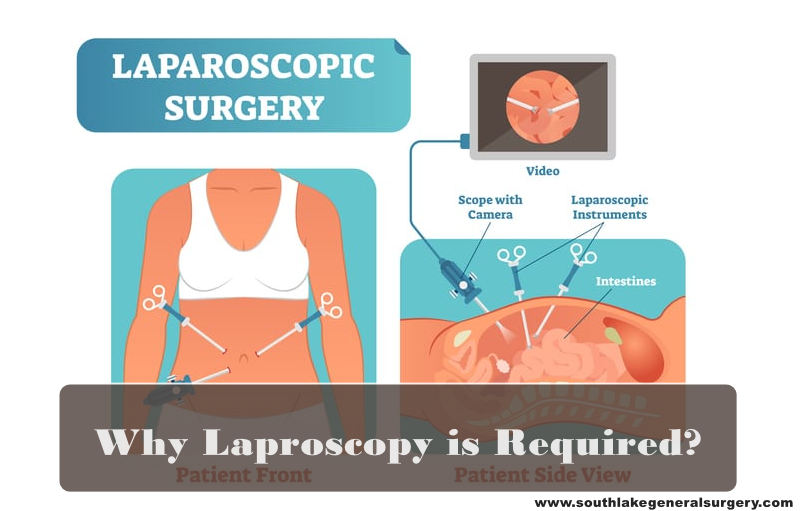
Laparoscopy is a surgical procedure that allows doctors to view the inside of the abdomen and pelvis without making large incisions. Instead, it uses small incisions through which a laparoscope (a thin tube with a camera) and other specialized instruments are inserted. This technique is highly beneficial for diagnosing and treating various conditions related to fertility.

Laparoscopy and IVF: The Connection

In the context of IVF, laparoscopy can be a crucial diagnostic and therapeutic tool. Here’s how it plays a role:

  1. Diagnosis of Underlying Conditions: Before proceeding with IVF, doctors often use laparoscopy to identify and diagnose conditions that could affect fertility. These include endometriosis, polycystic ovary syndrome (PCOS), fibroids, and pelvic adhesions. For instance, endometriosis, a condition where tissue similar to the lining of the uterus grows outside it, can be effectively diagnosed and treated through laparoscopy.
  2. Treatment of Fertility Issues: Beyond diagnosis, laparoscopy can be used to treat these conditions. For example, endometriosis can be managed by removing abnormal tissue, which may enhance the chances of a successful IVF cycle. Similarly, laparoscopy can be employed to clear blocked fallopian tubes or remove fibroids that may be obstructing the uterus.
  3. Improving IVF Success Rates: Addressing these issues through laparoscopy can improve the chances of a successful IVF cycle. By ensuring that the reproductive organs are in optimal condition, laparoscopy helps create a more favorable environment for embryo implantation and development.

Laparoscopy and Egg Donation

Laparoscopy can also be relevant in the context of egg donation. For donor candidates, a thorough evaluation is essential to ensure that the ovaries are healthy and functioning properly. Here’s how laparoscopy fits in:

  1. Evaluation of Ovarian Health: Laparoscopy allows doctors to assess the health of the ovaries and detect any abnormalities that might affect egg quality or quantity. This is crucial for egg donors, as healthy ovaries are vital for producing high-quality eggs.
  2. Ensuring Optimal Conditions: For both the egg donor and the recipient, laparoscopy can help ensure that there are no underlying conditions that might interfere with the success of the egg donation process. For instance, it can be used to check for ovarian cysts or other issues that could impact the donation cycle.

Healing and Pain Management After Laparoscopy

One of the significant advantages of laparoscopy is its minimally invasive nature, which generally leads to a quicker recovery compared to traditional open surgery. However, patients may still experience some discomfort and require proper care during the healing process. Here’s what to expect and how to manage pain:

  1. Recovery Timeline: Most patients experience a relatively short recovery period, often returning to normal activities within a week or two. However, individual recovery times can vary based on the complexity of the procedure and the patient’s overall health.
  2. Pain Levels: While laparoscopy is less painful than open surgery, patients may still experience some pain and discomfort, especially in the abdominal area. This discomfort is usually manageable with prescribed pain medication and over-the-counter pain relievers.
  3. Postoperative Care: To aid recovery and minimize pain, it’s essential to follow postoperative care instructions provided by your healthcare provider. This includes taking medications as prescribed, avoiding strenuous activities, and keeping the surgical sites clean and dry.
  4. Potential Complications: Although rare, complications such as infection, bleeding, or adverse reactions to anesthesia can occur. It’s crucial to monitor for signs of these complications, such as severe pain, fever, or unusual discharge, and contact your healthcare provider if any concerning symptoms arise.

Additional Considerations

  • Pre-Procedure Preparation: Before undergoing this procedure, your doctor will provide specific instructions on how to prepare. This may include fasting or avoiding certain medications. Following these guidelines is essential for a smooth procedure and recovery.
  • Long-Term Outlook: For many patients, laparoscopy leads to significant improvements in fertility and overall reproductive health. By addressing underlying conditions, it can enhance the effectiveness of IVF and increase the chances of a successful pregnancy.
  • Emotional Support: Fertility treatments and surgical procedures can be emotionally taxing. Seeking support from friends, family, or a counselor can be beneficial in managing the emotional aspects of the journey.

Conclusion

Laparoscopy is a valuable tool in the realm of fertility treatment, playing a critical role in both IVF and egg donation processes. By providing a minimally invasive means of diagnosing and treating reproductive conditions, it helps enhance the likelihood of successful outcomes. Understanding the connection between laparoscopy and IVF, and being informed about the recovery process, can empower patients to make informed decisions and navigate their fertility journeys with greater confidence. If you’re considering this procedure or undergoing IVF, consulting with your healthcare provider will provide personalized guidance and support tailored to your needs.

If you wish to know more about this subject, or any other content related to fertility treatments please check Cyprus American IVF’s article. For any of your infertility problems, please do not hesitate to contact us.

At Fertility Solutions we pride ourselves with the excellent tailored personal care we provide to our patients for their specific needs. A team member will contact you as soon as we get your message, and construct a personal treatment plan for your fertility problems in the country of Cyprus. You can also contact our clinics directly through the links below.

Cyprus Crown IVF Contact: https://en.cypruscrownivf.com/contact

Cyprus American IVF Contact: https://www.cyprusamericanivf.com/contact-us/

Dr. Halil Ibrahim Tekin  (Dr. HIT) Youtube: https://www.youtube.com/@dr.halilibrahimtekin1715

Cyprus American IVF Youtube: https://www.youtube.com/@AmerikanTupBebekMerkezi

General

Empowering Women #2: Mentally Recovering After Miscarriages

Mentally Recovering After Miscarriages and Navigating Your Next Steps

Miscarriage is a deeply emotional and challenging experience, especially for women who have undergone in vitro fertilization (IVF) in the hope of starting or expanding their families. The journey to conception can be fraught with anxiety, and experiencing a miscarriage during IVF can compound these feelings with grief and uncertainty. However, it’s important to remember that a miscarriage is not the end of your journey to parenthood. There are many paths forward, and understanding how to mentally recover and explore alternative options can be empowering. In this article we will explore some strategies for recovering after miscarriages.

Navigating the Emotional Impact of Miscarriage

Miscarriage can trigger a complex array of emotions, including sadness, anger, guilt, and confusion. When it happens during IVF, the emotional toll can be even more profound due to the intense hopes and expectations that often accompany this process.

Acknowledge Your Grief

Allow yourself to grieve and process the loss. It’s natural to feel a deep sense of sadness, and acknowledging these feelings is a crucial part of healing. Speak with a mental health professional specializing in reproductive loss if needed, as they can offer valuable support and coping strategies.

Connect with Support Networks

Lean on your support system, whether it’s friends, family, or support groups for individuals who have experienced miscarriage or fertility challenges. Sharing your feelings with others who understand can provide comfort and reduce feelings of isolation.

Practice Self-Care

Take time for self-care and focus on activities that nurture your physical and emotional well-being. This could include exercise, meditation, or engaging in hobbies that bring you joy and relaxation. Self-care is essential for rebuilding emotional resilience.

Moving Forward After a Miscarriage During IVF

Experiencing a miscarriage during IVF can feel disheartening, but it’s important to remember that it does not signify the end of your fertility journey. There are several steps you can take to move forward:

1. Consult with Your Fertility Specialist

After a miscarriage, have a detailed discussion with your fertility specialist to understand what may have caused the loss and to evaluate your options moving forward. They can provide insights into whether there are any changes that need to be made in your IVF protocol or if additional tests are needed.

2. Consider Additional IVF Cycles

Many couples successfully conceive after experiencing a miscarriage. If you are open to it, you can try IVF again. Your fertility specialist will guide you through the process, and learning from previous cycles can help tailor the approach to improve your chances of success.

3. Explore Alternative Techniques

If repeated IVF cycles are not successful, there are other avenues to explore:

  • Egg Donation: If your eggs are not viable, egg donation could be a viable option. This technique involves using eggs from a donor to fertilize with your partner’s sperm or a sperm donor’s sperm, potentially increasing the chances of a successful pregnancy.
  • Embryo Donation: Similar to egg donation, this involves using embryos created by other donors. This can be an effective option if you have struggled with multiple IVF cycles without success.
  • Surrogacy: If carrying a pregnancy is not feasible, surrogacy allows another woman to carry and deliver your baby. This can be a fulfilling option for couples who wish to have a biological child but cannot carry the pregnancy themselves.

Embracing Hope and Resilience

It’s important to maintain hope and resilience throughout your journey. While the path to parenthood can be fraught with challenges, many individuals and couples find success through perseverance and exploring various options.

Remember that your journey is unique, and it’s okay to take the time you need to heal and make informed decisions about your next steps. Surround yourself with supportive professionals and loved ones, and stay open to the possibilities that lie ahead.

Conclusion

In this article we briefly talked about some ways for recovering after miscarriages. Miscarriage during IVF is undoubtedly difficult, but it’s not the end of your story. By taking steps to mentally recover, seeking support, and exploring various options for building your family, you can navigate this challenging time with hope and resilience. Facilities like Cyprus Crown IVF and Cyprus American IVF offer a range of advanced reproductive techniques, including additional IVF cycles, egg donation, and surrogacy, to help you achieve your dream of parenthood. Consult with your fertility specialist to discuss the best path forward for you, and remember that you are not alone in this journey.

If you wish to know more about some strategies for recovering after miscarriages, or any other content related to IVF please check Cyprus American IVF’s articles. For any of your infertility problems, please do not hesitate to contact us. At Fertility Solutions we pride ourselves with the excellent tailored personal care we provide to our patients for their specific needs. A team member will contact you as soon as we get your message, and construct a personal treatment plan for your fertility problems in the country of Cyprus. You can also contact our clinics directly through the links below.

Cyprus Crown IVF Contact: https://en.cypruscrownivf.com/contact

Cyprus American IVF Contact: https://www.cyprusamericanivf.com/contact-us/

Dr. Halil Ibrahim Tekin  (Dr. HIT) Youtube: https://www.youtube.com/@dr.halilibrahimtekin1715

Cyprus American IVF Youtube: https://www.youtube.com/@AmerikanTupBebekMerkezi
General

Genetic Diseases and IVF #1 : Can IVF prevent genetic diseases?

Can IVF Detect or Prevent Genetic Diseases?

In vitro fertilization (IVF) has revolutionized reproductive medicine, offering new possibilities for couples struggling with infertility. Beyond helping individuals conceive, IVF also plays a crucial role in detecting and potentially preventing genetic diseases. Let’s explore how IVF contributes to this aspect of reproductive health and how facilities like Cyprus Crown IVF and Cyprus American IVF use advanced techniques to enhance your reproductive journey.

Understanding IVF and Genetic Screening

IVF involves extracting eggs from a woman’s ovaries, fertilizing them with sperm in a laboratory setting, and then transferring the resulting embryos into the uterus. While the primary goal is overcoming infertility, modern IVF techniques now incorporate genetic screening to assess and address potential genetic issues.

Preimplantation Genetic Testing (PGT)

A major advancement in IVF is Preimplantation Genetic Testing (PGT). This technique allows doctors to screen embryos for specific genetic disorders before implantation. PGT can be categorized into three main types:

  1. PGT-A (Preimplantation Genetic Testing for Aneuploidy): This test screens for chromosomal abnormalities, such as extra or missing chromosomes. Identifying embryos with the correct number of chromosomes improves the chances of a successful pregnancy and reduces the risk of genetic disorders like Down syndrome.
  2. PGT-M (Preimplantation Genetic Testing for Monogenic Disorders): This test targets specific genetic mutations associated with inherited diseases, such as cystic fibrosis or muscular dystrophy. PGT-M helps identify embryos that do not carry the mutations, preventing the transmission of these disorders to the child.
  3. PGT-SR (Preimplantation Genetic Testing for Structural Rearrangements): This test detects structural abnormalities in chromosomes, such as translocations or inversions, which can affect fertility or increase the risk of genetic disorders. PGT-SR helps select embryos with normal chromosomal structures for implantation.

How Cyprus Crown IVF and Cyprus American IVF Use PGT

Both Cyprus Crown IVF and Cyprus American IVF are leading facilities that offer advanced genetic screening as part of their IVF services. These clinics are equipped with state-of-the-art technology and experienced professionals to conduct PGT, ensuring the highest standards of care and accuracy.

  1. Cyprus Crown IVF: Known for its comprehensive IVF services, Cyprus Crown IVF integrates PGT into its treatment plans to provide prospective parents with detailed genetic information about their embryos. By using PGT-A, PGT-M, and PGT-SR, Cyprus Crown IVF helps identify and select the healthiest embryos, thereby increasing the chances of a successful and healthy pregnancy.
  2. Cyprus American IVF: This clinic offers cutting-edge IVF technologies, including advanced PGT methods. Cyprus American IVF’s approach ensures that embryos are thoroughly screened for genetic abnormalities, providing peace of mind and enhancing the likelihood of a favorable outcome for patients. The clinic’s expertise in PGT helps in making informed decisions and optimizing the chances of a healthy pregnancy.

The Benefits of Genetic Screening

  1. Reducing the Risk of Genetic Diseases: PGT helps identify and select embryos free from specific genetic disorders, significantly reducing the likelihood of passing on inherited conditions.
  2. Improving IVF Success Rates: Screening embryos for chromosomal abnormalities increases the chances of successful implantation and a healthy pregnancy, while also reducing the risk of miscarriage.
  3. Empowering Reproductive Choices: Genetic testing provides valuable information that allows prospective parents to make informed decisions about their reproductive options, including the potential use of donor gametes or exploring alternative paths like adoption.

Ethical Considerations

While the benefits of genetic screening are clear, there are several ethical and philosophical questions:

  • Selecting for Non-Medical Traits: Concerns arise about the potential use of genetic testing for non-medical reasons, such as selecting embryos based on desired traits.
  • Emotional and Psychological Impact: The process of genetic testing can be emotionally challenging, especially if results indicate that no viable embryos are free from genetic disorders.
  • Access and Equity: There are concerns about the accessibility of these technologies, as they can be costly and may not be available to everyone.

Future Directions

The field of genetic testing in IVF continues to advance, with ongoing research aimed at improving the accuracy and scope of these tests. Future developments may expand the range of conditions that can be screened for, further enhancing outcomes for families.

Conclusion

IVF, coupled with genetic testing, offers a powerful tool for detecting and preventing genetic diseases. Facilities like Cyprus Crown IVF and Cyprus American IVF are at the forefront of this technology, providing comprehensive PGT services to help prospective parents make informed decisions and increase the chances of a healthy baby. As with any medical technology, it’s essential to consider the ethical implications and ensure that these advancements are used responsibly and are accessible to those who need them.

If you’re considering IVF and genetic screening, consulting with a knowledgeable specialist at one of these reputable clinics can provide valuable guidance and support throughout the process. If you want to know more about whether IVF can prevent genetic diseases, please make sure to check out this article by Cyprus American IVF.

For any of your infertility problems, please do not hesitate to contact us. At Fertility Solutions we pride ourselves with the excellent tailored personal care we provide to our patients for their specific needs. A team member will contact you as soon as we get your message, and construct a personal treatment plan for your fertility problems in the country of Cyprus. You can also contact our clinics directly through the links below.

Cyprus Crown IVF Contact: https://en.cypruscrownivf.com/contact

Cyprus American IVF Contact: https://www.cyprusamericanivf.com/contact-us/

Dr. Halil Ibrahim Tekin  (Dr. HIT) Youtube: https://www.youtube.com/@dr.halilibrahimtekin1715

Cyprus American IVF Youtube: https://www.youtube.com/@AmerikanTupBebekMerkezi
General

What is OPU?

Understanding OPU: A Comprehensive Guide to Egg Collection

Oocyte Pick-Up (OPU), commonly referred to as egg collection, is a crucial procedure in assisted reproductive technologies, such as in vitro fertilization (IVF) and egg donation. This process involves retrieving mature eggs from a woman’s ovaries for use in various fertility treatments. Here, we’ll delve into how OPU is performed, what patients should expect, the associated discomforts, and its role in egg donation and subsequent fertility procedures.

How is OPU Performed?

OPU is a minimally invasive surgical procedure typically conducted under sedation or light anesthesia to ensure patient comfort. The procedure is usually performed through a transvaginal ultrasound-guided aspiration method. Here’s a step-by-step breakdown:

  1. Preparation: Prior to the procedure, patients undergo ovarian stimulation using fertility medications. This hormonal treatment helps the ovaries produce multiple eggs, increasing the chances of successful fertilization. Regular ultrasounds and blood tests monitor the response of the ovaries to these medications.
  2. Procedure Day: On the day of OPU, patients arrive at the clinic, where they are given sedation or anesthesia. This ensures they are comfortable and pain-free during the procedure.
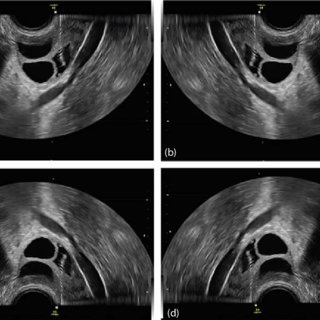
  3. Egg Retrieval: Using a transvaginal ultrasound probe, the fertility specialist locates the ovaries. A thin, hollow needle is then inserted through the vaginal wall into each ovary, guided by the ultrasound. The needle aspirates the mature eggs from the ovarian follicles. The retrieved eggs are then placed in a culture medium and prepared for fertilization.
  4. Duration: The entire procedure typically lasts around 20-30 minutes. Despite its brevity, it’s an intricate process requiring precise technique.

What to Expect Before and After the Procedure

Before OPU:

  • Pre-Procedure Instructions: Patients will receive specific instructions regarding medication, diet, and pre-procedure preparations. It’s crucial to follow these guidelines closely to optimize the success of the procedure.
  • Ovarian Stimulation: Patients will have been undergoing ovarian stimulation for about 10-14 days before OPU. This involves daily hormone injections and regular monitoring to assess follicle growth.

After OPU:

  • Recovery: After the procedure, patients typically spend a short time in a recovery room. Once the effects of the sedation wear off, they can usually go home the same day.
  • Discomfort: Some mild cramping, bloating, or spotting may occur, which is generally manageable with over-the-counter pain relief. Any severe pain or unusual symptoms should be reported to a healthcare provider immediately.

Expected Pain and Body Problems

While OPU is minimally invasive, it is common to experience some discomfort. Mild cramping and bloating are expected as the ovaries adjust following egg retrieval. Most patients recover quickly, but in rare cases, complications such as ovarian hyperstimulation syndrome (OHSS) or infection may occur. OHSS is a condition where the ovaries become swollen and painful due to excessive stimulation, but this is managed with proper monitoring and treatment.

Role in Egg Donation

In the context of egg donation, OPU is performed on the donor. The retrieved eggs are then prepared for fertilization with the recipient’s partner’s sperm or donor sperm, depending on the specific fertility treatment plan. The success of egg donation largely hinges on the quality of the eggs and the precision of the fertilization and embryo transfer processes.

What Comes After OPU: Egg Transfer

Following OPU, the next critical step in the fertility process is egg fertilization and embryo transfer:

  1. Fertilization: The retrieved eggs are combined with sperm in a laboratory setting to create embryos. This can be done via conventional insemination or intracytoplasmic sperm injection (ICSI), where a single sperm is directly injected into an egg.
  2. Embryo Culture: The fertilized eggs, now embryos, are cultured for several days, usually between 3 to 5 days, to ensure they reach an optimal stage for transfer.
  3. Embryo Transfer: The final stage involves transferring one or more of these embryos into the recipient’s uterus. This is a relatively simple procedure, typically done without anesthesia, where embryos are placed in the uterine cavity using a thin catheter.
  4. Post-Transfer Care: After the embryo transfer, patients may experience mild cramping and are usually advised to avoid strenuous activities. A pregnancy test is typically conducted two weeks later to determine the outcome.

Conclusion

OPU is a pivotal procedure in the realm of assisted reproduction, providing a pathway to fertility treatments such as IVF and egg donation. By understanding the process, preparation, and recovery involved, patients can approach the procedure with greater confidence. Following OPU, the careful handling of eggs and embryos ensures that the next steps—whether they be fertilization or embryo transfer—are executed with precision to maximize the chances of a successful pregnancy.

If you want more information about how the “OPU” procedure is done, please watch this video by Dr. Halil Ibrahim Tekin with English subtitles.
For any of your infertility problems, please do not hesitate to contact us. At Fertility Solutions we pride ourselves with the excellent tailored personal care we provide to our patients for their specific needs. A team member will contact you as soon as we get your message, and construct a personal treatment plan for your fertility problems in the country of Cyprus. You can also contact our clinics directly through the links below.

Cyprus Crown IVF Contact: https://en.cypruscrownivf.com/contact

Cyprus American IVF Contact: https://www.cyprusamericanivf.com/contact-us/

Dr. Halil Ibrahim Tekin  (Dr. HIT) Youtube: https://www.youtube.com/@dr.halilibrahimtekin1715

Cyprus American IVF Youtube: https://www.youtube.com/@AmerikanTupBebekMerkezi
General

Advancements in IVF

Advancements in the IVF Field 

Advances in the Field of In Vitro Fertilization (IVF)

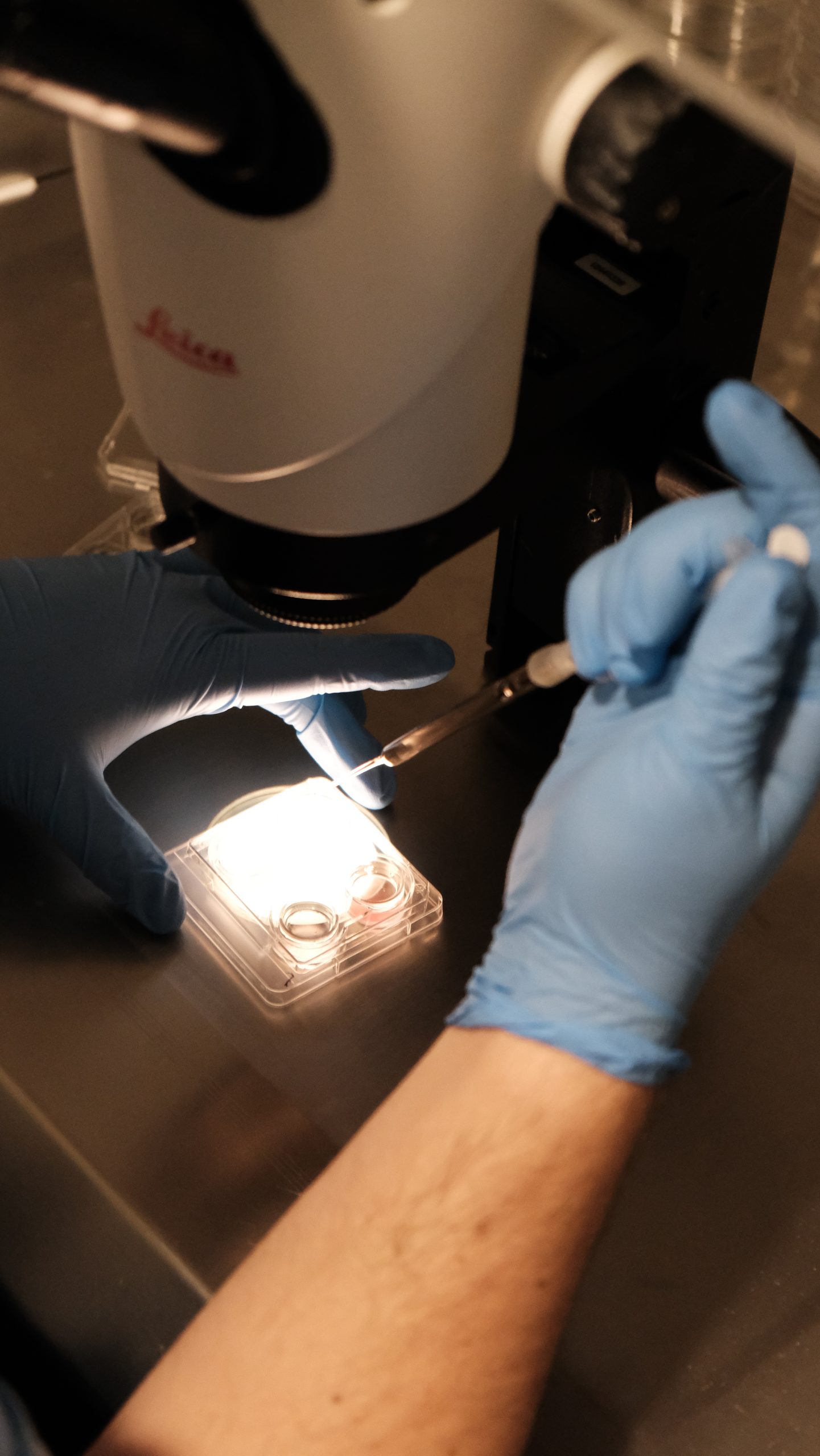
In this week’s article we will talk about the advancements in IVF using artificial intelligence, and other techniques such as Next-Generation Sequencing. The field of In Vitro Fertilization (IVF) has seen remarkable advancements over the past few decades, significantly improving the success rates and accessibility of assisted reproductive technologies. These advancements in IVF have brought hope to millions of couples and individuals struggling with infertility. This article explores the latest innovations and breakthroughs in IVF that are shaping the future of reproductive medicine.

Next Generation Sequencing (NGS)

Next Generation Sequencing (NGS) is a revolutionary technology that has transformed the landscape of genetic testing in IVF. NGS allows for comprehensive chromosomal screening, enabling the identification of genetic abnormalities in embryos with greater accuracy than previous methods like Fluorescence In Situ Hybridization (FISH) and Comparative Genomic Hybridization (CGH). By selecting genetically normal embryos, NGS enhances the chances of successful implantation and reduces the risk of miscarriages and genetic disorders.

Time-Lapse Embryo Imaging

Time-lapse embryo imaging is another significant advancement in IVF. This technology involves the use of specialized incubators equipped with cameras that continuously monitor and capture images of developing embryos. By analyzing the time-lapse videos, embryologists can assess the growth patterns and developmental milestones of embryos without disturbing them. This non-invasive technique improves embryo selection, leading to higher implantation rates and better pregnancy outcomes.

Artificial Intelligence (AI) and Machine Learning

Artificial Intelligence (AI) and machine learning are making their mark in the IVF field by enhancing the accuracy of embryo selection. AI algorithms can analyze vast amounts of data, including time-lapse images and genetic information, to predict the viability of embryos. These algorithms consider various factors such as cell division patterns, morphology, and genetic markers to identify the most promising embryos for transfer. AI-driven embryo selection has the potential to increase IVF success rates and reduce the number of cycles needed to achieve pregnancy.

Cryopreservation Techniques

Advancements in cryopreservation techniques have significantly improved the outcomes of IVF treatments. Vitrification, a rapid freezing method, has replaced traditional slow-freezing techniques for preserving embryos and oocytes. Vitrification minimizes ice crystal formation, which can damage cells, thereby enhancing the survival rates of thawed embryos and oocytes. This advancement allows for the effective use of frozen embryos and oocytes in subsequent IVF cycles, providing more flexibility and higher success rates for patients.

Personalized Medicine and Genomics

Personalized medicine and genomics are playing a crucial role in tailoring IVF treatments to individual patients. Genetic testing of both partners can identify specific genetic factors contributing to infertility. Personalized protocols, including tailored hormone stimulation regimens and targeted treatments, can be developed based on genetic profiles. Additionally, preimplantation genetic testing (PGT) can screen embryos for specific genetic conditions, ensuring the transfer of healthy embryos and reducing the risk of inherited disorders.

Improved Culture Media

The development of advanced culture media has significantly enhanced embryo development and quality. Modern culture media formulations mimic the natural environment of the uterus, providing optimal conditions for embryo growth. These media contain essential nutrients, growth factors, and antioxidants that support the development of healthy embryos. Improved culture media have contributed to higher implantation rates and better overall IVF outcomes.

Minimal Stimulation and Natural Cycle IVF

Minimal stimulation and natural cycle IVF are approaches aimed at reducing the physical and emotional burden of traditional IVF treatments. Minimal stimulation IVF involves the use of lower doses of fertility drugs to stimulate the ovaries, resulting in the retrieval of fewer but higher-quality eggs. Natural cycle IVF, on the other hand, involves retrieving a single egg produced in a natural menstrual cycle without the use of fertility drugs. These approaches offer a more patient-friendly and cost-effective alternative to conventional IVF, with reduced risks of ovarian hyperstimulation syndrome (OHSS) and other side effects.

Advancements in Sperm Retrieval and Preservation

Innovations in sperm retrieval and preservation techniques have improved the success rates of IVF, particularly for men with severe male factor infertility. Techniques such as testicular sperm extraction (TESE) and microdissection TESE (micro-TESE) enable the retrieval of viable sperm directly from the testes in cases where no sperm is present in the ejaculate. Additionally, advancements in sperm cryopreservation have enhanced the quality and viability of frozen sperm, allowing for successful use in IVF treatments.

Integration of Holistic Approaches

The integration of holistic approaches into IVF treatments is gaining popularity, with an emphasis on the overall well-being of patients. Practices such as acupuncture, yoga, and mindfulness are being incorporated into IVF protocols to reduce stress, improve emotional health, and potentially enhance fertility outcomes. These complementary therapies can create a more supportive and positive experience for patients undergoing IVF.

Advancements in IVF

The field of IVF continues to evolve with groundbreaking advancements that are revolutionizing reproductive medicine. Technologies like Next Generation Sequencing, time-lapse embryo imaging, and AI-driven embryo selection are enhancing the accuracy and success rates of IVF treatments. Improved cryopreservation techniques, personalized medicine, and holistic approaches are providing patients with more effective and patient-friendly options.

As research and innovation continue to drive progress, the future of IVF holds even greater promise for individuals and couples seeking to build their families. Advancements in IVF will not only benefit the patients who are looking for successful pregnancies, but it will also help embryologists in many ways such as time conservation. If you want to read more about advancements in IVF, and other fertility treatments please take a look at our most recent articles.

For any of your infertility problems, please do not hesitate to contact us. At Fertility Solutions we pride ourselves with the excellent tailored personal care we provide to our patients for their specific needs. A team member will contact you as soon as we get your message, and construct a personal treatment plan for your fertility problems in the country of Cyprus. You can also contact our clinics directly through the links below.

Cyprus Crown IVF Contact: https://en.cypruscrownivf.com/contact

Cyprus American IVF Contact: https://www.cyprusamericanivf.com/contact-us/

Dr. Halil Ibrahim Tekin  (Dr. HIT) Youtube: https://www.youtube.com/@dr.halilibrahimtekin1715

Cyprus American IVF Youtube: https://www.youtube.com/@AmerikanTupBebekMerkezi


Notice: ob_end_flush(): Failed to send buffer of zlib output compression (0) in /home/fertilitysol/public_html/wp-includes/functions.php on line 5481