General

Empowering Women #1: Overcoming Endometrial Hyperplasia for Fertility Success

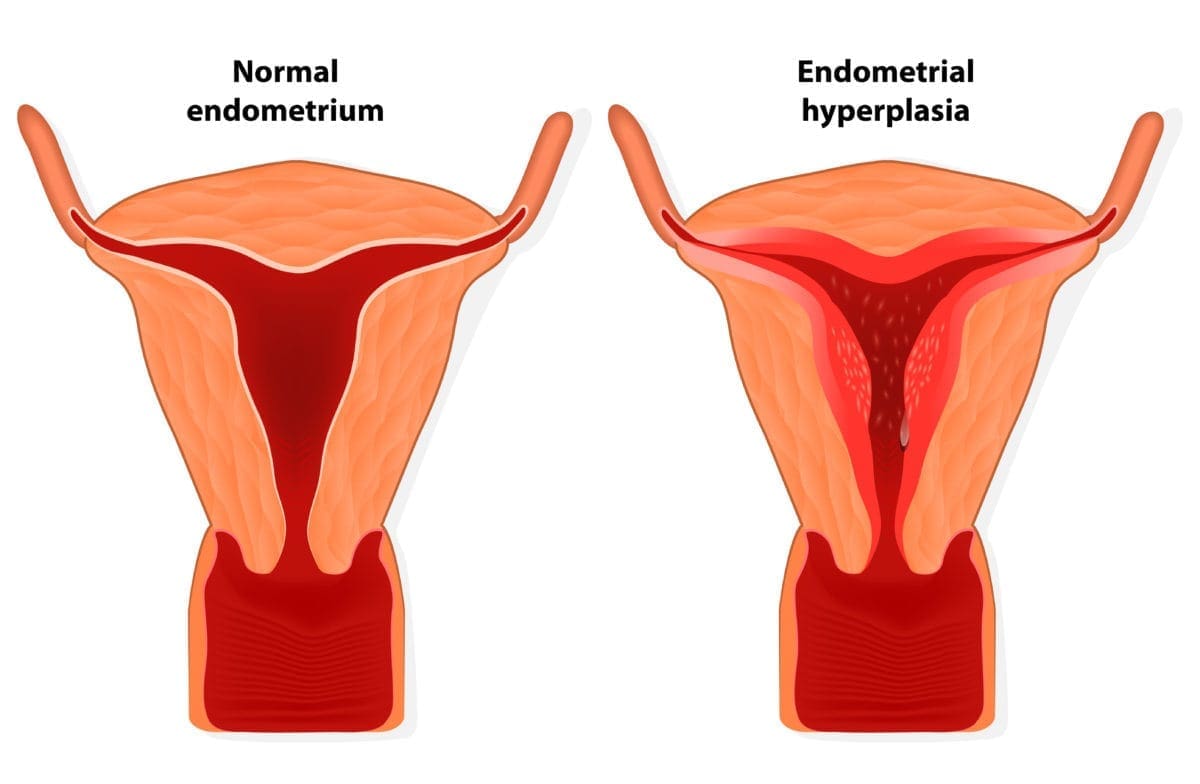
Endometrial Hyperplasia: Causes, Symptoms, Prevention, and Fertility Considerations

Endometrial hyperplasia is a condition characterized by the abnormal thickening of the lining of the uterus, known as the endometrium. This condition can occur when there is an imbalance of estrogen and progesterone hormones, leading to excessive growth of the endometrial tissue. Endometrial hyperplasia can manifest in various forms, ranging from mild to severe, and can have implications for fertility and overall health.

Causes and Risk Factors: The root causes of endometrial hyperplasia are often linked to hormonal imbalances, particularly an excess of estrogen relative to progesterone. This imbalance can be caused by various factors, including obesity, polycystic ovary syndrome (PCOS), menopause, certain medications, and potentially genetic factors.

Symptoms and Diagnosis: The symptoms of endometrial hyperplasia can vary depending on the severity of the condition. Common symptoms include abnormal uterine bleeding, such as heavy or prolonged periods, bleeding between periods, or postmenopausal bleeding. Other symptoms may include pelvic pain or pressure.

Diagnosis of this condition is typically done through a combination of medical history, physical examination, and diagnostic tests. These tests may include transvaginal ultrasound, endometrial biopsy, and hysteroscopy.

Treatment and Management: Treatment for endometrial hyperplasia depends on the severity of the condition and the individual’s reproductive goals. Mild cases may resolve on their own or with hormonal treatment to balance estrogen and progesterone levels. For more severe cases or cases with a higher risk of developing endometrial cancer, treatment may involve hysterectomy or progestin therapy.

Prevention: While endometrial hyperplasia may not always be preventable, there are steps individuals can take to reduce their risk or manage the condition:

  1. Maintain a Healthy Weight: Obesity is a risk factor for hormonal imbalances that can lead to endometrial hyperplasia. Maintaining a healthy weight through diet and exercise can help regulate hormone levels.
  2. Hormonal Birth Control: Women who are at risk for endometrial hyperplasia may benefit from hormonal birth control methods, such as birth control pills or hormonal IUDs, which can help regulate hormone levels and reduce the risk of abnormal endometrial growth.
  3. Regular Exercise: Regular physical activity can help regulate hormone levels and contribute to overall health, which may reduce the risk of endometrial hyperplasia.
  4. Healthy Diet: A diet rich in fruits, vegetables, whole grains, and lean proteins can help maintain hormonal balance and overall health.
  5. Avoid Unnecessary Estrogen: Avoiding unnecessary sources of estrogen, such as hormone replacement therapy without progesterone, can help reduce the risk of endometrial hyperplasia.
  6. Regular Check-ups: Regular gynecological check-ups can help detect and treat endometrial hyperplasia early, reducing the risk of complications.

Fertility and Pregnancy Considerations: Women with endometrial hyperplasia may experience difficulties conceiving due to hormonal imbalances and abnormal endometrial growth. However, depending on the severity of the condition and individual factors, some women may still be able to conceive naturally. For those facing challenges with natural conception, assisted reproductive technologies such as in vitro fertilization (IVF) can offer alternative paths to pregnancy.

In conclusion, endometrial hyperplasia is a condition that requires careful management and monitoring, especially for women seeking to conceive. By understanding the causes, symptoms, prevention strategies, and treatment options available, individuals with endometrial hyperplasia can work with their healthcare providers to address their specific needs and achieve optimal health and fertility.

For any of your infertility problems, please do not hesitate to contact us. At Fertility Solutions we pride ourselves with the excellent tailored personal care we provide to our patients for their specific needs. A team member will contact you as soon as we get your message, and construct a personal treatment plan for your fertility problems in the country of Cyprus. You can also contact our clinics directly through the links below.

Cyprus Crown IVF Contact: https://en.cypruscrownivf.com/contact

Cyprus American IVF Contact: https://www.cyprusamericanivf.com/contact-us/

Dr. Halil Ibrahim Tekin  (Dr. HIT) Youtube: https://www.youtube.com/@dr.halilibrahimtekin1715

Cyprus American IVF Youtube: https://www.youtube.com/@AmerikanTupBebekMerkezi

General

Your Comprehensive Guide to Fertility Treatments in North Cyprus

Your Comprehensive Guide to Fertility Treatments in North Cyprus

Embarking on the journey of IVF treatment in North Cyprus is an exciting yet significant step towards parenthood. Understanding what to expect during your stay and treatment can help alleviate any uncertainties and make your experience more comfortable. Here’s a detailed overview of what patients can expect when coming to North Cyprus for their fertility treatments:

1. Initial Consultation and Tests: The first step in your IVF journey is the initial consultation, either with the Fertilitysol team or directly with the clinics in North Cyprus. During this consultation, fertility specialists may request tests such as the anti-Mullerian hormone test to assess the quality of your eggs.

2. Planning Your Stay: After the initial consultation, patients can start planning their stay and travel arrangements. This includes booking their stay and getting their plane tickets. While patients have the freedom to stay wherever they choose in North or South Cyprus, health professionals often advise staying close to the clinics for convenience. The whole process of accommodation can be done by us, the clinics we work with in Cyprus, or by the patients who want to choose their own accommodation.

3. Treatment and Exploration: During their stay, patients can explore the beautiful locations of the island. Those with an EU passport can even visit South Cyprus, while others may need to obtain a visa to cross the border. The treatment process may also include a HSG test to check for any unknown problems with the ovaries.

4. IVF Treatment Duration and Procedures: The IVF treatment process in North Cyprus involves several procedures, each with its own duration.

  • Egg Donation Procedure: For patients undergoing egg donation, the process typically takes around 2-3 weeks. This includes the initial consultation, synchronization of the donor’s and recipient’s cycles, egg retrieval, fertilization, and embryo transfer.
  • Sperm Donation Procedure: For patients using donor sperm, the process is relatively straightforward and can be completed in a short period. Once the donor sperm is selected, it is thawed and prepared for insemination or IVF.
  • Cytoplasm Donation Procedure: Cytoplasm donation, a less common procedure, involves injecting cytoplasm from a donor egg into the recipient’s egg to improve its quality. This procedure is usually done in conjunction with IVF and can add a few days to the treatment timeline.

5. Clinics and Technologies: North Cyprus boasts reputable clinics such as Cyprus Crown IVF led by the senior doctor, Dr. Halil Ibrahim Tekin, and Cyprus American IVF led by Dr. Erman. Cyprus American IVF is renowned for being the only clinic in North Cyprus with Next Generation Sequencing (NGS) technology, offering advanced genetic screening for embryos.

6. Touristic Activities and Accommodation: North Cyprus offers a range of touristic activities, from exploring ancient ruins to relaxing on pristine beaches. Visitors can immerse themselves in the rich history and culture of the island, experiencing Greek, Turkish, and Roman influences in historical sites such as Salamis ruins.

Other historical sites include the Bellapais Abbey, St. Hilarion Castle, and the ancient city of Famagusta. The island’s natural beauty is also a draw, with stunning landscapes, including the Five Finger Mountains and the Karpaz Peninsula. The island is home to several 5-star all-inclusive resorts, providing luxurious accommodations for patients. Visitors from various nationalities, including those from the UK, Germany, Russia, and other European countries, frequent the island for its beauty and hospitality.

7. Post-Treatment Care: Once the treatment is completed, patients can return home and undergo a beta hCG test after some time to determine if they are pregnant. This test measures the level of the pregnancy hormone hCG in the blood, indicating a successful pregnancy.

Embarking on fertility treatments in North Cyprus offers not only the opportunity to undergo advanced medical procedures but also the chance to explore a beautiful island rich in history and culture. With world-class clinics and state-of-the-art technologies, North Cyprus provides a supportive environment for individuals seeking fertility treatments

For any of your infertility problems, please do not hesitate to contact us. At Fertility Solutions we pride ourselves with the excellent tailored personal care we provide to our patients for their specific needs. A team member will contact you as soon as we get your message, and construct a personal treatment plan for your fertility problems in the country of Cyprus. You can also contact our clinics directly through the links below.

Cyprus Crown IVF Contact: https://en.cypruscrownivf.com/contact

Cyprus American IVF Contact: https://www.cyprusamericanivf.com/contact-us/

Dr. Halil Ibrahim Tekin  (Dr. HIT) Youtube: https://www.youtube.com/@dr.halilibrahimtekin1715

Cyprus American IVF Youtube: https://www.youtube.com/@AmerikanTupBebekMerkezi
General

Unlocking the Hidden Dangers: Symptoms of Ovarian Hyperstimulation Syndrome (OHSS)

Decoding Ovarian Hyperstimulation Syndrome (OHSS): Symptoms, Prevention, and IVF

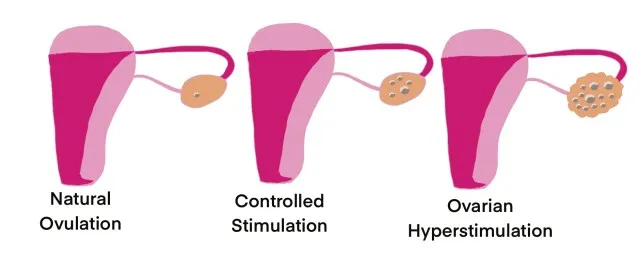
Ovarian Hyperstimulation Syndrome (OHSS) is a rare but potentially serious complication that can occur during fertility treatments such as in vitro fertilization (IVF). Understanding the symptoms, prevention methods, and its impact on IVF and pregnancy is crucial for individuals undergoing fertility treatments. In this comprehensive guide, we delve into the details of OHSS, its symptoms, prevention strategies, and its relationship with IVF and successful pregnancy.

What is Ovarian Hyperstimulation Syndrome (OHSS)?

OHSS is a condition that can occur when the ovaries are overstimulated by fertility medications, resulting in the production of too many follicles and eggs. This can lead to the accumulation of fluid in the abdomen and chest, causing symptoms ranging from mild discomfort to severe complications.

Symptoms of OHSS

The symptoms of OHSS can vary from mild to severe and may include:

  • Abdominal bloating or swelling
  • Nausea and vomiting
  • Weight gain
  • Difficulty breathing
  • Decreased urine output
  • Ovarian pain or tenderness

Prevention and Treatment of OHSS

Preventing OHSS begins with careful monitoring and adjusting the dosage of fertility medications to minimize the risk of overstimulation. If OHSS does occur, treatment options may include:

  • Monitoring fluid intake and output
  • Rest and pain management
  • Medications to reduce ovarian swelling
  • Drainage of excess fluid in severe cases

OHSS and IVF

OHSS is most commonly associated with IVF treatment, particularly in women who are at a higher risk due to factors such as young age, low body weight, or polycystic ovary syndrome (PCOS). While OHSS is rare, affecting about 1-2% of women undergoing IVF, it can have serious consequences if not managed properly.

Successful IVF and Healthy Pregnancy with OHSS

Despite the risks associated with OHSS, many women who develop the condition are still able to achieve successful IVF treatment and have a healthy baby. Close monitoring and early intervention are key to managing OHSS and ensuring the safety of both the mother and the baby.

Seeking Medical Help

Seeking medical help for Ovarian Hyperstimulation Syndrome (OHSS) is crucial, especially if you experience severe symptoms or discomfort. It’s important to be aware of when to seek medical help, as prompt intervention can prevent complications. If you are undergoing fertility treatments such as IVF and develop symptoms of OHSS, such as severe abdominal pain, nausea, vomiting, or difficulty breathing, it is essential to contact your healthcare provider immediately. They can provide guidance on the next steps and may recommend further evaluation or treatment.

In cases of severe OHSS, seeking help from a specialist or visiting the emergency department may be necessary to ensure proper management and care. Remember, early detection and treatment can significantly improve outcomes and reduce the risk of complications.

Conclusion

Ovarian Hyperstimulation Syndrome (OHSS) is a rare but serious complication that can occur during fertility treatments such as IVF. Understanding the symptoms, prevention strategies, and its impact on IVF and pregnancy is essential for individuals undergoing fertility treatments. With proper monitoring and management, women with OHSS can still achieve successful IVF treatment and have a healthy baby. For more detailed information on OHSS, we recommend checking out this article by Cyprus American IVF: What Are the Symptoms of Ovarian Hyperstimulation Syndrome (OHSS)?

For any of your fertility problems, please do not hesitate to contact us. At Fertility Solutions we pride ourselves with the excellent tailored personal care we provide to our patients for their specific needs. A team member will contact you as soon as we get your message, and construct a personal treatment plan for your fertility problems in the country of Cyprus. You can also contact our clinics directly through the links below.

Cyprus Crown IVF Contact: https://en.cypruscrownivf.com/contact

Cyprus American IVF Contact: https://www.cyprusamericanivf.com/contact-us/

Dr. Halil Ibrahim Tekin  (Dr. HIT) Youtube: https://www.youtube.com/@dr.halilibrahimtekin1715

Cyprus American IVF Youtube: https://www.youtube.com/@AmerikanTupBebekMerkezi
General

Where is Cyprus Located?

Where is Cyprus? Exploring the IVF Hub of North Cyprus

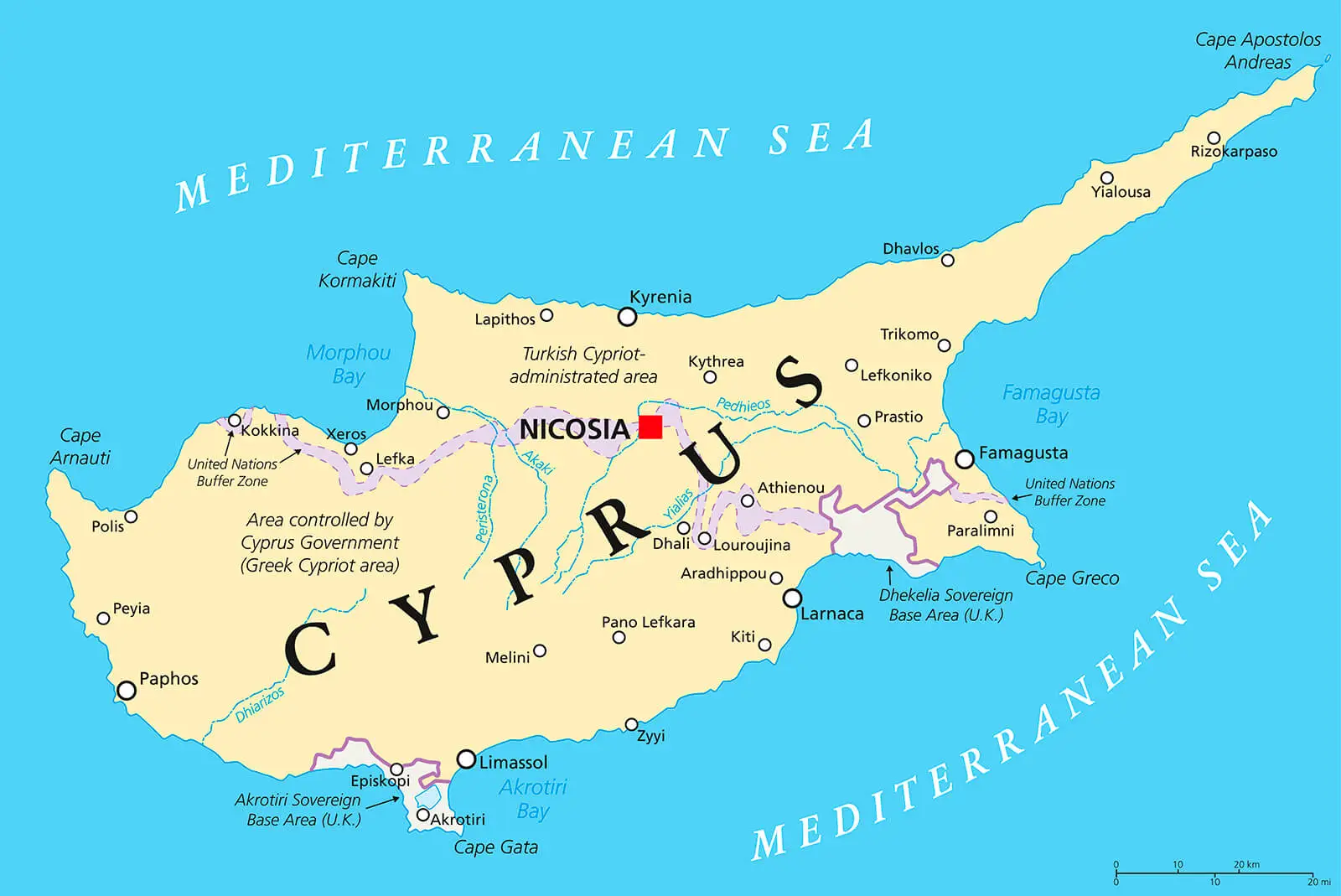
Nestled in the eastern Mediterranean, the island of Cyprus is a gem waiting to be explored. Divided into two distinct regions – the Republic of Cyprus in the south and the Turkish Republic of Northern Cyprus in the north – this island boasts a rich history, stunning landscapes, and world-class IVF clinics. In this article, we delve into the geographical wonders of this beautiful island and its burgeoning reputation as a top destination for IVF treatment, focusing on the renowned clinics of Cyprus Crown IVF and Cyprus American IVF.

The Divided Island: North vs. South

The island’s division dates back to 1974 when a coup d’état in the south led to a Turkish military intervention, resulting in the de facto partition of the island. The Republic of Cyprus in the south is recognized internationally and is a member of the European Union, while the Turkish Republic of Northern Cyprus in the north is recognized only by Turkey. Despite this division, both regions offer unique experiences for tourists and patients seeking IVF treatment.

Touristic Activities and Resorts in North Cyprus

The Northern part of the island is renowned for its picturesque landscapes and rich cultural heritage. From stunning beaches along the Mediterranean coast to the rugged beauty of the Kyrenia Mountains, the region offers a diverse range of activities for visitors. Tourists can explore ancient ruins such as the Bellapais Abbey, relax on the golden sands of Karpas Peninsula, or indulge in the vibrant nightlife of Kyrenia.

IVF Clinics in the North: A Beacon of Hope

The Northern part of the island has emerged as a leading destination for IVF treatment, attracting patients from around the world. Clinics such as Cyprus Crown IVF, led by the esteemed Dr. Halil Ibrahim Tekin (Dr. HIT), and Cyprus American IVF, under the guidance of Dr. Erman Sever, are renowned for their high success rates and state-of-the-art facilities. Patients choose the North side for IVF due to its affordable costs, experienced medical professionals, and relaxed regulations.

The Success of IVF Clinics in the North 

The success of IVF clinics in North Cyprus can be attributed to several factors. The region’s advanced medical infrastructure, coupled with the expertise of its healthcare professionals, ensures that patients receive the highest standard of care. Additionally, the relaxed and welcoming atmosphere of the island allows patients to undergo treatment in a stress-free environment, which can positively impact the success of IVF.

Nationalities Choosing Cyprus for Summer Destinations

The island’s allure as a summer destination extends far and wide, attracting visitors from across the globe. European tourists, particularly from the UK, Germany, and Russia, flock to the island for its warm climate, stunning beaches, and rich cultural heritage. The island’s proximity to the Middle East also makes it a popular choice for travelers from countries such as Israel and Lebanon.

Additionally, The island’s status as a safe and welcoming destination has made it increasingly popular among tourists from China, India, and other Asian countries seeking to explore its unique blend of Mediterranean beauty and ancient history. Whether seeking sun-soaked beaches, vibrant nightlife, or cultural experiences, the Mediterranean island offers something for everyone, making it a top choice for travelers from around the world.

Safety and Accessibility

The island is known for its safety and hospitality, making it an ideal destination for tourists and patients alike. The region’s strategic location in the Mediterranean also makes it easily accessible from Europe, Asia, and Africa, attracting a diverse range of visitors seeking both leisure and medical services.


Conclusion

The island, with its captivating beauty and world-class IVF clinics, offers a unique blend of tourism and healthcare services. Whether you’re exploring ancient ruins, lounging on pristine beaches, or undergoing IVF treatment, the island promises an unforgettable experience. So, pack your bags and embark on a journey to this enchanting island – where nature, history, and healthcare converge in perfect harmony. Fro more information regarding the island and the activities it has to offer, please check out this article.

For any of your fertility problems, please do not hesitate to contact us. At Fertility Solutions we pride ourselves with the excellent tailored personal care we provide to our patients for their specific needs. A team member will contact you as soon as we get your message, and construct a personal treatment plan for your needs. You can also contact our clinics directly through the links below.

Cyprus Crown IVF Contact: https://en.cypruscrownivf.com/contact

Cyprus American IVF Contact: https://www.cyprusamericanivf.com/contact-us/

Dr. Halil Ibrahim Tekin  (Dr. HIT) Youtube: https://www.youtube.com/@dr.halilibrahimtekin1715


General

What is HSG?

Empower Your Journey: The Vital Connection Between HSG Procedure and IVF

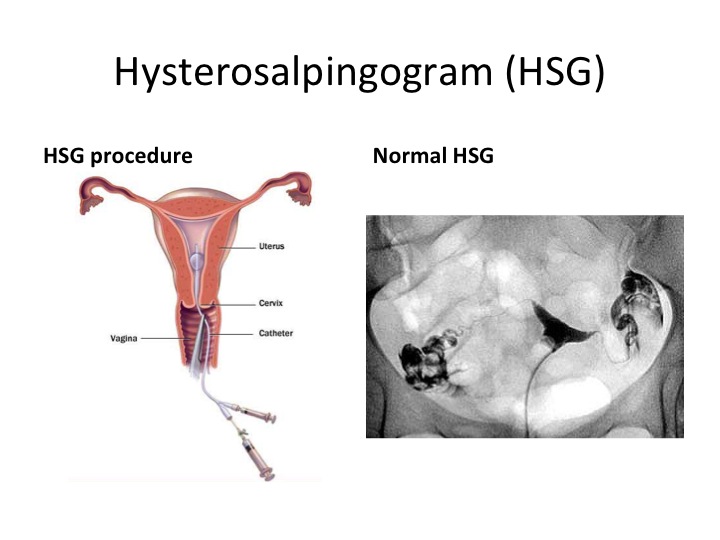
In the realm of fertility treatments, the HSG (hysterosalpingogram) procedure stands out as a crucial diagnostic tool that can significantly impact the success of in vitro fertilization (IVF). This comprehensive guide explores the pivotal role of the HSG procedure in IVF, shedding light on its importance, process, and the valuable insights it provides to enhance the chances of a successful pregnancy.

Understanding the HSG Procedure

The hysterosalpingogram procedure is a specialized X-ray test that evaluates the condition of the uterus and fallopian tubes. It involves the injection of a contrast dye into the uterus through the cervix, followed by X-ray imaging to visualize the dye as it moves through the reproductive organs. This allows healthcare providers to assess the shape and structure of the uterus and detect any blockages or abnormalities in the fallopian tubes.

The Connection Between HSG and IVF

The HSG procedure plays a crucial role in the IVF process by providing essential information about the reproductive organs that can impact the success of IVF treatment. Some key connections between HSG and IVF include:

  1. Diagnosing Uterine Abnormalities: hysterosalpingogram can reveal uterine abnormalities such as fibroids, polyps, or structural defects that may interfere with embryo implantation during IVF. Identifying and addressing these issues before IVF can improve the chances of a successful pregnancy.
  2. Detecting Fallopian Tube Blockages: Blocked fallopian tubes can prevent sperm from reaching the egg or hinder the passage of the fertilized egg into the uterus, leading to infertility. Hysterosalpingogram can detect these blockages, prompting healthcare providers to consider alternative methods such as IVF to bypass the blocked tubes.
  3. Assessing Tubal Patency: HSG can confirm the patency of the fallopian tubes, ensuring that they are open and functioning properly. This is crucial for the success of IVF, as it allows for the natural fertilization of the egg and the passage of the embryo into the uterus.

The Role of HSG in IVF Success

The information obtained from the hysterosalpingogram procedure can significantly impact the success of IVF treatment. By identifying and addressing uterine abnormalities and fallopian tube blockages, healthcare providers can optimize the conditions for embryo implantation and development, increasing the chances of a successful pregnancy.

Preparation for the HSG Procedure

Preparation for an HSG procedure is essential and involves several key steps. Before undergoing the procedure, it is crucial to communicate with your doctor and understand the necessary preparations. Your doctor will provide you with specific instructions and guidelines to follow.

One important aspect of preparation is timing. The procedure is typically scheduled within the first week after your menstrual period. This ensures that you are not pregnant and minimizes the risk of infection.

Additionally, discussing any medications you are currently taking with your doctor is important. Some medications may need to be temporarily stopped before the procedure. Similarly, if you have any allergies or adverse reactions to contrast dye, it is essential to inform your doctor beforehand.

In preparation for an HSG procedure, it is advisable to schedule the procedure within the first week after your menstrual period, discuss any medications you are taking with your doctor, inform your doctor about any allergies or reactions to contrast dye, and come prepared with any necessary paperwork and identification.

Conclusion

The hysterosalpingogram procedure plays a vital role in the IVF journey, providing valuable insights into the condition of the uterus and fallopian tubes that can impact the success of treatment. By understanding the connection between HSG and IVF, individuals can empower themselves with the knowledge needed to make informed decisions about their fertility treatment and increase their chances of achieving a successful pregnancy.

For more information regarding the hysterosalpingogram procedure, please refer to this article by Cyprus American IVF.

For any of your fertility problems, please do not hesitate to contact us. At Fertility Solutions we pride ourselves with the excellent tailored personal care we provide to our patients for their specific needs. A team member will contact you as soon as we get your message, and construct a personal treatment plan for your fertility problems in the country of Cyprus. You can also contact our clinics directly through the links below.

Cyprus Crown IVF Contact: https://en.cypruscrownivf.com/contact

Cyprus American IVF Contact: https://www.cyprusamericanivf.com/contact-us/

Dr. Halil Ibrahim Tekin  (Dr. HIT) Youtube: https://www.youtube.com/@dr.halilibrahimtekin1715

Cyprus American IVF Youtube: https://www.youtube.com/@AmerikanTupBebekMerkezi
General

Is it Worth Trying IVF Again?

Is It Worth Trying IVF Again? Exploring the Success Rates of Multiple IVF Attempts

For couples struggling with infertility, in vitro fertilization (IVF) can offer a ray of hope in their journey to parenthood. However, the road to success in IVF can be filled with challenges, and many couples may experience failure in their first attempt. In this article, we delve into the question of whether it is worth trying IVF again, exploring the causes of IVF failure, and discussing how second or third attempts might bring success.

Causes of IVF Failure

Before considering whether to try IVF again, it is essential to understand the factors that can contribute to IVF failure. Some of the common causes of IVF failure include:

  1. Poor egg or sperm quality: The quality of eggs and sperm used in IVF can significantly impact the chances of success. As women age, the quality of their eggs tends to decline, making it harder to achieve a successful pregnancy.
  2. Embryo quality: The quality of embryos produced during IVF plays a crucial role in the success of the treatment. Poor-quality embryos may fail to implant or result in early pregnancy loss.
  3. Implantation issues: Even if high-quality embryos are transferred, implantation can fail due to factors such as uterine abnormalities or immune system issues.
  4. Lifestyle factors: Factors such as smoking, excessive alcohol consumption, and obesity can negatively impact the success of IVF treatment.
  5. Other medical conditions: Underlying medical conditions such as endometriosis, polycystic ovary syndrome (PCOS), or uterine fibroids can also affect the success of IVF.

The Success Rates of Multiple IVF Attempts

While the first IVF attempt may not always be successful, many couples find success with subsequent attempts. Research has shown that the success rates of IVF tend to improve with each additional attempt. According to the American Society for Reproductive Medicine, the cumulative live birth rate after six IVF cycles can be as high as 70% for women under 35 years old.

Why Second or Third Tries Might Bring Success

There are several reasons why second or third attempts at IVF might bring success:

  1. Improved understanding of the process: With each IVF attempt, both the couple and their healthcare providers gain a better understanding of the factors that may be affecting the success of the treatment. This knowledge can help tailor future treatment plans to optimize the chances of success.
  2. Adjustments to treatment protocols: Based on the results of previous IVF cycles, healthcare providers may recommend adjustments to the treatment protocol to improve outcomes. This could include changes in medication dosages, the timing of embryo transfer, or the use of additional procedures such as preimplantation genetic testing (PGT).
  3. Psychological readiness: Going through the IVF process can be emotionally and physically draining. Taking time between attempts to recover emotionally and mentally can help couples approach subsequent attempts with renewed hope and resilience.

Conclusion

While IVF failure can be disheartening, many couples find success with multiple IVF attempts. Understanding the causes of IVF failure and working closely with healthcare providers to tailor treatment plans can improve the chances of success in subsequent attempts. For many couples, the journey to parenthood is a challenging one, but with perseverance and the support of their healthcare team, the dream of having a child can become a reality.

For any of your fertility problems, please do not hesitate to contact us. At Fertility Solutions we pride ourselves with the excellent tailored personal care we provide to our patients for their specific needs. A team member will contact you as soon as we get your message, and construct a personal treatment plan for your fertility problems in the country of Cyprus. You can also contact our clinics directly through the links below.

Cyprus Crown IVF Contact: https://en.cypruscrownivf.com/contact

Cyprus American IVF Contact: https://www.cyprusamericanivf.com/contact-us/

Dr. Halil Ibrahim Tekin  (Dr. HIT) Youtube: https://www.youtube.com/@dr.halilibrahimtekin1715

Cyprus American IVF Youtube: https://www.youtube.com/@AmerikanTupBebekMerkezi
General

The Stages of IVF

The Journey of IVF: From Initial Consultation to Birth

Today, we will be taking a close look at the stages of IVF (in vitro fertilization). In vitro fertilization (IVF) is a complex and emotionally challenging journey that many couples embark on to overcome infertility and fulfill their dream of having a child. From the initial consultation to the moment of birth, each stage of the IVF process is meticulously planned and executed to maximize the chances of a successful pregnancy. In this comprehensive guide, we will explore the stages of IVF, including the medications involved, the procedures, and what both the husband and mother can expect throughout the process.

The Stages of IVF

1. Initial Consultation and Assessment

The journey of IVF typically begins with an initial consultation with a fertility specialist. During this consultation, the specialist will review the medical history of both partners, conduct a physical examination, and recommend any additional tests or screenings to assess fertility. This is also a time for couples to discuss their goals, expectations, and any concerns they may have about the IVF process.

2. Ovarian Stimulation

Once the initial assessments are complete, the woman will begin a course of medications to stimulate the ovaries to produce multiple eggs. These medications, known as gonadotropins, are typically administered through injections and are carefully monitored through blood tests and ultrasounds to ensure optimal egg development.

3. Egg Retrieval

When the eggs are deemed mature, a minor surgical procedure called egg retrieval is performed. Under sedation, a thin needle is inserted into the ovaries to extract the eggs. The procedure usually takes about 20-30 minutes and is performed on an outpatient basis.

4. Fertilization and Embryo Development

The retrieved eggs are then fertilized with sperm in a laboratory setting. This can be done through traditional insemination, where sperm is placed with the eggs in a culture dish, or through intracytoplasmic sperm injection (ICSI), where a single sperm is injected directly into an egg. The fertilized eggs, now embryos, are cultured in the laboratory for several days to allow for development.

5. Embryo Transfer

After the embryos have developed, one or more are selected for transfer into the woman’s uterus. This is typically done 3-5 days after egg retrieval and is a relatively simple procedure that does not require anesthesia. The number of embryos transferred is based on several factors, including the woman’s age and the quality of the embryos.

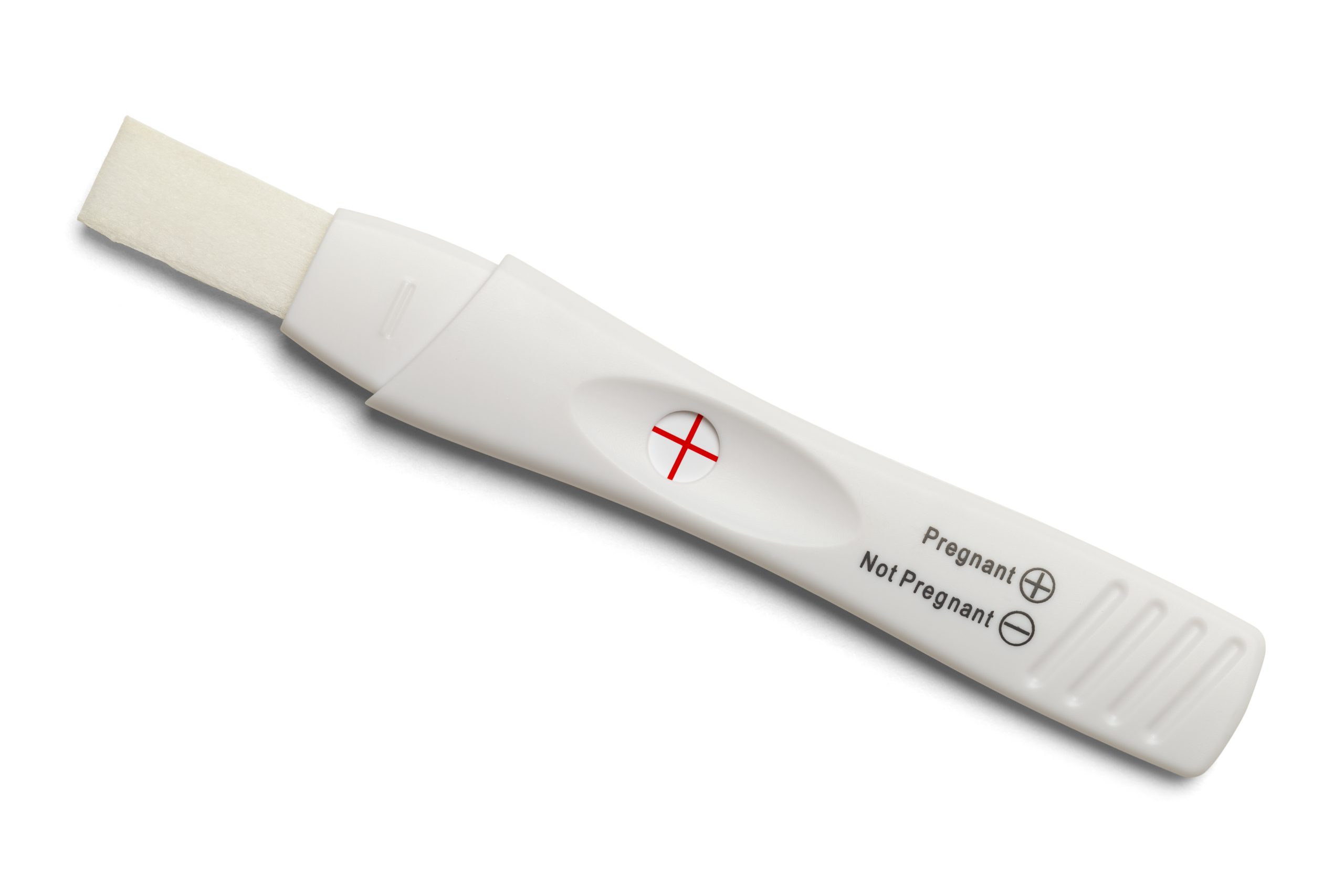
6. Pregnancy Test and Follow-Up

About two weeks after embryo transfer, a pregnancy test is performed to determine if the IVF cycle was successful. If the test is positive, the woman will undergo regular monitoring to ensure the pregnancy is progressing normally. If the test is negative, the couple may choose to undergo another IVF cycle or explore other options.

Giving Birth: Normal Birth vs. Cesarean (C-Section) Birth

If the IVF cycle is successful and the pregnancy progresses without complications, the woman will go into labor and give birth like any other pregnant woman. However, in some cases, a cesarean section (C-section) may be recommended for delivery. This could be due to factors such as the position of the baby, the size of the baby, or other medical considerations.

What to Expect Throughout the Process

Throughout the IVF process, both the husband and mother can expect to undergo a range of emotions, from hope and excitement to frustration and disappointment. It is important for couples to communicate openly with each other and seek support from friends, family, and mental health professionals if needed. Additionally, maintaining a healthy lifestyle, including regular exercise and a balanced diet, can help support the IVF process and improve overall well-being.

Conclusion

The journey of IVF is a complex and challenging one, but for many couples, it offers the opportunity to fulfill their dream of having a child. From the initial consultation to the moment of birth, each stage of the IVF process is carefully planned and executed to maximize the chances of success. By understanding what to expect and staying informed throughout the process, couples can navigate the challenges of IVF with confidence and hope for a positive outcome.

For any of your fertility problems, please do not hesitate to contact us. At Fertility Solutions we pride ourselves with the excellent tailored personal care we provide to our patients for their specific needs. A team member will contact you as soon as we get your message, and construct a personal treatment plan for your fertility problems in the country of Cyprus. You can also contact our clinics directly through the links below.

Cyprus Crown IVF Contact: https://en.cypruscrownivf.com/contact

Cyprus American IVF Contact: https://www.cyprusamericanivf.com/contact-us/

Dr. Halil Ibrahim Tekin  (Dr. HIT) Youtube: https://www.youtube.com/@dr.halilibrahimtekin1715

Cyprus American IVF Youtube: https://www.youtube.com/@AmerikanTupBebekMerkezi

Notice: ob_end_flush(): Failed to send buffer of zlib output compression (0) in /home/fertilitysol/public_html/wp-includes/functions.php on line 5481