General

The IUI Procedure

Unlocking Fertility: A Comprehensive Guide to the IUI Procedure

For couples struggling with infertility, intrauterine insemination (IUI) can be a ray of hope on their journey towards parenthood. IUI is a widely used fertility treatment that can increase the chances of conception by placing sperm directly into the uterus. In this blog post, we will provide a comprehensive guide to the IUI procedure, shedding light on its process, benefits, and considerations.

What is IUI?

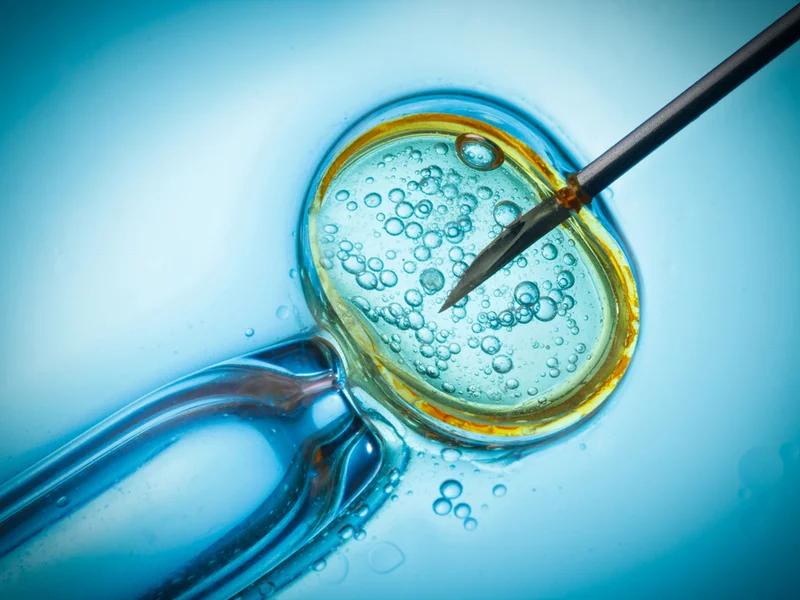
Intrauterine insemination, also known as artificial insemination, is a fertility procedure that involves the introduction of prepared and concentrated sperm into the uterus during the woman’s fertile window. The goal is to increase the chances of fertilization by bringing the sperm closer to the egg.

Step 1: Initial Consultation and Testing

The IUI process typically begins with an initial consultation with a fertility specialist. During this consultation, the specialist will review the couple’s medical history, conduct a physical examination, and may recommend certain tests to evaluate fertility factors such as ovarian reserve, hormonal balance, and sperm quality. These tests help determine if IUI is the right treatment option or if additional measures are required.

Step 2: Ovarian Stimulation (Optional)

In some cases, ovarian stimulation may be recommended to enhance the chances of successful IUI. Ovarian stimulation involves taking fertility medications, such as oral or injectable hormones, to stimulate the ovaries and encourage the growth and maturation of multiple eggs. This step may be skipped if the woman has regular ovulation or if the couple is using donor sperm.

Step 3: Sperm Preparation

Prior to the IUI procedure, the sperm sample provided by the male partner or a sperm donor undergoes a process called sperm preparation. This involves separating the healthy, motile sperm from the seminal fluid. The preparation may also include washing the sperm to remove any potentially harmful substances that could affect fertility.

Step 4: Insemination

On the day of the IUI procedure, the prepared sperm sample is carefully inserted into the uterus using a thin, flexible catheter. This process is usually painless and does not require anesthesia. The procedure is performed in a fertility clinic or a specialized medical facility, and it only takes a few minutes to complete.

Step 5: Post-Procedure and Wait for Results

Following the IUI procedure, the woman can resume normal activities and is typically advised to rest for a short period. The specialist may provide additional instructions on post-procedure care, including any medications or supplements to take. It is important to note that the success of IUI depends on various factors, including the woman’s age, overall health, and the quality of the sperm used.

Step 6: Follow-Up and Monitoring

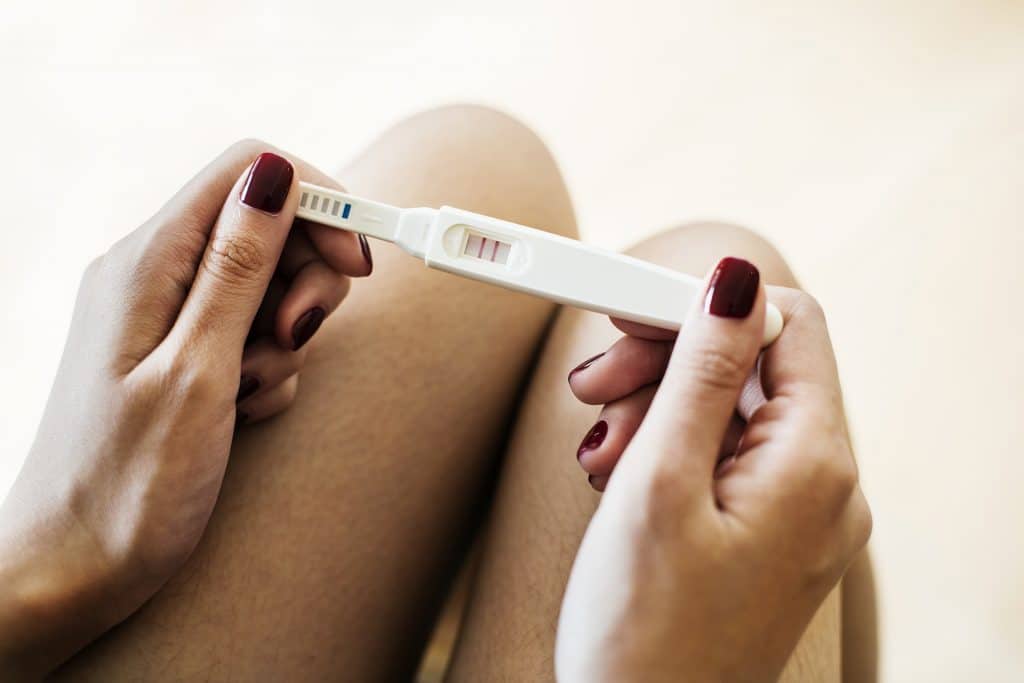
After the IUI procedure, the woman may be advised to monitor her menstrual cycle or undergo blood tests to determine if pregnancy has occurred. A follow-up appointment with the fertility specialist is scheduled to assess the success of the procedure and discuss further steps if pregnancy is not achieved.

Benefits and Considerations of IUI

IUI offers several benefits, including:

  1. Non-Invasive: IUI is a non-surgical and relatively simple procedure, which makes it a more accessible option for couples seeking fertility treatment.
  2. Increased Sperm Concentration: By placing the sperm directly into the uterus, IUI bypasses any potential obstacles or challenges the sperm may face in reaching the fallopian tubes and increases the chances of successful fertilization.
  3. Timing Control: IUI allows for precise timing of insemination, ensuring that it aligns with the woman’s ovulation period and the release of the egg, maximizing the likelihood of conception

For more information regarding IUI, please check out Crown IVF’s website.

Last but not least, please do not forget to check out our previous blog post about Egg Freezing.
General

Egg Freezing

Preserving Fertility: A Closer Look at the Egg Freezing Procedure

In recent years, egg freezing has gained significant popularity as a means of preserving fertility for women who may want to delay childbearing or are facing certain medical conditions. This innovative procedure offers women the opportunity to freeze their eggs, preserving their reproductive potential for future use. In this blog post, we will take a closer look at the egg freezing procedure, step by step.

Step 1: Initial Consultation

The egg freezing journey begins with an initial consultation with a fertility specialist. During this consultation, the specialist will discuss the process, assess the individual’s medical history, and provide guidance based on their specific circumstances. This is also an opportunity for the individual to ask any questions and address any concerns they may have about the procedure.

Step 2: Ovarian Stimulation

To increase the chances of successfully retrieving multiple mature eggs, the individual undergoes a process called ovarian stimulation. This involves taking hormonal medications, typically in the form of daily injections, for around 10 to 12 days. These medications stimulate the ovaries to produce multiple mature eggs instead of the single egg that would typically be released during a natural menstrual cycle.

Step 3: Monitoring and Follicle Growth

During the ovarian stimulation phase, regular monitoring appointments are scheduled to monitor the individual’s response to the medications. Transvaginal ultrasounds and blood tests are conducted to measure the growth and development of follicles, which contain the eggs. The dosage of the medications may be adjusted during this phase to ensure optimal follicle growth.

Step 4: Egg Retrieval

When the follicles have reached the desired size, the egg retrieval procedure is scheduled. This is a minimally invasive outpatient procedure that is typically performed under sedation or light anesthesia. Using a transvaginal ultrasound probe, the fertility specialist guides a thin needle into each follicle and retrieves the mature eggs. The procedure usually takes around 20-30 minutes.

Step 5: Freezing and Storage

After retrieval, the eggs are carefully examined, and viable eggs are selected for freezing. The eggs are then rapidly cooled and frozen using a process called vitrification. Vitrification involves ultra-rapid freezing, which prevents the formation of ice crystals and preserves the structural integrity of the eggs. The frozen eggs are stored in a cryopreservation facility until they are ready to be thawed and used in the future.

Step 6: Future Use

When the individual is ready to use their frozen eggs, the eggs are thawed in a controlled environment. The thawed eggs are then fertilized with sperm through a process called intracytoplasmic sperm injection (ICSI) to create embryos. The resulting embryos are closely monitored in the laboratory, and one or more high-quality embryos are selected for transfer to the individual’s uterus during a future assisted reproductive technology (ART) procedure, such as in vitro fertilization (IVF).

It’s important to note that the success of egg freezing and future use of the frozen eggs depend on various factors, including the age of the individual at the time of egg retrieval and the quality of the eggs. Each individual’s situation is unique, and the success rates can vary.

In conclusion, the egg freezing procedure offers women the opportunity to preserve their fertility and have more control over their reproductive timeline. Through a series of steps, including ovarian stimulation, monitoring, egg retrieval, freezing, and storage, women can freeze their eggs for future use. Egg freezing has provided hope for countless individuals who want to preserve their fertility options and take charge of their reproductive health. Consulting with a fertility specialist is crucial to understanding the process, assessing individual circumstances, and making informed decisions about egg freezing.

For more information regarding Egg freezing, you can check out Dr Halil’s blog post about Egg Freezing in Cyprus on Crown IVF’s website.

Make sure to check out our previous blog post about egg donation procedure.

General

Egg Donation Procedure Simplified

 A Guide to a Life-Changing Gift

For couples and individuals struggling with infertility, the egg donation procedure can be a life-changing opportunity to fulfill their dream of parenthood. While the concept of egg donation may seem complex, understanding the procedure can help alleviate any concerns and make the process more approachable. In this blog post, we’ll simplify the egg donation procedure, step by step.

Step 1: Initial Consultation

The egg donation journey begins with an initial consultation with a fertility specialist or a dedicated egg donation coordinator. During this consultation, the intended parents or recipient will discuss their medical history, preferences, and expectations. They will receive guidance on the entire process, including legal and ethical considerations, financial aspects, and any necessary psychological evaluations.

Step 2: Donor Selection

Once the recipient is ready to proceed, the next step involves selecting an egg donor. This can be done through an egg donor agency or a fertility clinic’s donor database. Donors are carefully screened for their physical health, reproductive history, and psychological well-being. Intended parents often have the option to choose a donor based on specific characteristics such as physical appearance, education, or personal interests.

Step 3: Synchronization of Cycles

To maximize the chances of success, the donor’s menstrual cycle and the recipient’s cycle need to be synchronized. This is achieved through medications that control and coordinate their reproductive cycles. Medications may include hormonal injections or oral medications that regulate the timing of ovulation and prepare the recipient’s uterus for embryo implantation.

Step 4: Egg Retrieval

When the donor’s eggs are ready for retrieval, a minimally invasive procedure called transvaginal ultrasound-guided follicle aspiration is performed. The donor undergoes a short outpatient procedure under sedation. Using an ultrasound probe, the fertility specialist retrieves the mature eggs from the donor’s ovaries using a thin needle. This process typically takes around 20-30 minutes.

Step 5: Fertilization and Embryo Transfer

After the eggs are retrieved, they are immediately fertilized with the recipient’s partner’s sperm or donor sperm through a process called in vitro fertilization (IVF). The fertilized eggs, now embryos, are closely monitored in a laboratory setting for a few days. The selected high-quality embryos are then transferred into the recipient’s uterus through a simple and painless procedure. This process is often guided by ultrasound imaging to ensure proper placement.

Step 6: Pregnancy Test and Follow-Up

Approximately two weeks after the embryo transfer, a pregnancy test is conducted to determine whether the procedure was successful. If the test indicates a positive result, the recipient will continue to receive ongoing medical care, including regular check-ups and monitoring during the early stages of pregnancy. The fertility clinic or specialist will provide guidance and support throughout the pregnancy journey.

Confidentiality

It’s important to note that the egg donation procedure involves strict legal and ethical guidelines to protect all parties involved. Confidentiality is maintained, and donors and recipients are often kept anonymous, although some arrangements may allow for varying degrees of communication and openness, depending on the parties’ preferences.

In conclusion, the egg donation procedure, though intricate, offers hope and the possibility of parenthood for individuals and couples facing infertility. With careful donor selection, synchronization of cycles, egg retrieval, fertilization, and embryo transfer, the process has helped countless families welcome a new chapter in their lives. The support and guidance provided by fertility specialists and clinics throughout the procedure are invaluable, ensuring a safe and supportive environment for all involved.

Please check out our previous post about advancements in IVF over the last decade.

Also, you can read more about egg donation procedure on the Crown IVF’s website.

General

Advancements in IVF Over the Last Decade

Advancements in IVF: Revolutionizing Assisted Reproductive Technology

In the past decade, the field of assisted reproductive technology has witnessed significant advancements, particularly in in vitro fertilization (IVF). These advancements have revolutionized the way fertility treatments are conducted and have provided new hope for couples struggling with infertility. Let’s explore some of the key advancements in IVF that have emerged in the last decade.

  1. Preimplantation Genetic Testing (PGT)

One of the groundbreaking advancements in IVF is the development and refinement of preimplantation genetic testing (PGT). PGT allows embryos to be screened for genetic abnormalities before implantation, significantly increasing the chances of a successful pregnancy and reducing the risk of genetic disorders in the offspring. PGT has become more accurate, efficient, and accessible, empowering couples to make informed decisions regarding embryo selection and family planning.

  1. Time-Lapse Imaging

Time-lapse imaging has revolutionized the way embryos are monitored and assessed during IVF. This technology allows continuous monitoring of embryo development without disturbing the delicate environment of the incubator. By capturing images at regular intervals, embryologists can observe important developmental milestones, evaluate embryo quality more accurately, and select the most viable embryos for transfer, leading to improved success rates.

  1. Single Embryo Transfer (SET)

In the past, multiple embryos were often transferred during IVF to increase the chances of success. However, this practice carried a higher risk of multiple pregnancies and associated complications. Advancements in IVF have emphasized the importance of single embryo transfer (SET), where only one carefully selected embryo is transferred to the uterus. This approach has led to a significant reduction in multiple pregnancies while maintaining excellent success rates, ensuring a safer and healthier outcome for both mother and baby.

  1. Cryopreservation Techniques

Cryopreservation techniques, such as vitrification, have greatly improved the preservation and storage of embryos and gametes. Vitrification involves ultra-rapid freezing, which prevents the formation of ice crystals and preserves the structural integrity of the cells. This has significantly increased the survival rates of frozen embryos and eggs, allowing patients to store their excess embryos for future use. Additionally, it has opened doors for fertility preservation for individuals undergoing medical treatments that may compromise their fertility, such as chemotherapy or radiation.

  1. Egg Freezing

Egg freezing, also known as oocyte cryopreservation, has become a popular option for women who wish to preserve their fertility. The last decade has seen significant advancements in the success rates of egg freezing techniques, making it a viable option for women who want to delay childbearing or who face certain medical conditions that may affect their fertility. Egg freezing provides women with greater reproductive autonomy and flexibility, empowering them to pursue their personal and professional aspirations while preserving their ability to conceive in the future.

  1. Advances in Laboratory Techniques

Laboratory techniques used in IVF laboratories have also advanced significantly in the last decade. Innovations such as improved culture media, embryo culture systems, and incubation conditions have created a more optimized and controlled environment for embryo development. These advancements have contributed to higher embryo quality, better embryo selection, and increased pregnancy rates.

In conclusion, the field of IVF has witnessed remarkable advancements in the last decade, transforming the landscape of assisted reproductive technology. Preimplantation genetic testing, time-lapse imaging, single embryo transfer, cryopreservation techniques, egg freezing, and improved laboratory techniques have all played crucial roles in improving success rates, enhancing patient experiences, and expanding options for individuals and couples struggling with infertility. With ongoing research and technological innovations, the future of IVF holds even more promising possibilities, providing hope and fulfilling dreams of parenthood for countless individuals.

Please make sure to check out our previous blog post about considering North Cyprus for your fertility treatments.

You can also read about this very exciting technology called IMSI on the Crown IVF’s website which is one of the clinics we work with in Cyprus.
General

Considering North Cyprus for Fertility Treatments

Why You Should Choose North Cyprus for Fertility Treatments

In recent years, North Cyprus has emerged as one of the leading destinations for fertility treatments. With its state-of-the-art facilities, highly qualified doctors and staff, and affordable prices, North Cyprus offers a range of benefits for patients seeking fertility treatments. Here are some reasons why patients should consider North Cyprus for their fertility treatments:

Top Reasons Why People Choose North Cyprus for their Fertility Treatments

  1. Advanced Medical Facilities

North Cyprus has some of the most advanced medical facilities in the world, with cutting-edge technologies and techniques for fertility treatments. The country has invested heavily in the healthcare sector, and its medical facilities meet international standards. The fertility clinics in North Cyprus are equipped with the latest technology and offer a range of treatments, from basic fertility evaluations to more complex procedures like IVF, ICSI, and egg donation.

  1. Experienced and Qualified Doctors

North Cyprus has a large pool of experienced and qualified doctors and specialists in the field of reproductive medicine. The doctors and staff in the fertility clinics are highly trained and have years of experience in helping couples achieve their dreams of parenthood. They are familiar with the latest techniques and technologies in the field and are dedicated to providing personalized and compassionate care to their patients.

  1. Affordable Prices

One of the biggest advantages of choosing North Cyprus for fertility treatments is the affordable prices. The cost of fertility treatments in North Cyprus is significantly lower compared to other countries in Europe and the US. Patients can save up to 60-70% on their fertility treatments in North Cyprus without compromising on the quality of care they receive. The lower costs are due to the lower cost of living in North Cyprus, which translates to lower overheads for the fertility clinics.

  1. High Success Rates

The fertility clinics in North Cyprus have some of the highest success rates in the world for fertility treatments. This is due to the advanced technology, experienced doctors and staff, and the personalized approach to treatment. Patients can be assured that they are receiving the best possible care and have a higher chance of achieving a successful pregnancy.

  1. Beautiful Location

North Cyprus is a beautiful location with stunning beaches, rich history, and warm weather all year round. Patients can combine their fertility treatments with a relaxing holiday and enjoy all that North Cyprus has to offer. The country is known for its hospitality and friendly people, which can make the treatment process more comfortable and enjoyable for patients.

  1. Legal and Ethical Standards

North Cyprus has strict legal and ethical standards when it comes to fertility treatments. The fertility clinics are regulated by the government and follow international standards for safety and quality of care. Patients can be assured that the clinics are adhering to the highest ethical standards and are following the guidelines set by the International Society for Fertility Preservation (ISFP).

  1. Multilingual Staff

North Cyprus is a multicultural and multilingual country, and the fertility clinics have staff who speak a range of languages. Patients from different countries can communicate effectively with their doctors and staff, which can make the treatment process more comfortable and less stressful.

In conclusion, North Cyprus offers a range of benefits for patients seeking fertility treatments, including advanced medical facilities, experienced and qualified doctors, affordable prices, high success rates, a beautiful location, legal and ethical standards, and multilingual staff. Patients can be assured that they are receiving the best possible care in a comfortable and welcoming environment.

Make sure you check out our previous blog post about travelling between North and South Cyprus.

Also, you can check Crown IVF’s website for more about accommodation in Cyprus.

General

Travelling between North and South Cyprus

Traveling between North and South Cyprus: Nationalities that Can Benefit from Visa-Free Access.

Traveling between North and South Cyprus can be a unique experience for visitors, with each side of the island offering its own distinct cultural and historical charm. The good news is that many nationalities can travel between the two regions without needing a visa. In this blog post, we’ll take a closer look at which nationalities can benefit from visa-free access.

North Cyprus and South Cyprus are separated by a demilitarized zone, and while they are technically two separate entities, the entire island is recognized as one country by the United Nations. However, the two regions have different visa policies, so it’s important to know which nationalities can travel between them without a visa.

The following nationalities can travel between North and South Cyprus without a visa:

  1. European Union (EU) citizens: Citizens of EU countries have visa-free access to both North and South Cyprus. They can enter and stay in the country for up to 90 days without a visa.
  2. United States (US) citizens: US citizens can enter North and South Cyprus without a visa for up to 90 days. They will need to show a valid passport upon arrival.
  3. Canada: Canadian citizens can enter North and South Cyprus without a visa for up to 90 days. They will need to show a valid passport upon arrival.
  4. Australia: Australian citizens can enter North and South Cyprus without a visa for up to 90 days. They will need to show a valid passport upon arrival.
  5. New Zealand: New Zealand citizens can enter North and South Cyprus without a visa for up to 90 days. They will need to show a valid passport upon arrival.
  6. Turkey: Turkish citizens can enter North Cyprus without a visa and stay for an unlimited period of time. However, they will need to obtain a visa if they wish to cross the border into South Cyprus.

It’s important to note that the visa-free access is subject to change, so it’s best to check with the relevant authorities before planning a trip.

Visa Requirements for Russians Traveling between North and South Cyprus

If you’re a Russian citizen planning to visit North and South Cyprus, it’s important to know the visa requirements for both regions. While Russians can travel to North Cyprus without a visa, they will need to obtain a visa if they wish to cross the border into South Cyprus.

Here’s what you need to know about the visa requirements for Russians traveling to North and South Cyprus:

  1. North Cyprus: Russian citizens can enter North Cyprus without a visa and stay for up to 90 days. Upon arrival, they will need to present a valid passport, and their passport must be valid for at least six months from the date of entry.
  2. South Cyprus: Russian citizens must obtain a visa to enter South Cyprus. They can apply for a visa at the Republic of Cyprus embassy or consulate in Russia. The visa application process usually takes around 10 business days, and applicants will need to provide various documents such as a valid passport, a passport photo, and proof of accommodation.

It’s important to note that the visa requirements are subject to change, so it’s best to check with the relevant authorities before planning a trip.

All in all, Russian citizens can travel to North Cyprus without a visa, but they will need to obtain a visa if they wish to cross the border into South Cyprus. It’s important to be aware of the latest visa requirements and to plan accordingly before traveling to Cyprus.

To sum up, many nationalities can travel between North and South Cyprus without a visa, which makes it easier for visitors to explore the island’s diverse cultural and historical attractions. EU citizens, US citizens, Canadian citizens, Australian citizens, New Zealand citizens, and Turkish citizens can benefit from visa-free access only in Northern Cyprus, but it’s always a good idea to check the latest visa requirements before planning a trip.

Make sure to check our previous post about top 10 things to do in Cyprus while visiting for your fertility journey.

You can also check out the blog post about accommodation in Cyprus from the editors of Cyprus Crown IVF.

General

Top 10 Things to do in Cyprus

This week’s post will give you an idea of the top 10 things to do in Cyprus while you are visiting for your fertility journey. Cyprus is a beautiful Mediterranean island country that boasts a rich cultural heritage, stunning beaches, and an array of activities and attractions that cater to all types of travellers. Here are the top 10 things to do in Cyprus:

Top 10 Things to do in Cyprus

  1. Visit the ancient ruins of Kourion: Located on the southwestern coast of Cyprus, the ancient ruins of Kourion offer visitors a glimpse into the island’s rich history. Explore the well-preserved mosaics, amphitheater, and bathhouse that date back to the 2nd century BC.
  2. Explore the Tombs of the Kings: The Tombs of the Kings is a UNESCO World Heritage Site located in Paphos, which dates back to the 4th century BC. The site features an impressive collection of underground tombs and frescoes.
  3. Discover the beauty of the Troodos Mountains: The Troodos Mountains offer breathtaking views of the island and an array of outdoor activities, including hiking, cycling, and skiing.
  4. Relax on the stunning beaches: Cyprus is known for its crystal-clear waters and stunning beaches. Some of the best include Nissi Beach, Coral Bay, and Fig Tree Bay.
  5. Take a boat trip: Explore the island’s coastline and take a boat trip to see some of the stunning hidden coves and bays that are not accessible by land.
  6. Visit the Ayia Napa Monastery: The Ayia Napa Monastery is a 16th-century monastery located in the heart of the popular tourist resort town of Ayia Napa. Explore the beautiful architecture and learn about the history of the monastery.
  7. Taste the local cuisine: Cyprus has a rich culinary heritage, with a range of traditional dishes that are not to be missed. Sample the famous halloumi cheese, fresh seafood, and traditional Cypriot meze.
  8. Go scuba diving: Cyprus offers some of the best scuba diving opportunities in the Mediterranean, with a range of dive sites suitable for all levels.
  9. Visit the Akamas Peninsula: The Akamas Peninsula is a protected area of natural beauty that offers visitors stunning scenery, crystal-clear waters, and an array of outdoor activities.
  10. 10.Explore the capital city of Nicosia: Nicosia is the capital city of Cyprus and offers visitors a mix of old-world charm and modern amenities. Explore the winding streets of the old town and visit the iconic Ledra Street border crossing.

Additional Outdoor and Cultural Activities in Northern and Southern Cyprus

Aside from the top 10 most popular activities, here is some additional information about some outdoor and cultural activities that can be done both in Northern and Southern Cyprus: 

In terms of outdoor activities, Northern Cyprus offers some beautiful beaches, including Escape Beach and Alagadi Beach, which is a popular nesting site for sea turtles. The Kyrenia Mountains also offer opportunities for hiking and exploring the countryside.

In South Cyprus, one of the most popular tourist destinations is the coastal city of Limassol, which boasts a lively atmosphere, beautiful beaches, and a charming old town. The ancient city of Paphos, a UNESCO World Heritage site, is also a must-see for history buffs, with its impressive mosaics and ancient ruins.

For those interested in outdoor activities, South Cyprus offers plenty of opportunities for hiking, cycling, and water sports. The Troodos Mountains, which are home to Mount Olympus (the highest peak in Cyprus), are a popular destination for hiking and skiing.

Overall, both Northern Cyprus and South Cyprus offer plenty of tourist activities to suit a wide range of interests, from history and culture to outdoor adventure and relaxation.

Please visit Cyprus Crown IVF’s website for more information regarding touristic activities in Cyprus and make sure to check out our previous post about breast-feeding.


Notice: ob_end_flush(): Failed to send buffer of zlib output compression (0) in /home/fertilitysol/public_html/wp-includes/functions.php on line 5481